Loading video…


 21 Concepts
 9K views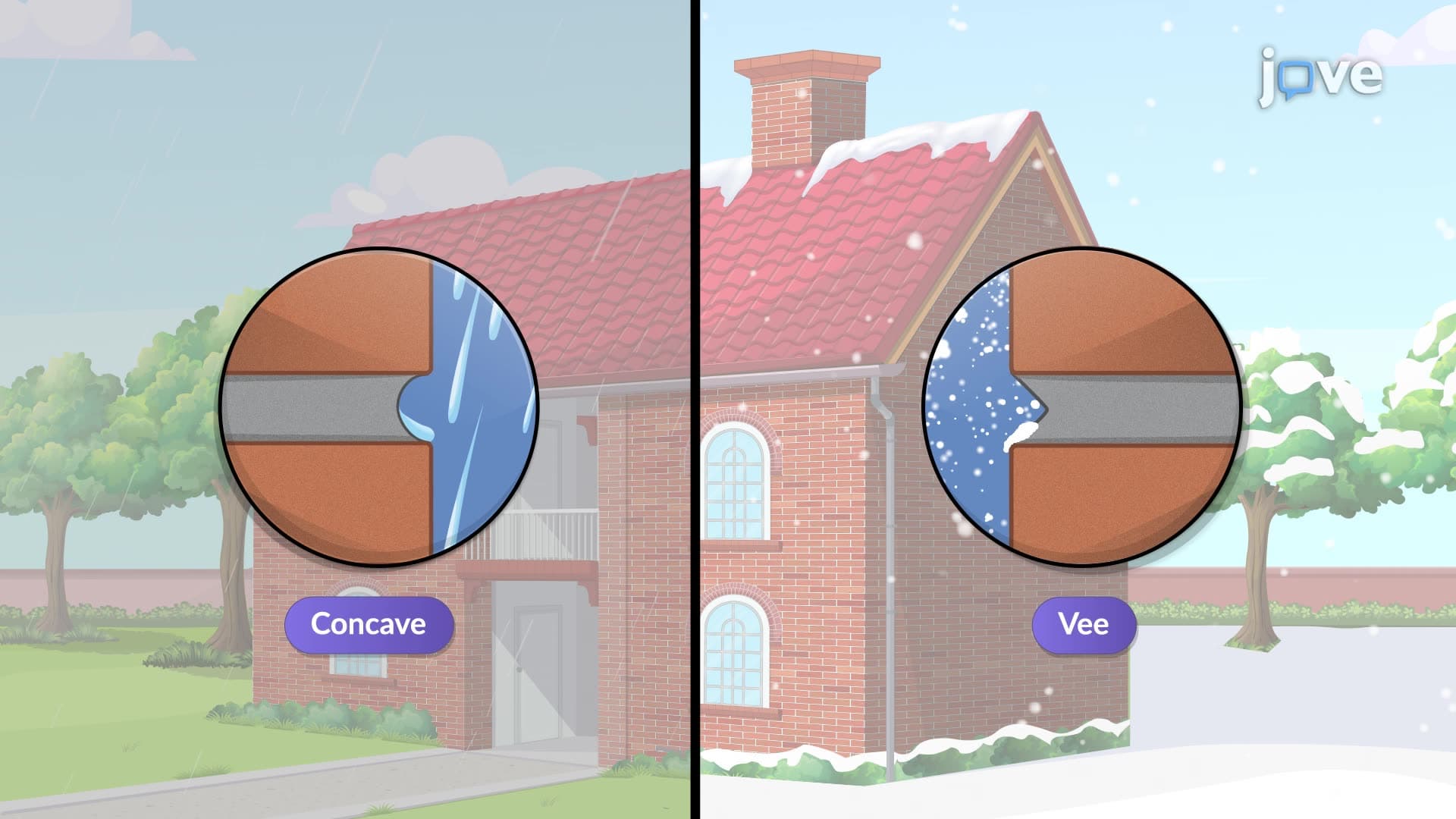

Video Summary: What are Mortar Joints
Ever wonder how the Empire State Building's brickwork has withstood nearly a century of New York weather? Mortar joints are the crucial spaces between bricks that are filled with mortar, serving as the binding agent that holds masonry structures together. These joints, ranging from less than a quarter-inch to over half an inch thick, provide both structural integrity and aesthetic appeal to buildings from residential homes to iconic skyscrapers like Chicago's Willis Tower. Watch the full video on JoVE Coach to master this concept with expert-led visuals and step-by-step explanations.
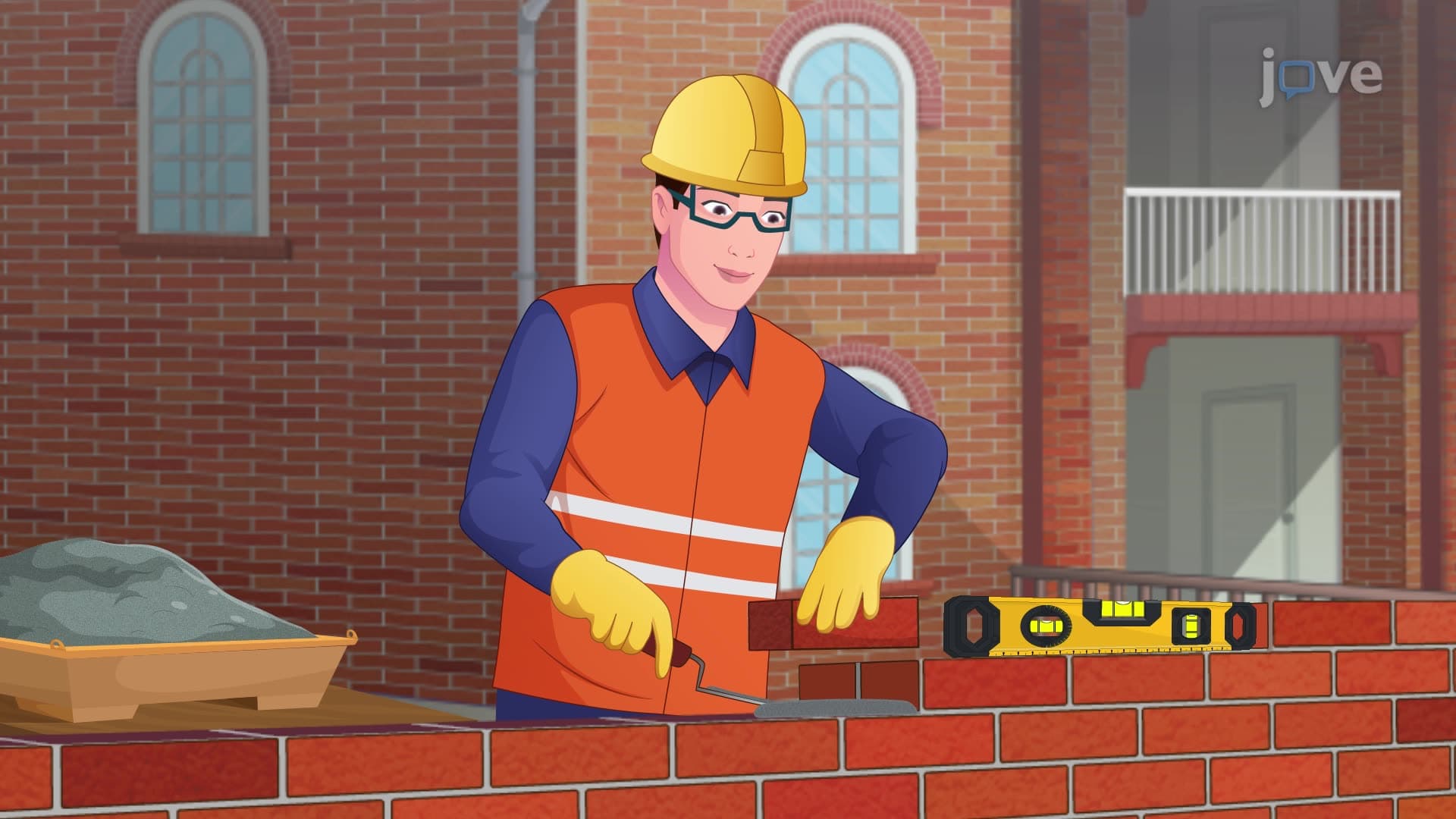
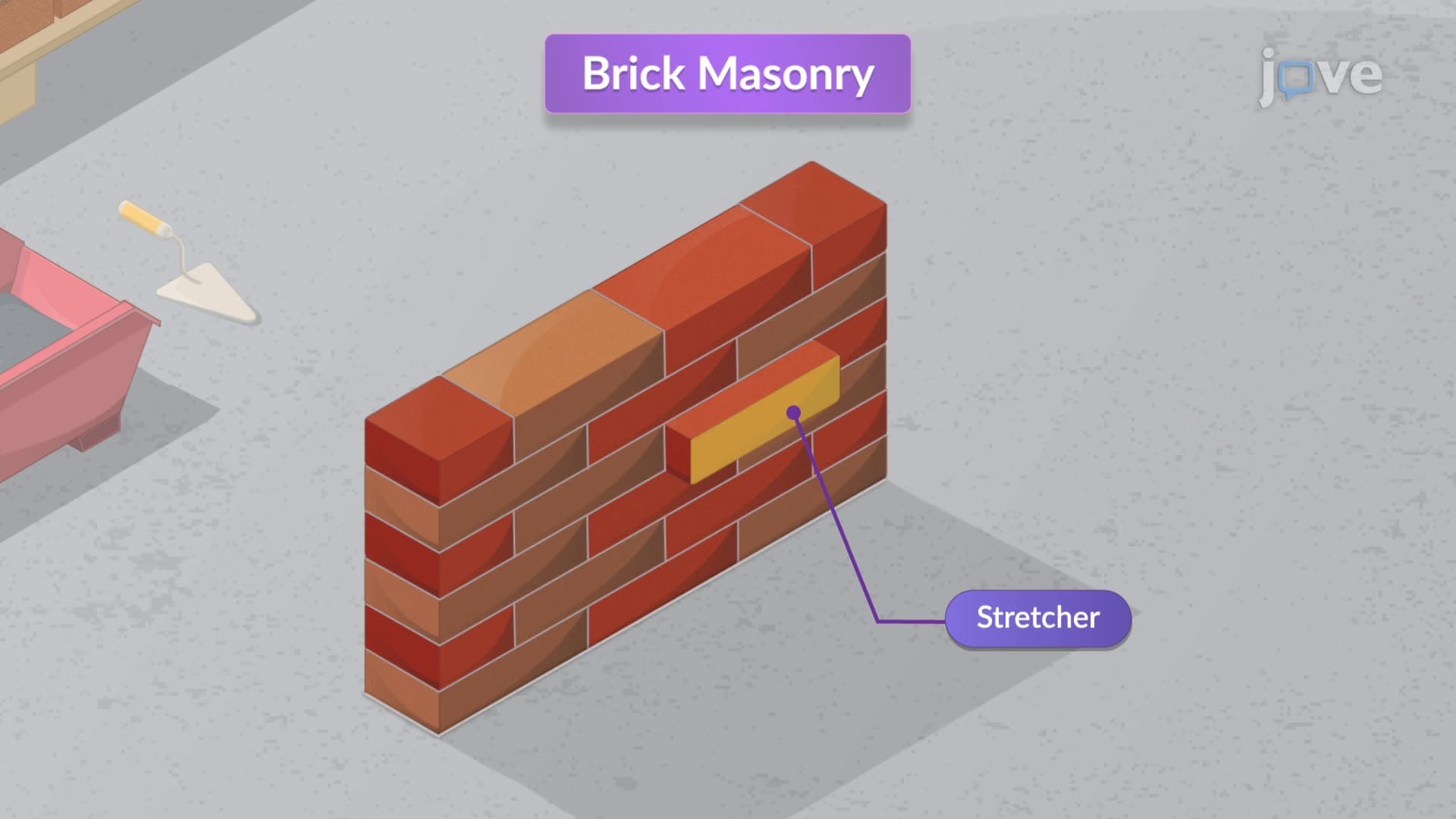
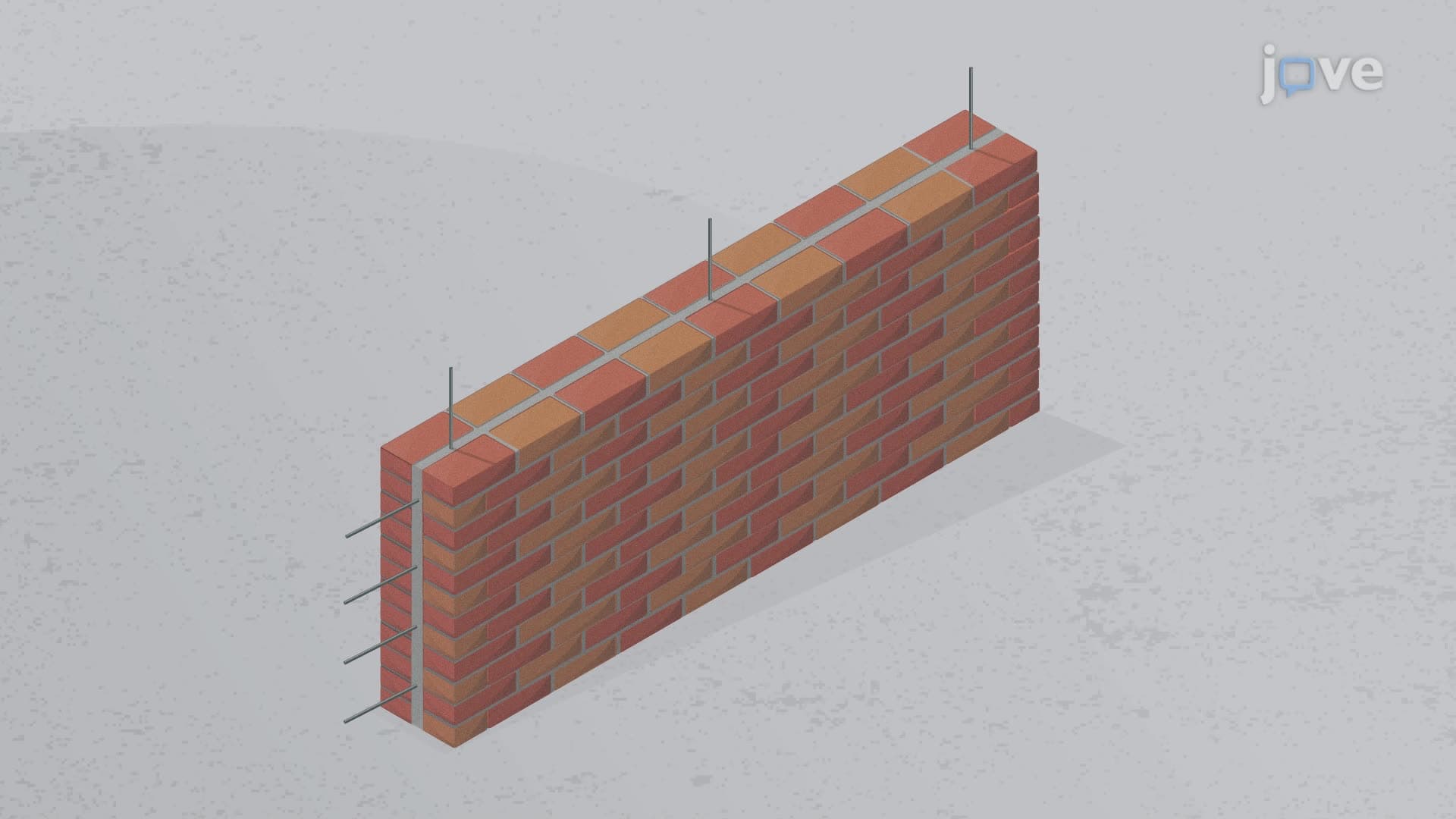
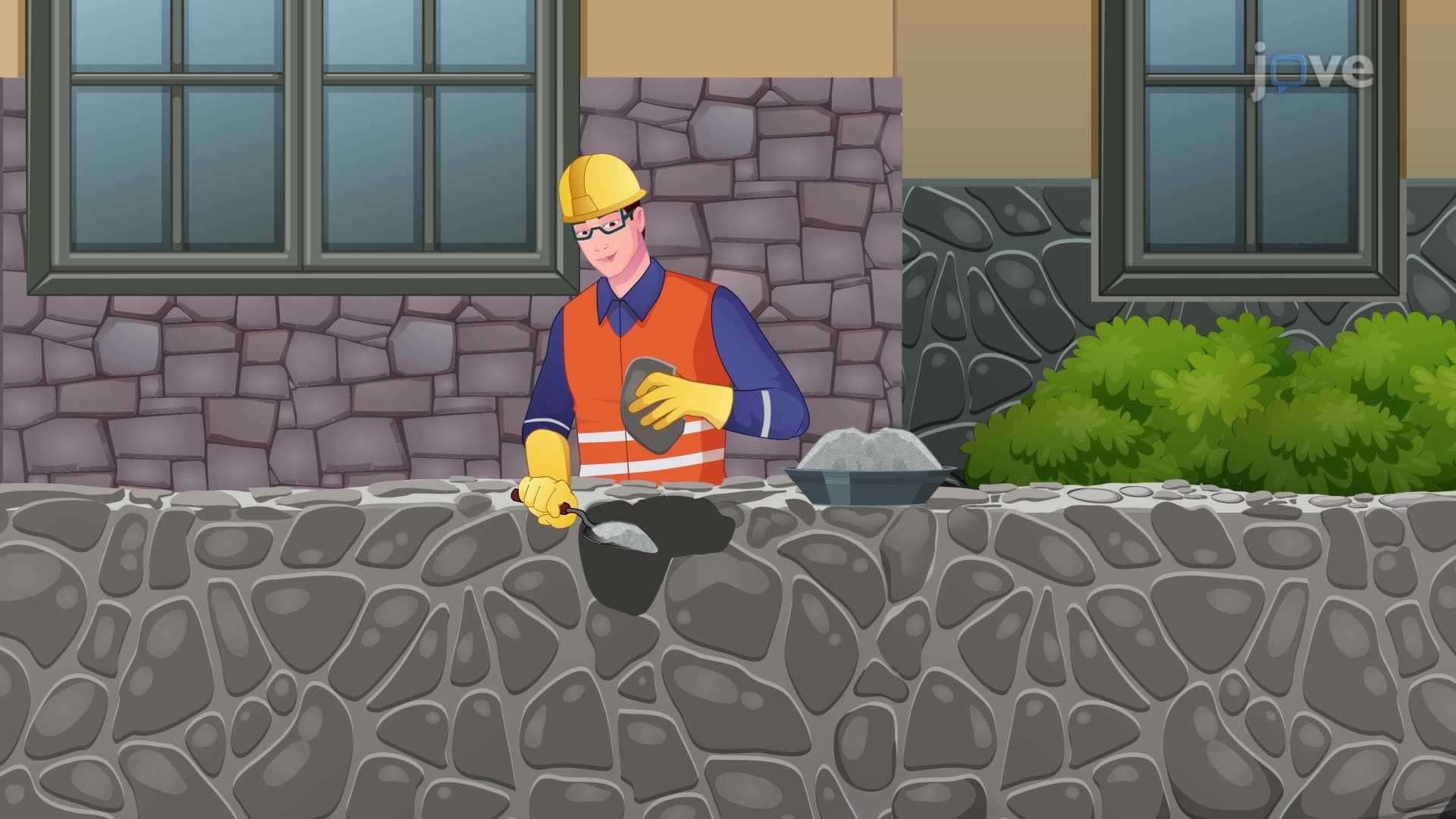
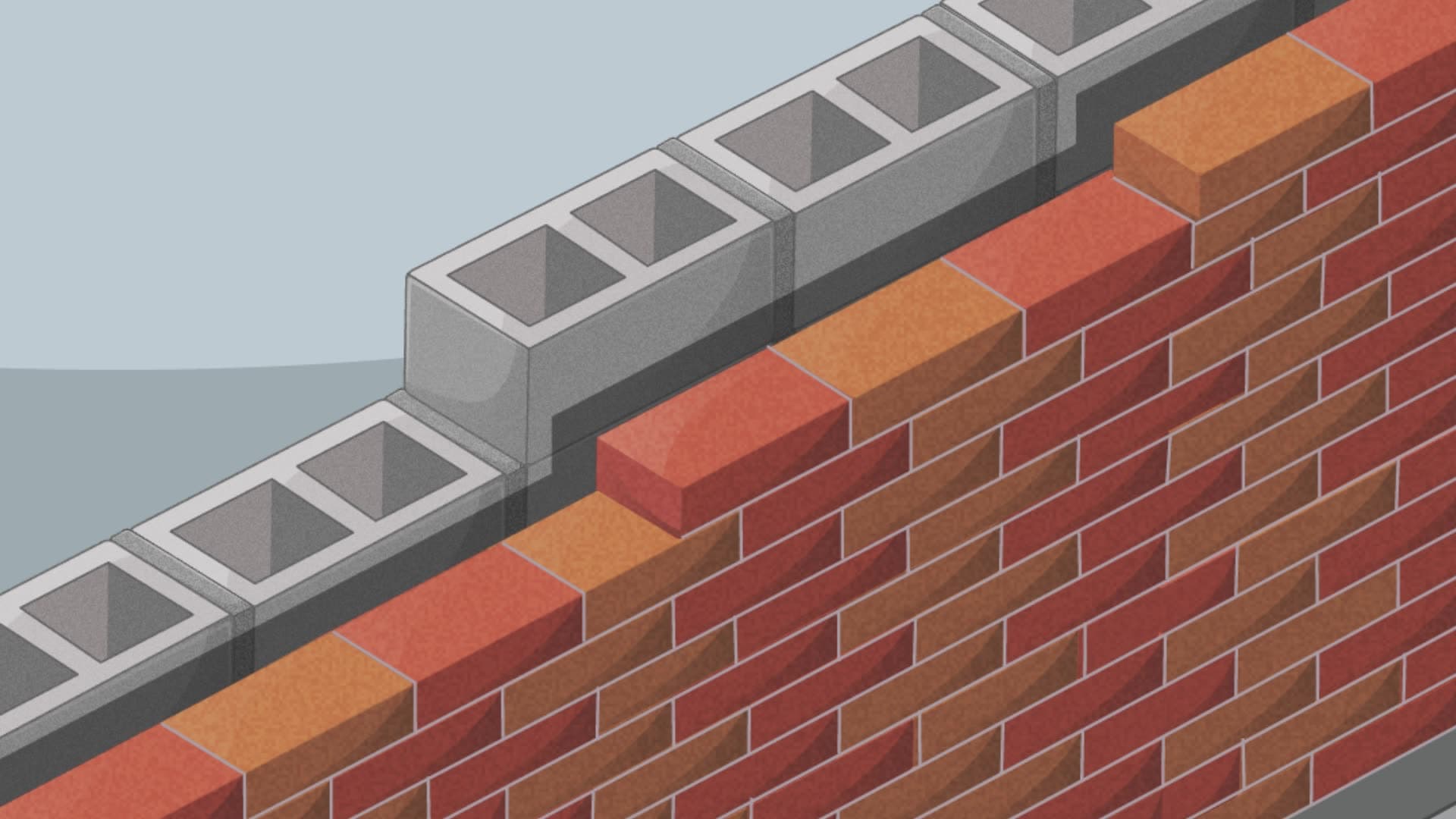
Mortar joints form the backbone of masonry construction, representing far more than simple gaps between building materials. These carefully engineered spaces, filled with a mixture of cement, sand, and water, create the structural matrix that transforms individual bricks into cohesive, load-bearing walls. In the United States construction industry, understanding mortar joints is essential for anyone pursuing careers in architecture, construction management, or civil engineering.
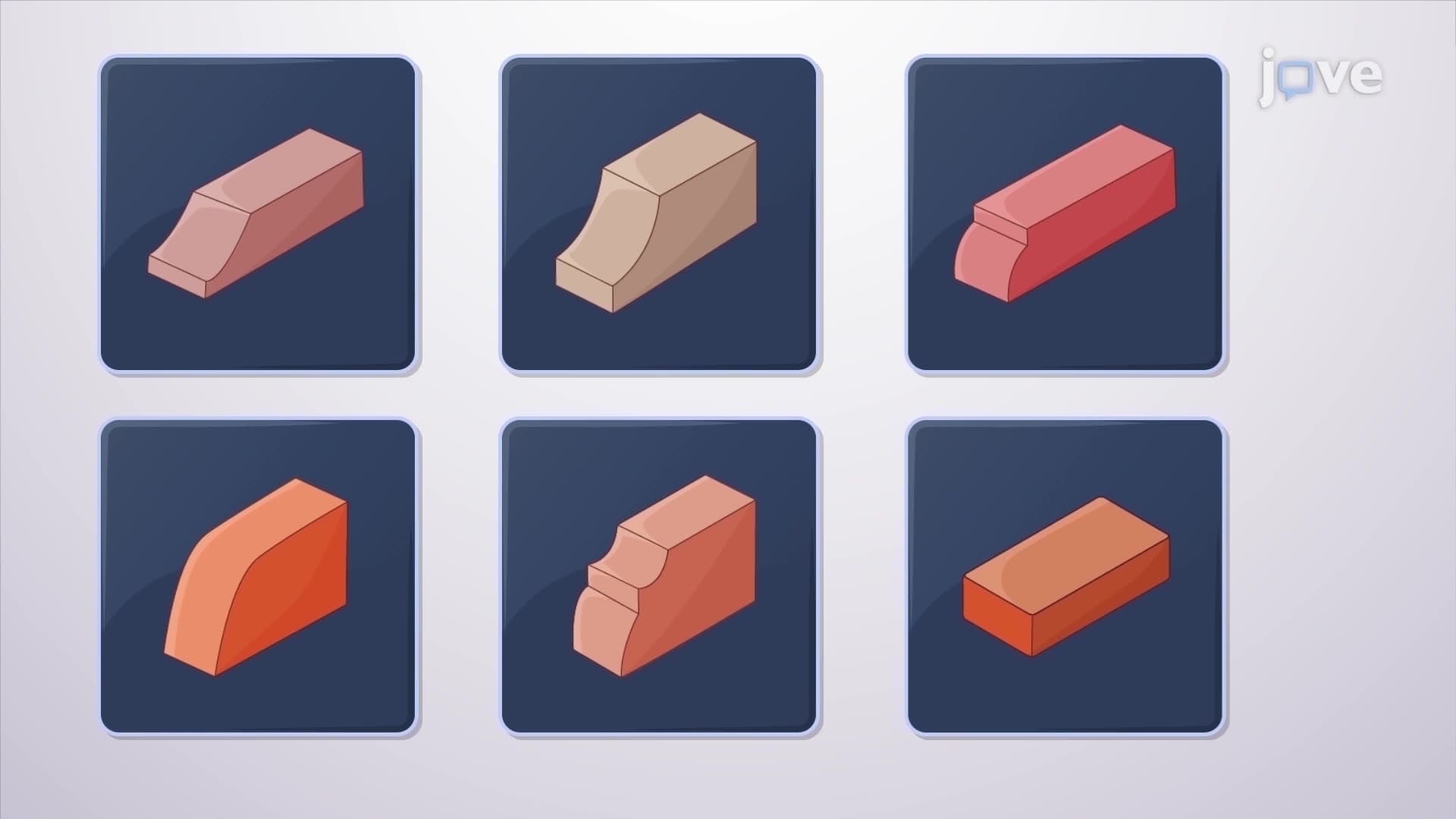
The types of mortar joints extend well beyond basic functionality, each serving specific architectural and structural purposes. Concave and vee joints excel in exterior applications due to their superior water-shedding characteristics-critical for buildings in regions like the Pacific Northwest where heavy rainfall is common. These profiles create natural drainage channels that prevent water accumulation, reducing the risk of freeze-thaw damage that can compromise structural integrity.
Interior applications often utilize raked and stripped joints, which prioritize aesthetic appeal over weather resistance. Flush, ruled, and rodded joints offer versatility for both interior and exterior use, making them popular choices for commercial buildings across diverse climates from Florida's humidity to Colorado's mountain conditions.
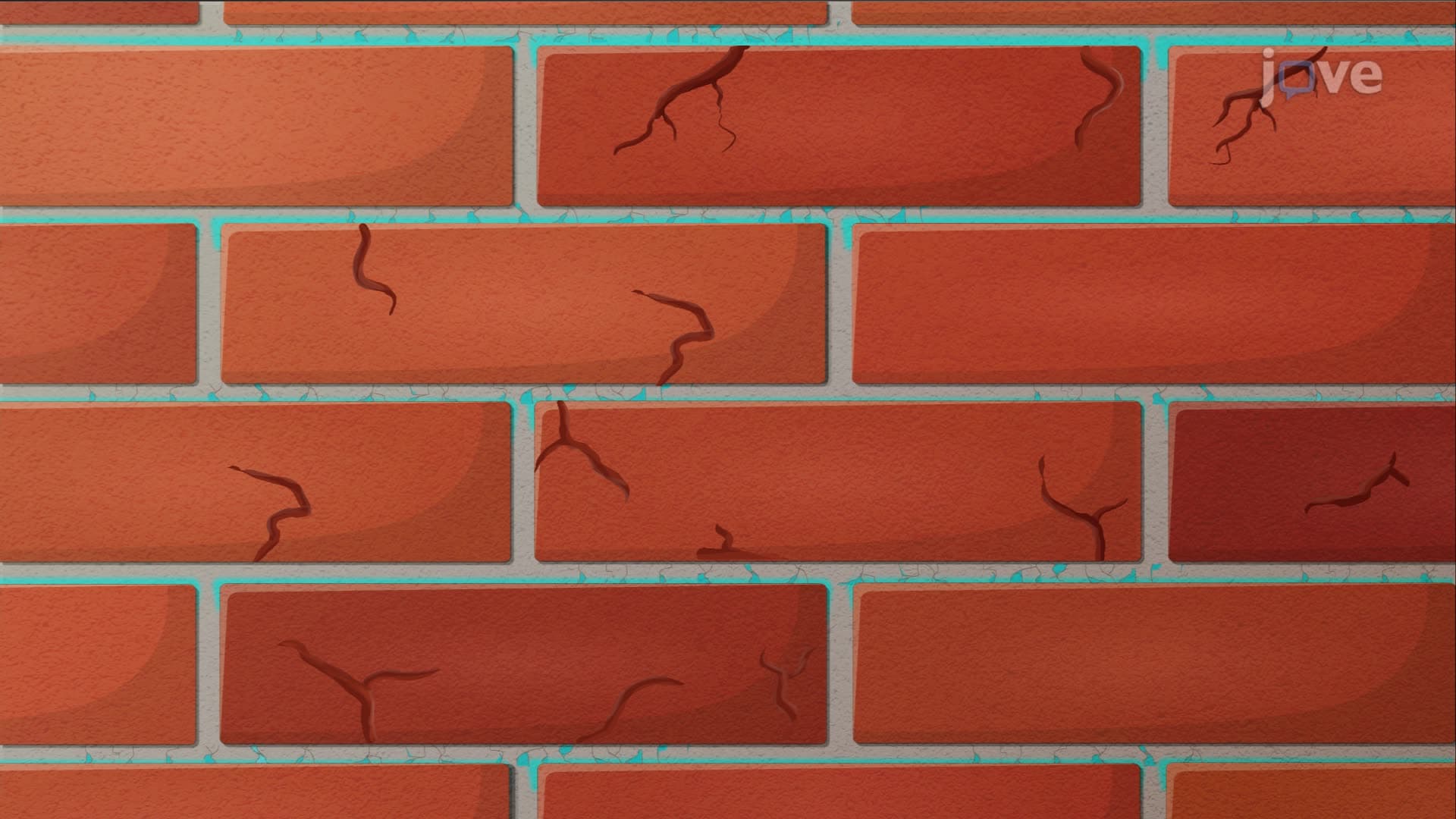
The dimensional specifications of mortar joints directly impact structural performance. Thickness variations ranging from less than a quarter-inch to over half an inch accommodate different load requirements and architectural styles. Thicker joints may be necessary for irregular brick dimensions or when accommodating building movement, while thinner joints often provide cleaner aesthetic lines preferred in modern architectural designs.
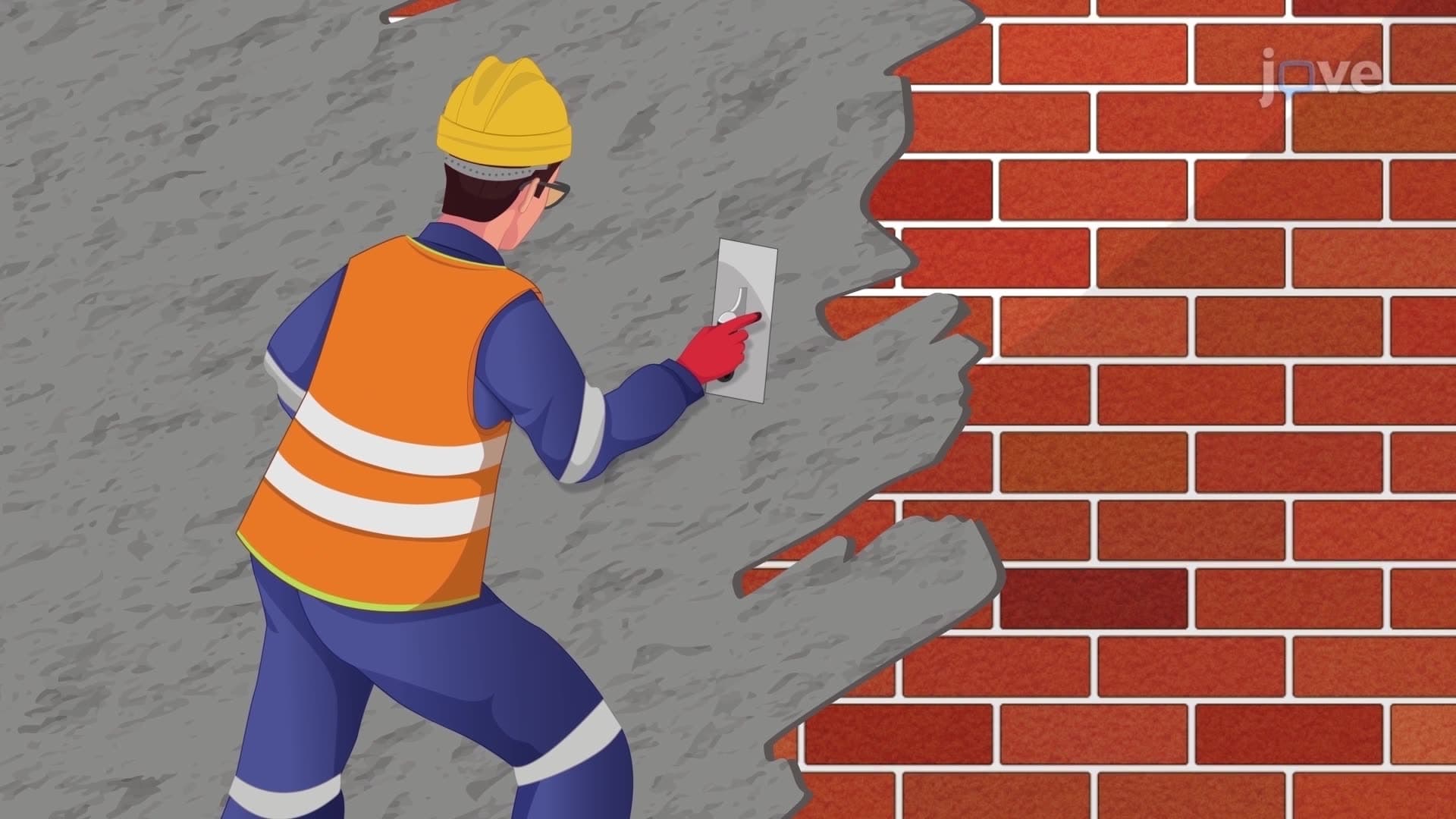
Joint tooling represents a critical phase in masonry construction, performed as mortar begins to harden. This process involves compacting and shaping the mortar to optimize both appearance and weather resistance. Professional masons understand that proper timing is essential-tooling too early can weaken the joint, while waiting too long makes shaping difficult.
The finishing process includes thorough cleaning to remove mortar stains, followed by proper curing procedures. This attention to detail distinguishes professional work and ensures longevity in structures ranging from residential homes to institutional buildings like those found on university campuses such as Harvard or Stanford.
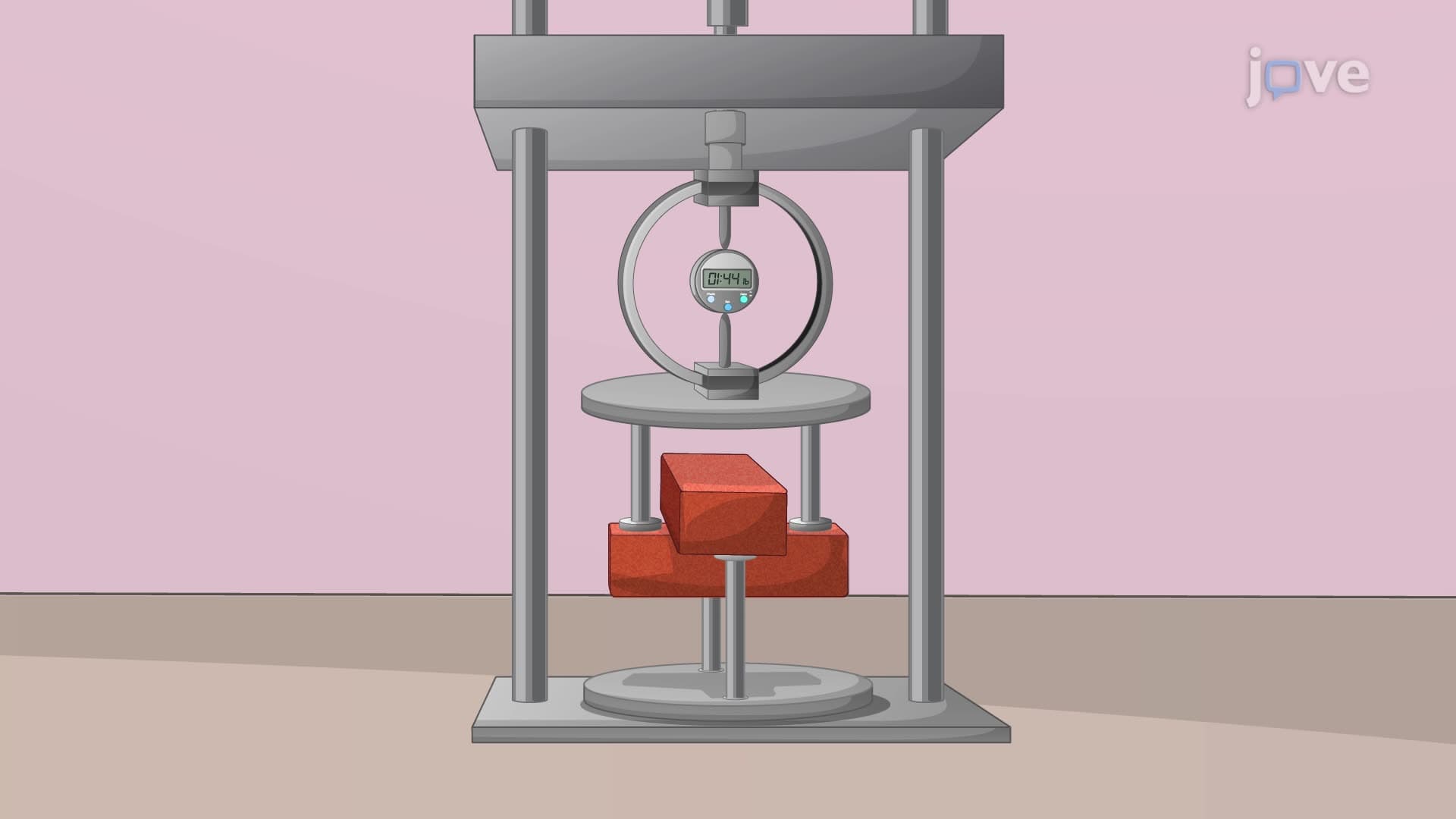
Students preparing for AP Physics or introductory engineering courses will find that understanding mortar joints provides practical context for concepts like material strength, thermal expansion, and structural load distribution.
Related Micro-courses