Loading video…


 21 Concepts
 9K views

Video Summary: What Is Bricks
Did you know that the Empire State Building contains over 10 million bricks, each carefully manufactured to withstand extreme temperatures and weather conditions? Bricks are fundamental masonry units created from fired clay that form the backbone of American construction, from historic Boston brownstones to modern university campuses. These versatile building materials undergo a complex manufacturing process involving clay preparation, molding, drying, and high-temperature firing in kilns reaching up to 2,400°F. Watch the full video on JoVE Coach to master this concept with expert-led visuals and step-by-step explanations.
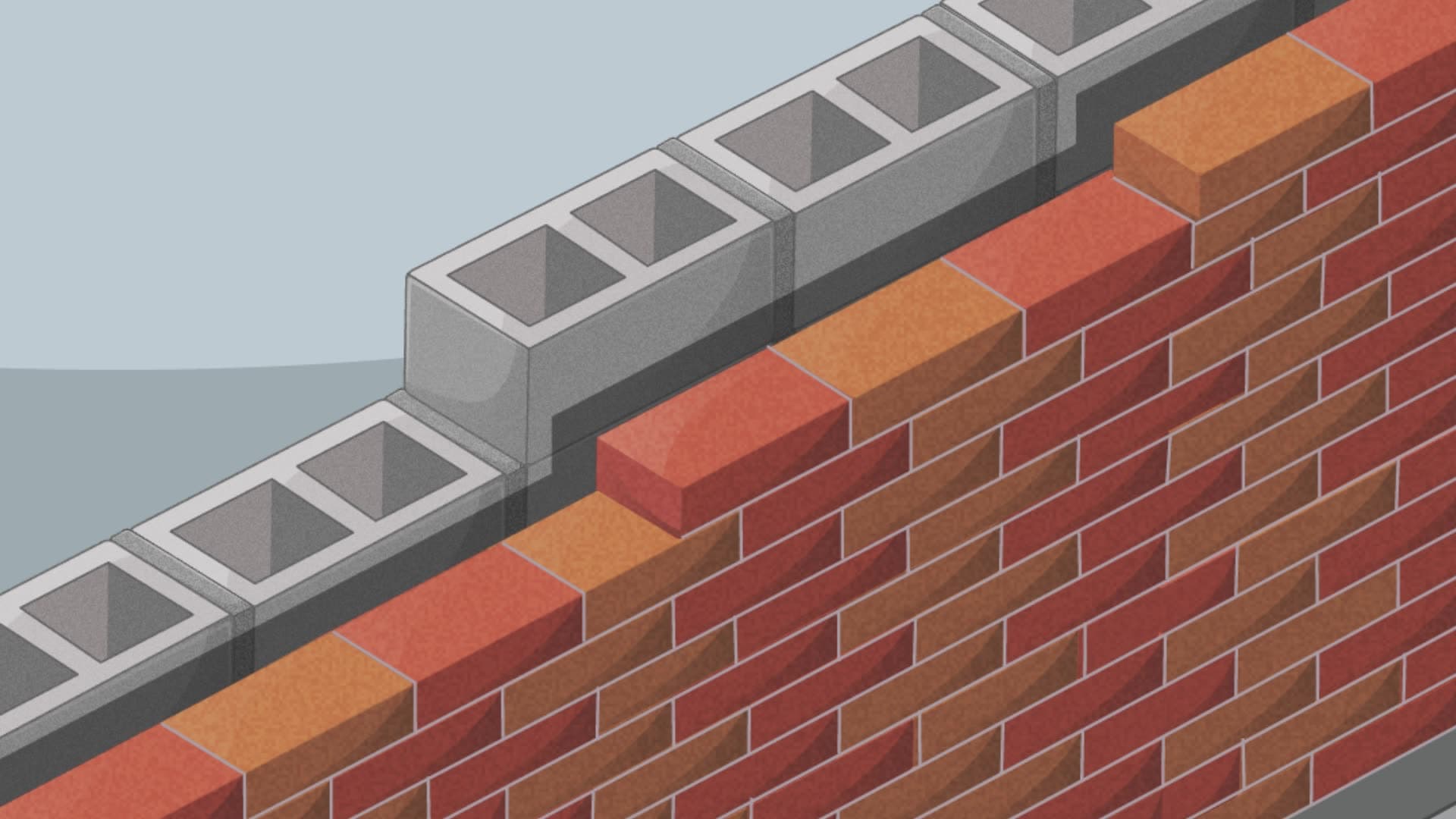
Bricks represent one of humanity's oldest and most reliable building materials, serving as the cornerstone of American architecture from colonial settlements to modern skyscrapers. These fired clay masonry units have evolved from simple hand-molded blocks to precisely engineered construction components that meet stringent building codes and performance standards across the United States.
The manufacturing process begins with careful selection of local clay deposits and shales, which vary significantly across different US regions. For example, Georgia's kaolin-rich clays produce lighter-colored bricks, while Pennsylvania's iron-oxide-heavy clays create the characteristic red bricks seen in Philadelphia's historic districts. The raw materials undergo mechanical processing including crushing to break down large clay chunks, grinding to achieve uniform particle size, and screening to remove impurities and oversized fragments.
This preparation phase is critical for producing consistent brick quality. Students studying materials science or preparing for AP Environmental Science exams should note how geological variations affect regional construction materials. The processed clay is then mixed with precise water quantities to achieve optimal plasticity-too little water creates cracking, while excess water leads to deformation during handling.
Three distinct manufacturing processes dominate American brick production. The soft mud process, historically used for handmade bricks, involves pressing wet clay into wooden molds-a method still employed for specialty architectural applications. The dry-press process utilizes relatively dry clay mixtures compressed under high pressure, producing bricks with sharp edges and uniform dimensions preferred for structural applications.
The stiff mud process, most common in modern industrial production, extrudes clay through specialized dies, creating continuous columns that are wire-cut into individual units. This method allows for efficient mass production while maintaining consistent quality standards required by building codes in states like California and New York.
The transformation from clay to brick occurs in industrial kilns operating between 1,800°F and 2,400°F-temperatures comparable to volcanic environments. This thermal processing, lasting 40-150 hours depending on brick type and intended application, triggers irreversible chemical changes that create the brick's characteristic strength and durability.
Students preparing for college chemistry courses or MCAT exams should understand that higher temperatures cause greater shrinkage and darker coloration due to iron oxide reduction reactions. The controlled cooling phase prevents thermal stress cracking, a phenomenon relevant to materials engineering principles tested in college-level physics and engineering courses.
Related Micro-courses