Loading video…


 21 Concepts
 9K views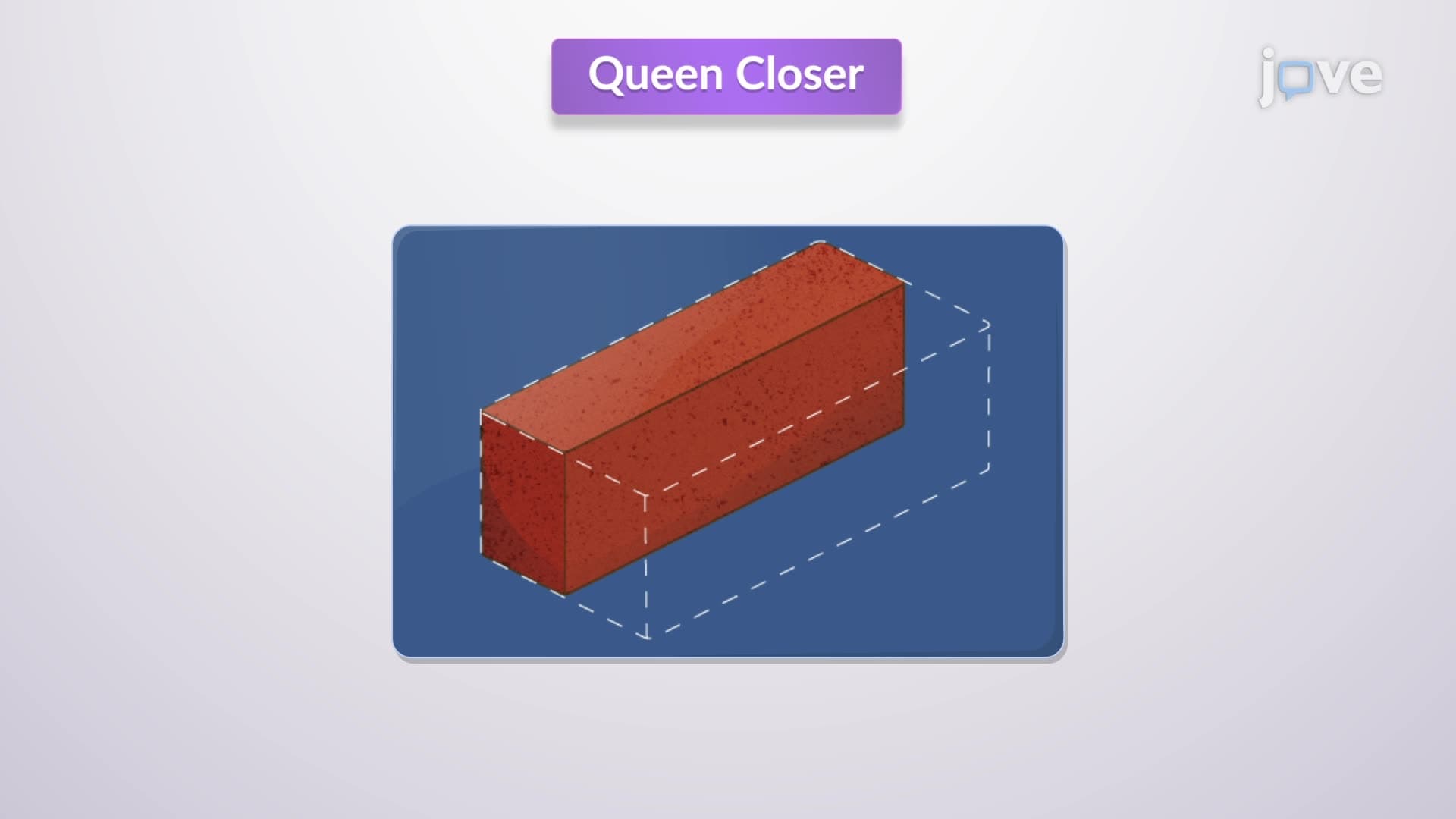

Video Summary: What are Brick Cutting Techniques
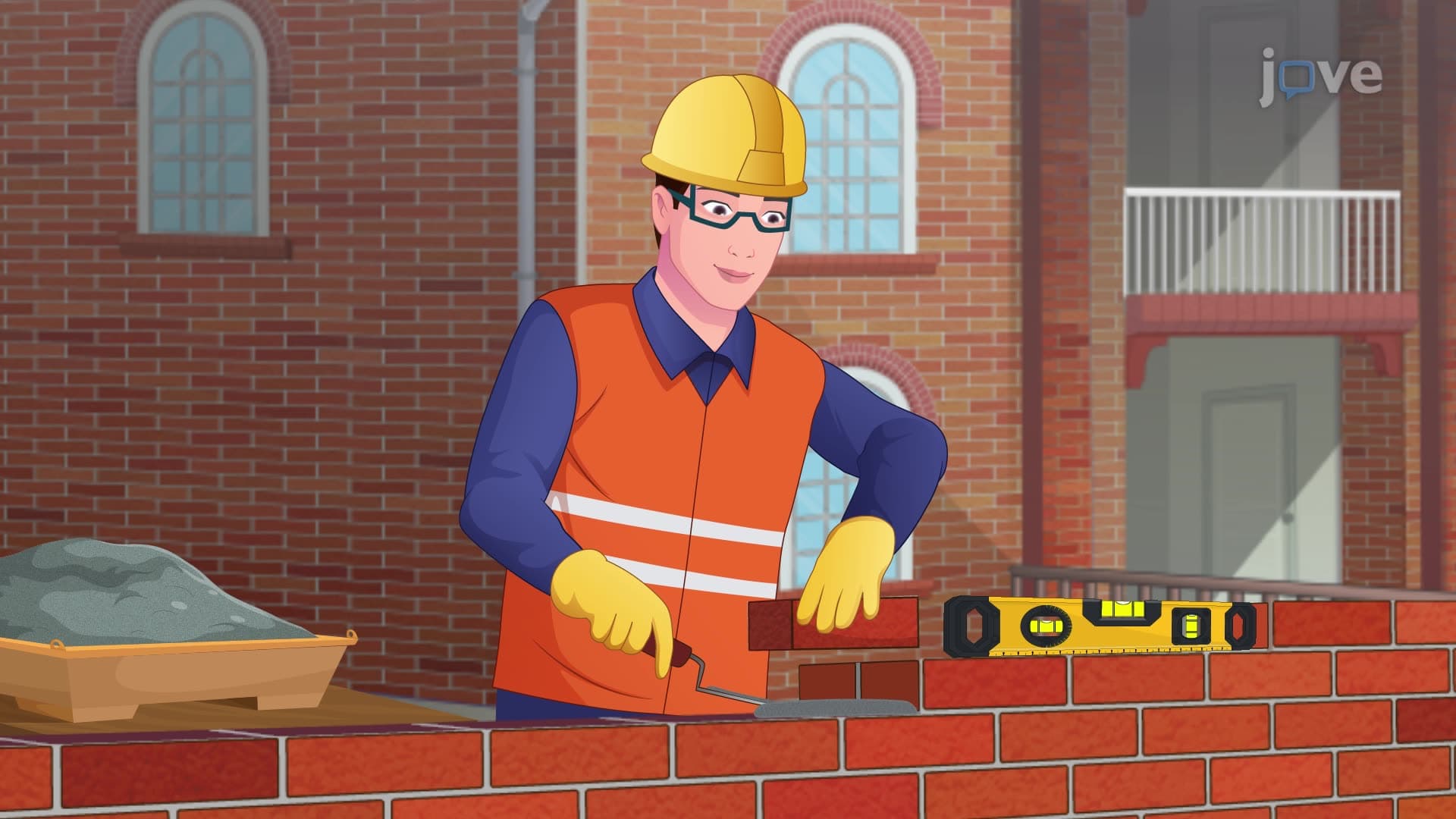
Ever wondered how construction workers create perfectly fitted brick walls in complex architectural designs? Brick cutting techniques are essential masonry skills that allow builders to precisely shape and size bricks for specific construction needs. From residential homes in California to historic restoration projects in Boston, masons use specialized tools like chisel-pointed hammers and diamond-blade saws to create custom brick pieces called "bats" and "closers." These techniques ensure structural integrity while maintaining aesthetic appeal in countless American buildings. Watch the full video on JoVE Coach to master this concept with expert-led visuals and step-by-step explanations.
Brick cutting techniques form the backbone of precision masonry work, enabling construction professionals to create structurally sound and visually appealing buildings across the United States. These specialized methods allow masons to modify standard bricks to fit unique spaces, maintain proper bonding patterns, and achieve architectural specifications that would be impossible with whole bricks alone.
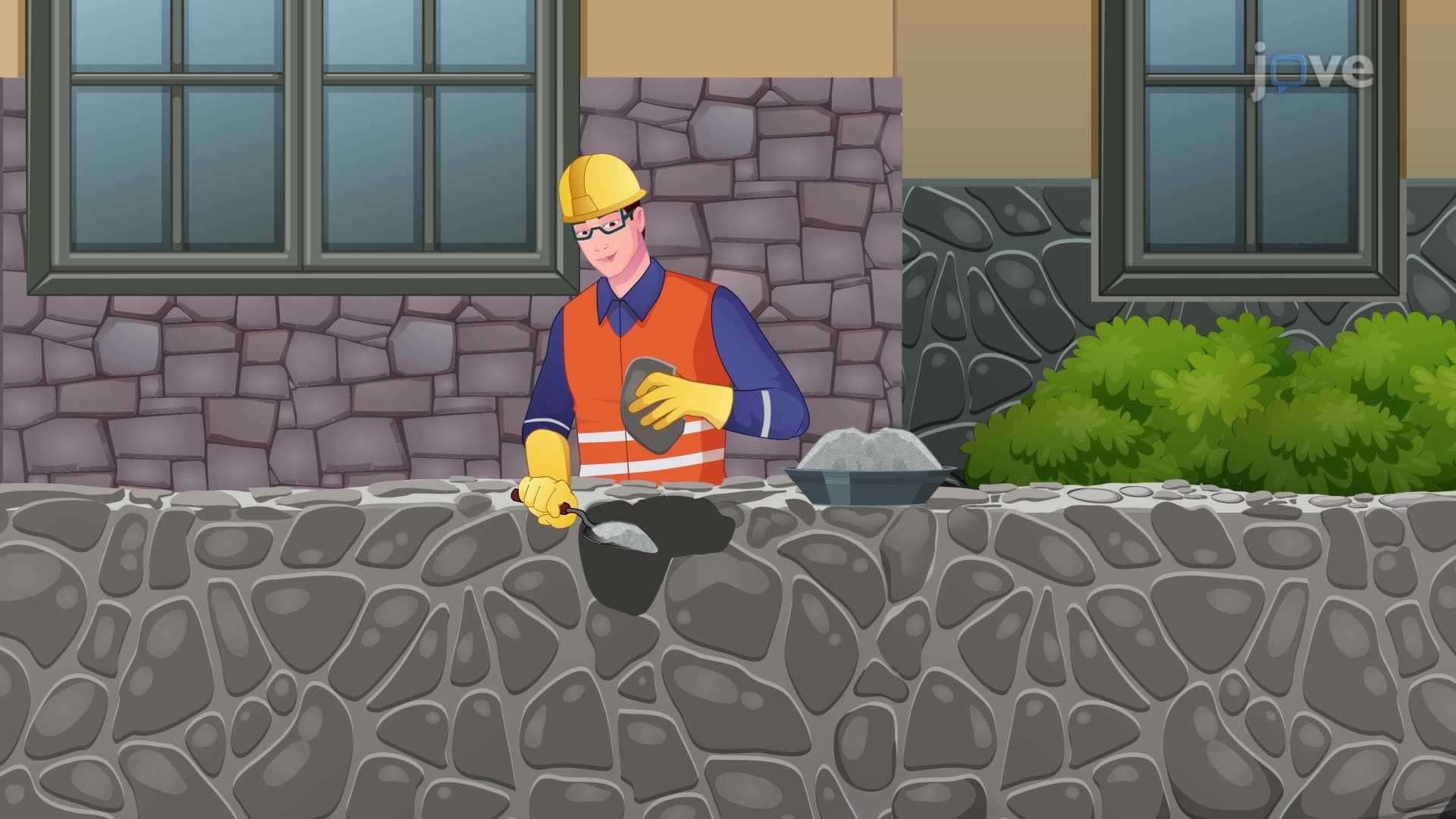
Traditional brick cutting relies on the mason's hammer, featuring a distinctive chisel-pointed end designed for precise material removal. This time-tested approach requires significant skill development, as masons must deliver controlled, well-aimed strikes to achieve clean breaks without damaging the brick's structural integrity. The technique proves particularly valuable when working on historic restoration projects, such as those found in Philadelphia's Independence Hall district, where maintaining authentic construction methods is crucial.
Manual cutting excels in situations requiring moderate precision and when power tools are impractical due to dust concerns, noise restrictions, or limited access to electrical power. Many vocational schools and construction technology programs, including those offered at community colleges throughout Texas and Ohio, emphasize mastering hand-cutting techniques as foundational skills before advancing to power tool operation.
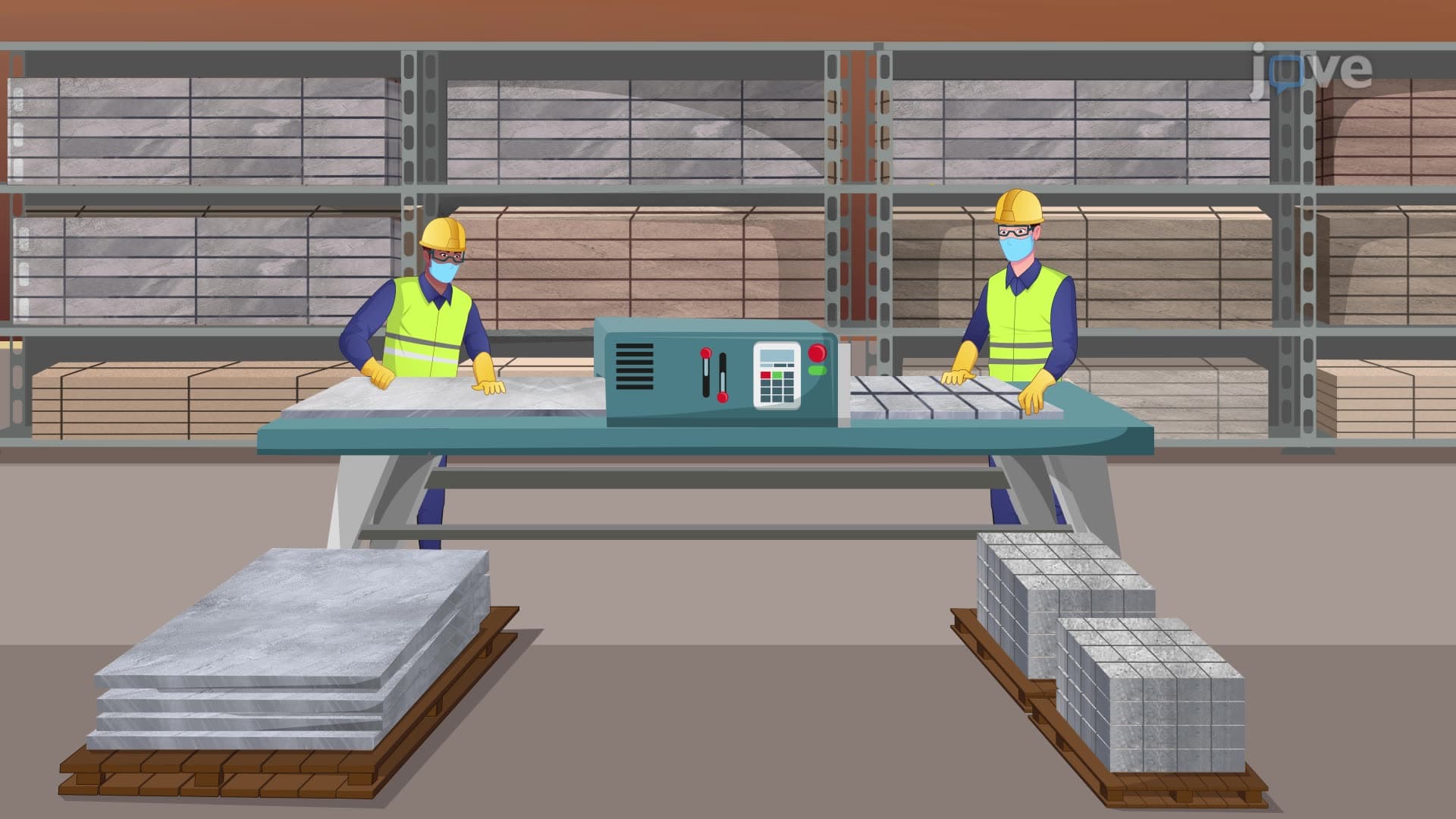
Water-cooled diamond blade saws represent the modern evolution of brick cutting techniques, offering superior precision and efficiency for complex architectural demands. These sophisticated tools utilize industrial-grade diamond particles embedded in the cutting surface, combined with continuous water cooling to prevent overheating and reduce dust production. This technology proves essential for projects requiring intricate shapes, such as curved facades on contemporary buildings in Seattle or detailed restoration work on Art Deco structures in Miami.
The water cooling system serves multiple critical functions: maintaining optimal cutting temperatures, extending blade life, and minimizing airborne silica particles that pose respiratory hazards. Construction management students studying for industry certifications often learn that proper saw operation requires understanding both the mechanical aspects and safety protocols associated with wet-cutting systems.
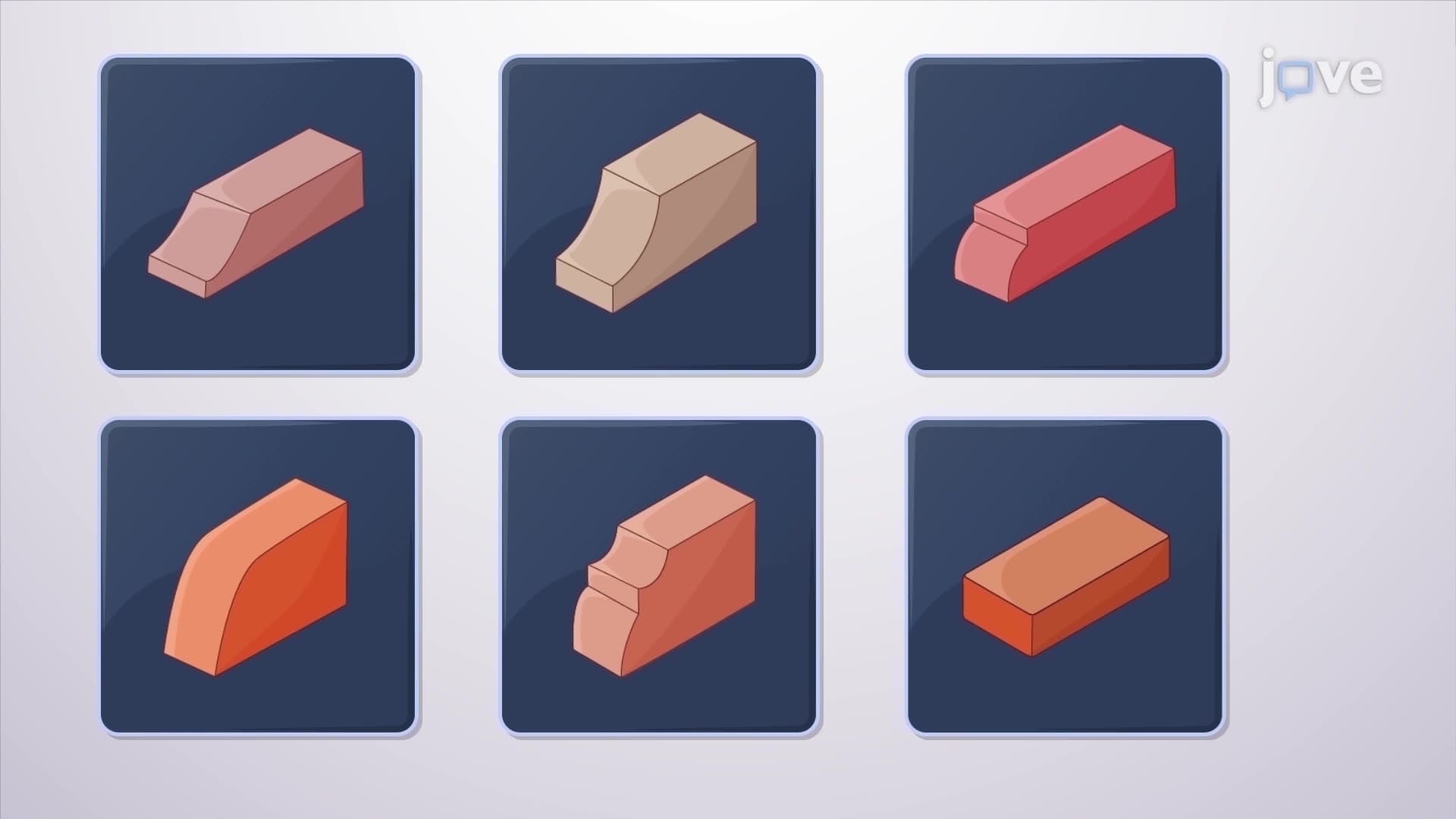
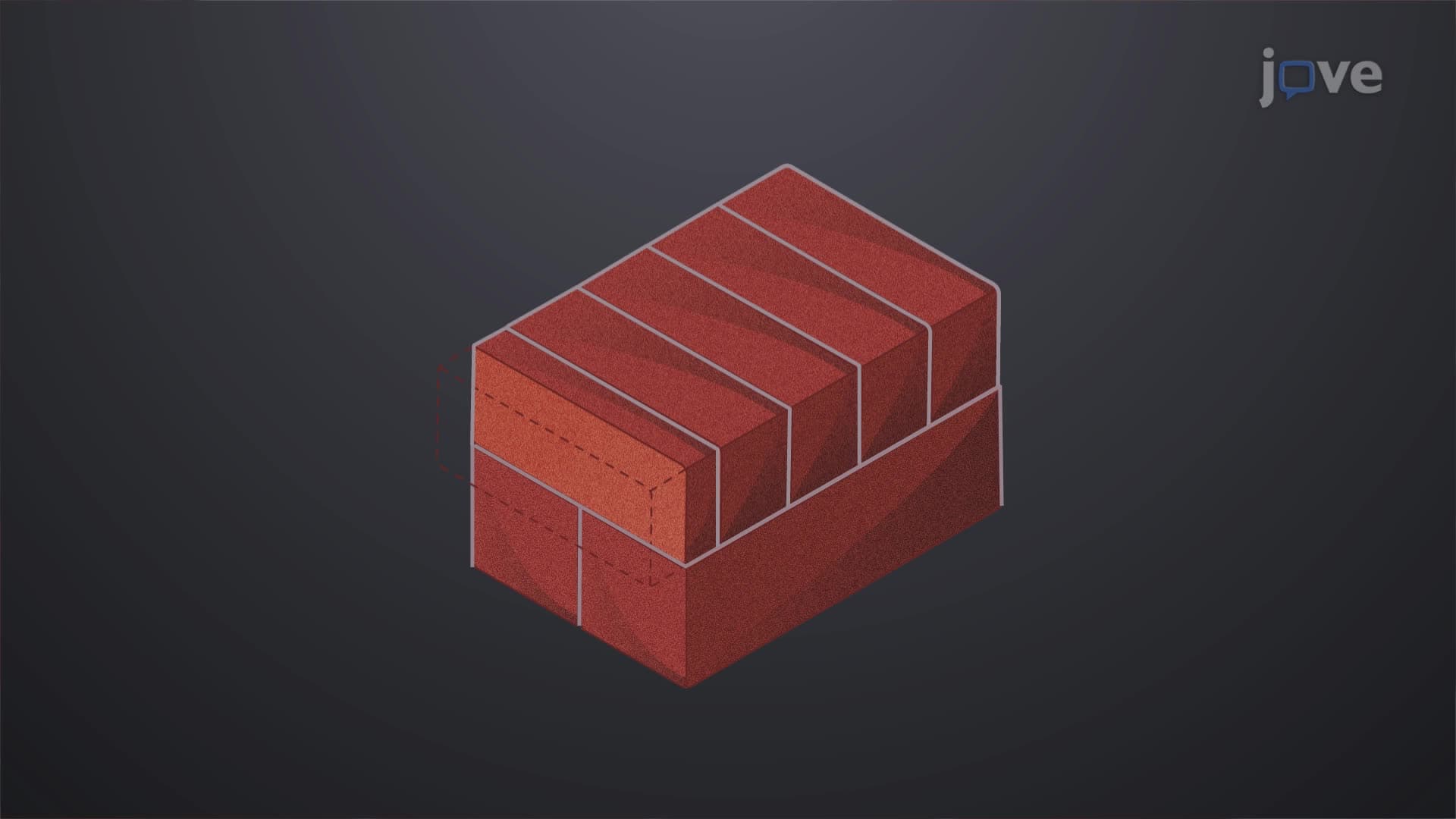
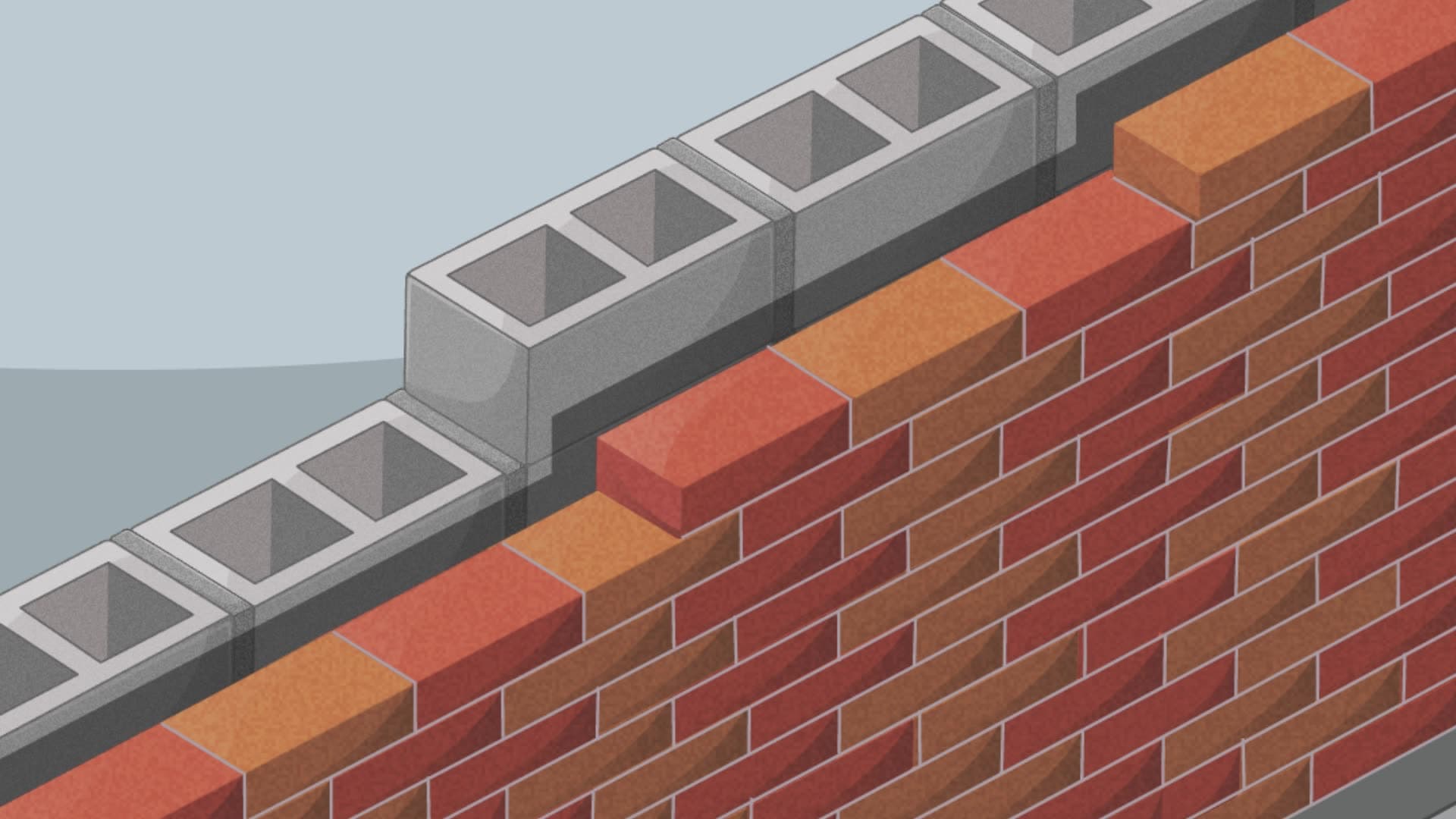
Cut brick terminology reflects centuries of masonry tradition, with specific names indicating precise dimensional relationships. Half-bats, measuring exactly 50% of original length, commonly appear in corner applications and wall terminations. Three-fourth bats, retaining 75% of standard length, frequently serve in maintaining proper bonding patterns when standard bricks would create weak points in the wall structure.
Queen closers and king closers address unique geometric challenges in brick laying. Queen closers maintain full length and thickness while featuring half-width dimensions, making them ideal for corner applications in running bond patterns. King closers, with their distinctive tapered profile, solve complex angular requirements often encountered in bay window construction and decorative architectural features common in Victorian-era buildings throughout San Francisco and Boston.
Students preparing for construction technology assessments or AP Physics examinations often encounter questions about how these cutting techniques affect load distribution and structural stability in masonry systems.
Related Micro-courses