Loading subject page…

- Civil Engineering
- Masonry Materials
- Structural Steel Products
Micro-course: Masonry Materials
8,959 views
Learn key concepts and earn your certificate.




Structural Steel Products

00:00
01:24
Video Summary: What Is Structural Steel Products
Every skyscraper in Manhattan, from the Empire State Building to One World Trade Center, relies on structural steel products to stand tall against wind and gravity. These engineered materials form the backbone of modern construction, manufactured through precise rolling and welding processes that transform raw steel into beams, columns, and specialized shapes. The Golden Gate Bridge's iconic towers showcase how structural steel products combine strength with flexibility to create architectural marvels. Watch the full video on JoVE Coach to master this concept with expert-led visuals and step-by-step explanations.
- Understand what structural steel products are and how they're manufactured through rolling and welding processes in structural mills
- Identify different types of structural shapes including beams, columns, channels, angles, and hollow sections using standard nomenclature systems
- Analyze the manufacturing process from beam blanks through roller adjustment, hot sawing, cooling, and straightening procedures
- Compare hot-rolling methods for standard sections versus welding techniques used for heavier structural components
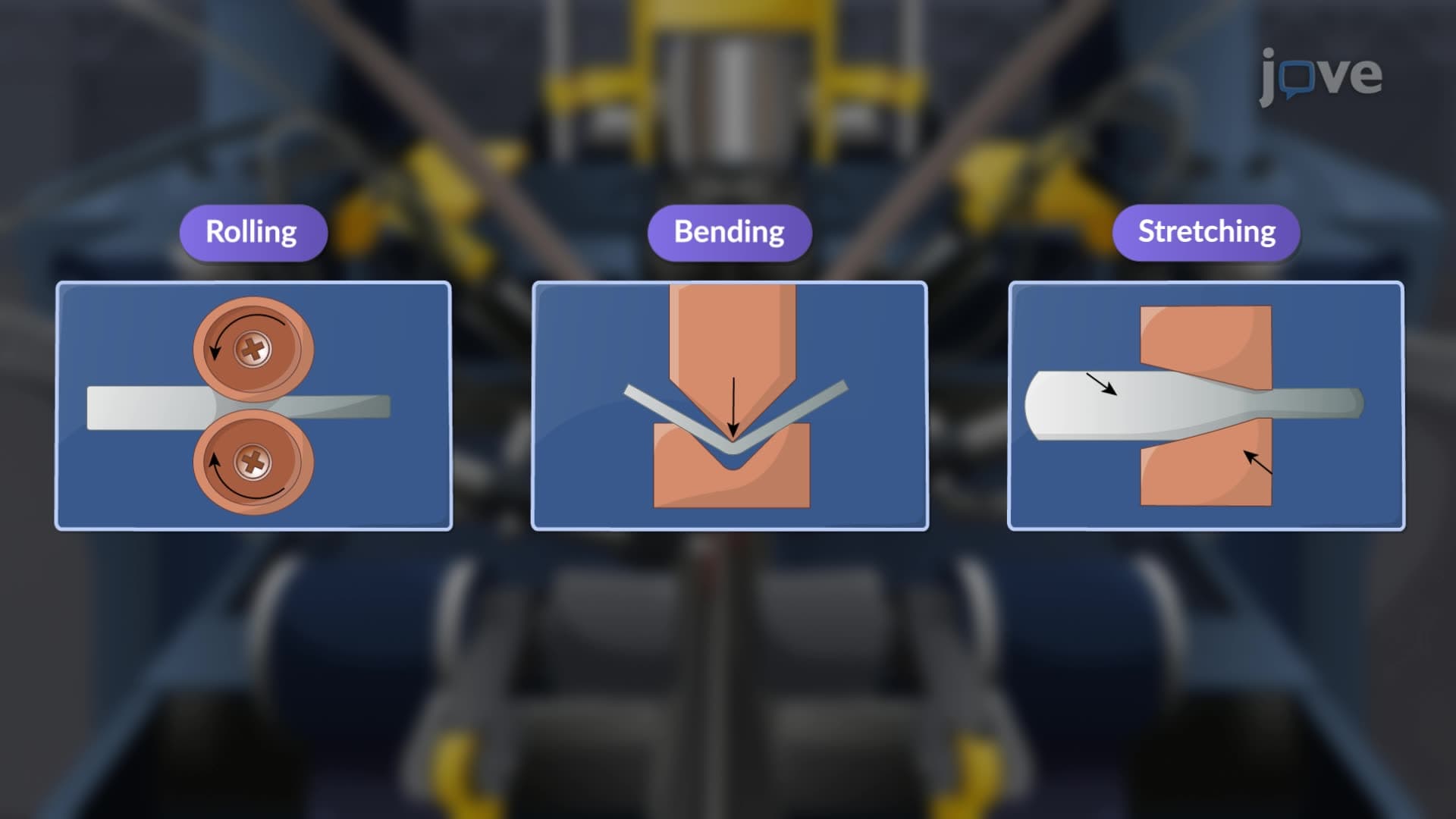
- Evaluate the role of cold-working processes in modifying structural steel members through rolling, bending, and stretching
- Apply knowledge of structural steel designation systems that use letters for shapes and numbers for dimensions and weights
- Recognize the difference between lightweight C-sections formed from thin sheets and heavier hollow shapes from thicker materials
- Explore how structural steel products provide the foundation for modern construction and infrastructure projects
Understanding Structural Steel Products Manufacturing
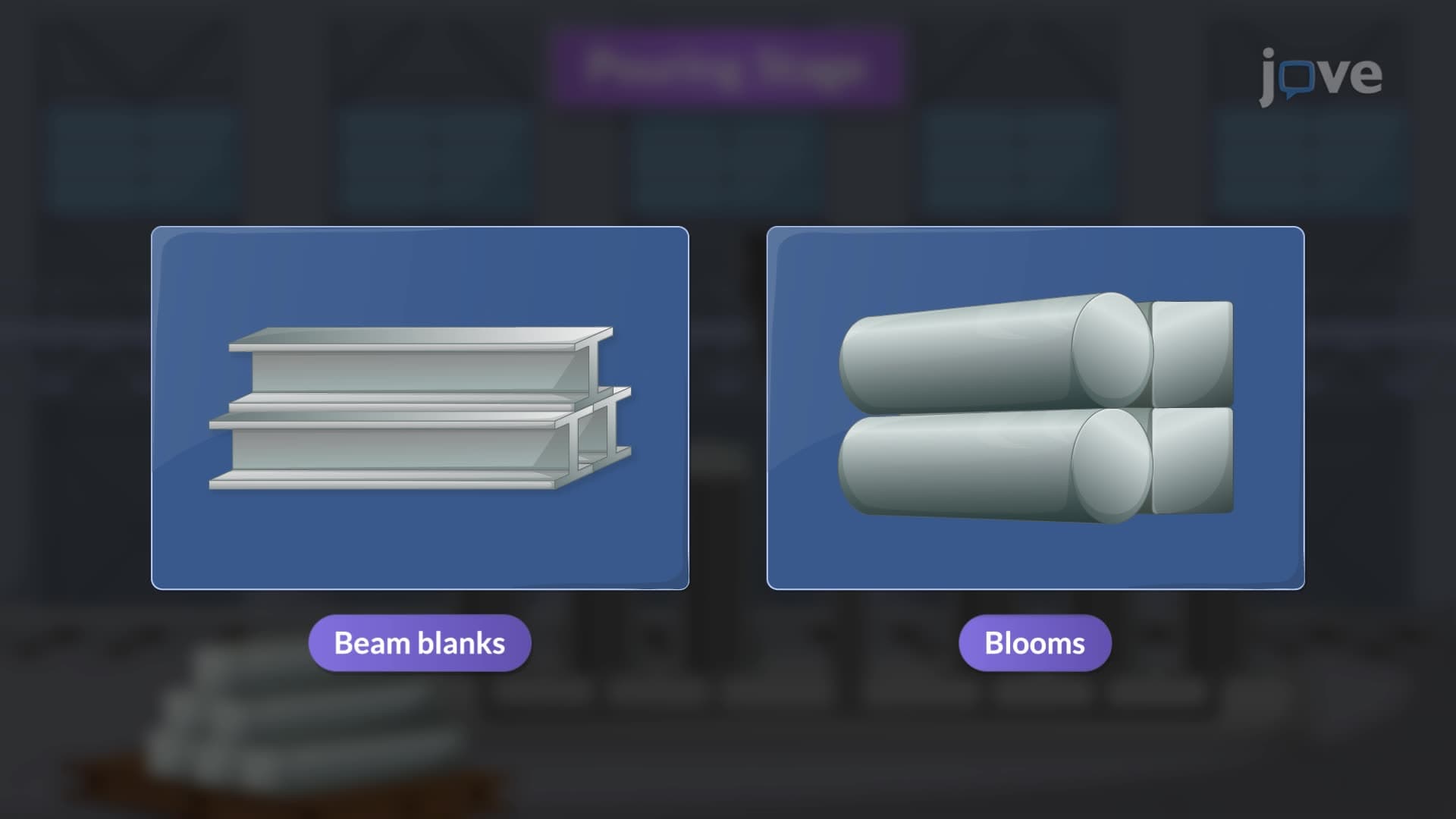
Structural steel products represent the engineered backbone of American infrastructure, from the Willis Tower in Chicago to highway overpasses spanning the Interstate system. These products begin their journey in structural mills, where beam blanks undergo reheating and precise shaping through roller systems. The manufacturing process demonstrates remarkable engineering precision-by adjusting roller spacings, mills can produce entire families of related structural sections, each optimized for specific load-bearing requirements.
Hot-Rolling and Continuous Production Methods
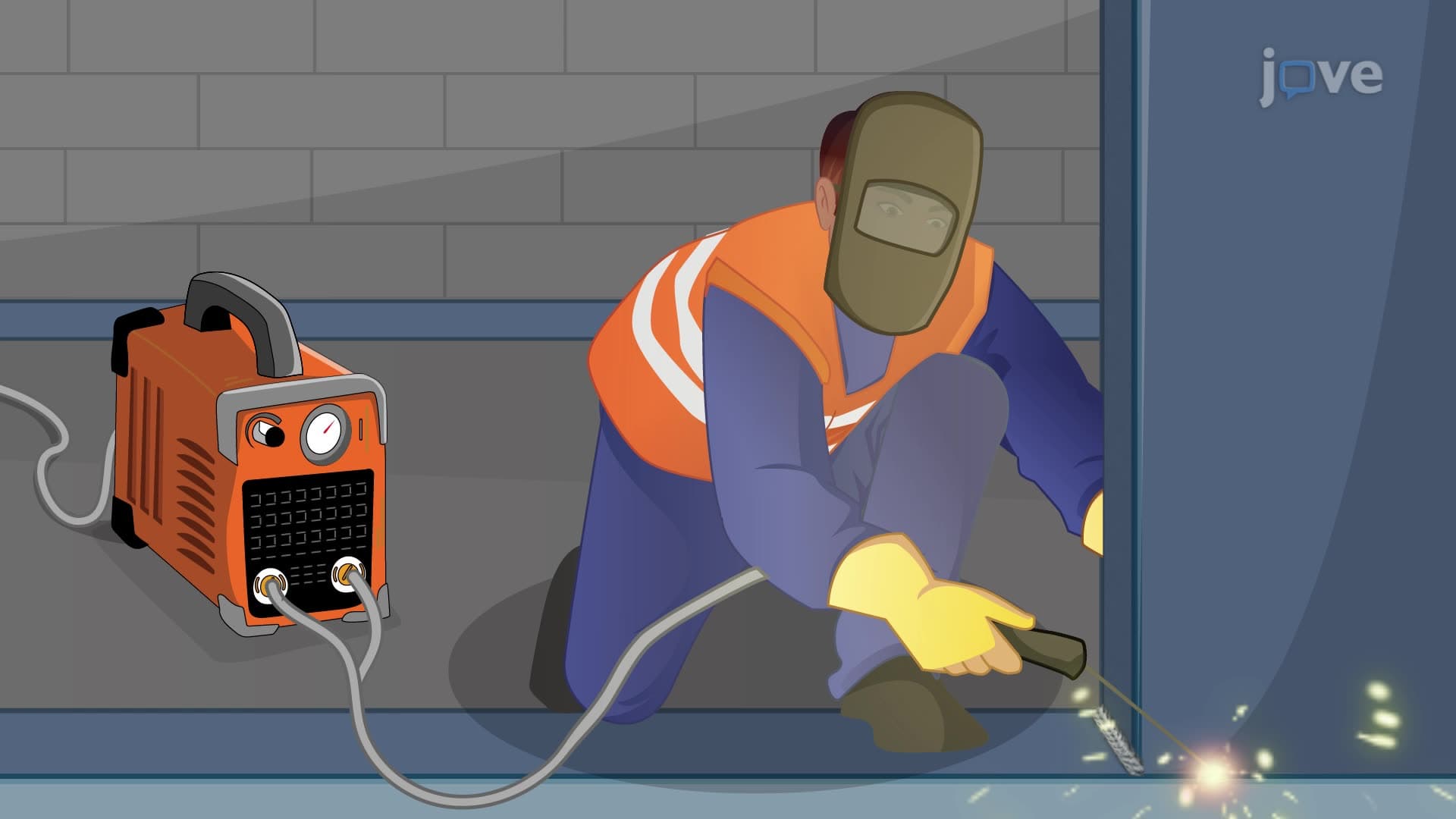
The heart of structural steel production lies in the continuous rolling process. After passing through the final set of rollers, steel emerges as continuous lengths that hot saws segment into standardized pieces. This method efficiently produces common shapes like I-beams and wide-flange sections. However, the heaviest structural members require a different approach-welding together separate flange and web plates creates stronger, more massive components capable of supporting structures like the supports for the Brooklyn Bridge or modern stadium roofs.
Standard Nomenclature and Classification Systems
Structural steel products definition includes a sophisticated naming system that engineers and architects use nationwide. Standard nomenclature employs letters to indicate shape (W for wide-flange beams, C for channels, L for angles) followed by numbers representing nominal depth and weight per foot. For example, a W12×50 designates a wide-flange beam with 12-inch nominal depth weighing 50 pounds per linear foot. This system ensures consistency across projects, whether you're studying for the AP Physics exam or preparing for college-level structural engineering courses.
Cold-Working and Specialized Applications
Beyond hot-rolling, understanding structural steel products requires knowledge of cold-working processes. At room temperature, steel can be rolled, bent, or stretched to modify member shapes for specific applications. Thin steel sheets transform into lightweight C-sections commonly used in residential framing, while thicker materials form hollow rectangular and circular sections through cold-forming and longitudinal seam welding. These processes enable the versatility seen in everything from warehouse construction to architectural features in modern office buildings.
Students preparing for engineering courses or AP Physics exams should recognize how these manufacturing processes directly relate to material properties and structural behavior covered in mechanics units.
Frequently Asked Questions
Structural steel products are engineered steel components manufactured into specific shapes like beams, columns, and channels that form the skeleton of buildings and infrastructure. They're crucial because they provide exceptional strength-to-weight ratios, allowing structures like the Empire State Building to reach great heights while maintaining structural integrity. These products undergo precise manufacturing processes to meet strict engineering standards for safety and performance.
AP Physics C: Mechanics often includes problems involving beam deflection, stress analysis, and load distribution using structural steel components. College engineering courses feature detailed calculations of moment of inertia for various steel cross-sections and analysis of structural connections. Students might encounter problems calculating maximum loads for W-beams or determining appropriate steel grades for specific applications.
The FE exam includes structural analysis problems requiring knowledge of steel section properties, allowable stresses, and connection design. Test-takers must identify appropriate structural steel products for given loading conditions and calculate deflections or stress concentrations. Understanding standard nomenclature and section properties from steel manuals is essential for these engineering licensure questions.
The Golden Gate Bridge exemplifies structural steel products in action, using massive built-up sections for the main towers and cables. The bridge's deck structure employs standard rolled shapes including I-beams and channels, while the towers required custom-welded plate girders due to their enormous size. This project demonstrates how different manufacturing methods serve various structural requirements within a single landmark project.
Not at all-structural steel concepts build naturally from basic physics principles you already know about forces, materials, and structures. The manufacturing processes are logical and visual, making them easier to understand than abstract physics concepts. Starting with simple beam identification and standard nomenclature provides a solid foundation for more advanced structural analysis in college courses.
Focus on memorizing standard nomenclature systems and practicing section property calculations using steel manual tables. Create flashcards for common shapes (W, C, L sections) and their typical applications in construction. Work through problems involving load calculations and beam selection, as these frequently appear on both AP Physics and college-level structural engineering exams.
Structural steel knowledge links directly to materials science (studying steel properties and heat treatment), mechanics of materials (stress and strain analysis), and structural design principles. This foundation prepares you for advanced topics like seismic design, composite construction, and sustainable building practices that dominate modern engineering curricula and professional practice.
Related Micro-courses