Loading subject page…


8,959 views

Video Summary: Manufacture of Concrete Masonry Units Explained
Did you know that every concrete block used in US construction, from school buildings to residential foundations, starts as a precisely engineered mixture that must cure under extreme conditions? The manufacture of concrete masonry units involves a sophisticated process of molding stiff concrete mixtures, followed by controlled curing in steam kilns or autoclaves to achieve optimal strength. This industrial process produces the standardized blocks essential for modern American construction projects. Watch the full video on JoVE Coach to master this concept with expert-led visuals and step-by-step explanations.
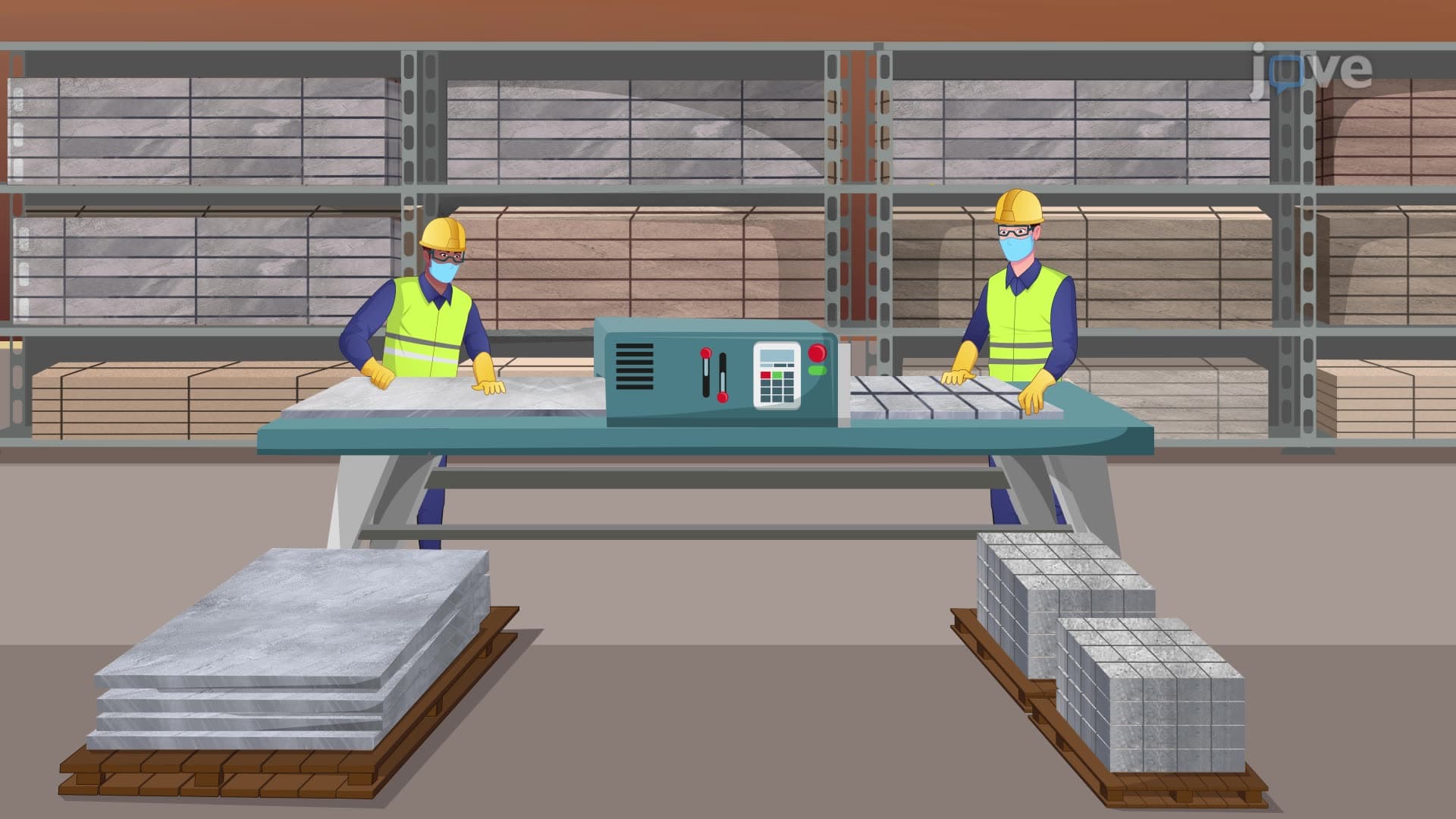
The manufacture of concrete masonry units represents a critical industrial process that transforms raw materials into the building blocks of American infrastructure. Unlike simple concrete pouring, this manufacturing process requires precise control of material ratios, molding techniques, and curing conditions to produce standardized units that meet rigorous engineering specifications.
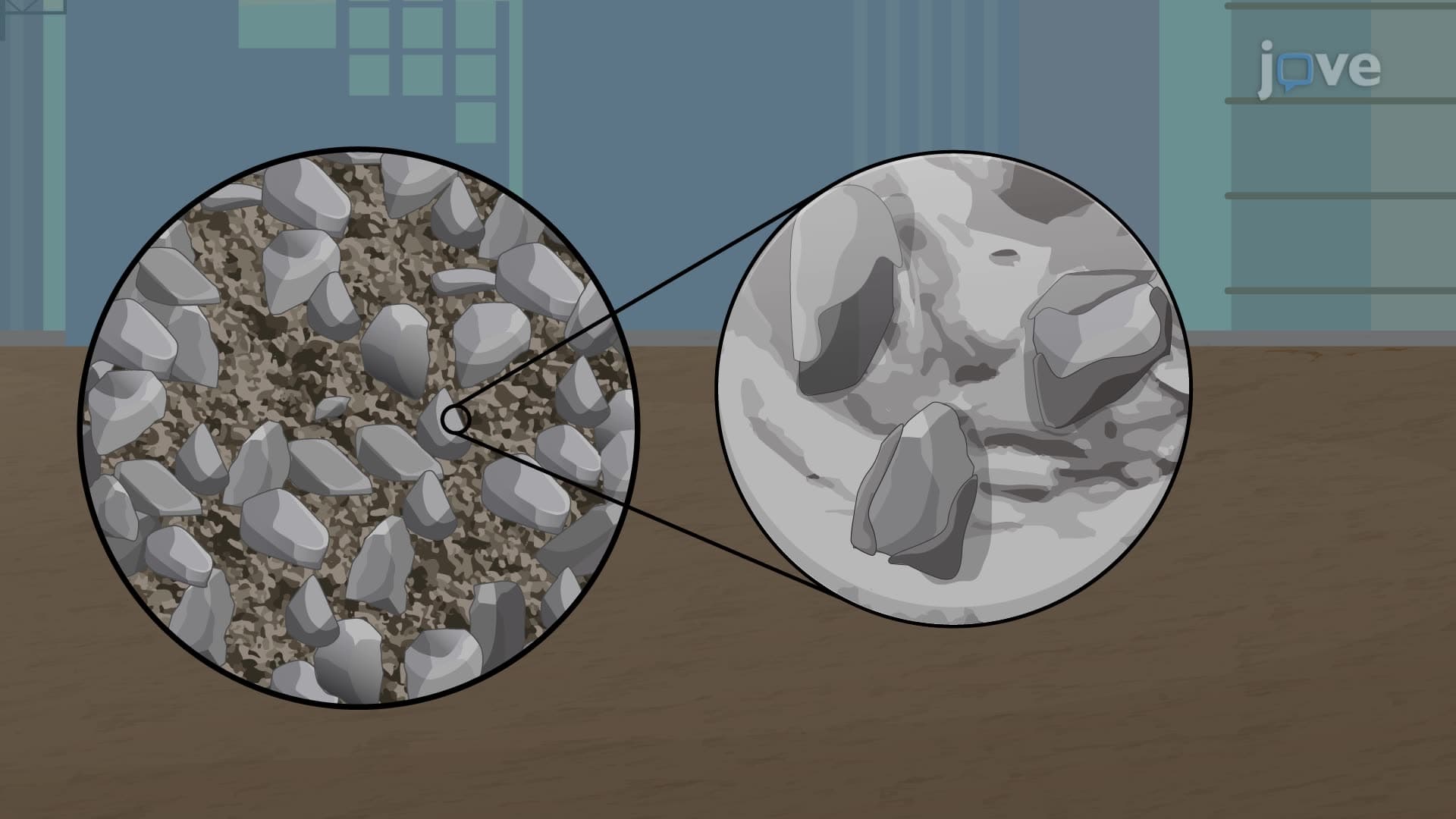
The foundation of concrete masonry unit production begins with carefully proportioned mixtures of Portland cement, various aggregates (including sand, gravel, and lightweight materials), and water. The concrete mixture used in manufacturing differs significantly from typical ready-mix concrete-it maintains a much stiffer consistency to ensure the blocks retain their shape immediately after demolding. This stiff mixture is essential because unlike cast-in-place concrete, these units must support their own weight within minutes of formation.
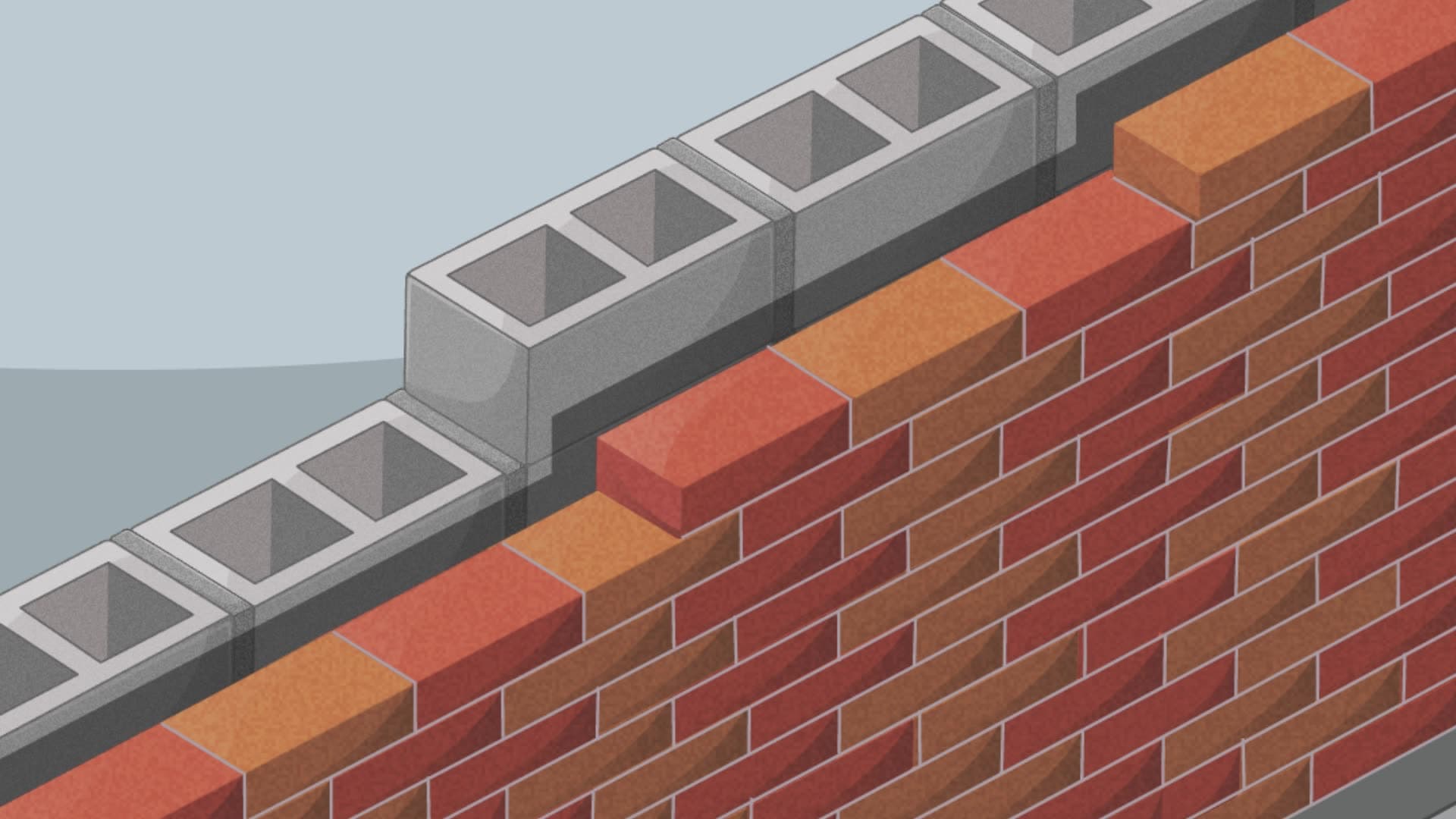
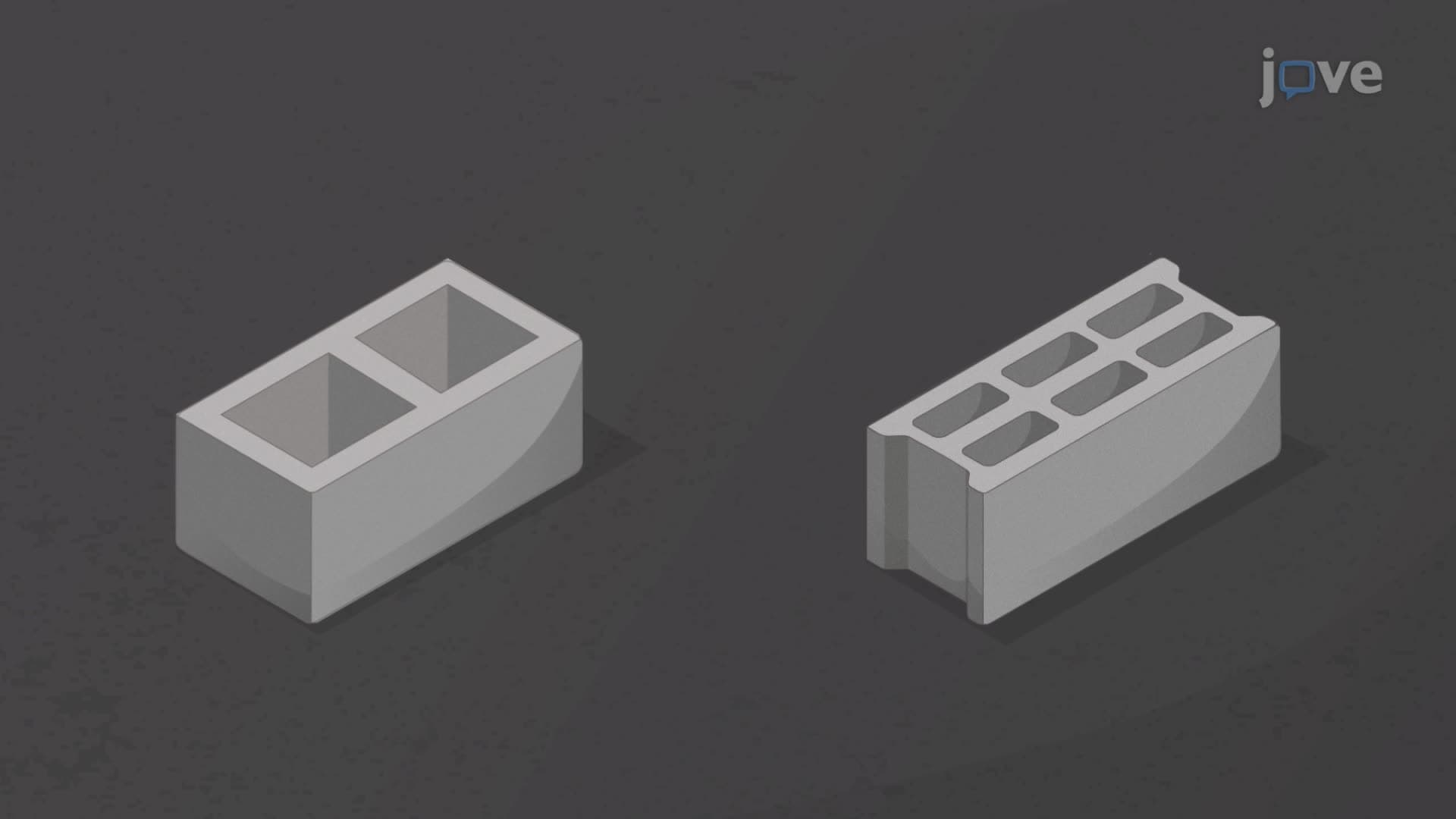
The molding process utilizes precision metal forms that account for the complex geometry of modern concrete blocks, including hollow cores and various architectural features. Vibration serves a dual purpose: eliminating air voids that could compromise structural integrity and ensuring complete filling of the mold cavity. This vibration process is particularly critical for hollow blocks, where consistent wall thickness directly impacts load-bearing capacity. Students studying for AP Physics or college-level materials science courses should note how vibration affects particle packing and final density.
After demolding, concrete masonry units undergo one of two primary curing processes. Steam curing occurs in controlled kilns where temperature and humidity accelerate the hydration process, typically completing in 12-24 hours. Autoclave curing subjects blocks to high-pressure steam environments, creating unique chemical reactions that enhance strength and reduce shrinkage. This process mirrors principles studied in AP Chemistry regarding reaction kinetics and Le Chatelier's principle. US construction projects, such as those following ASTM C90 standards, rely on these controlled curing processes to ensure consistent performance across different environmental conditions.
The dimensional standards for concrete masonry units reflect practical construction requirements. While nominal dimensions list blocks as 8×8×16 inches, actual measurements account for standard 3/8-inch mortar joints, demonstrating how manufacturing processes integrate with field construction practices used throughout American building projects.
Related Micro-courses