Loading subject page…


8,959 views

Video Summary: What Is Quarrying of Stone
Did you know that the granite countertops in millions of American kitchens began as massive stone blocks extracted from quarries using precision techniques that can topple 50-foot stone giants? Quarrying of stone involves the controlled extraction of natural stone from bedrock using methods like diamond cutting, controlled explosions, and thermal fracturing. From Vermont's marble quarries that supplied the Lincoln Memorial to Georgia's granite operations, these techniques transform raw bedrock into construction materials. Watch the full video on JoVE Coach to master this concept with expert-led visuals and step-by-step explanations.
Quarrying of stone represents a sophisticated engineering process that transforms natural rock formations into usable construction materials. Unlike mining, which typically involves extracting materials from underground tunnels, quarrying operates primarily through open-pit extraction from surface bedrock or shallow subsurface deposits. This distinction is crucial for students preparing for AP Environmental Science or college geology courses, where understanding extraction methods impacts discussions of land use and resource management.
Modern quarrying employs diamond belt saws capable of cutting through extremely hard materials with remarkable precision. These industrial-grade cutting systems can separate massive stone blocks-often measuring 50 feet in length and 12 feet in height-from the parent bedrock. The process begins with vertical cuts that define the block's perimeter, followed by strategic drilling at the base. The innovative use of inflatable rubber airbags within these cuts allows operators to control the block's fall direction, ensuring it topples onto protective stone chip cushioning rather than shattering against hard surfaces.
This controlled toppling technique exemplifies the engineering principles frequently tested in materials science courses and civil engineering programs. Students studying for the Fundamentals of Engineering (FE) exam should understand how these methods minimize material waste while maximizing block integrity.
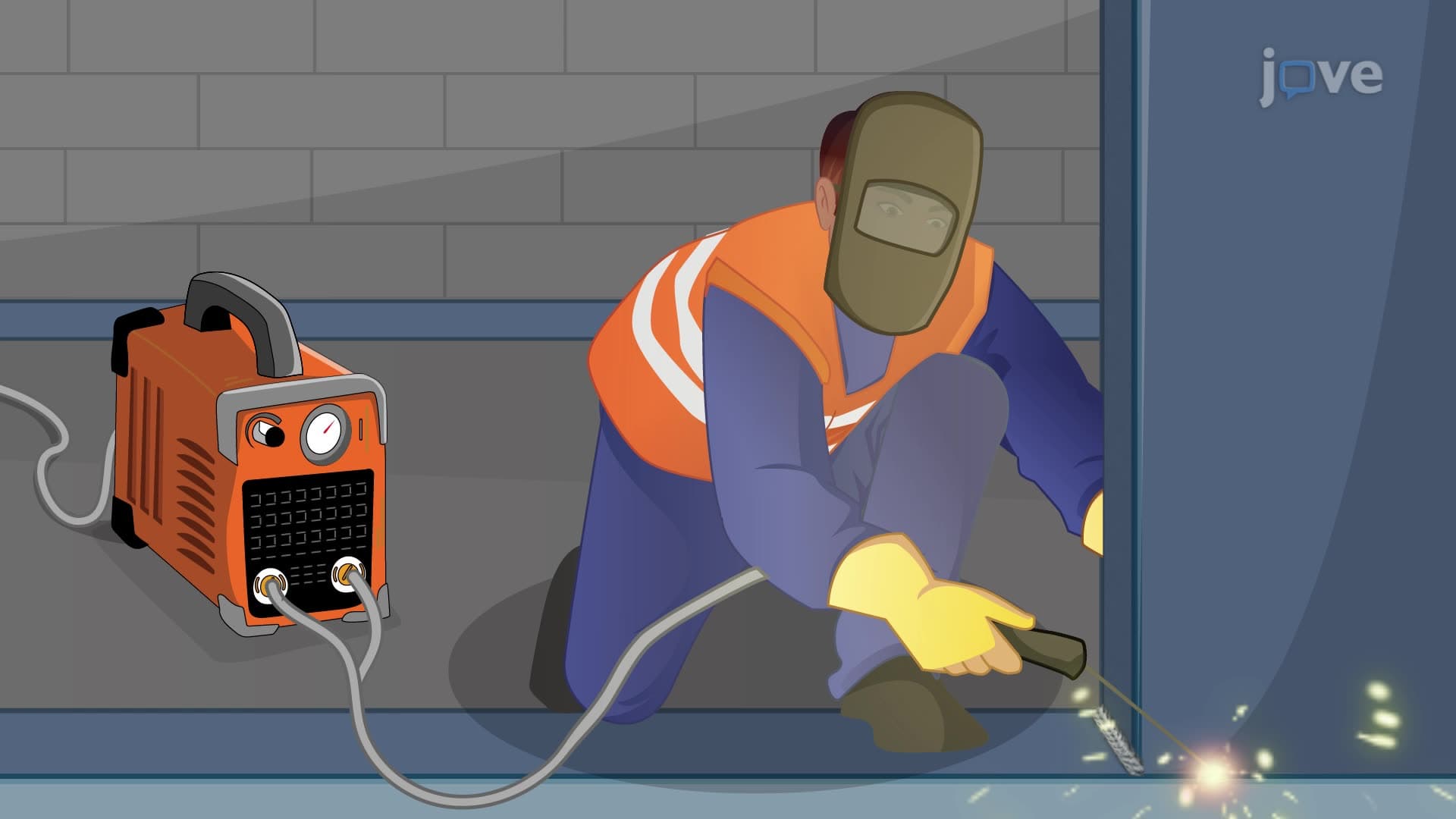
Thermal quarrying utilizes intense jet burner flames to create controlled thermal stress within rock formations. This technique exploits the differential expansion properties of minerals, causing surface layers to crack and flake away in predictable patterns. By systematically moving the flame across targeted areas, operators carve deep, narrow channels that facilitate block separation from the main bedrock mass.
The final separation often involves traditional mechanical methods, where steel wedges are hammered into pre-drilled shallow holes. This combination of thermal and mechanical stress represents fundamental physics principles covered in AP Physics courses, particularly concepts related to thermal expansion, stress concentration, and material failure modes.
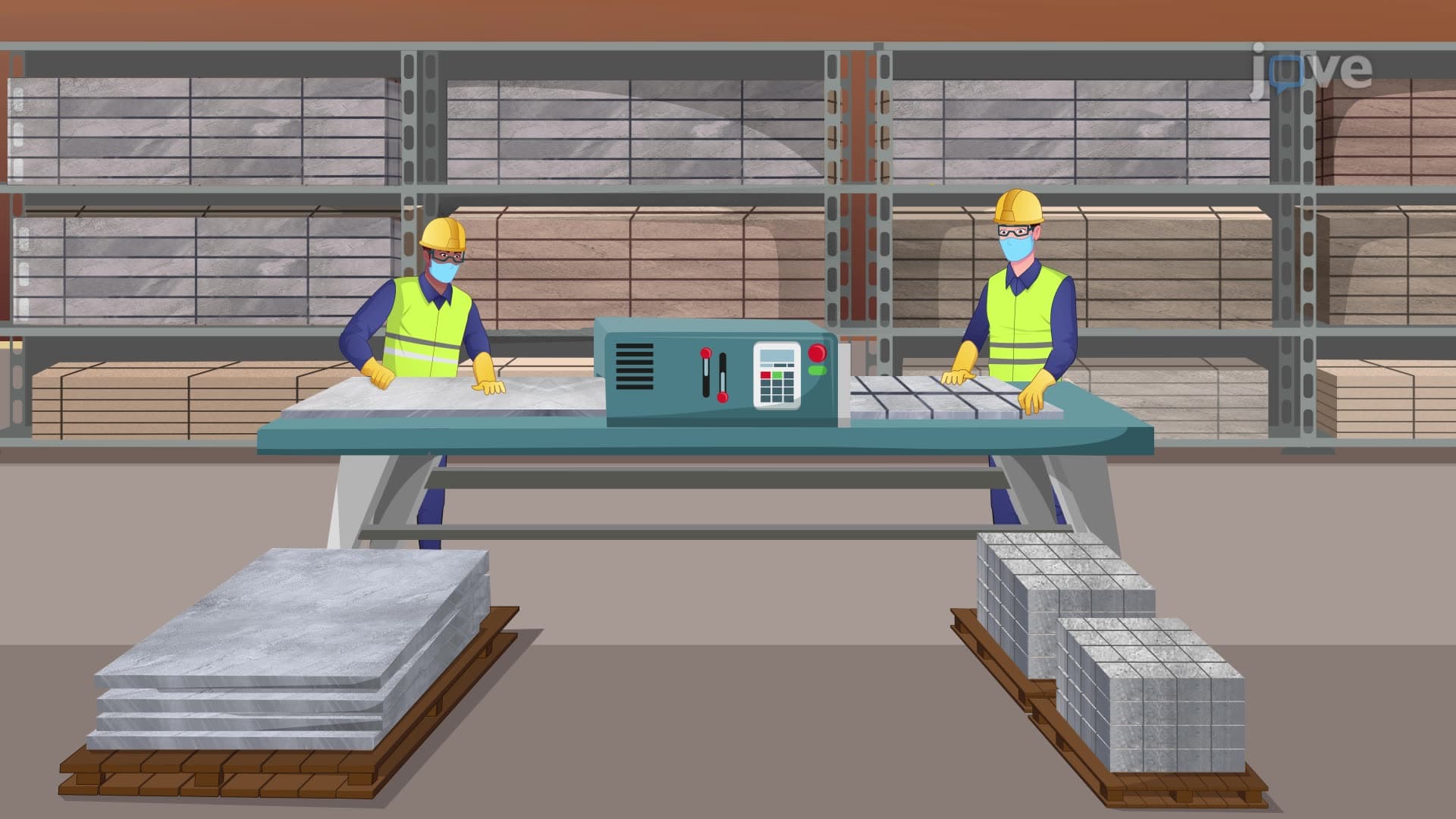
Once extracted, rough stone blocks undergo extensive processing at specialized mills. This transformation involves cutting blocks into standardized slabs, dividing them into smaller sections, and applying various finishing techniques including smoothing, shaping, and lathe rotation for cylindrical products. Major US quarrying operations, such as those in Vermont's Barre granite district or Indiana's limestone belt, supply materials for everything from architectural facades to precision-engineered countertops, demonstrating the direct connection between extraction techniques and finished product quality.
Related Micro-courses