Loading subject page…

- Civil Engineering
- Masonry Materials
- Steel Manufacturing
Micro-course: Masonry Materials
8,959 views
Learn key concepts and earn your certificate.




Steel Manufacturing

00:00
01:26
Video Summary: What Is Steel Manufacturing
Did you know that every skyscraper in New York City, from the Empire State Building to One World Trade Center, depends on steel manufacturing to transform raw iron ore into the structural backbone of modern America? Steel manufacturing is the industrial process that converts iron ore into steel through smelting, refining, and casting operations. This complex metallurgical process involves blast furnaces, oxygen treatment, and precise chemical control to produce the steel used in everything from automobiles to infrastructure. Watch the full video on JoVE Coach to master this concept with expert-led visuals and step-by-step explanations.
- Understand what is steel manufacturing and identify the three main stages: smelting, refining, and casting
- Analyze the blast furnace process and how coke, limestone, and iron ore work together to produce molten iron
- Evaluate the role of the basic oxygen process in removing carbon and impurities from molten iron
- Recognize how slag formation captures unwanted materials during both smelting and refining stages
- Apply knowledge of chemical reduction reactions to explain how carbon monoxide converts iron ore to metallic iron
- Compare ingot molding versus continuous casting methods for shaping finished steel products
- Identify the purpose of adding metallic elements to modify steel composition for specific applications
- Explore real-world connections between steel manufacturing principles and modern industrial production
Understanding Steel Manufacturing Fundamentals
Steel manufacturing represents one of the most critical industrial processes in modern society, transforming raw materials into the structural foundation of our built environment. This complex metallurgical operation requires precise control of temperature, chemistry, and timing to convert iron ore into high-quality steel products. Students studying materials science, chemistry, or engineering will encounter these principles in AP Chemistry, college-level materials courses, and standardized exams like the MCAT.
The Blast Furnace Smelting Process
The journey begins in towering blast furnaces that can reach heights of 100 feet, similar to those operated by U.S. Steel Corporation in Gary, Indiana. The smelting process involves carefully layering three key materials: iron ore (containing iron oxides), coke (a carbon-rich fuel derived from coal), and limestone (calcium carbonate). When ignited with superheated air blasts reaching 2000°F, the coke burns to produce carbon monoxide gas. This carbon monoxide acts as a reducing agent, chemically stripping oxygen atoms from iron oxides to yield molten metallic iron. Meanwhile, limestone decomposes under extreme heat to form calcium oxide, which combines with silicate impurities to create slag-a lighter waste material that floats above the denser molten iron.
Basic Oxygen Process and Steel Refinement
The molten iron from blast furnaces contains approximately 4% carbon-too much for most steel applications. The basic oxygen process addresses this challenge by introducing pure oxygen through a water-cooled lance inserted into the molten metal. This oxygen rapidly oxidizes excess carbon, converting it to carbon dioxide gas that escapes. Simultaneously, lime (calcium oxide) and fluorspar (calcium fluoride) fluxes react with phosphorus and sulfur impurities, incorporating them into removable slag. This refining stage reduces carbon content to typically 0.1-1.5%, depending on the desired steel grade.
Casting and Final Product Formation
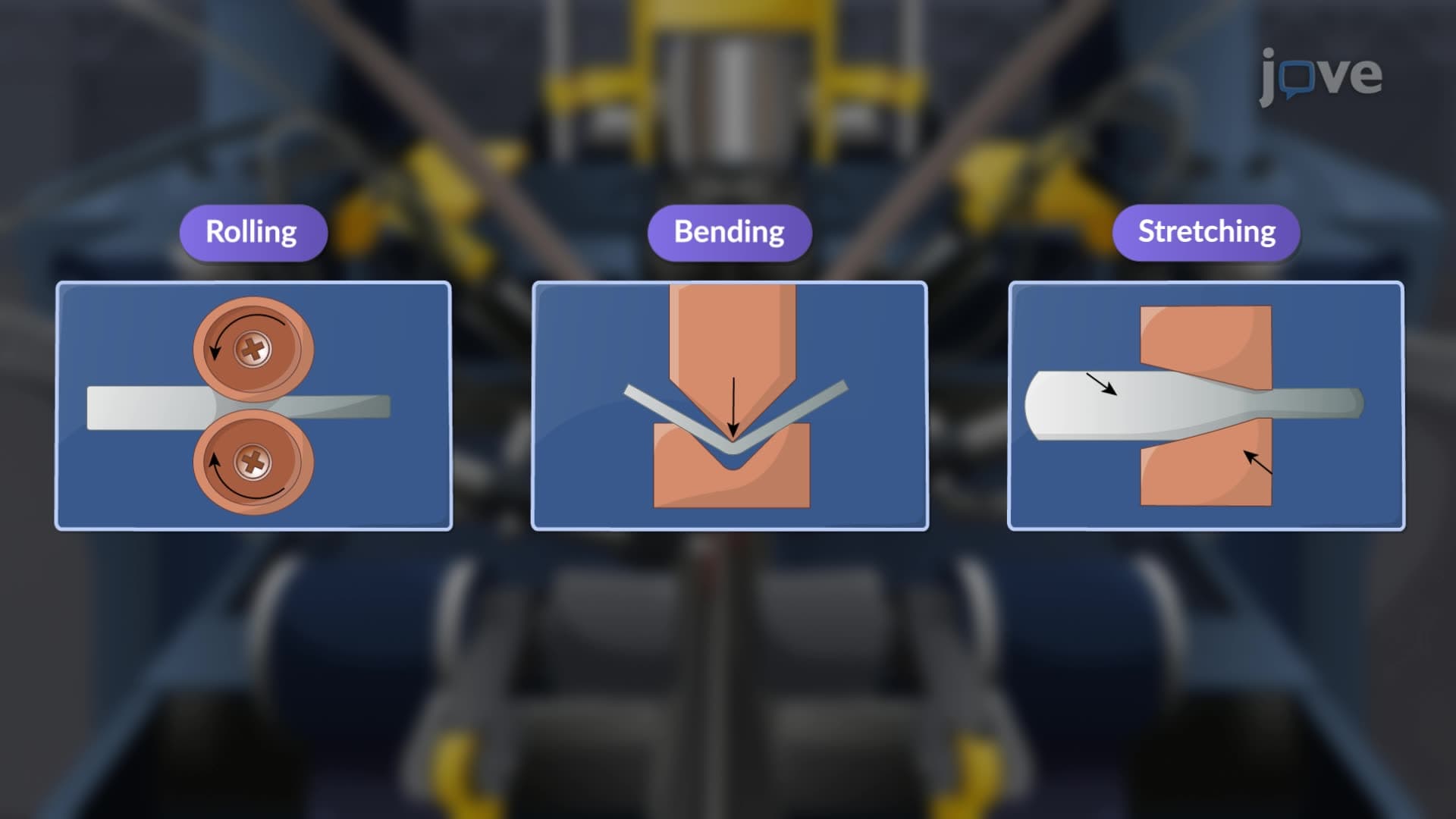
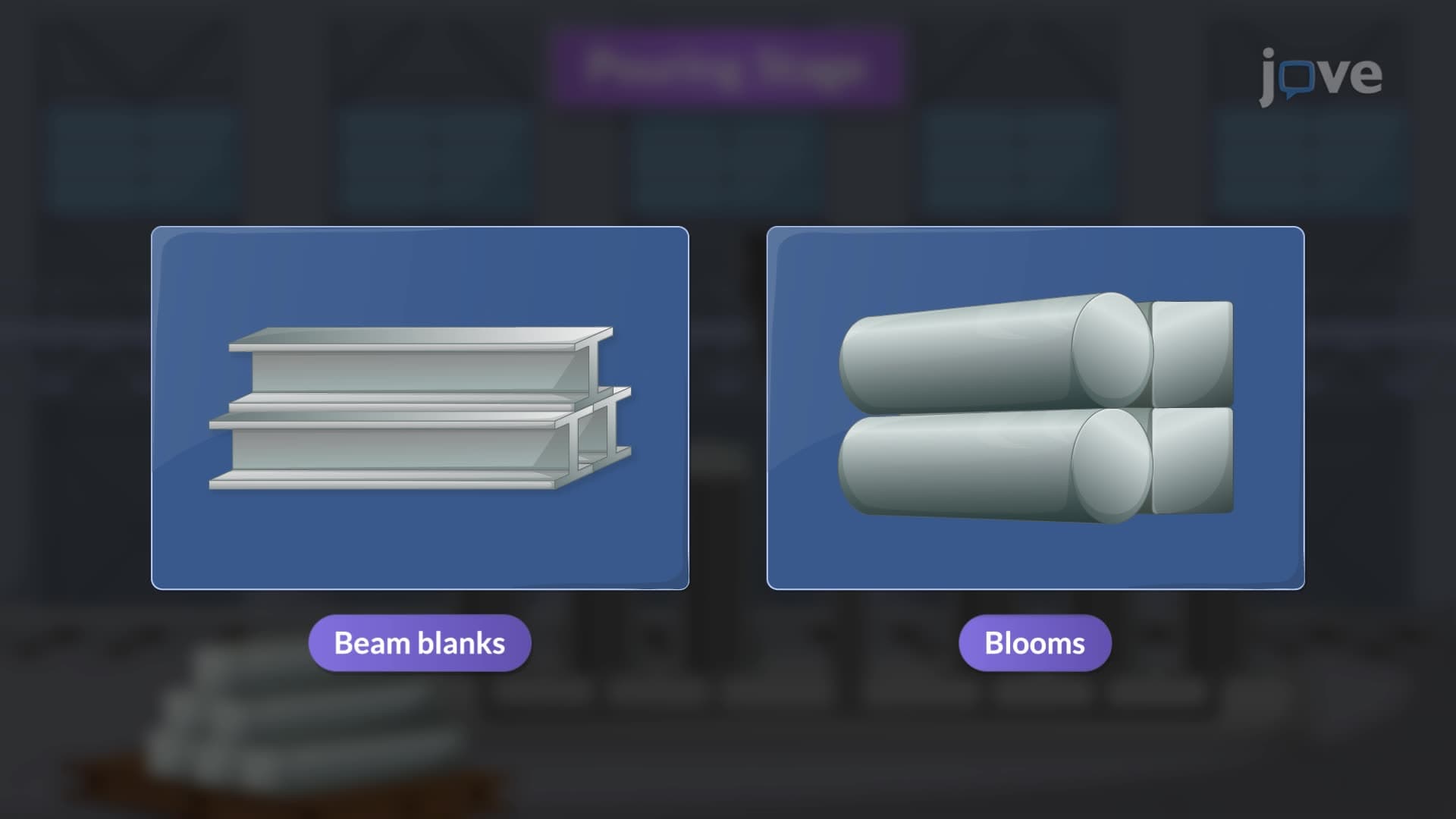
Once the steel reaches optimal composition, it enters the casting phase where molten metal solidifies into usable shapes. Traditional ingot casting involves pouring steel into large molds-some measuring 8 feet tall and several feet in diameter-creating solid blocks for later rolling or forging. Modern facilities increasingly use continuous casting, where molten steel flows through water-cooled molds to form beam blanks, blooms, or slabs directly. Companies like Nucor Corporation have revolutionized this process, producing steel shapes that require minimal additional processing. Understanding these manufacturing principles helps students grasp industrial chemistry concepts frequently tested on AP exams and prepares them for advanced coursework in materials engineering.
Frequently Asked Questions
Steel manufacturing is the industrial process of converting iron ore into steel through controlled chemical reactions and refining steps. Unlike simple iron production, steel manufacturing includes additional refining processes that remove excess carbon and impurities, then adds specific alloying elements to create materials with desired properties like strength, corrosion resistance, or hardness for applications ranging from automotive parts to construction beams.
These exams often test reduction-oxidation reactions using steel manufacturing as context, particularly how carbon monoxide reduces iron oxides. You might encounter questions about Le Chatelier's principle applied to furnace conditions, thermodynamics of high-temperature reactions, or stoichiometry calculations involving ore-to-metal conversion ratios. The basic oxygen process frequently appears in questions about gas-phase reactions and chemical equilibrium.
You'll need solid foundations in redox reactions, chemical bonding, and basic thermodynamics-typically covered in high school chemistry. Understanding how reducing agents work, recognizing oxidation states of iron compounds, and grasping concepts like slag formation will make these processes much clearer. Most students find steel manufacturing accessible after completing introductory chemistry coursework.
Major American steel producers like U.S. Steel, Nucor Corporation, and Steel Dynamics operate facilities showcasing these exact processes. For example, U.S. Steel's Gary Works in Indiana runs blast furnaces using the coke-limestone-ore system, while Nucor pioneered electric arc furnace technology for recycling scrap steel, demonstrating how manufacturing principles adapt to different raw materials and market demands.
Focus on the chemical equations underlying each step: iron oxide reduction, carbon oxidation, and slag formation reactions. Practice drawing process flow diagrams showing material inputs and outputs at each stage. Create flashcards for key terms like "basic oxygen process" and "continuous casting," and work through stoichiometry problems calculating theoretical yields from given amounts of iron ore, coke, and limestone.
Steel manufacturing principles appear throughout materials science, environmental engineering, and industrial chemistry careers. These concepts help explain everything from automotive manufacturing quality control to infrastructure maintenance decisions. Understanding how raw materials transform into finished products provides crucial insight into supply chains, environmental impacts, and economic factors affecting construction, transportation, and manufacturing industries.
Consider studying alloy metallurgy to understand how adding elements like chromium or nickel creates stainless steel, or explore recycling processes that convert scrap metal back into usable steel products. Advanced topics include powder metallurgy, heat treatment processes, and emerging technologies like hydrogen-based steel production that reduce carbon emissions while maintaining production efficiency.
Related Micro-courses