Loading subject page…


8,967 views

Video Summary: What Is Mechanical Characteristics of Steel
Did you know that the steel cables supporting the Golden Gate Bridge can withstand over 200,000 pounds of tension per square inch? The mechanical characteristics of steel determine how materials behave under various forces and loads, making them crucial for everything from skyscrapers to surgical instruments. Engineers at companies like Boeing and Caterpillar rely on standardized tests to measure properties like tensile strength, hardness, and toughness before selecting steel for critical applications. Watch the full video on JoVE Coach to master this concept with expert-led visuals and step-by-step explanations.
Mechanical characteristics of steel represent measurable properties that describe how steel responds to applied forces, loads, and deformation. These characteristics are essential for engineers, architects, and manufacturers who must predict material behavior under real-world conditions. In the United States, organizations like ASTM International and the American Institute of Steel Construction establish standardized testing protocols that ensure consistent, reliable measurements across industries.
Steel's mechanical properties directly influence its suitability for specific applications. For example, the steel used in earthquake-resistant buildings in California requires different mechanical characteristics than steel used in oil pipelines in Texas. Understanding these properties helps engineers make informed decisions that affect public safety, project costs, and structural longevity.
The tension test forms the foundation of mechanical characterization by revealing how steel behaves when pulled apart. During this test, a standardized specimen undergoes controlled stretching while instruments measure both the applied force and resulting deformation. The data generates a stress-strain curve that reveals critical mechanical parameters.
The proportional limit represents the maximum stress where stress and strain maintain a linear relationship, following Hooke's Law. Beyond this point, permanent deformation begins. The yield point indicates where significant plastic deformation occurs without additional stress increase. Ultimate tensile strength represents the maximum stress the material can withstand before necking begins, while the fracture point shows where complete failure occurs.
Students preparing for AP Physics or college materials science courses should understand that these values appear on engineering drawings and material specifications. For instance, ASTM A36 structural steel has a minimum yield strength of 36,000 psi, making it suitable for building frames and bridges.
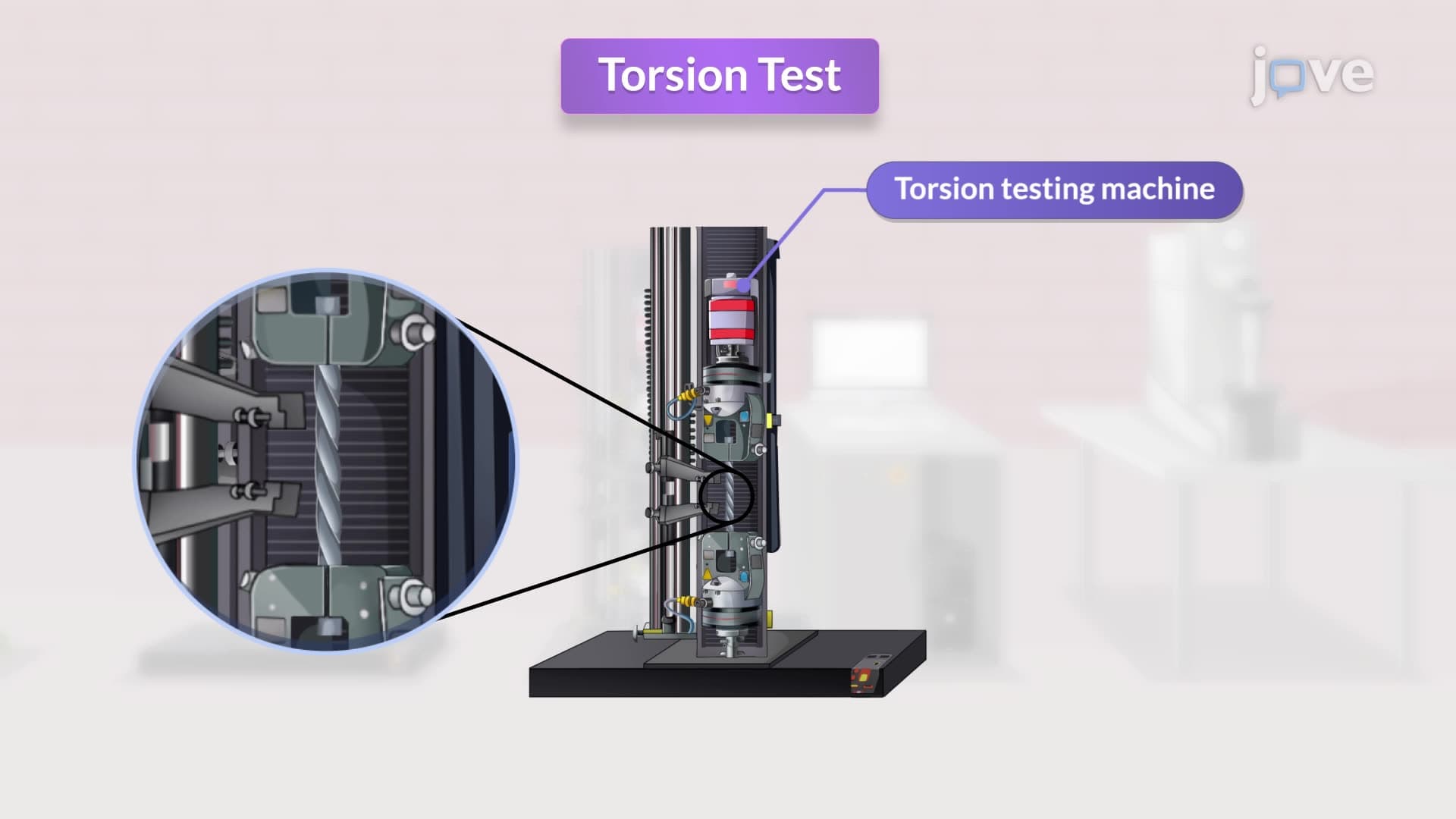
Torsion testing evaluates steel's resistance to twisting forces by applying torque to cylindrical specimens. This test determines the shear modulus, a critical parameter for designing shafts, springs, and other components experiencing rotational loads. Drive shafts in American automobiles undergo torsion testing to ensure they can transmit engine power without failure.
Impact testing, particularly the Charpy V-notch test, measures toughness-steel's ability to absorb energy before fracturing. This property becomes crucial in cold environments where steel can become brittle. The Trans-Alaska Pipeline required extensive impact testing to ensure steel pipes could withstand Arctic conditions without catastrophic failure.
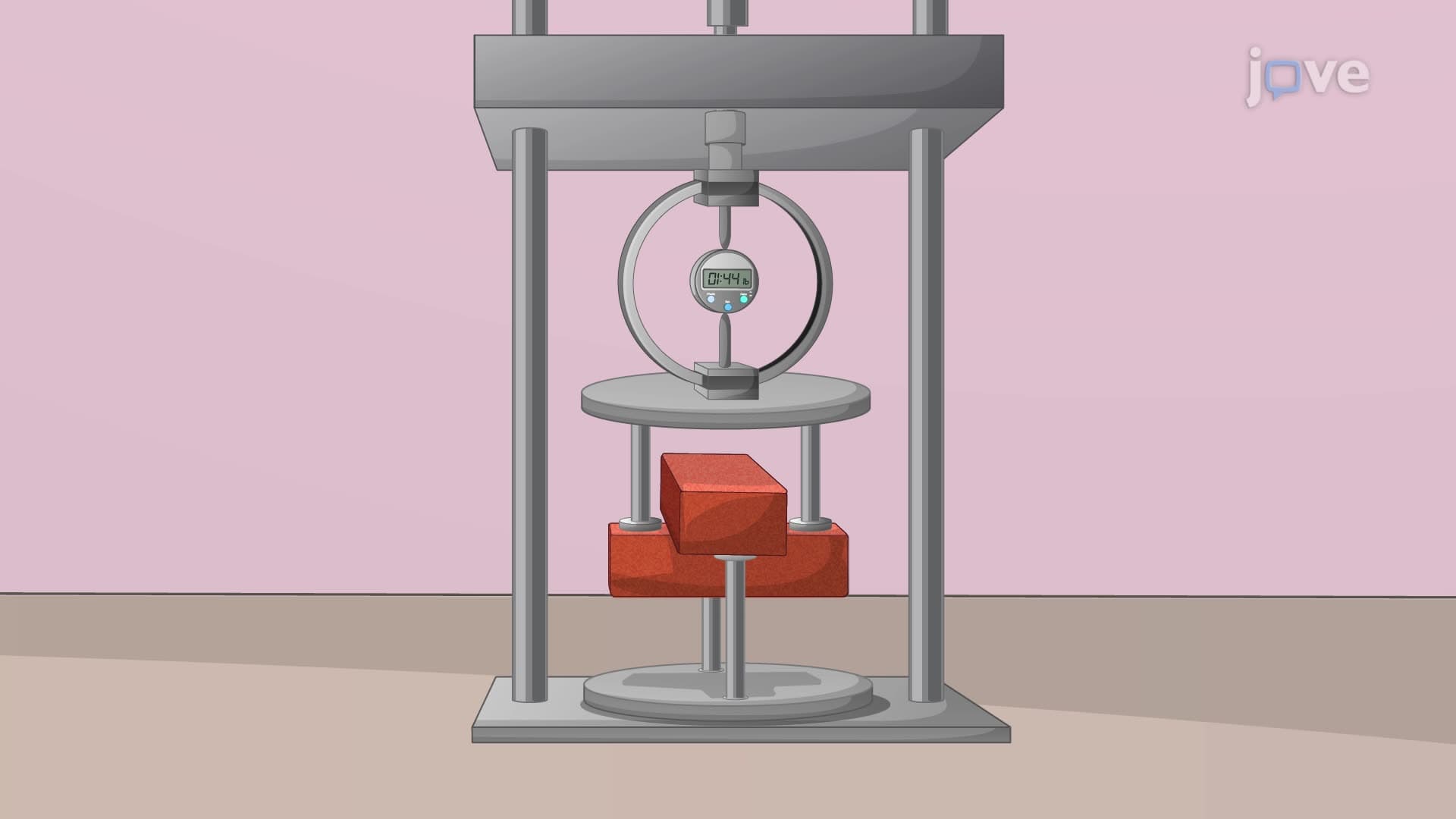
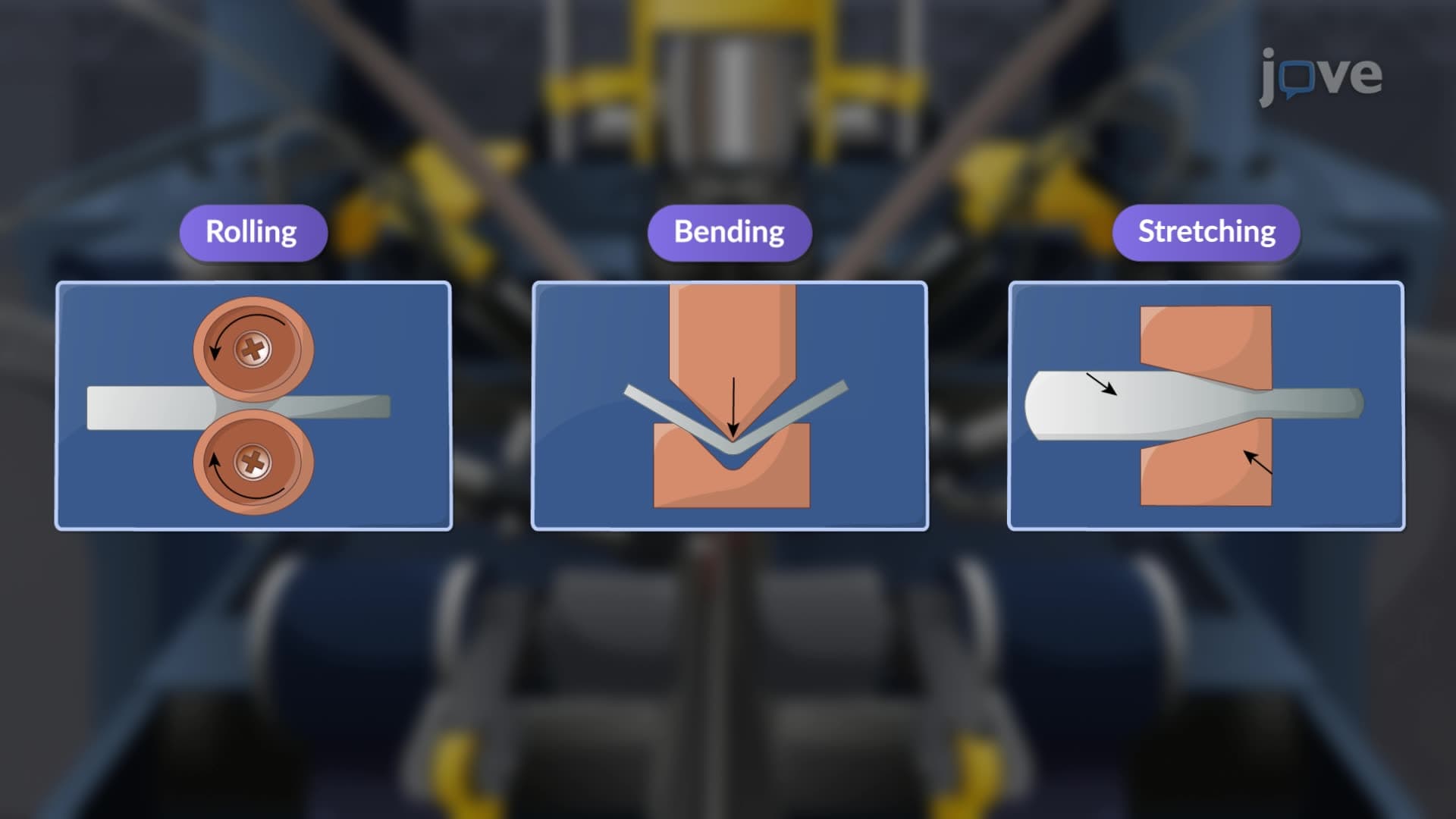
Bending tests evaluate steel's ductility and formability by determining how much deformation it can undergo before cracking. This characteristic is essential for construction applications where steel beams must bend slightly under load without breaking. The test involves bending specimens around mandrels of specific diameters while monitoring for surface cracks.
Hardness testing, commonly performed using the Rockwell method, measures steel's resistance to permanent indentation. A diamond cone or steel ball penetrator applies specific loads while instruments measure penetration depth. Higher hardness values indicate greater wear resistance but often correlate with reduced toughness.
Manufacturing industries rely heavily on hardness testing for quality control. Tool steel manufacturers like Crucible Industries test every batch to ensure products meet specifications for cutting tools, dies, and wear-resistant components. Students studying materials science should note that hardness testing is non-destructive and provides rapid quality assessment in production environments.
Related Micro-courses