Loading subject page…

- Civil Engineering
- Masonry Materials
- Steel Fastening Techniques
Micro-course: Masonry Materials
8,959 views
Learn key concepts and earn your certificate.








Steel Fastening Techniques

00:00
01:17
Video Summary: What are Steel Fastening Techniques
Ever wondered how the Golden Gate Bridge's massive steel beams stay connected despite facing constant wind and seismic forces? Steel fastening techniques are the critical engineering methods that join steel components together in construction projects across America. These fundamental steel fastening techniques include riveting, bolting, and welding-each serving specific structural needs from skyscrapers in Manhattan to oil rigs in the Gulf of Mexico. Watch the full video on JoVE Coach to master this concept with expert-led visuals and step-by-step explanations.
- Understand the three primary methods used in steel fastening techniques: riveting, bolting, and welding
- Identify the specific applications where each fastening method provides optimal structural integrity
- Analyze the mechanical processes involved in rivet installation, including heating and pneumatic shaping
- Compare the advantages and limitations of bolted connections versus welded joints in steel construction
- Evaluate proper bolt sizing, washer placement, and tightening procedures for structural safety
- Apply welding principles including electrode positioning and arc formation for seamless steel connections
- Recognize industry standards and safety protocols essential for professional steel fabrication
- Explore how fastening technique selection impacts overall structural design and building codes
Understanding Steel Fastening Techniques in Modern Construction
Steel fastening techniques form the backbone of American infrastructure, from the Empire State Building to modern wind turbines. These methods ensure structural integrity under extreme loads, weather conditions, and seismic activity. Engineering students studying for the Fundamentals of Engineering (FE) exam must master these concepts, as they appear frequently in structural and civil engineering sections.
Riveting: The Historical Foundation of Steel Construction
Riveting dominated early 20th-century construction, visible today in iconic structures like the Brooklyn Bridge. The process involves heating steel rivets to approximately 1,800°F, creating malleability for insertion through pre-drilled holes. Pneumatic hammers then shape the heated rivet end, forming a permanent mechanical connection as the metal cools and contracts. While largely replaced by welding in modern construction, riveting remains crucial for applications requiring removable connections or situations where welding poses fire hazards, such as petroleum refineries.
Bolted Connections: Precision and Adjustability
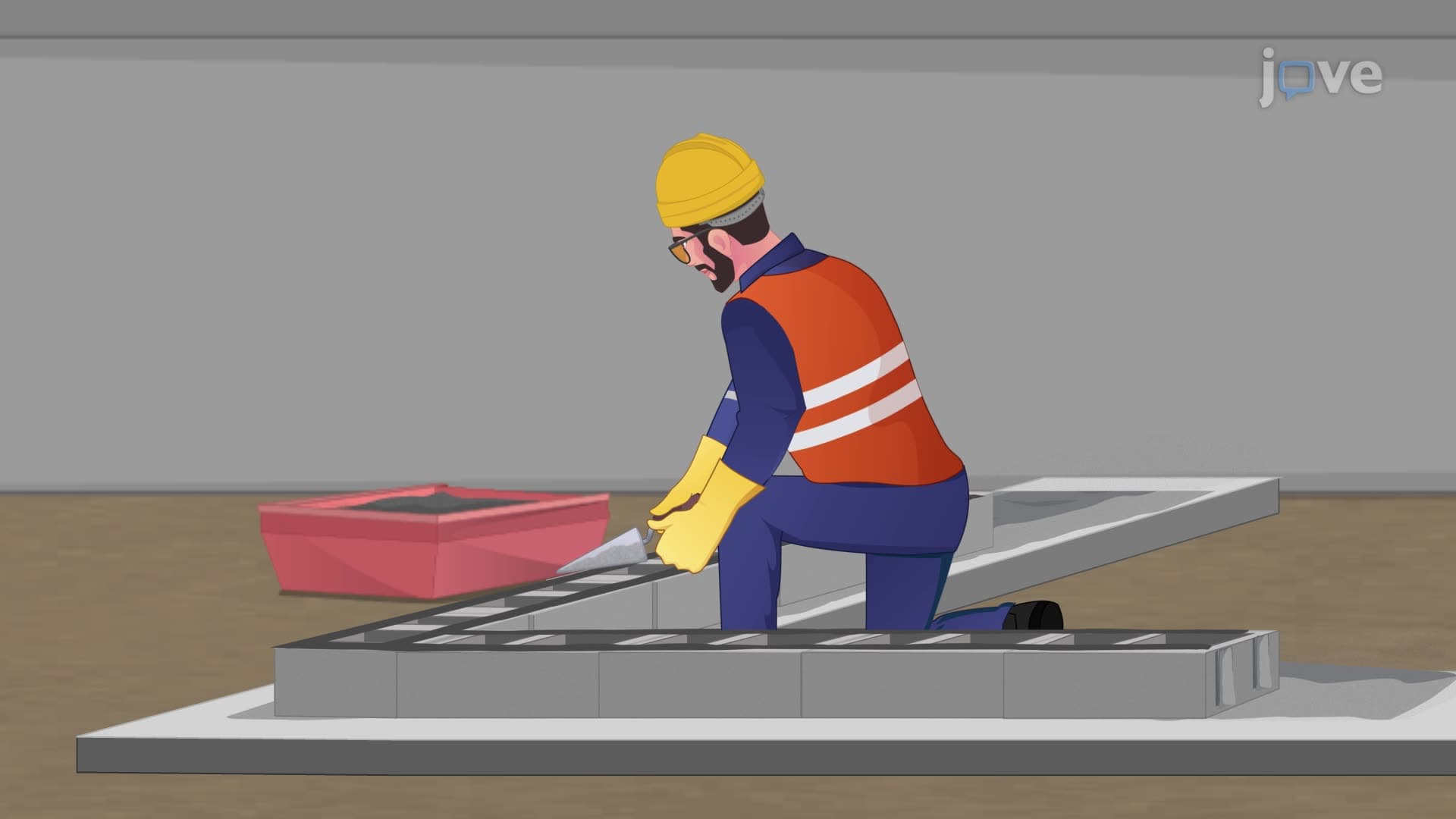
Modern bolted connections require precise engineering calculations taught in structural analysis courses. The standard practice of drilling holes 1/16 inch larger than bolt diameter accommodates thermal expansion and installation tolerances. High-strength steel washers distribute loads evenly, preventing bearing failure in connected materials. Pneumatic impact wrenches ensure consistent torque values, critical for achieving proper preload tensions specified by the American Institute of Steel Construction (AISC). Students preparing for AP Physics or college-level statics courses encounter bolt tension calculations regularly.
Welding: Creating Seamless Steel Unions
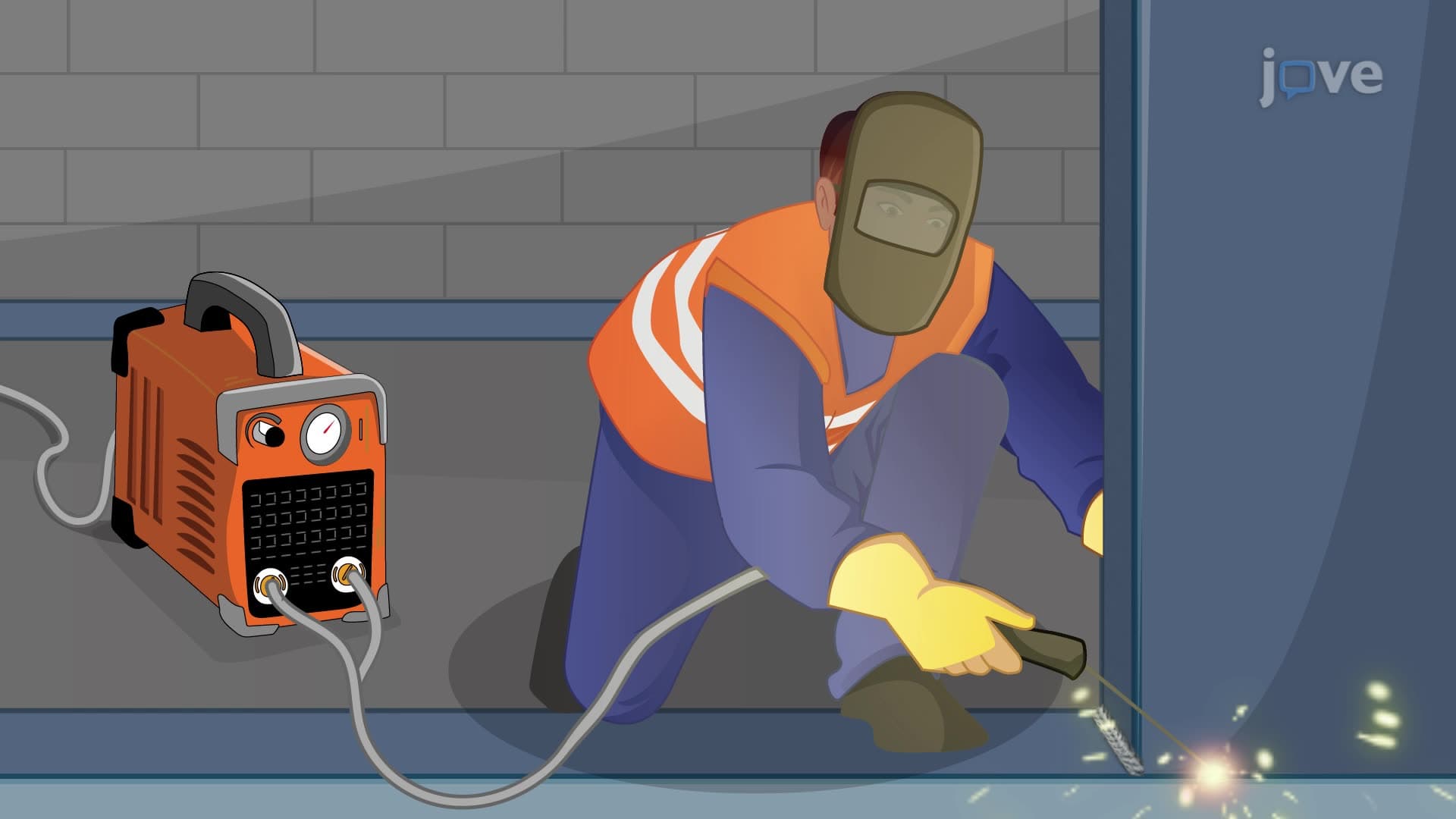
Electric arc welding creates metallurgical bonds stronger than the base materials. The process generates temperatures exceeding 6,000°F, melting both electrode and base metals to form homogeneous connections. Professional welders must understand electrode selection, arc length control, and travel speed to produce quality welds meeting AWS (American Welding Society) standards. This technique dominates modern construction due to its speed, strength, and cost-effectiveness in applications from automotive manufacturing in Detroit to offshore platform construction in Louisiana.
Frequently Asked Questions
Steel fastening techniques are engineering methods used to permanently or semi-permanently join steel components in construction projects. They're essential because they determine structural integrity, safety, and longevity of buildings, bridges, and industrial facilities. The three primary methods-riveting, bolting, and welding-each serve specific applications based on load requirements, environmental conditions, and maintenance needs.
The Fundamentals of Engineering exam commonly tests bolt tension calculations, welding symbols interpretation, and connection design principles. Focus on understanding AISC steel construction manual provisions, bolt preload calculations, and basic welding metallurgy. Practice problems involving shear and tension in bolted connections appear regularly in the structural engineering section.
AP Physics students encounter steel fastening through force analysis, stress-strain relationships, and thermal expansion problems. Bolted connections involve vector force resolution and equilibrium calculations. Welding demonstrates phase changes and thermal conductivity principles. These real-world applications help students understand how physics concepts apply to engineering challenges.
Riveting creates permanent connections through mechanical deformation, ideal for historical restoration and high-vibration environments. Bolting provides adjustable, removable connections suitable for maintenance-heavy applications and field assembly. Welding produces the strongest, most economical joints for permanent installations where access permits proper execution and inspection.
Visit local construction sites, steel-framed buildings, or bridges to observe these techniques firsthand. The Hoover Dam showcases historic riveting, while modern skyscrapers in cities like Chicago demonstrate advanced welding techniques. Highway overpasses typically feature bolted connections for ease of maintenance and inspection accessibility.
Basic algebra and trigonometry provide sufficient foundation for understanding steel fastening principles. Students comfortable with high school physics and chemistry concepts can grasp the fundamental mechanics. Advanced structural analysis requires calculus, but introductory understanding focuses on practical applications and safety principles accessible to most learners.
Create visual flashcards showing each technique's process steps and applications. Practice identifying fastening methods in photographs of real structures. Work through calculation problems involving bolt tension, welding heat input, and connection capacity. Focus on understanding when to apply each technique rather than memorizing procedures.
Progress to advanced structural steel design, fatigue analysis, and connection design optimization. Explore specialized welding processes like friction stir welding or explosive welding. Study building codes, inspection techniques, and failure analysis to develop comprehensive understanding of structural engineering applications.
Related Micro-courses