Loading subject page…


5,451 views

Video Summary: Calculating Depreciation Units of Production Method Guide
Manufacturing companies face critical asset valuation decisions that directly impact financial reporting and tax strategy. Calculating depreciation units of production method provides precision-based asset allocation that aligns costs with actual equipment utilization rather than arbitrary timelines. Companies like Caterpillar leverage this approach for heavy machinery where output varies significantly across operational cycles. This method transforms depreciation from a fixed expense into a variable cost that reflects true asset consumption, enabling more accurate product costing and profitability analysis. Watch the full video on JoVE Coach to master this concept with expert-led visuals and step-by-step explanations.
Manufacturing executives consistently struggle with accurate asset valuation that reflects operational reality. Traditional depreciation methods often misalign costs with actual equipment utilization, creating distorted profitability metrics that can mislead strategic decisions. The units of production depreciation method addresses this challenge by tying depreciation expense directly to asset usage, providing a more nuanced approach to cost allocation.
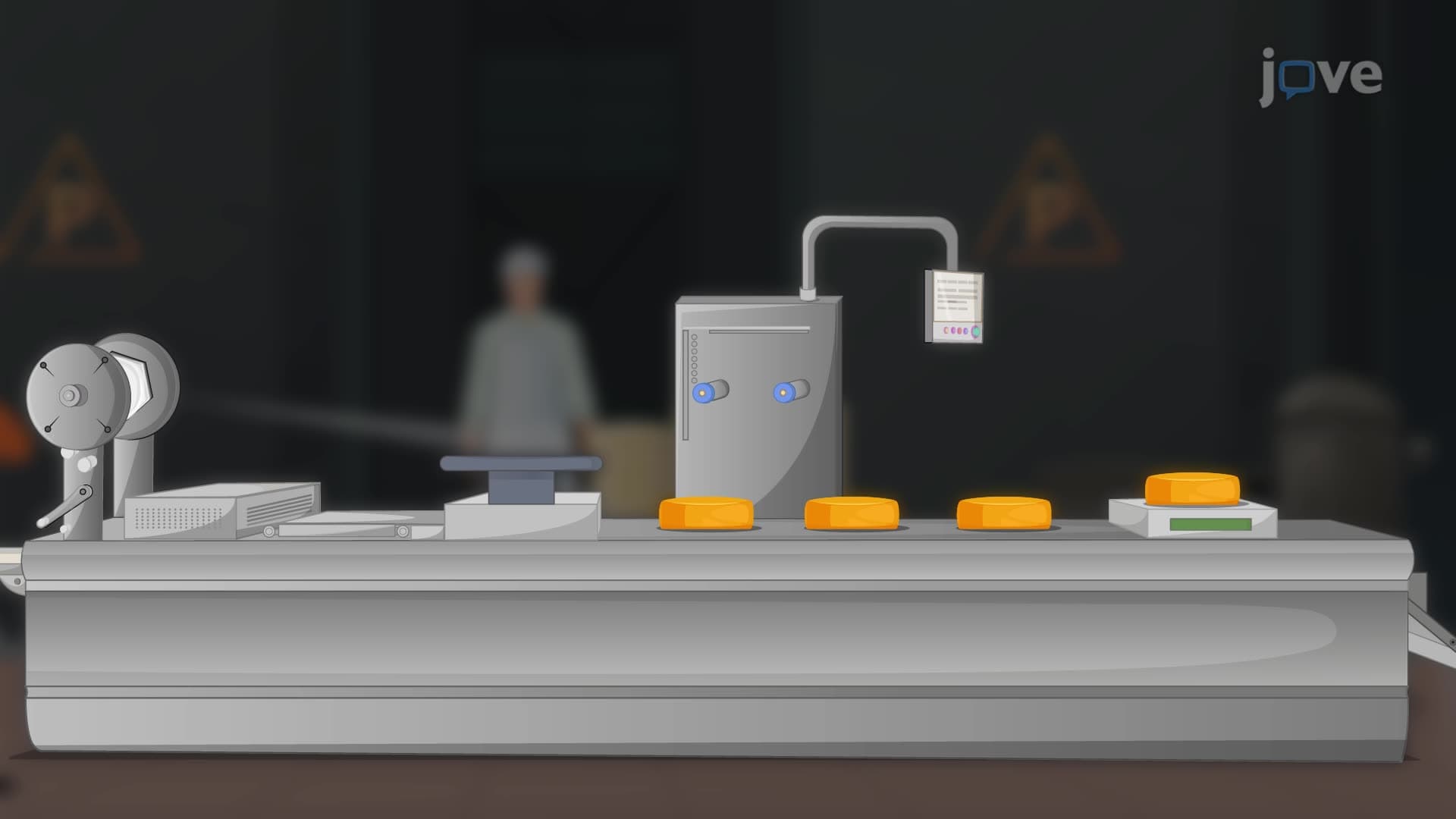
The core calculation follows a straightforward framework: *Depreciation per unit = (Asset cost - Salvage value) ÷ Total estimated production units*. This rate then multiplies by actual production to determine periodic depreciation expense. For a $500,000 injection molding machine with $50,000 salvage value expected to produce 2 million parts, the depreciation rate equals $0.225 per unit. Production of 180,000 units generates $40,500 in depreciation expense.
Mining operations exemplify this method's power. Freeport-McMoRan applies units of production depreciation to extraction equipment, aligning depreciation with copper production volumes rather than calendar time. This approach provides more accurate per-pound cost calculations, enabling better pricing strategies and mine profitability assessments. Similarly, oil and gas companies use this method for drilling rigs and processing equipment where operational intensity varies dramatically.
Successfully implementing units of production depreciation requires robust production tracking systems and accurate lifecycle estimates. Companies must invest in data collection infrastructure and establish clear unit definitions. However, the payoff includes enhanced cost transparency, improved product profitability analysis, and more defendable capital investment decisions. CFOs particularly value this method during budget cycles as it provides clearer connections between production planning and depreciation expenses, supporting more accurate cash flow projections and capital allocation strategies.
Related Micro-courses