Loading subject page…

- Finance
- Analysis of Financial Statements
- Understanding Financial Statements
Micro-course: Analysis of Financial Statements
5,450 views
Learn key concepts and earn your certificate.

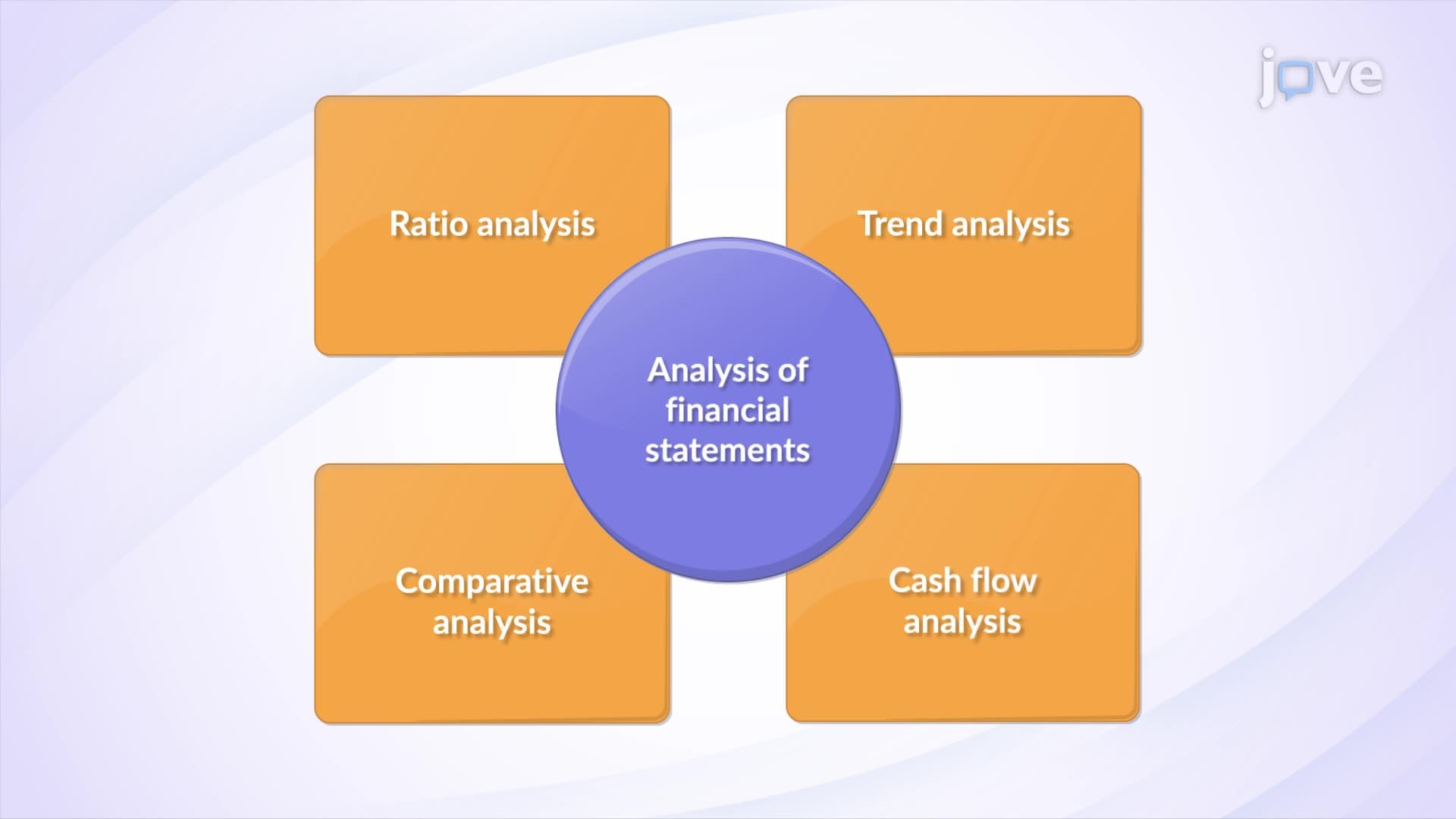
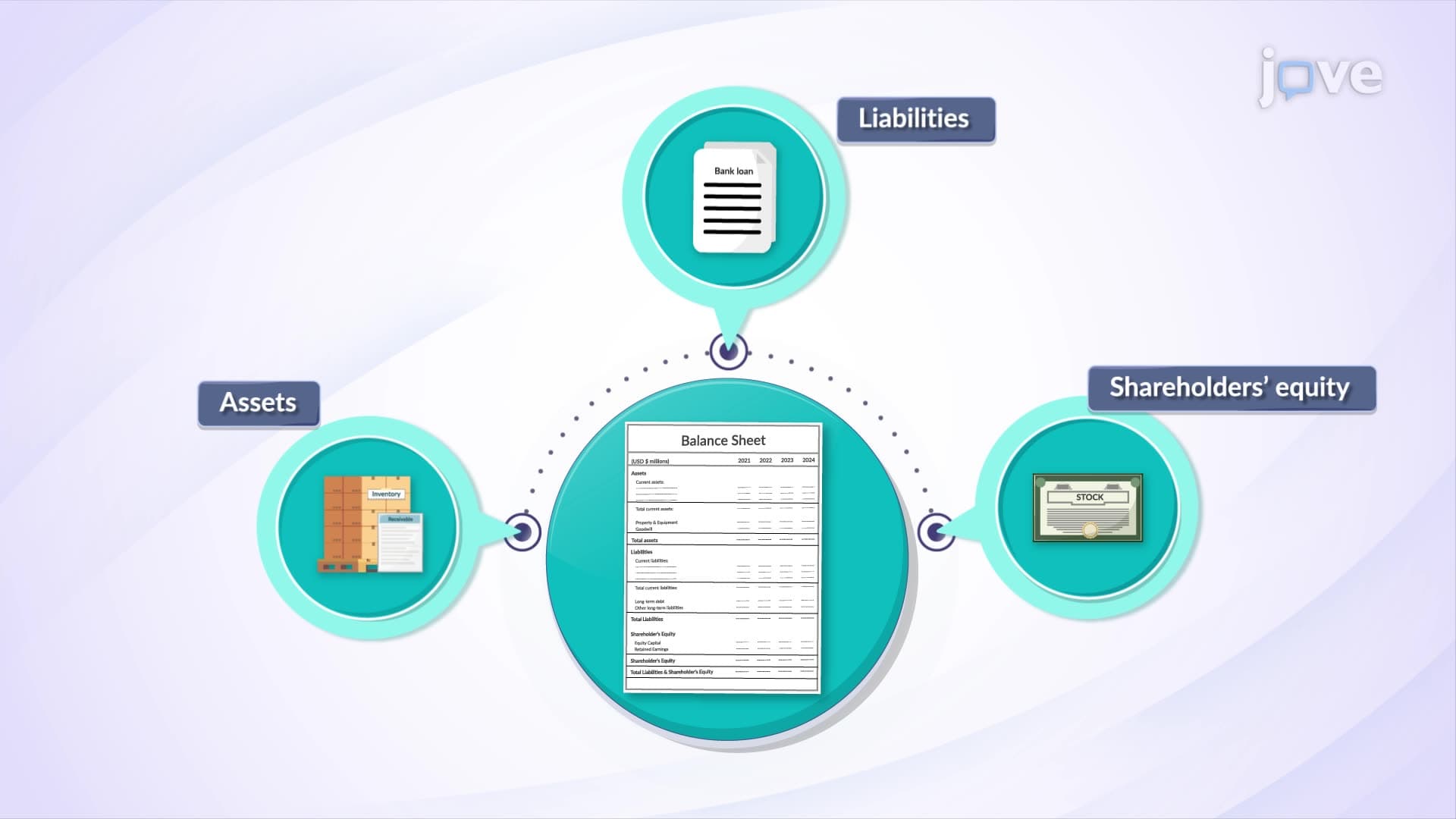


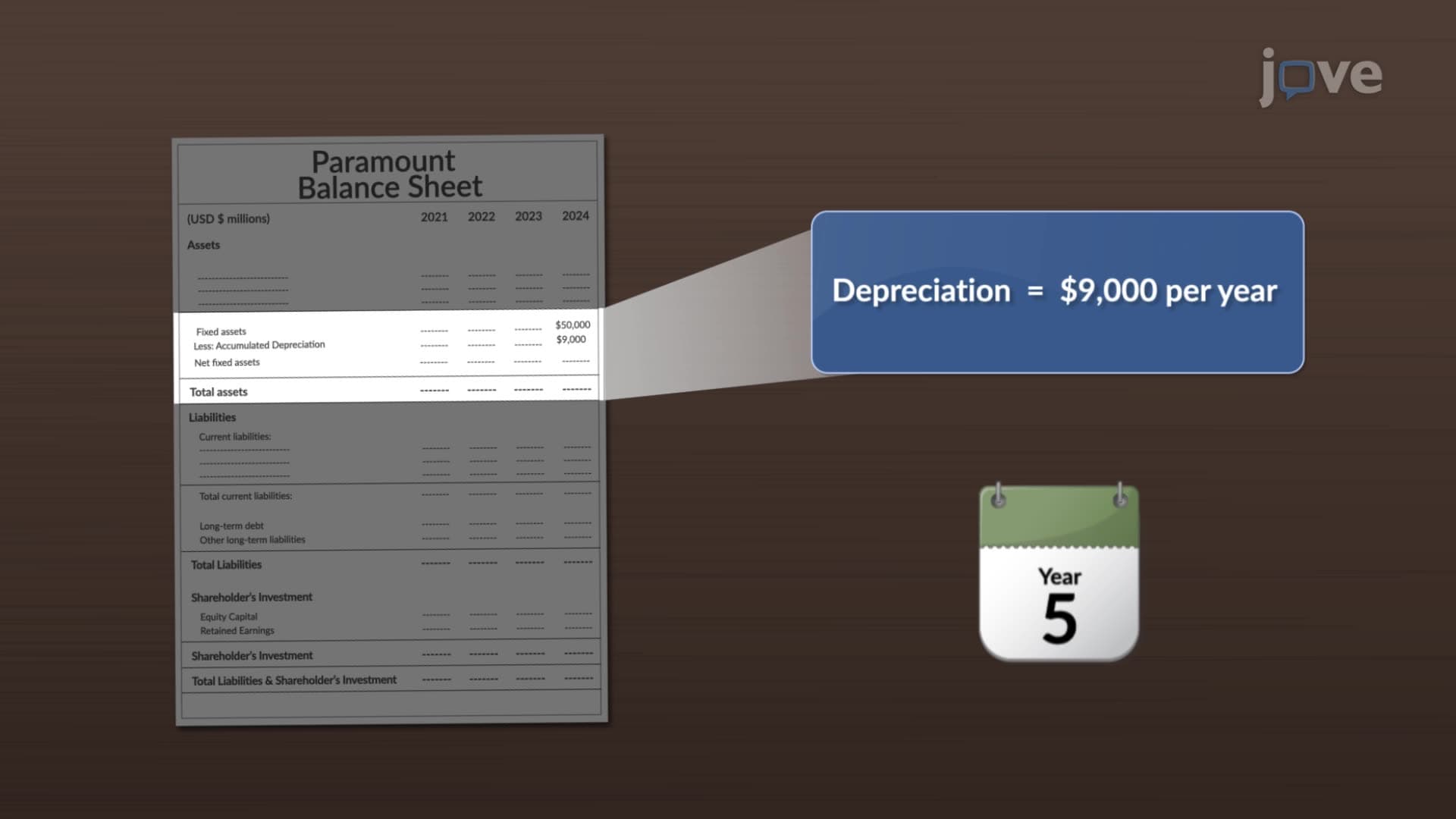
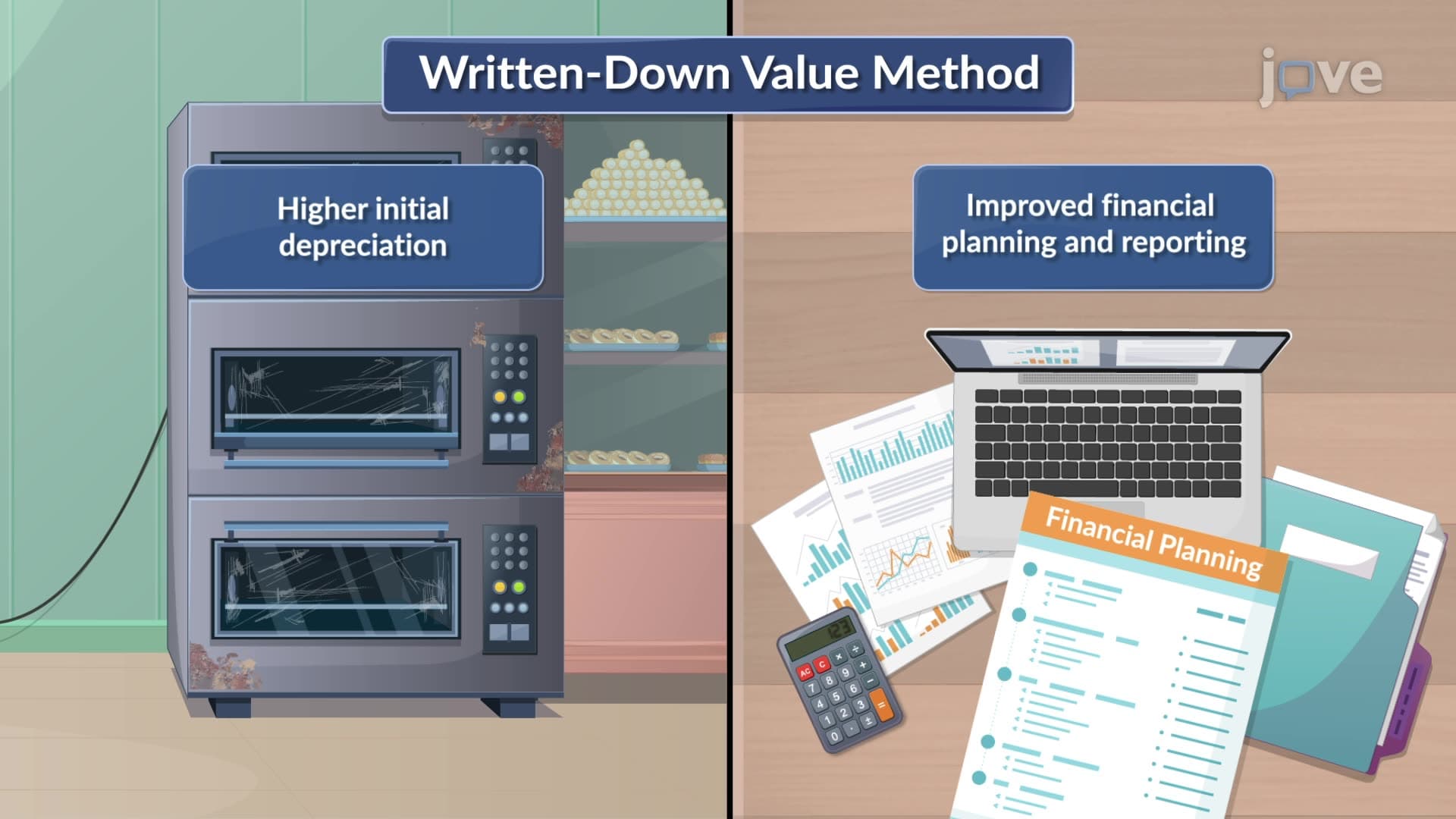

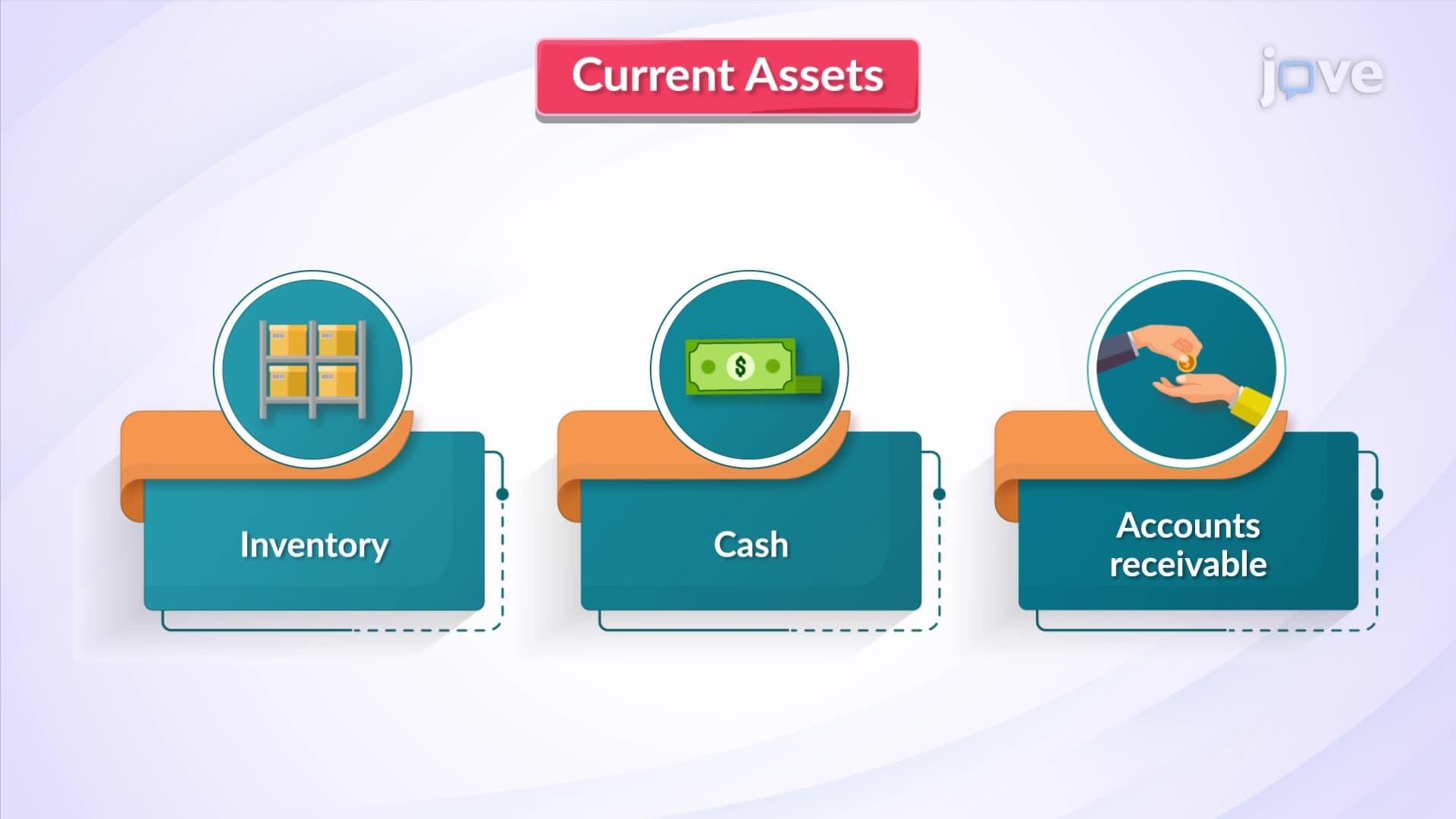
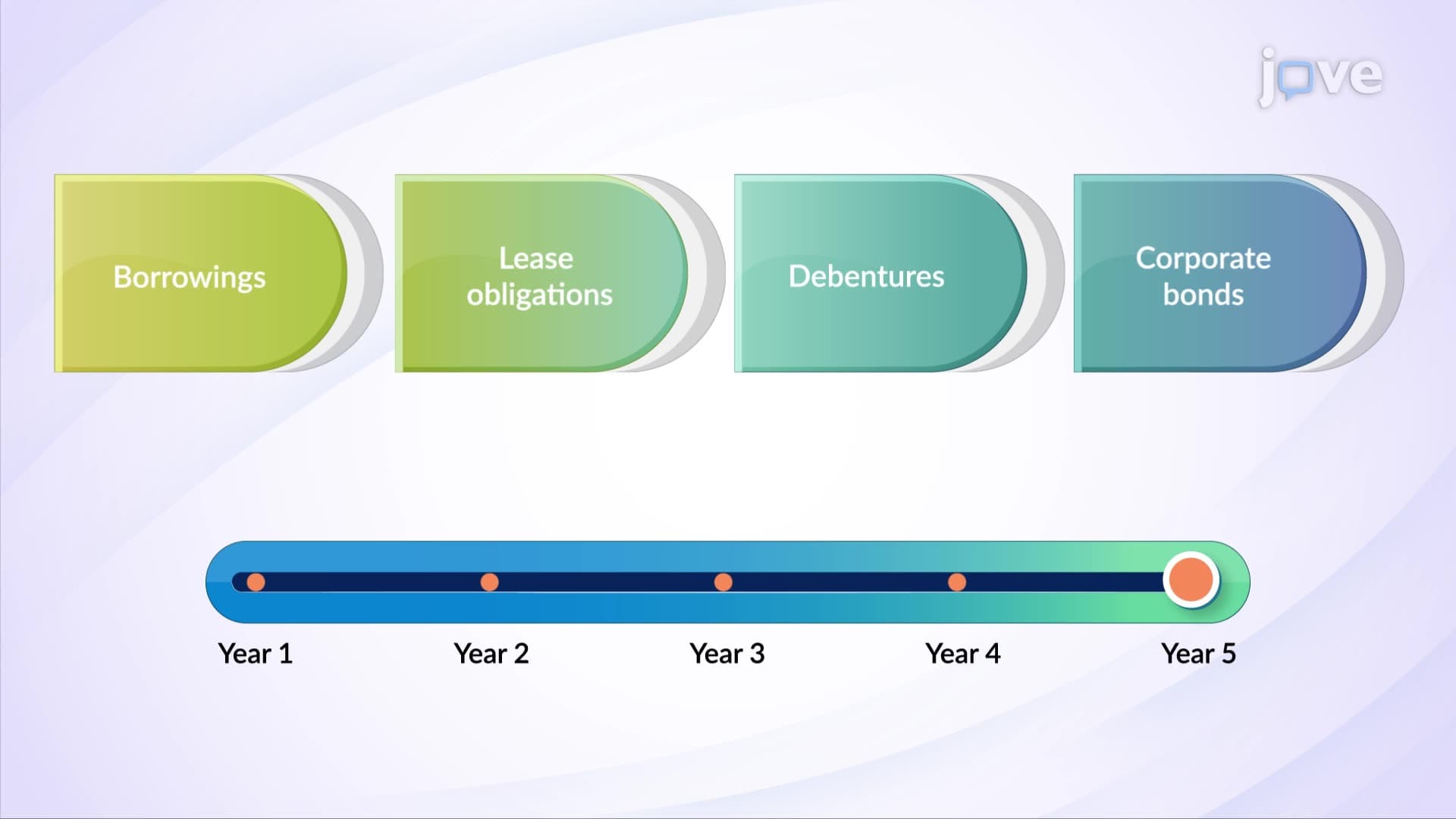
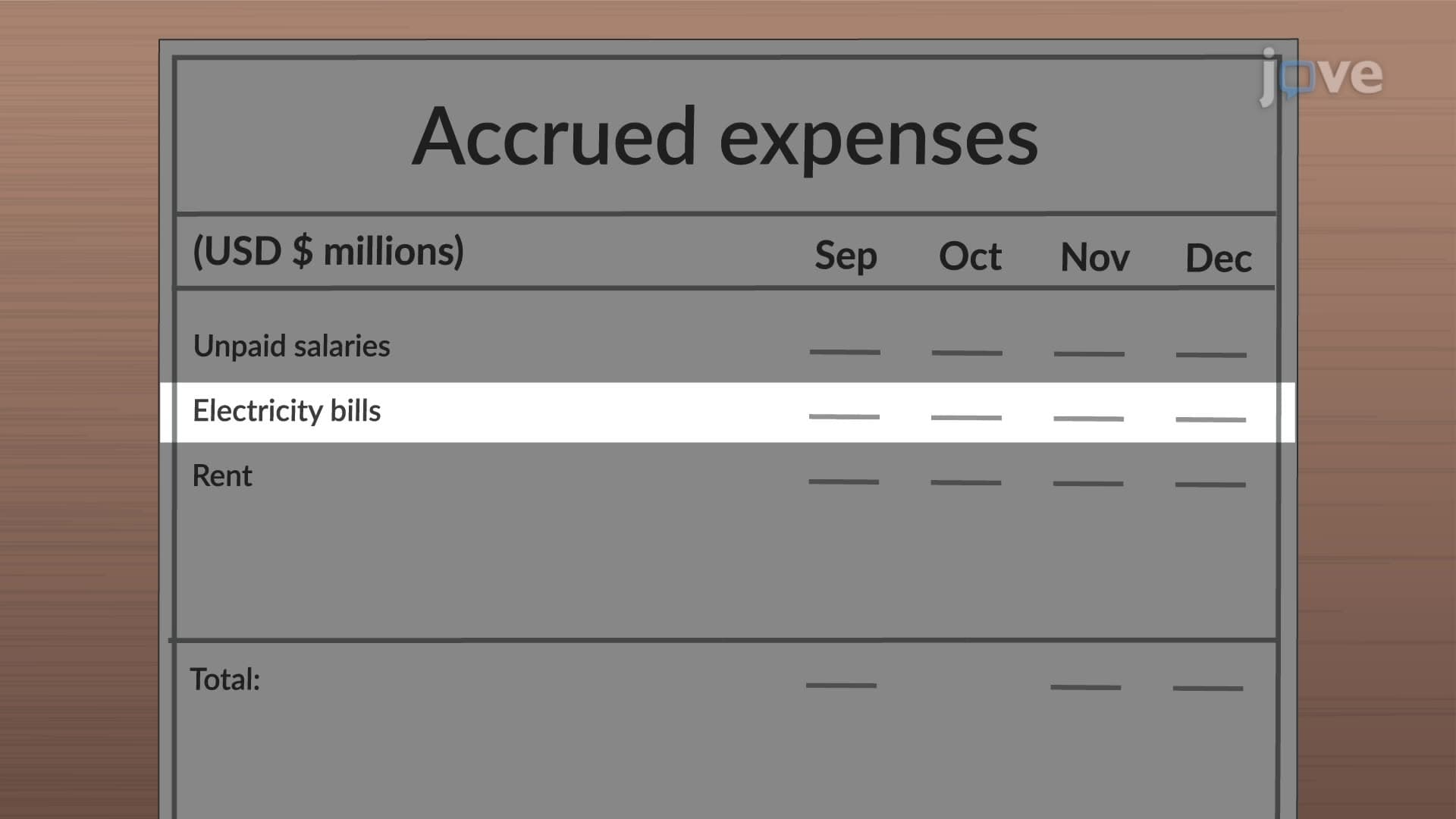
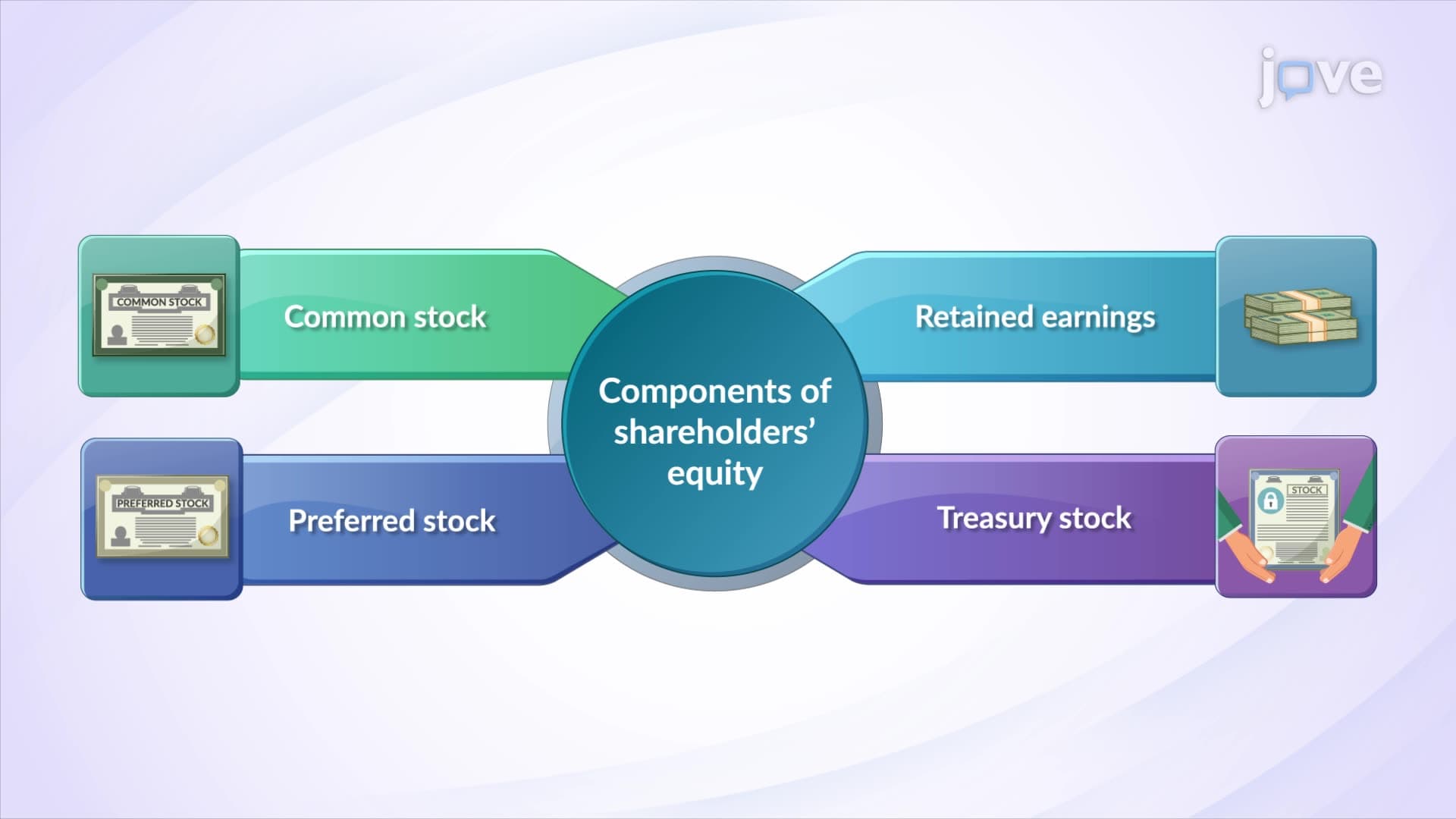



Understanding Financial Statements

00:00
01:29
Video Summary: Understanding Financial Statements Components and Analysis
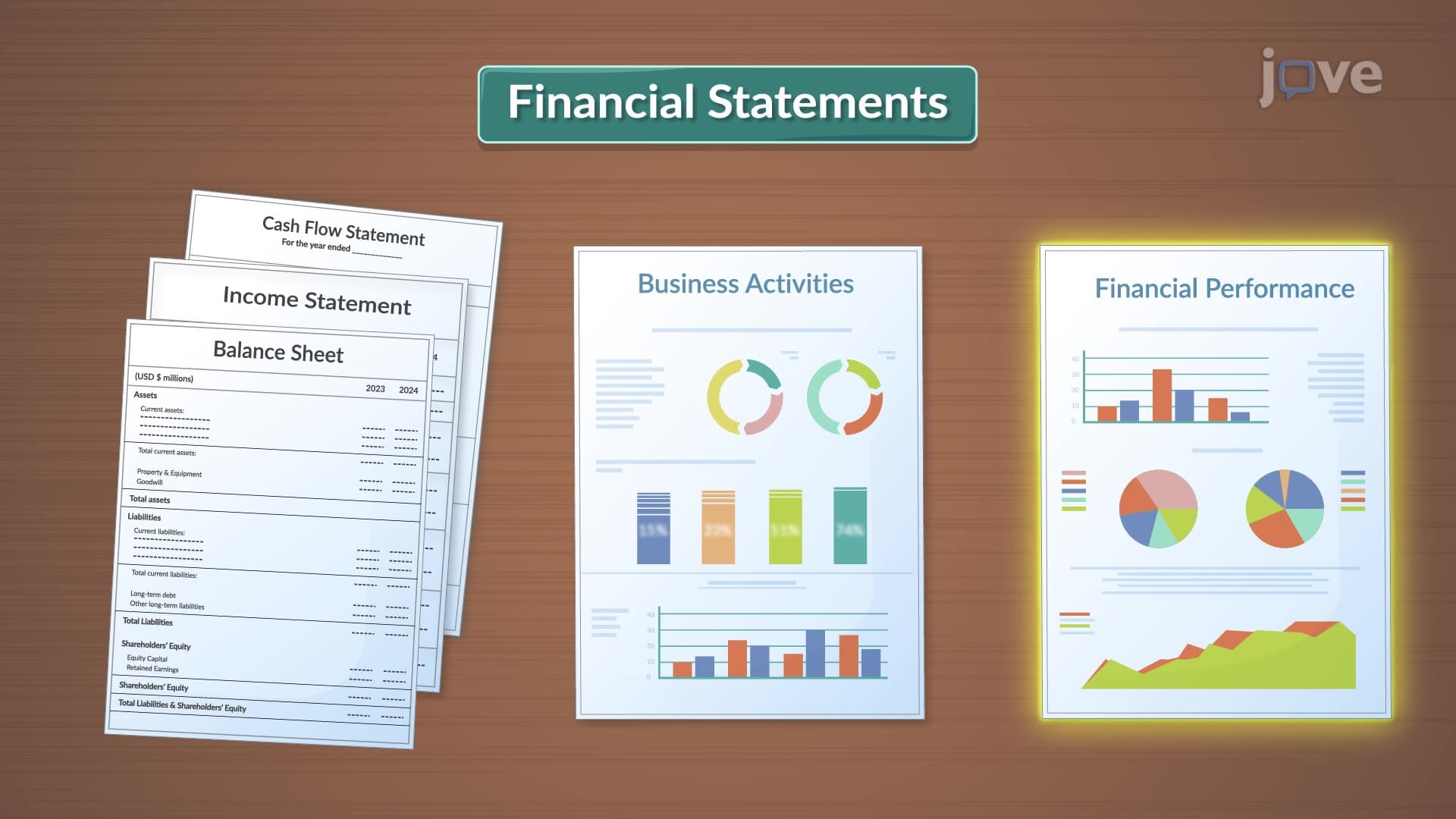
In today's data-driven business environment, understanding financial statements: components and analysis is critical for making informed strategic decisions. Whether you're evaluating acquisition targets, assessing vendor stability, or presenting quarterly results to stakeholders, mastering these three core statements-balance sheet, income statement, and cash flow statement-gives you the analytical edge. Take Microsoft's recent earnings report: their balance sheet reveals massive cash reserves, their income statement shows cloud revenue growth, and their cash flow statement demonstrates operational efficiency. Watch the full video on JoVE Coach to master this concept with expert-led visuals and step-by-step explanations.
- Apply balance sheet analysis to evaluate vendor financial stability before entering long-term contracts or partnerships
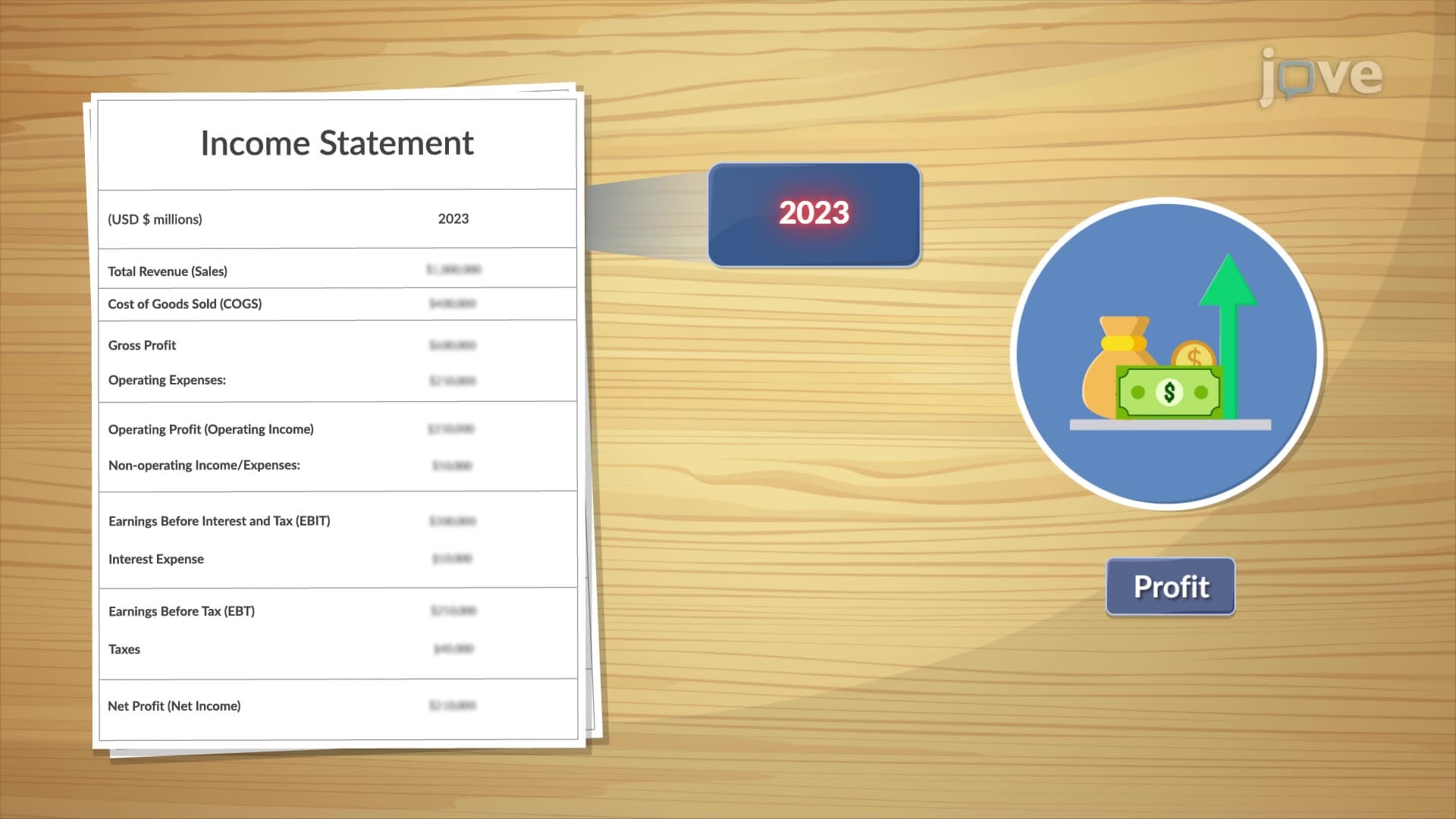
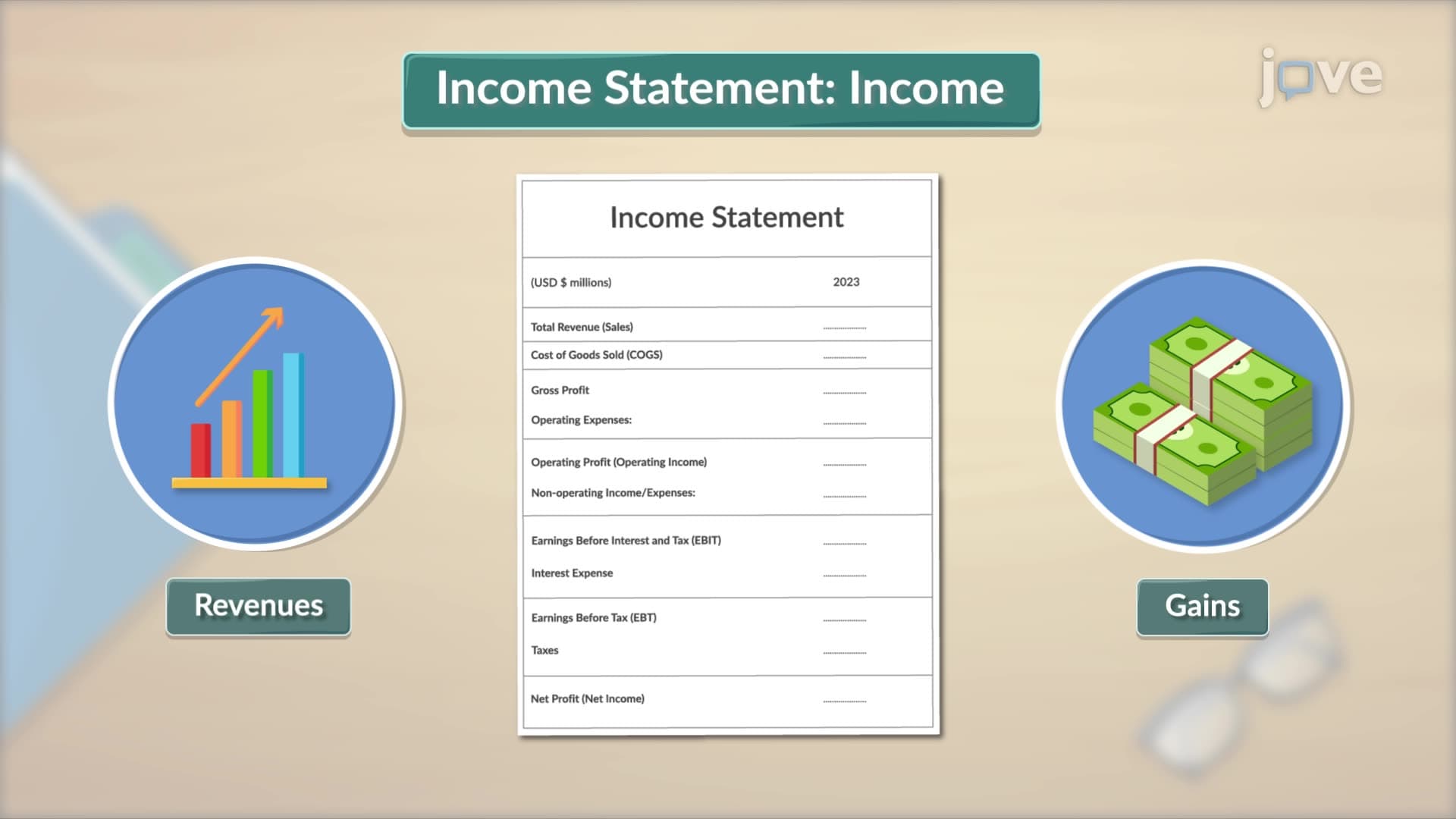
- Analyze income statements to identify revenue trends and operational efficiency metrics for competitive benchmarking
- Assess cash flow patterns to determine a company's ability to fund growth initiatives and weather economic downturns
- Evaluate integrated financial statement relationships to uncover red flags in investment opportunities or acquisition targets
- Implement financial ratio analysis using statement data to support budget allocation and resource planning decisions
- Leverage financial statement insights to strengthen business cases in board presentations and strategic planning sessions
- Compare competitor financial performance using standardized metrics to inform market positioning and pricing strategies
- Identify working capital trends that impact operational decision-making and supplier relationship management
Mastering Understanding Financial Statements: Components and Analysis for Strategic Decision-Making
In boardrooms across America, executives rely on financial statement analysis to drive billion-dollar decisions. When Amazon's leadership evaluates new market expansion, when JPMorgan Chase assesses loan portfolios, when Tesla's board reviews quarterly performance-they're all leveraging the same fundamental framework you need to master.
The Strategic Power of Balance Sheet Analysis
The balance sheet serves as your company's financial DNA at a specific moment. Beyond basic assets and liabilities, sophisticated professionals use balance sheet analysis to evaluate liquidity positions, debt capacity, and competitive positioning. Consider Apple's balance sheet strategy: their $165 billion cash position isn't just impressive-it's a competitive weapon enabling aggressive R&D investment, strategic acquisitions, and market dominance during economic uncertainty. For working professionals, balance sheet literacy means identifying whether your company has the financial foundation to pursue growth opportunities or whether cost optimization becomes critical.
Income Statement Insights for Operational Excellence
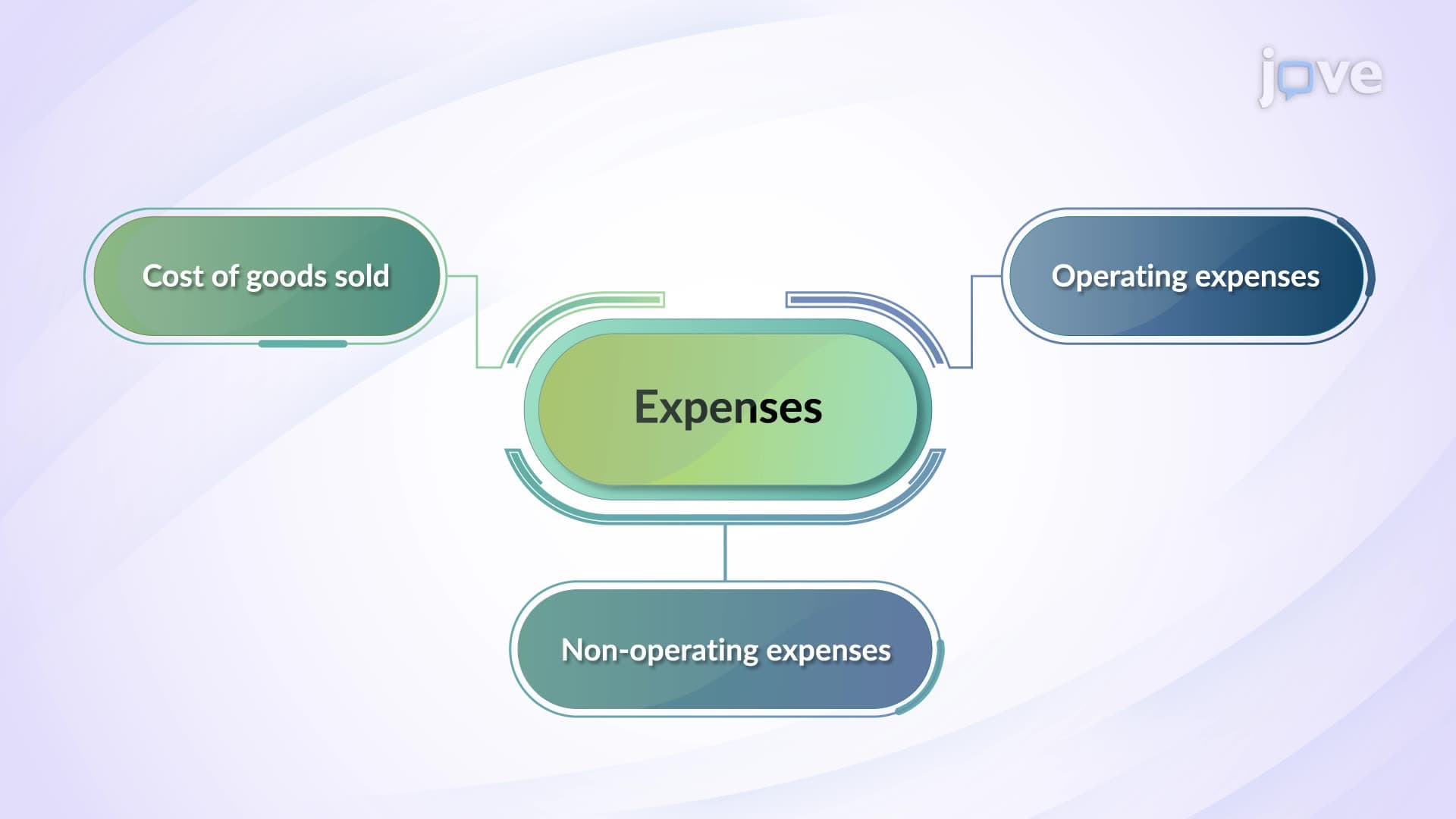
Revenue recognition, gross margins, operating leverage-these income statement elements directly impact your daily business decisions. Netflix's income statement reveals how content investments translate to subscriber growth and profitability, informing their multi-billion dollar content strategy. As a business professional, you'll use income statement analysis to evaluate departmental performance, justify budget requests, and identify operational inefficiencies. The key is understanding how revenue flows through cost structures to generate sustainable profits.
Cash Flow Statement: The Operational Reality Check
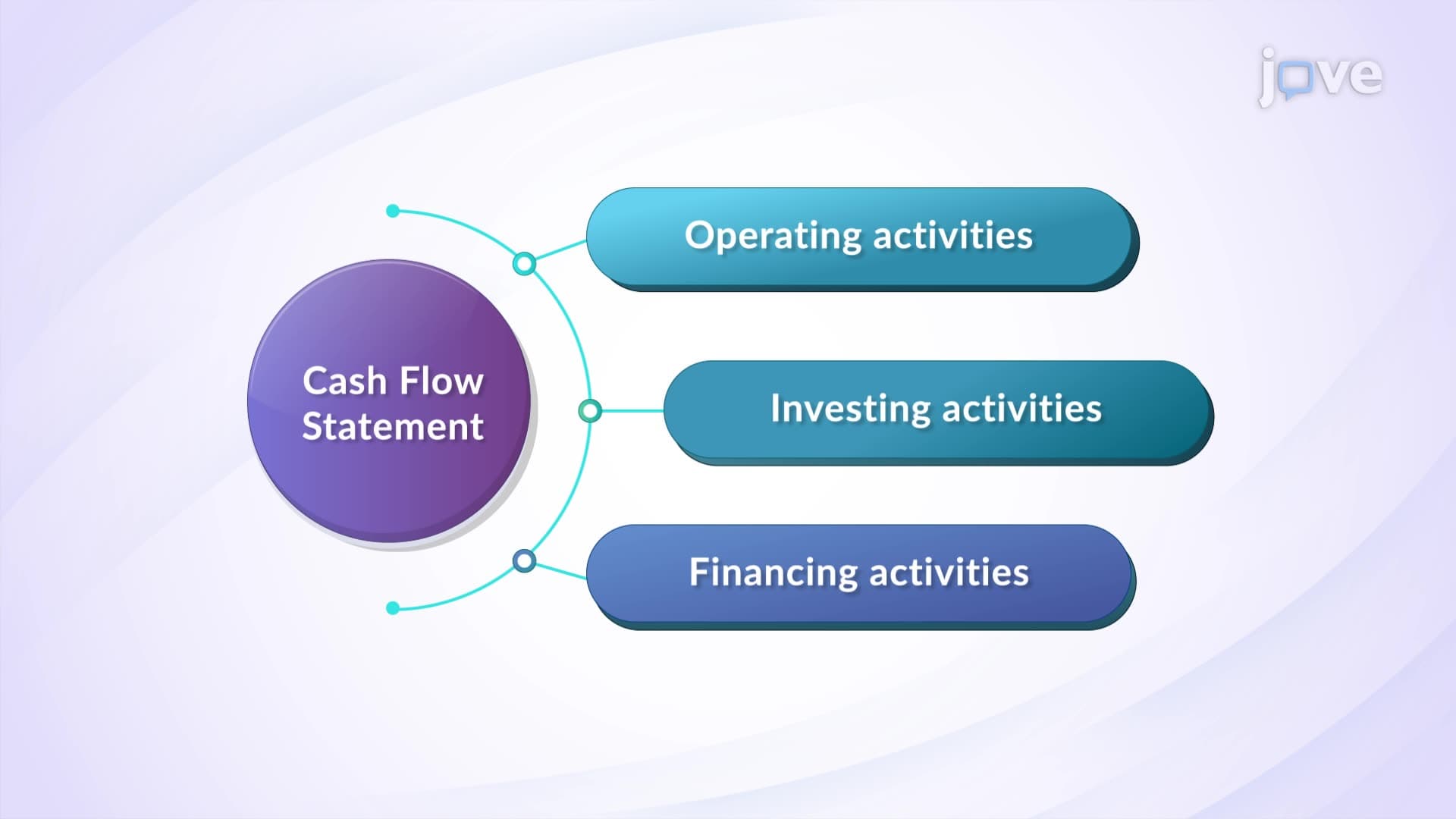
While income statements show profitability, cash flow statements reveal operational reality. Amazon famously operated with minimal profits while generating massive cash flows through working capital optimization. This cash generation funded their logistics infrastructure and cloud computing dominance. For managers, cash flow analysis helps predict funding needs, evaluate capital allocation decisions, and assess whether growth strategies are financially sustainable.
Integrating Financial Statement Analysis for Competitive Advantage
The real power emerges when you analyze these statements together. Walmart's financial statements collectively reveal their competitive moat: efficient asset utilization (balance sheet), operational scale advantages (income statement), and superior cash conversion (cash flow). This integrated analysis enables strategic decisions about vendor negotiations, market expansion, and competitive positioning that drive measurable business results.
Frequently Asked Questions
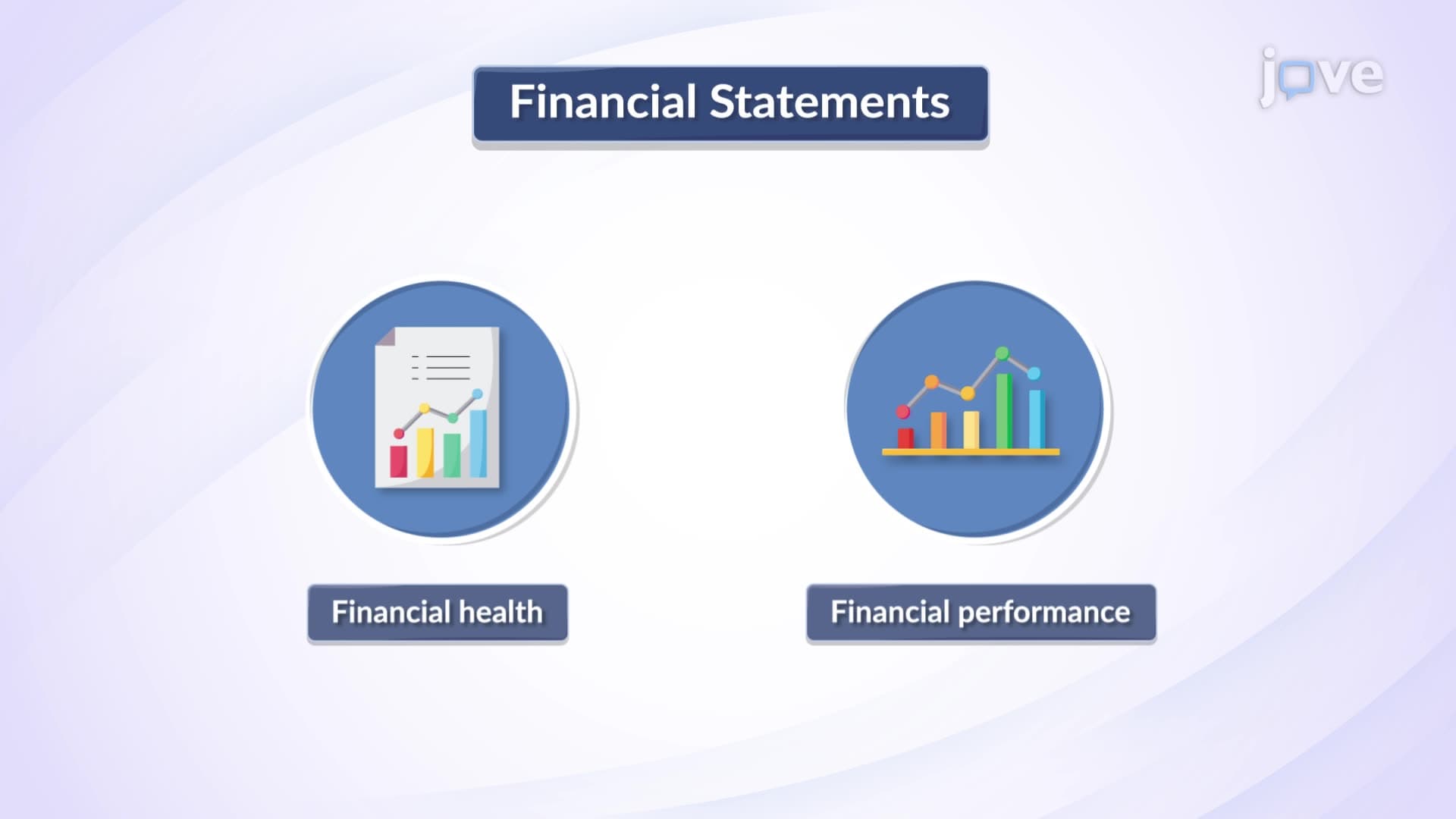
Financial statement analysis is the systematic evaluation of a company's balance sheet, income statement, and cash flow statement to assess financial health, operational efficiency, and strategic positioning. It's the foundation for investment decisions, credit evaluations, competitive analysis, and strategic planning. Business professionals use this analysis to make data-driven decisions about partnerships, acquisitions, market positioning, and resource allocation.
Start with the balance sheet to assess financial stability-strong cash positions and manageable debt levels indicate reliable partners. Review income statements for consistent profitability and revenue growth, signaling operational competence. Examine cash flows to ensure they can meet contractual obligations and invest in service improvements that benefit your relationship.
Key warning signs include declining gross margins (indicating pricing pressure or cost control issues), negative operating cash flow despite reported profits (potential earnings manipulation), excessive debt relative to equity (financial risk), and significant accounts receivable growth outpacing sales growth (collection problems). These patterns often indicate operational challenges or financial distress that could impact your business relationship.
Tesla strategically managed their cash flow statement by timing capital raises during stock price peaks, optimizing working capital through supplier payment terms, and reinvesting cash flows into manufacturing capacity. Their income statement showed increasing gross margins as production scaled, while their balance sheet demonstrated growing asset bases in manufacturing facilities. This coordinated approach enabled rapid expansion while maintaining investor confidence.
While helpful, extensive accounting knowledge isn't required for business-level financial statement analysis. Focus on understanding key ratios, trend analysis, and industry benchmarks rather than technical accounting rules. Most business professionals develop these skills through practical application and targeted learning, emphasizing strategic interpretation over technical preparation details.
Financial literacy distinguishes high-performing managers and executives across all industries. You'll contribute more effectively to strategic planning, budget discussions, and investment evaluations. This expertise opens doors to senior management roles, board positions, and consulting opportunities where financial acumen drives decision-making and stakeholder confidence.
Financial ratio analysis and benchmarking represent the logical next step, where you'll learn to calculate and interpret liquidity ratios, profitability metrics, and efficiency measures. This builds on financial statement knowledge by providing standardized tools for performance comparison and trend analysis that directly support strategic business decisions.
Related Micro-courses


