Loading subject page…


5,451 views

Video Summary: What Is Analysis of Financial Statements
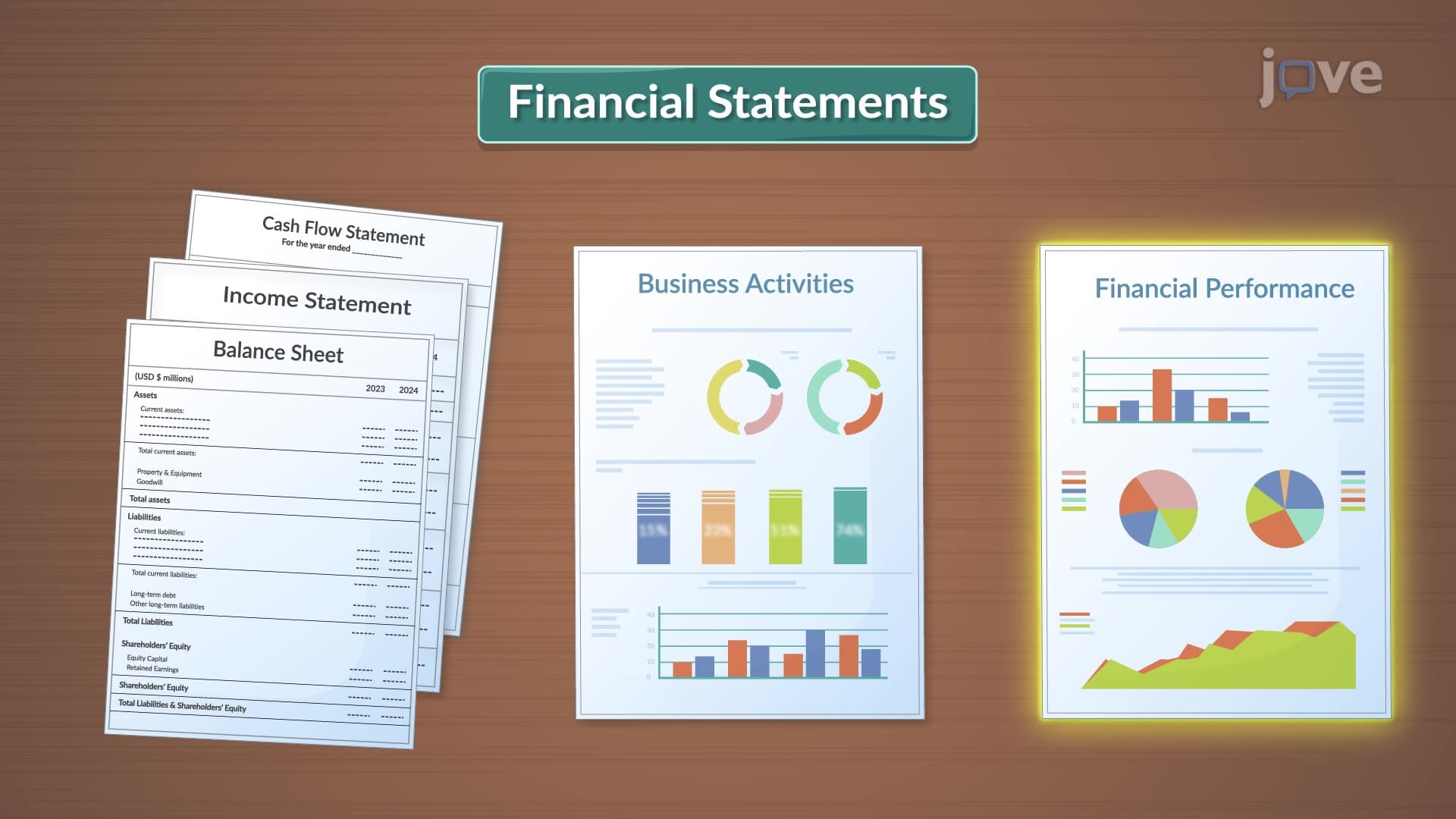
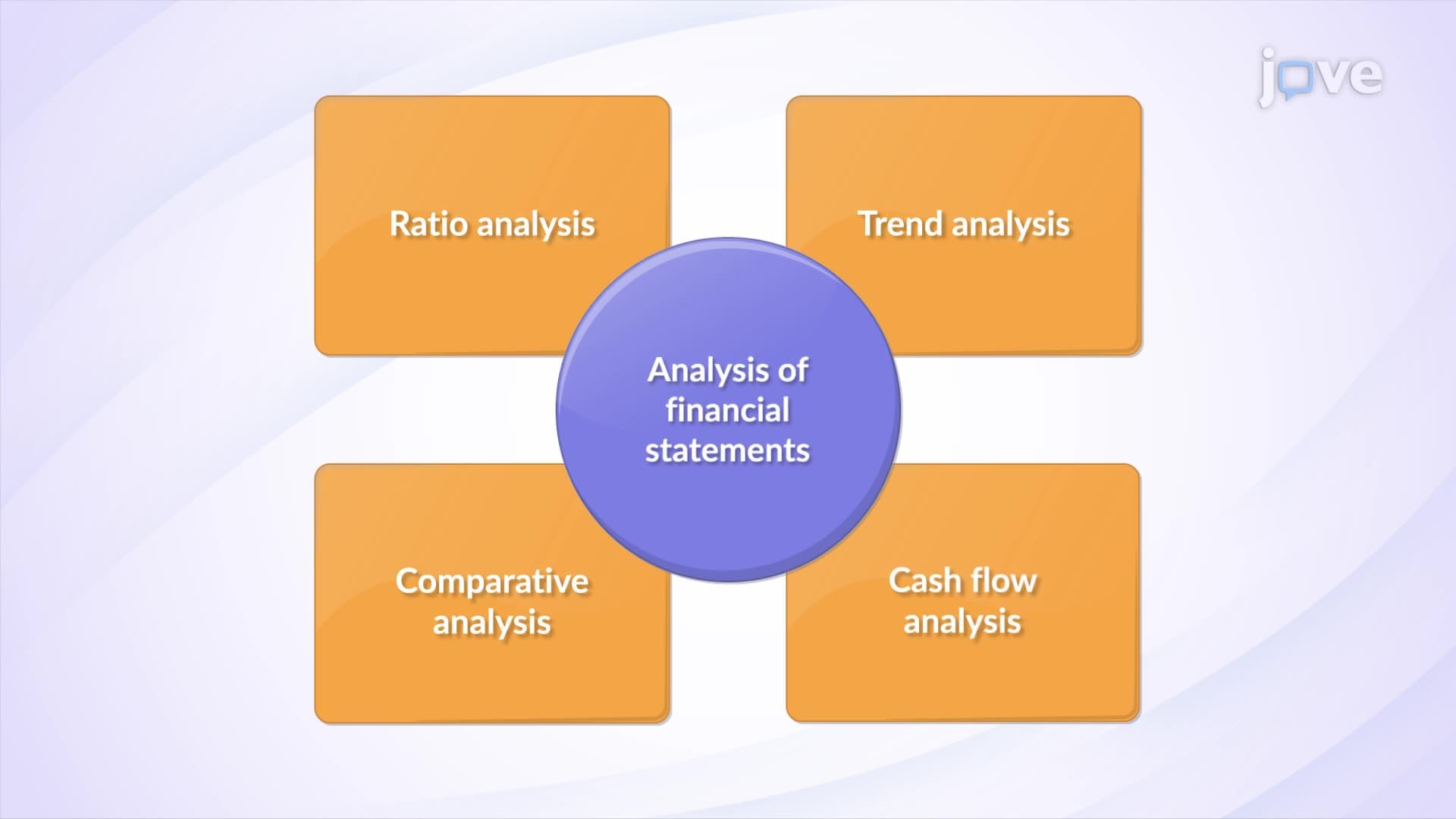
In today's data-driven business environment, executives rely on systematic analysis of financial statements to uncover performance insights that drive strategic decisions. This comprehensive approach involves four critical techniques: ratio analysis, trend analysis, comparative analysis, and cash flow analysis. Companies like Walmart demonstrate how effective financial statement analysis reveals operational efficiency, competitive positioning, and growth potential across multiple business cycles. Watch the full video on JoVE Coach to master this concept with expert-led visuals and step-by-step explanations.
When Microsoft's leadership evaluates potential acquisitions or Amazon's executives assess new market opportunities, they rely on rigorous analysis of financial statements to guide billion-dollar decisions. This systematic examination of financial data transforms raw accounting information into actionable business intelligence that drives competitive advantage.
Ratio Analysis: Measuring Operational Efficiency Ratio analysis converts financial statement data into meaningful performance metrics. When analyzing a retailer like Target, examining the inventory turnover ratio reveals how efficiently the company converts merchandise into sales. Return on equity (ROE) demonstrates management's effectiveness in generating shareholder value, while debt service coverage ratios indicate the company's ability to meet financial obligations. These ratios provide standardized benchmarks that enable meaningful performance comparisons across time periods and competitors.
Trend Analysis: Identifying Business Momentum Trend analysis examines financial performance across multiple reporting periods to identify patterns and trajectory. Netflix's subscriber growth trends, coupled with revenue per user metrics over five-year periods, reveal the sustainability of its business model and market penetration strategy. This longitudinal approach helps executives distinguish between temporary fluctuations and fundamental business shifts, informing long-term strategic planning and resource allocation decisions.
Comparative Analysis: Benchmarking Competitive Position Comparative analysis positions company performance against industry peers and market leaders. When evaluating Coca-Cola's financial metrics against PepsiCo's results, analysts examine gross margins, market share trends, and capital efficiency ratios. This benchmarking reveals competitive strengths, identifies performance gaps, and highlights strategic opportunities for market positioning and operational improvements.
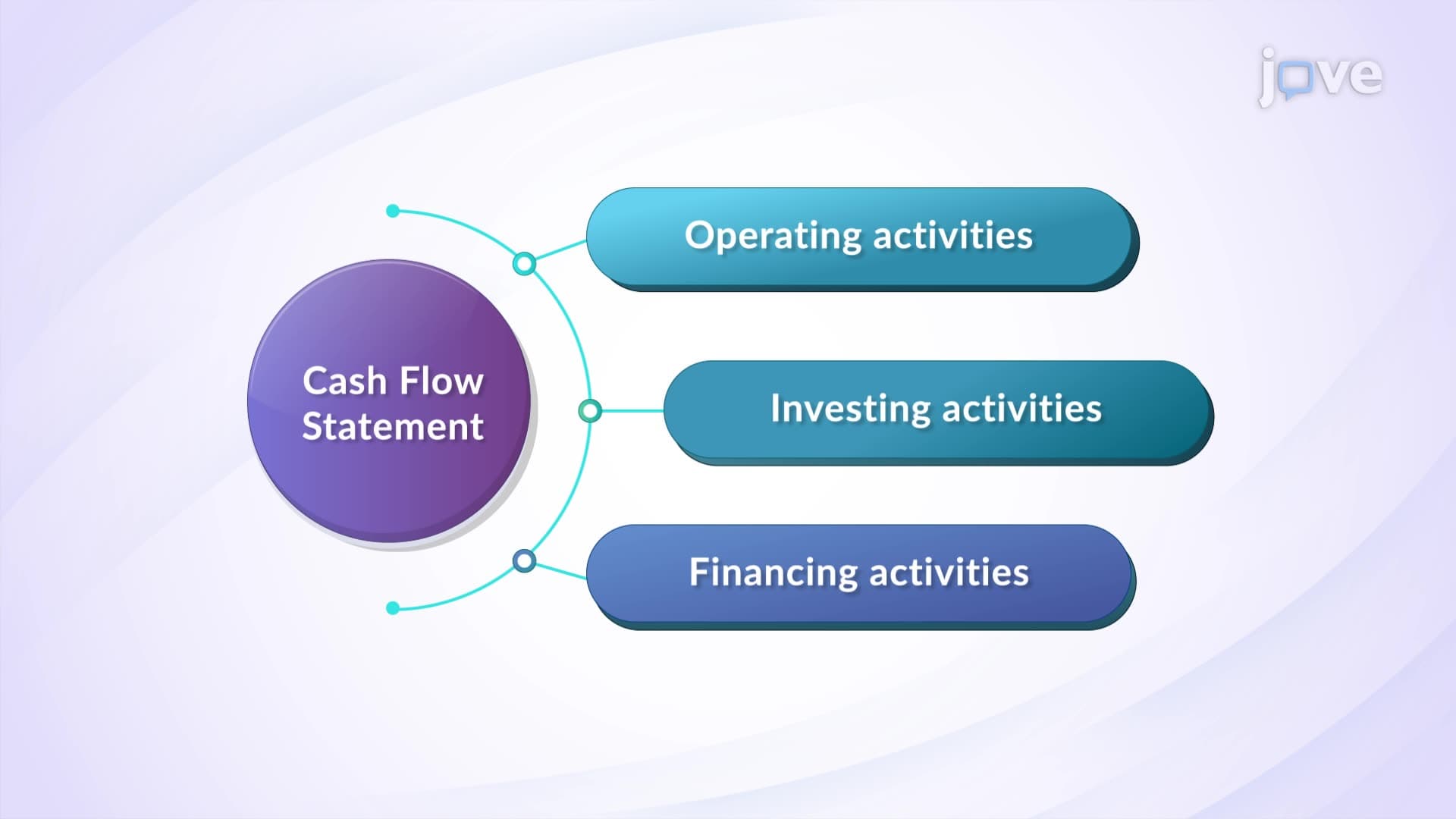
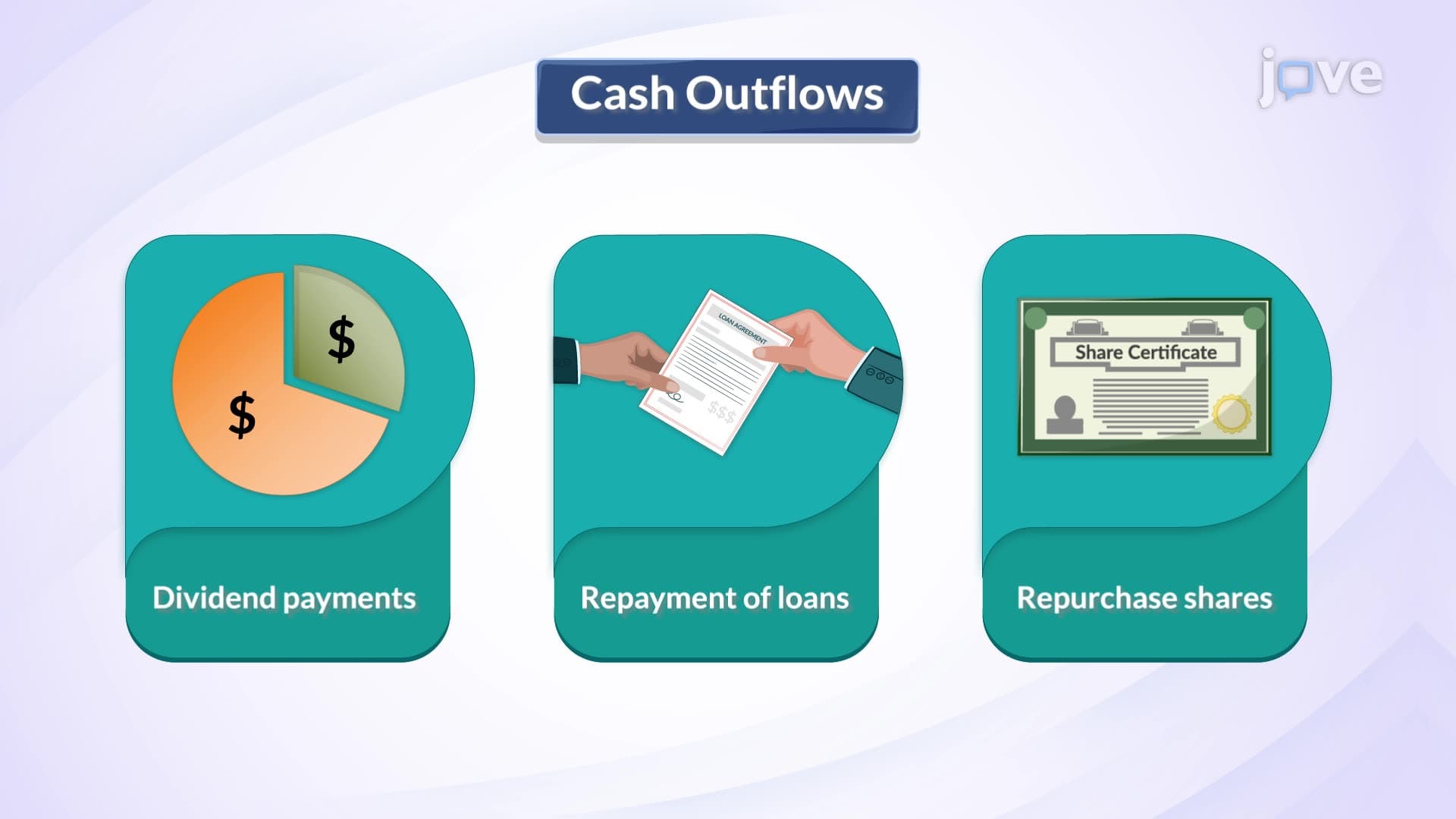
Cash Flow Analysis: Assessing Financial Sustainability Cash flow analysis examines the actual cash generation and utilization patterns that determine business viability. Apple's massive operating cash flows fund innovation investments, shareholder returns, and strategic acquisitions without requiring external financing. Understanding free cash flow generation helps executives evaluate dividend sustainability, growth funding capacity, and financial flexibility during economic downturns.
Professional financial statement analysis supports critical business functions including capital allocation decisions, performance management, risk assessment, and strategic planning. Investment committees use these insights to evaluate portfolio companies, while corporate development teams rely on financial analysis to structure acquisition terms and integration strategies.
Related Micro-courses