Loading subject page…


5,451 views

Video Summary: What Is Depreciation on Fixed Assets
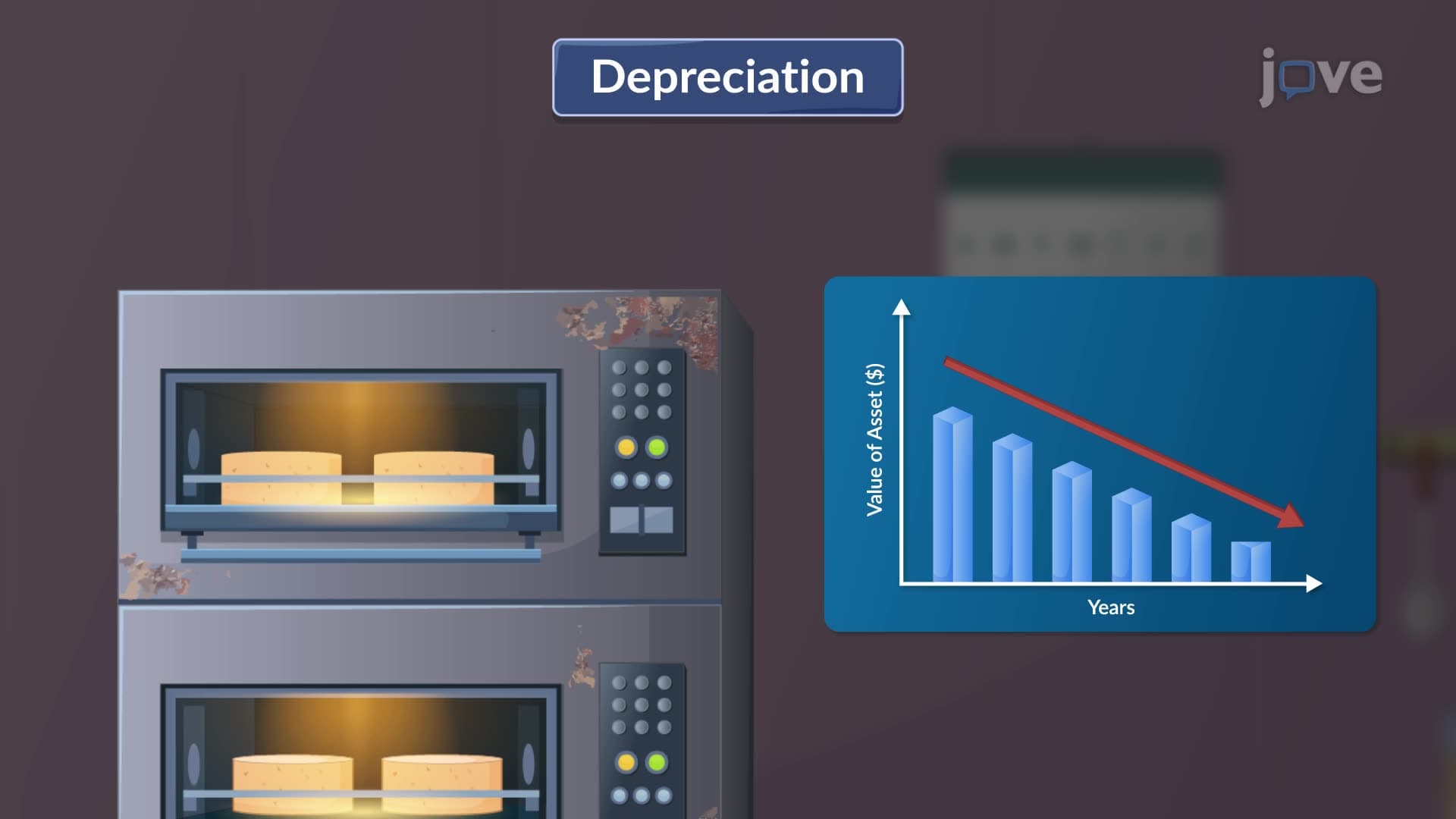
When Amazon reports billions in capital expenditures for fulfillment centers and technology infrastructure, understanding depreciation on fixed assets becomes critical for evaluating their true profitability and cash flow dynamics. Depreciation on fixed assets represents the systematic allocation of an asset's cost over its productive lifespan, directly impacting financial reporting accuracy and strategic investment decisions. This accounting methodology ensures companies like Apple properly match the cost of manufacturing equipment with the revenue generated from iPhone production over multiple fiscal periods. Watch the full video on JoVE Coach to master this concept with expert-led visuals and step-by-step explanations.
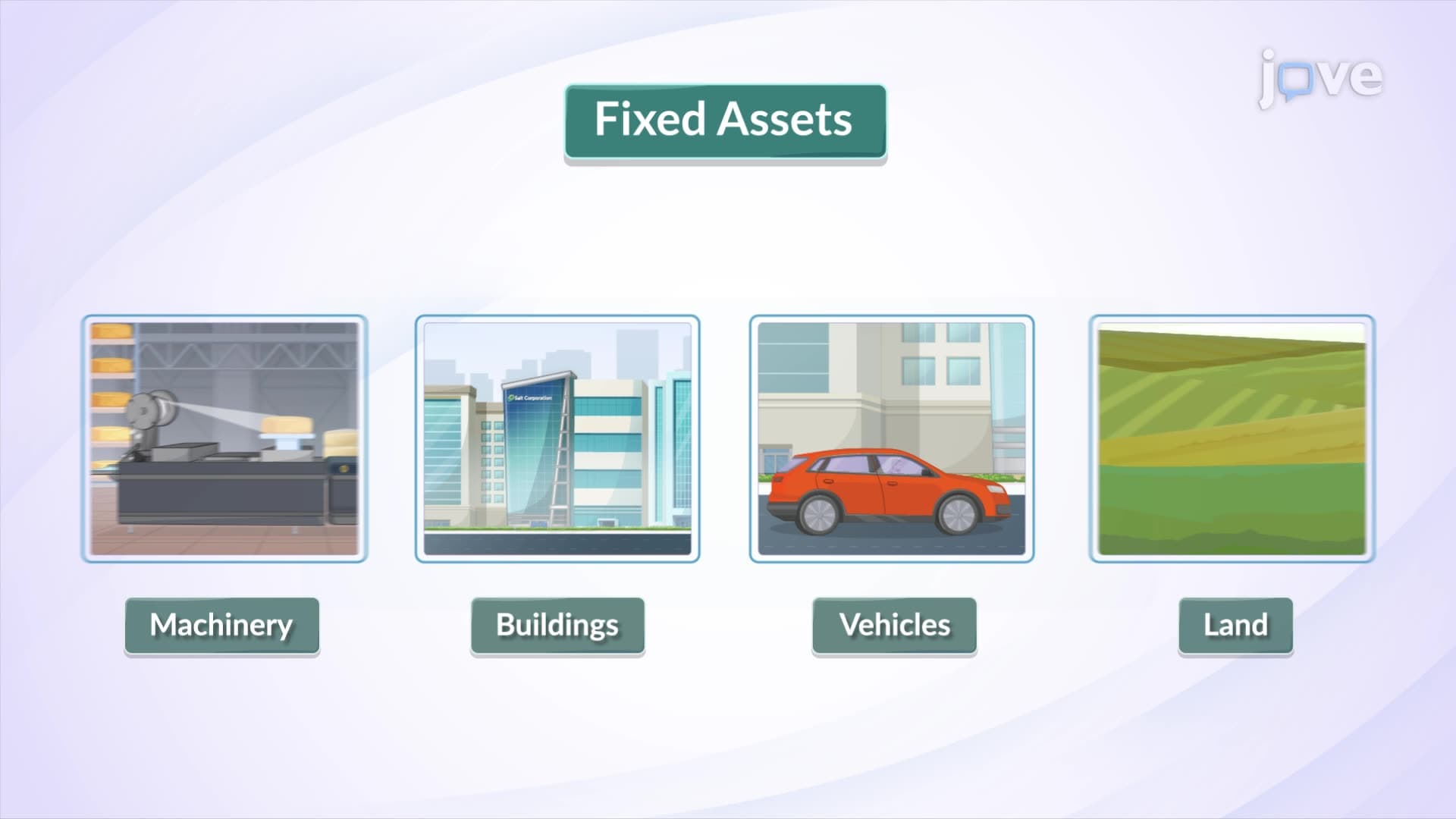
Every quarter, manufacturing giants like General Electric face investor scrutiny over their massive fixed asset bases-from jet engine production facilities to power generation equipment. The depreciation on fixed assets concept becomes central to explaining how these capital-intensive investments translate into sustainable competitive advantages and long-term profitability.
Depreciation on fixed assets definition extends far beyond accounting mechanics. When Tesla invests $1.5 billion in a new Gigafactory, the depreciation methodology directly influences reported margins, cash flow availability, and stock valuation. The systematic allocation process ensures that the massive upfront investment gets matched against the revenue generated by vehicles produced over the facility's 20-year operational life.
Consider three primary depreciation approaches and their strategic implications. The straight-line method provides predictable expense recognition, making it easier for CFOs to forecast earnings and communicate consistent performance to Wall Street. Manufacturing companies like Caterpillar often prefer this approach for production equipment where usage remains relatively constant. The units of production method aligns depreciation with actual asset utilization-particularly valuable for companies like FedEx, where aircraft depreciation correlates directly with flight hours and package delivery volume.
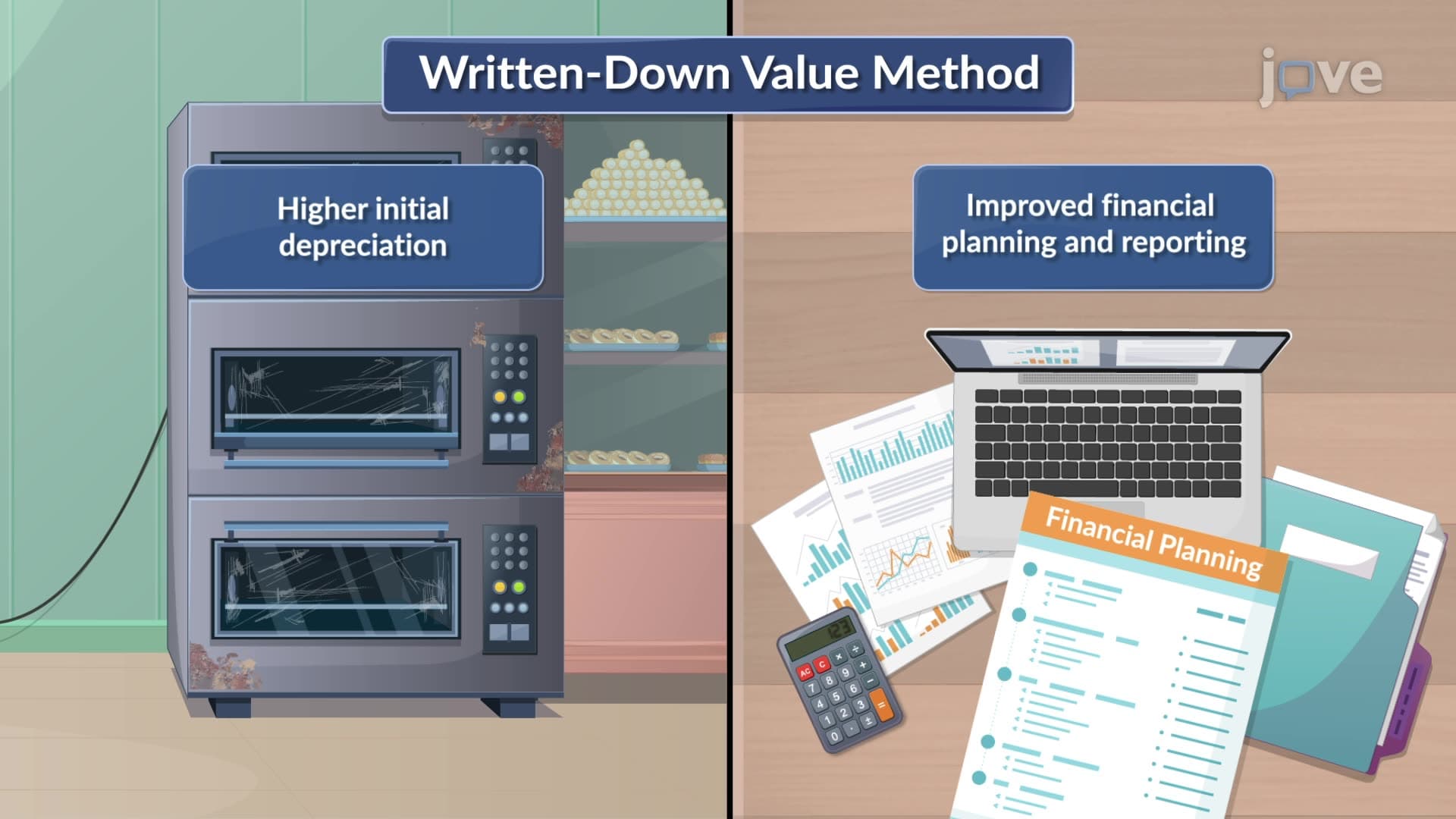
Depreciation policies significantly impact competitive positioning. Companies using accelerated depreciation methods may report lower initial profits but generate substantial tax benefits, freeing up cash for research and development or market expansion. This strategic choice becomes particularly critical in capital-intensive sectors where innovation cycles demand continuous reinvestment.
Understanding depreciation on fixed assets in detail requires recognizing its role in investment decision-making. When evaluating major capital expenditures, finance professionals must consider not just the initial cost but how depreciation will impact financial statements, tax obligations, and cash flow over time. This analysis directly influences everything from equipment lease-versus-buy decisions to merger and acquisition valuations, where understanding a target company's remaining asset life and depreciation methods can reveal hidden value or potential red flags.
Related Micro-courses