Loading subject page…


5,451 views

Video Summary: What Is Income Statement Expenses
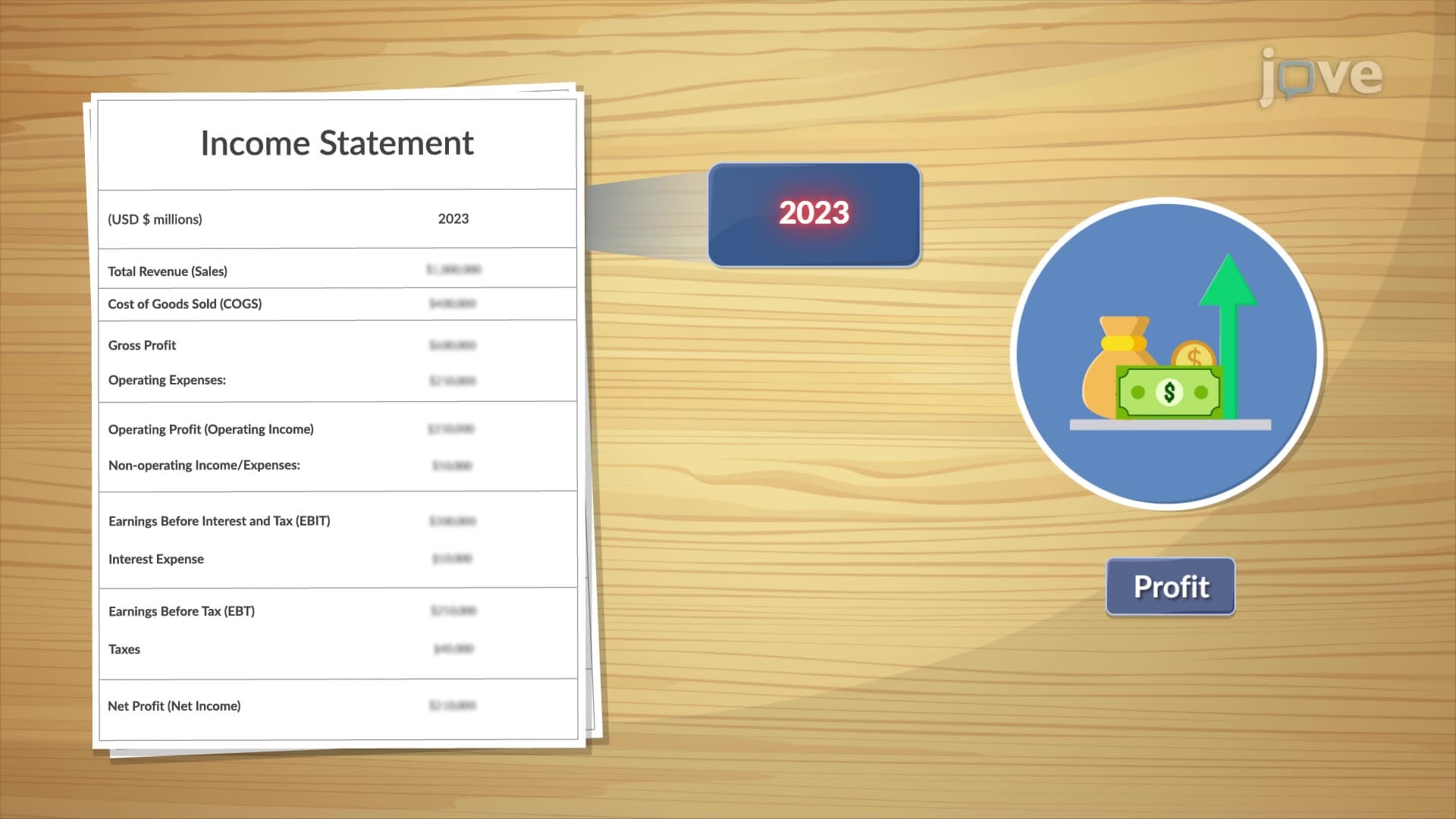
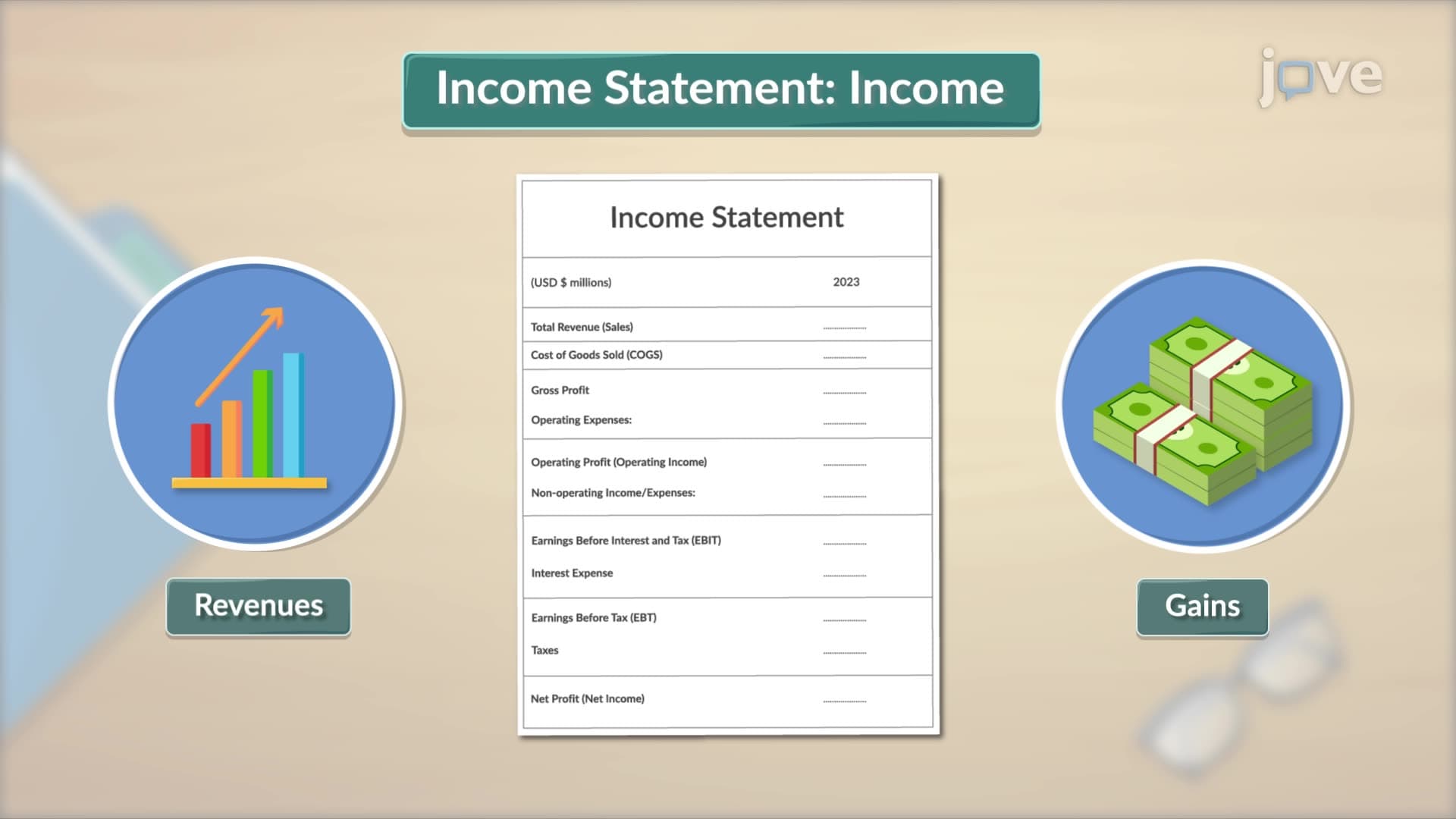
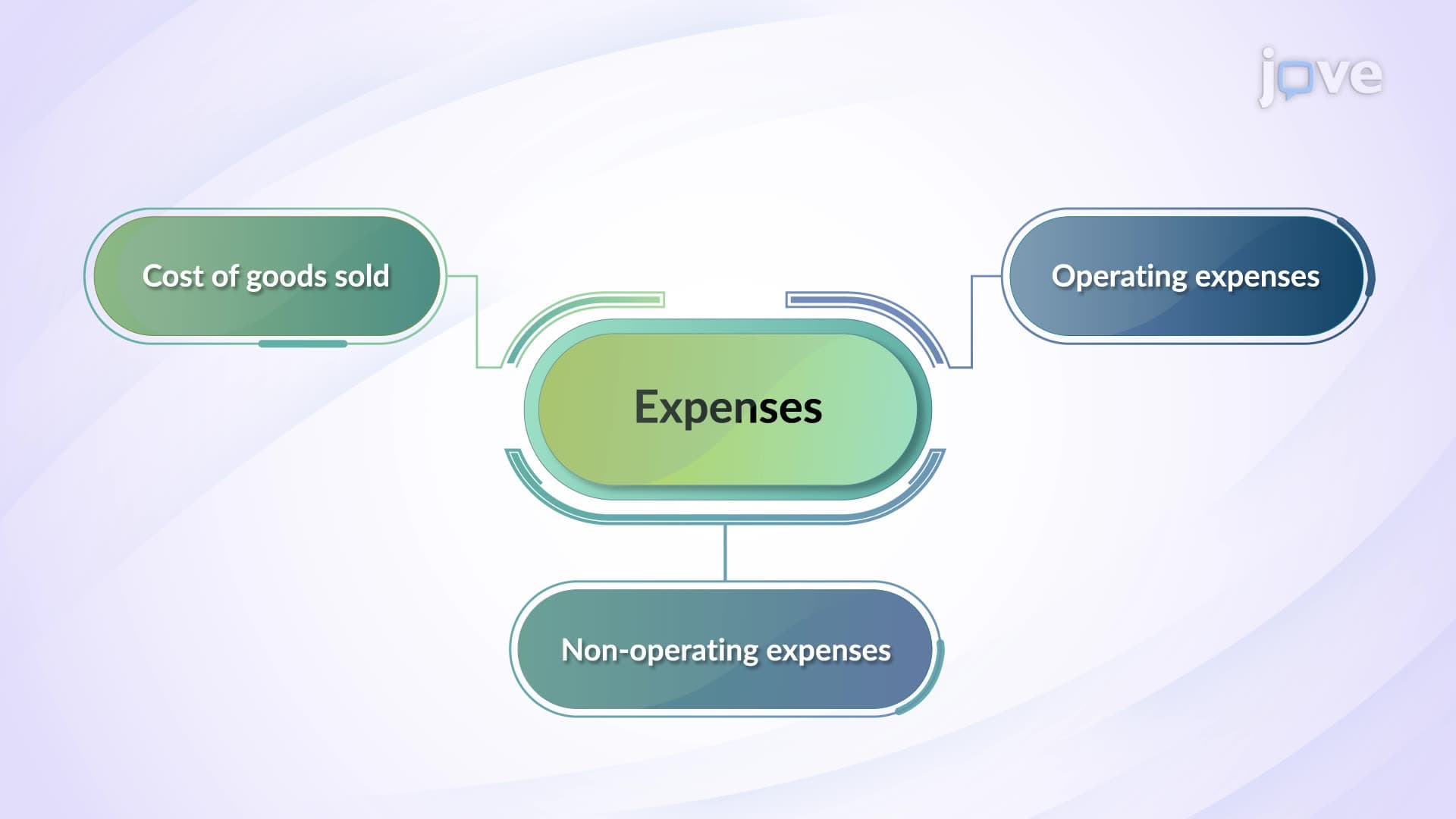
CFOs at companies like General Electric spend countless hours analyzing income statement expenses to optimize profitability and guide strategic decision-making. Income statement expenses represent all costs a business incurs to generate revenue during a specific period, categorized into cost of goods sold, operating expenses, and non-operating expenses. Understanding these expense categories enables finance professionals to identify cost reduction opportunities, improve margin analysis, and make informed budget allocation decisions that directly impact bottom-line performance. Watch the full video on JoVE Coach to master this concept with expert-led visuals and step-by-step explanations.
When Amazon's leadership reviews quarterly performance, they don't just look at revenue growth-they meticulously analyze expense structures to maintain competitive advantage. Income statement expenses encompass all costs businesses incur to generate revenue within a specific accounting period, forming the foundation for profitability analysis and strategic decision-making in corporate America.
Cost of Goods Sold (COGS) represents direct production costs-the raw materials, direct labor, and manufacturing overhead directly tied to creating products or delivering services. For manufacturing giants like Ford Motor Company, COGS includes steel, rubber, assembly line wages, and factory utilities. Service companies like McKinsey & Company classify consultant salaries and project-specific resources as their equivalent to COGS.
Operating expenses encompass the day-to-day costs of running the business, from corporate headquarters rent to marketing campaigns, administrative salaries to technology infrastructure. These expenses, while not directly tied to individual products, enable the entire business operation. Companies like Microsoft carefully monitor operating expense ratios to ensure sustainable growth while maintaining operational leverage.
Non-operating expenses include costs unrelated to core business activities, such as interest payments on debt, foreign exchange losses, or restructuring charges. When General Motors restructured operations, these one-time costs appeared as non-operating expenses, allowing analysts to distinguish between ongoing operational performance and extraordinary events.
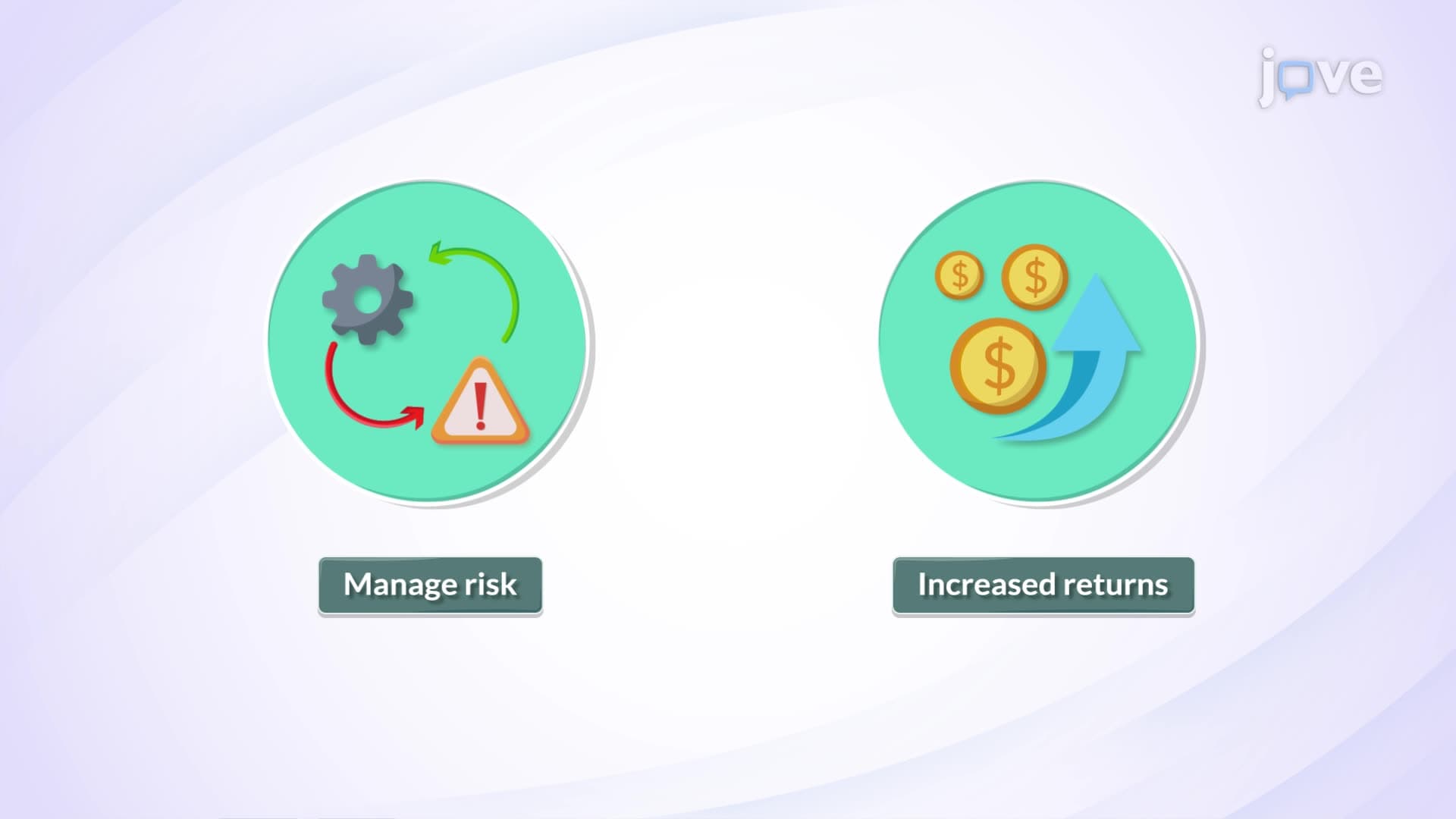
Expense management directly impacts competitive positioning and shareholder value creation. Companies with superior expense discipline, like Walmart with its legendary cost control, can offer competitive pricing while maintaining healthy margins. This expense efficiency creates sustainable competitive advantages that pure revenue growth cannot match.
Finance professionals use expense analysis to evaluate operational leverage-how fixed costs behave as revenue scales. Understanding this relationship enables better forecasting, capacity planning, and investment timing decisions that drive long-term value creation.
Related Micro-courses