Loading subject page…


5,451 views

Video Summary: What Is Income Statement Income
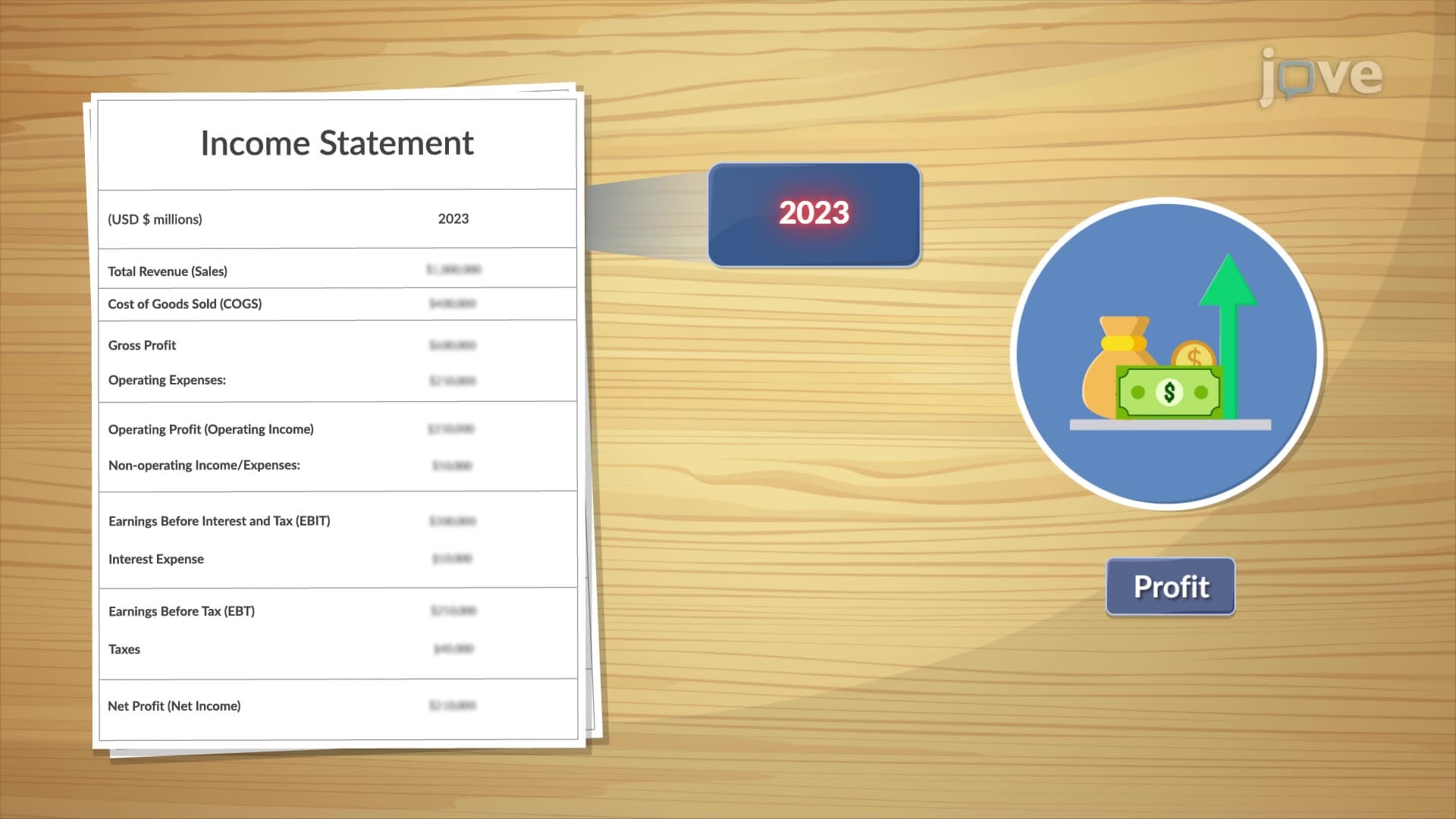
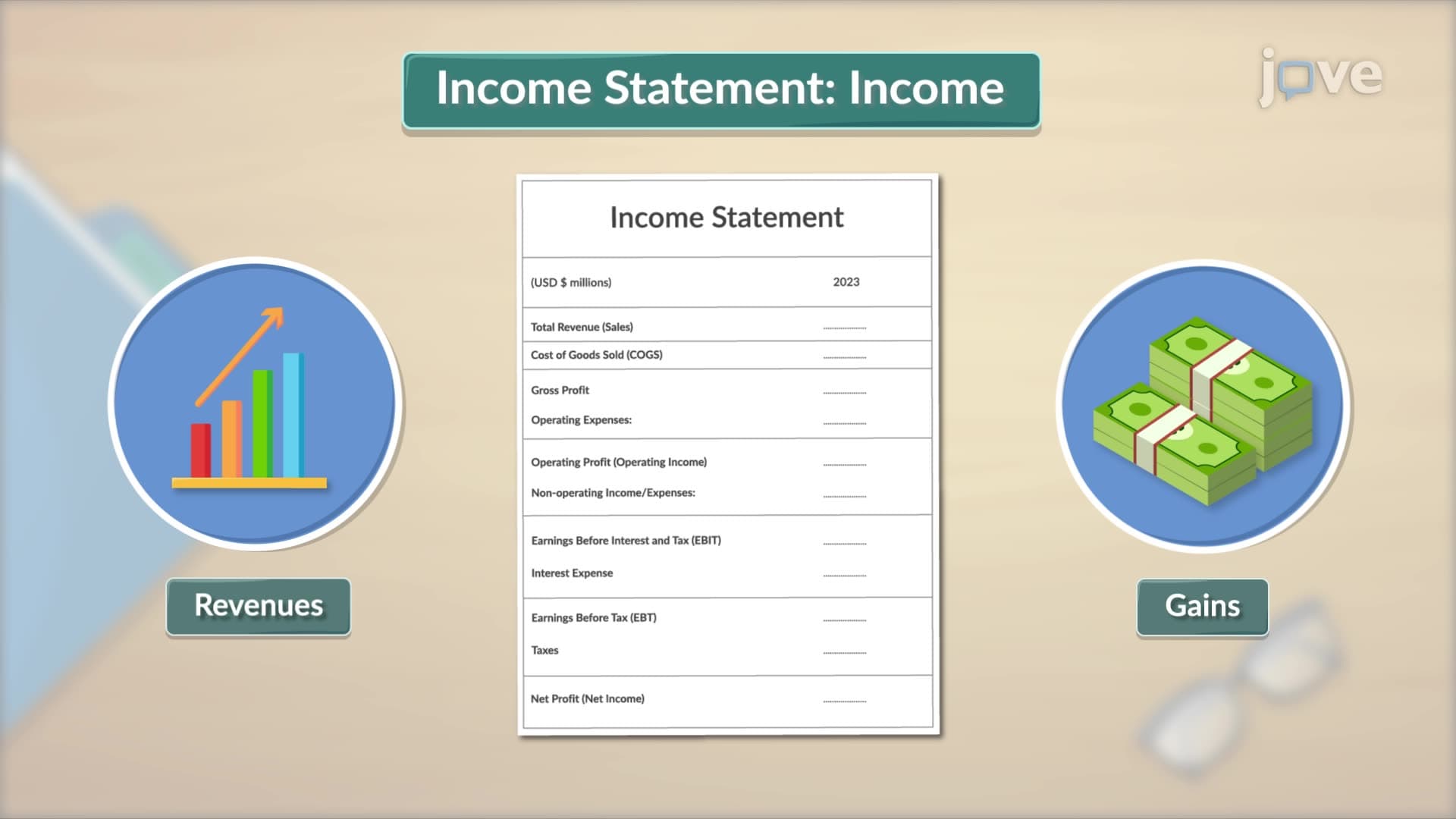
Financial leaders at companies like General Electric rely on accurate income statement income analysis to drive strategic decisions and communicate performance to stakeholders. Income statement income encompasses all revenues from core business operations plus gains from ancillary activities, providing a comprehensive view of earning capacity. Understanding what is income statement income enables professionals to evaluate business performance beyond surface-level metrics. Watch the full video on JoVE Coach to master this concept with expert-led visuals and step-by-step explanations.
When Amazon's leadership presents quarterly earnings to Wall Street analysts, they're showcasing income statement income-the comprehensive measure of all revenues and gains generated during a specific period. This critical financial metric goes far beyond simple sales figures, encompassing every dollar that flows into the organization from both primary operations and secondary activities.
Income statement income definition explained reveals two fundamental components that savvy business leaders must distinguish. Primary revenues stem from core business activities-think Microsoft's software licensing fees or Starbucks' beverage sales. These predictable income streams form the backbone of sustainable business models and directly reflect operational effectiveness.
Secondary gains represent profits from non-core activities: asset disposals, investment returns, insurance settlements, or licensing deals. When IBM sold its PC business to Lenovo, the transaction generated significant gains that appeared on IBM's income statement, but these one-time events don't indicate ongoing operational strength.
Professional managers use income statement income analysis to evaluate business health and make critical decisions. A retailer like Target might generate $80 billion in merchandise sales while earning additional income from credit card operations, real estate ventures, and supplier partnerships. Understanding this income composition helps executives identify which business segments drive profitability and where to allocate future investments.
Smart professionals apply a three-tier approach when analyzing income statement income. First, isolate recurring operational revenues to understand baseline business performance. Second, identify growth trends in core income streams to forecast future potential. Third, evaluate the sustainability of ancillary income sources-are they repeatable or one-time events?
This framework proves invaluable during budget planning sessions, merger evaluations, or when presenting business cases to senior leadership. Companies with diversified income streams often command higher valuations because they demonstrate reduced risk and multiple growth pathways.
Related Micro-courses