Loading subject page…

- Marketing
- Services Marketing
- Customer Expectations and Factors Influencing It
Micro-course: Services Marketing
6,267 views
Learn key concepts and earn your certificate.










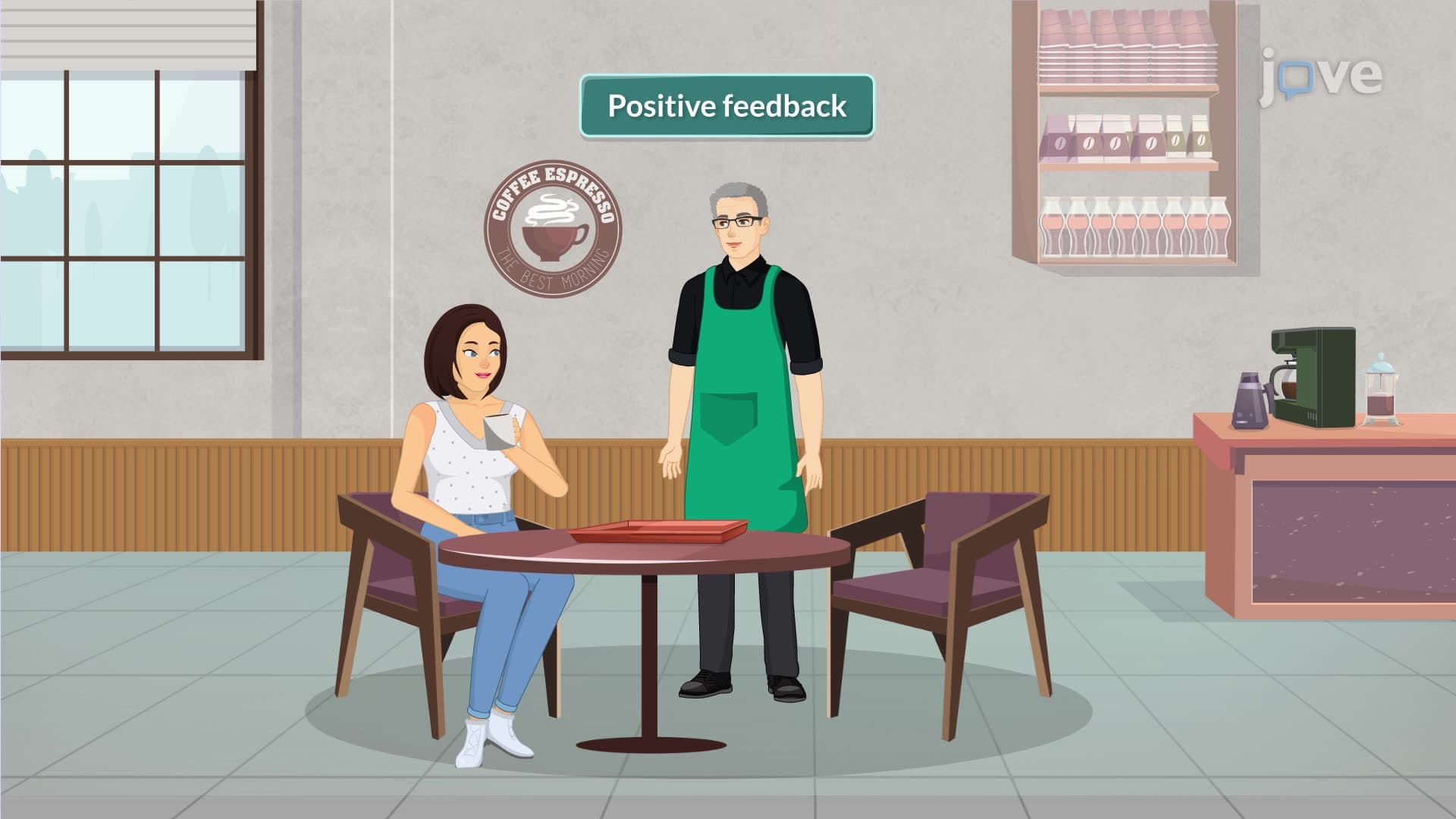


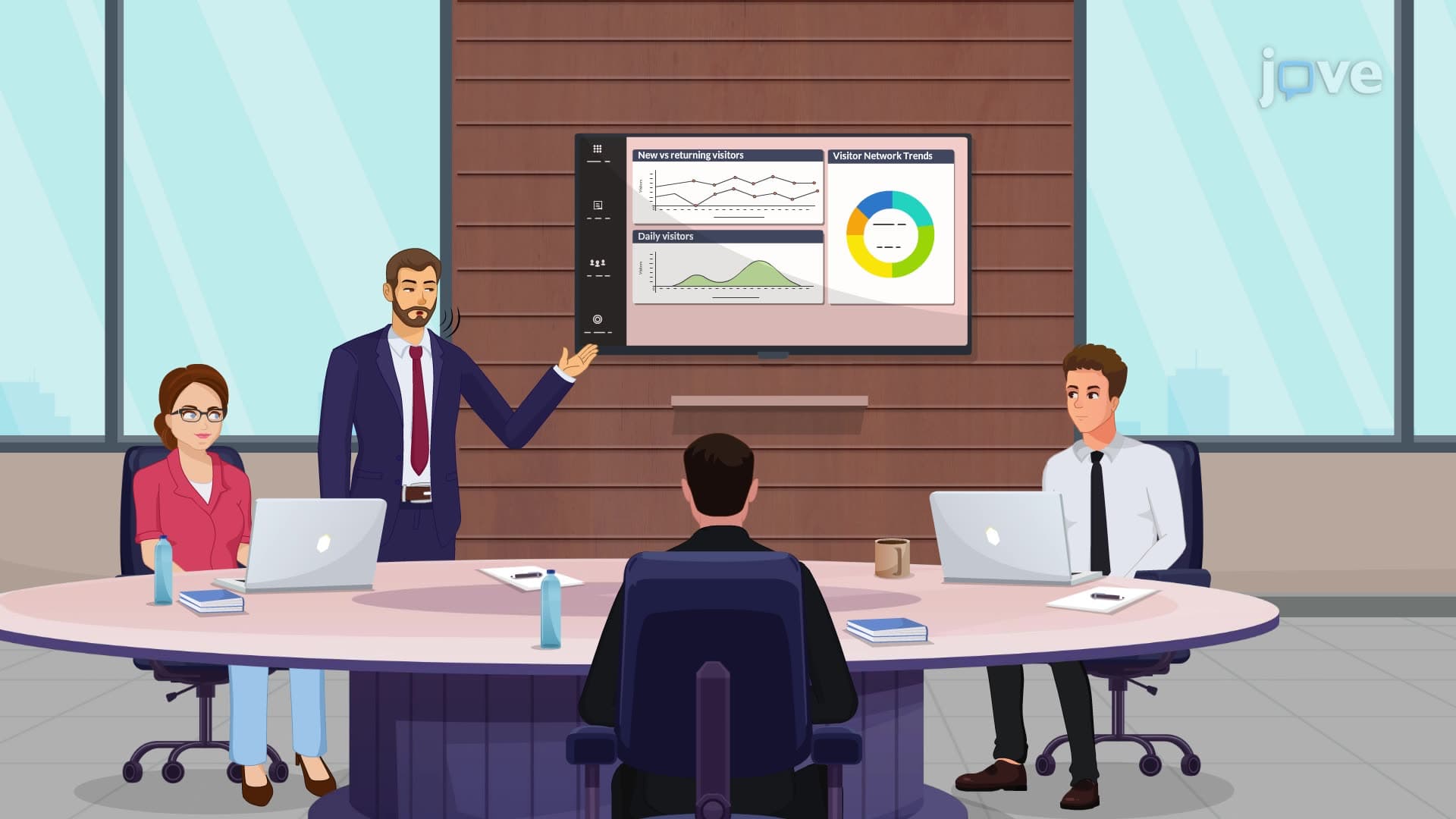
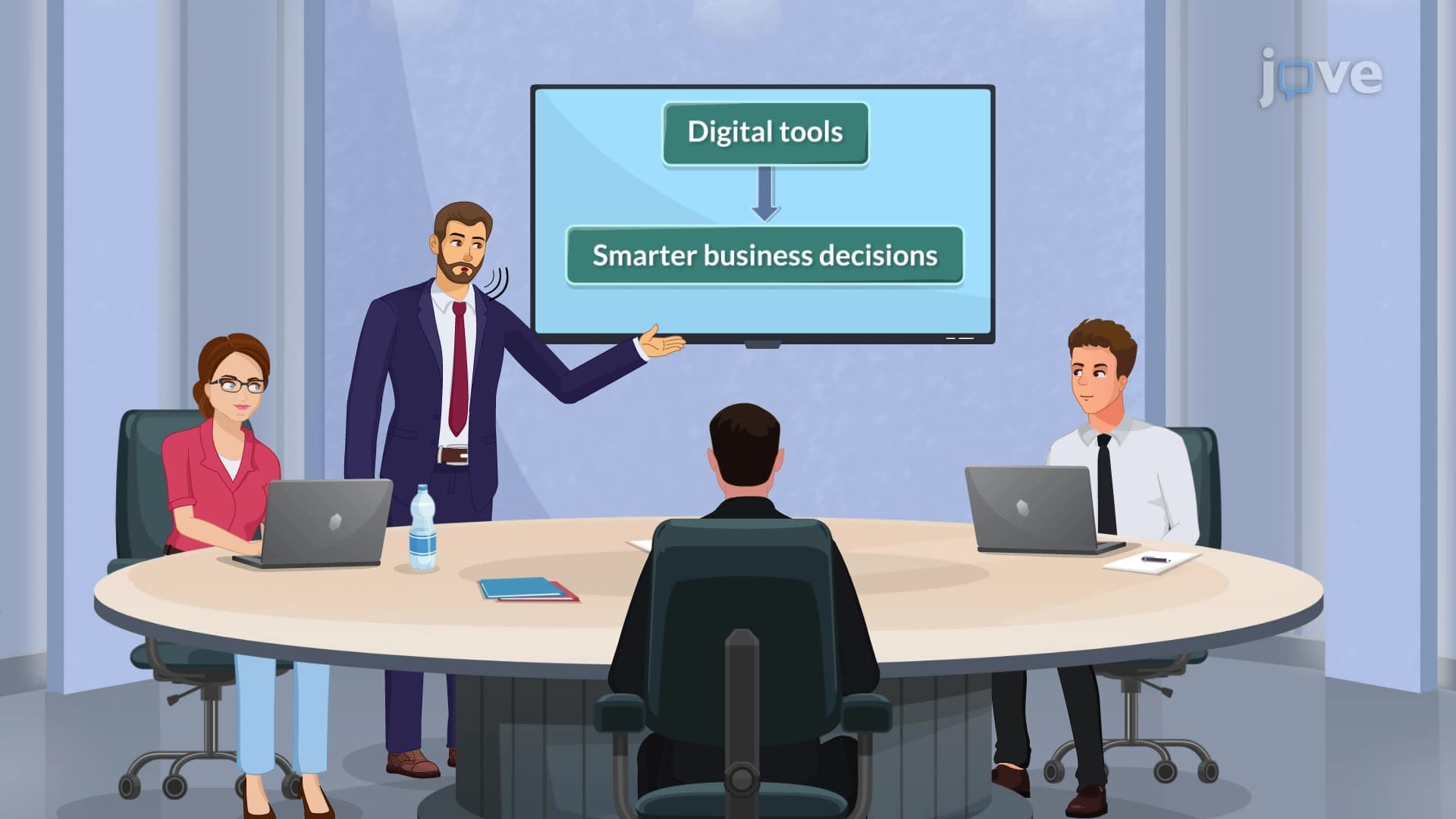



Customer Expectations and Factors Influencing It
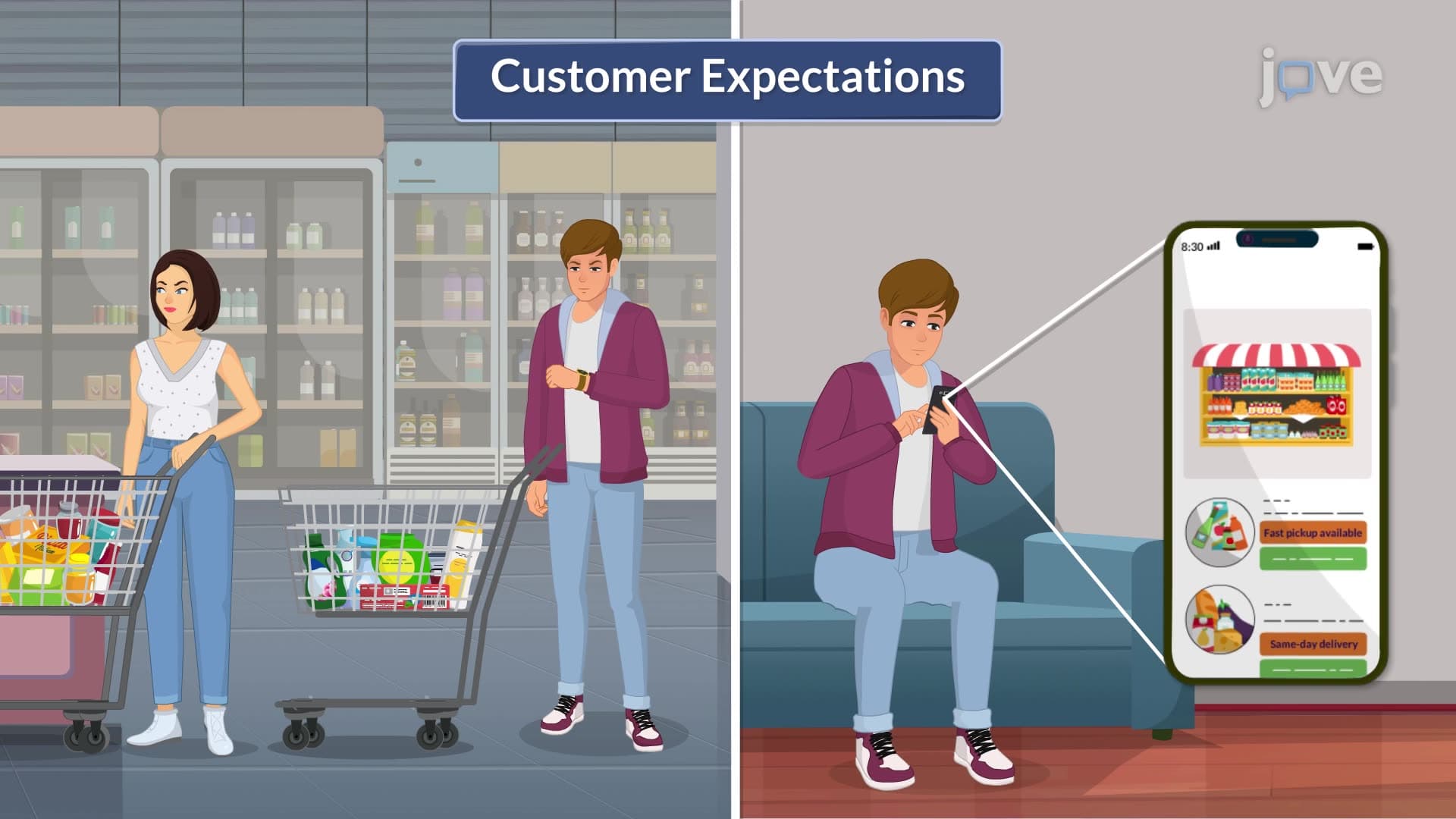

00:00
01:30
Video Summary: Customer Expectations and Factors Influencing It Explained
Understanding customer expectations factors influencing service delivery has become critical as 73% of consumers say experience impacts their purchasing decisions. When Amazon sets the gold standard for fast delivery and personalized recommendations, every business must strategically manage the gap between desired service levels and minimum acceptable standards. Customer Expectations And Factors Influencing It Explained provides the framework for building sustainable competitive advantage through expectation management. Watch the full video on JoVE Coach to master this concept with expert-led visuals and step-by-step explanations.
- Apply the tolerance zone framework to optimize service delivery costs while maintaining customer satisfaction across different market segments
- Evaluate how word-of-mouth and external communications impact customer expectations to inform marketing strategy and budget allocation decisions
- Analyze the gap between desired, predicted, and adequate service levels to identify competitive differentiation opportunities
- Implement expectation management strategies that align operational capabilities with customer perceptions for improved profitability
- Assess how past customer experiences influence future expectations to design retention and recovery programs
- Leverage personal needs identification to create targeted value propositions that command premium pricing
- Identify external factors that elevate customer expectations to proactively adjust service standards and prevent satisfaction erosion
- Compare customer expectation drivers across different touchpoints to allocate resources for maximum ROI impact
Understanding Customer Expectations And Factors Influencing It Explained
In today's hyper-competitive marketplace, managing customer expectations has evolved from a service function to a strategic imperative. When Nordstrom's legendary return policy creates customer expectations that ripple across the entire retail industry, businesses must understand the complex dynamics that shape what customers expect versus what they'll accept.
The Service Expectation Hierarchy: Strategic Framework for Decision-Making
Customer expectations operate on three distinct levels that directly impact pricing power and market positioning. Desired service represents the ideal experience customers seek-think Ritz-Carlton's personalized concierge service or Apple's seamless ecosystem integration. This level commands premium pricing but requires significant operational investment.
Adequate service establishes the minimum threshold before customer defection occurs. Southwest Airlines mastered this balance, offering no-frills service that consistently meets basic expectations while maintaining industry-leading customer satisfaction. The tolerance zone between these levels represents your operational flexibility-the space where cost optimization can occur without triggering customer churn.
Key Factors Driving Customer Expectations
Personal needs drive expectation formation and create segmentation opportunities. Business travelers prioritize efficiency and reliability, while leisure travelers may accept slower service for lower costs. Understanding these need-based segments allows for targeted service design and pricing strategies.
Word-of-mouth amplification has intensified with social media, making reputation management a board-level concern. A single negative experience at Chipotle can generate thousands of social impressions within hours, fundamentally shifting market expectations. Progressive companies monitor sentiment analytics to predict expectation shifts before they impact financial performance.
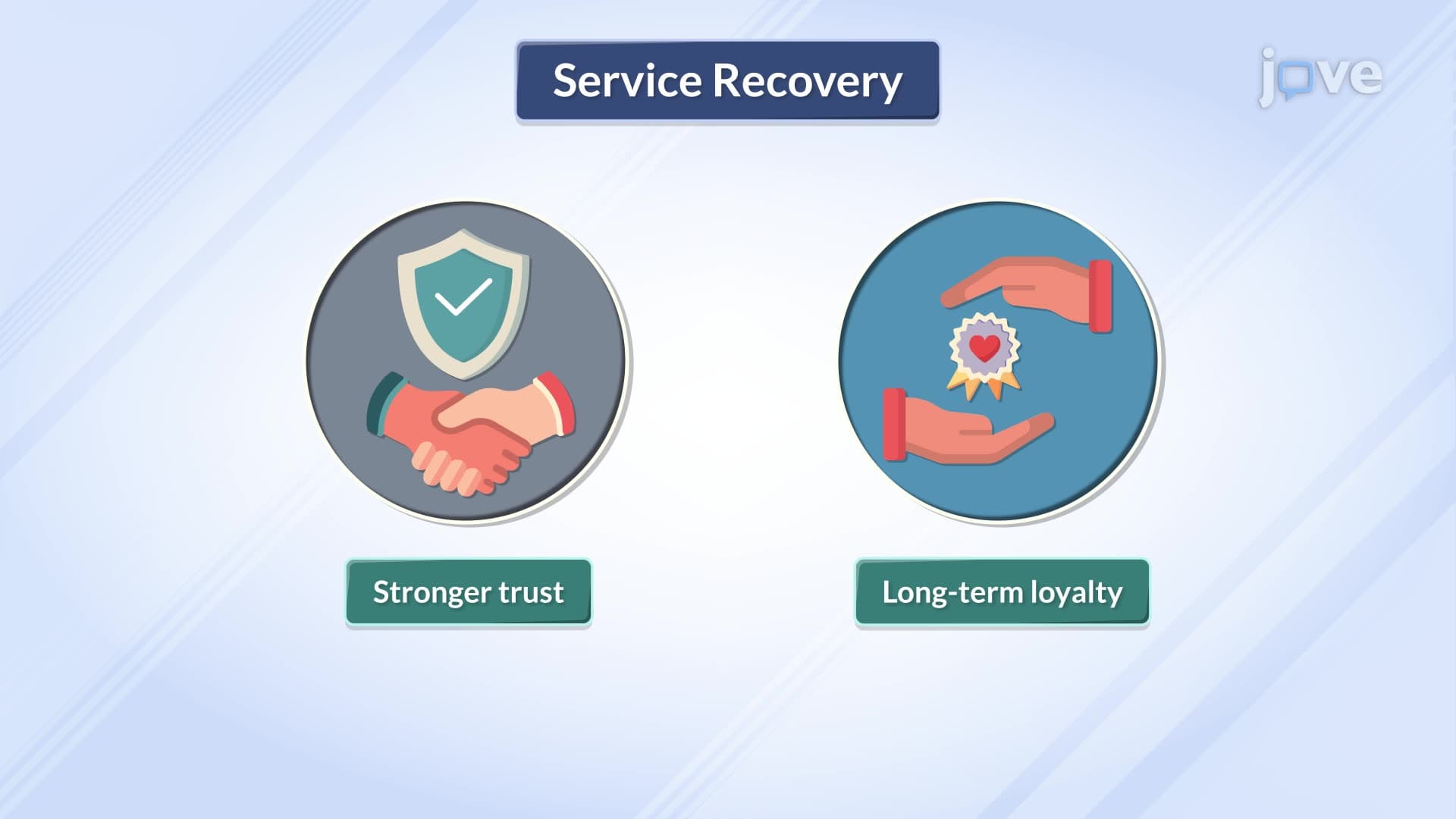
Past experiences create expectation anchoring that influences customer lifetime value calculations. When customers experience exceptional service recovery-like how Zappos handles returns-they often become more loyal than customers who never experienced problems. This dynamic makes investment in service recovery systems financially strategic.
External Communications and Expectation Management
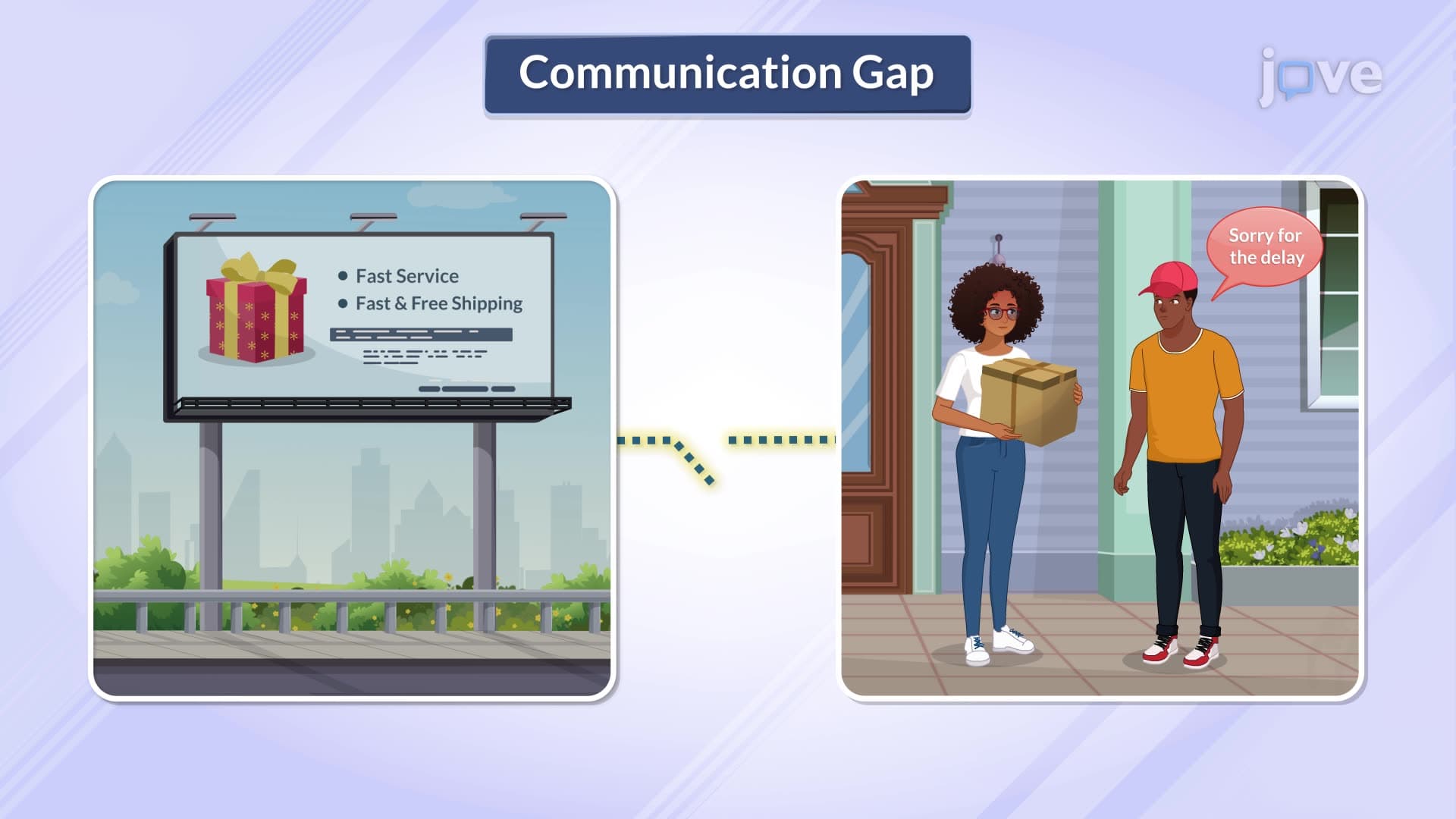
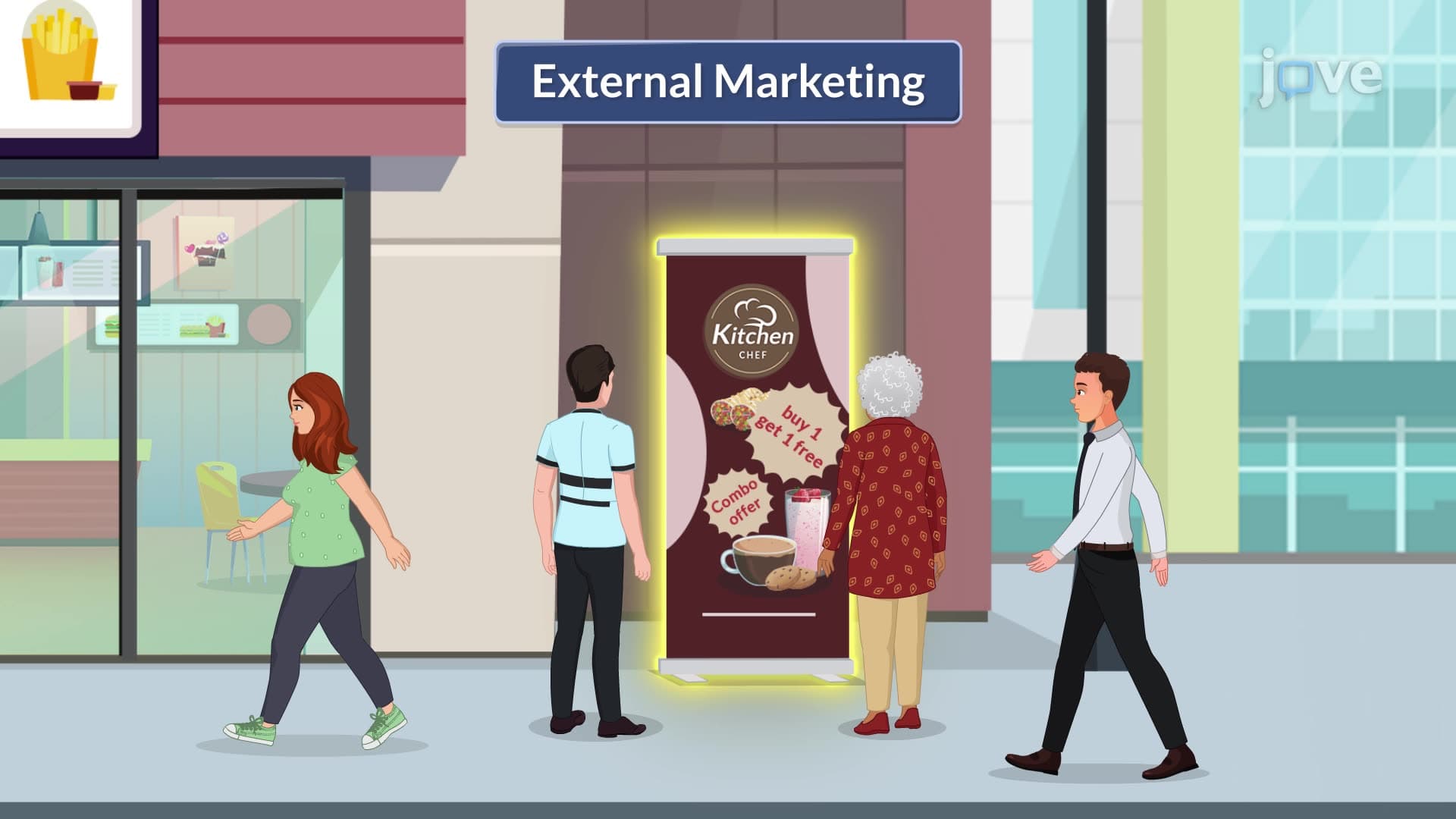
Marketing communications directly influence customer expectations, creating both opportunity and risk. When Domino's launched their "30 minutes or less" campaign, they elevated industry delivery expectations permanently. Smart organizations align marketing promises with operational capabilities to avoid creating unsustainable expectation inflation that erodes margins over time.
Frequently Asked Questions
Customer expectations represent the anticipated service levels customers believe they should receive, influenced by personal needs, past experiences, word-of-mouth, and marketing communications. These expectations directly impact customer satisfaction, retention rates, and pricing power. Understanding these factors allows businesses to strategically manage service delivery investments and competitive positioning for optimal profitability.
Use the tolerance zone framework to identify where you can optimize costs without triggering customer defection. Map your service levels against competitor offerings and customer willingness-to-pay data. This approach helps justify premium pricing for desired service levels while identifying cost-reduction opportunities within the acceptable service range.
Customer expectations directly correlate with retention rates and acquisition costs. Teams that align resources with expectation drivers see 23% higher customer lifetime value according to industry benchmarks. Focus investment on factors that create the widest gap between your offering and minimum acceptable alternatives to build sustainable competitive moats.
Starbucks revolutionized coffee shop expectations by elevating the "third place" experience beyond just coffee quality. They managed expectations around atmosphere, customization, and convenience, allowing them to charge premium prices while maintaining mass market appeal. Their mobile ordering system further shifted industry expectations around convenience and wait times.
While research helps, you can start with customer feedback analysis, complaint patterns, and competitive intelligence your team likely already collects. Focus on identifying gaps between what customers expect and what you deliver, then prioritize closing gaps that impact revenue retention most significantly.
Professionals who understand expectation dynamics drive measurable improvements in customer satisfaction scores, retention rates, and revenue per customer. These metrics directly support promotion discussions and leadership opportunities. The ability to translate customer insights into profitable business strategies is highly valued across industries and functional areas.
Service quality measurement frameworks like SERVQUAL provide quantitative tools for tracking expectation gaps over time. Understanding these measurement systems allows you to build data-driven customer experience programs that demonstrate clear ROI to executive stakeholders.
During economic downturns, customer tolerance zones typically expand as price sensitivity increases, allowing for service optimization opportunities. However, premium segments may maintain high expectations even during recessions. Smart businesses adjust expectation management strategies based on economic cycles to protect margins while maintaining competitive position.
Over-promising in marketing communications without aligning operational capabilities creates expectation inflation that's expensive to fulfill. This misalignment leads to customer dissatisfaction despite objectively good service delivery. Successful expectation management requires cross-functional coordination between marketing, operations, and customer service teams.
Related Micro-courses