Loading subject page…

- Marketing
- Services Marketing
- Defining Services
Micro-course: Services Marketing
6,267 views
Learn key concepts and earn your certificate.








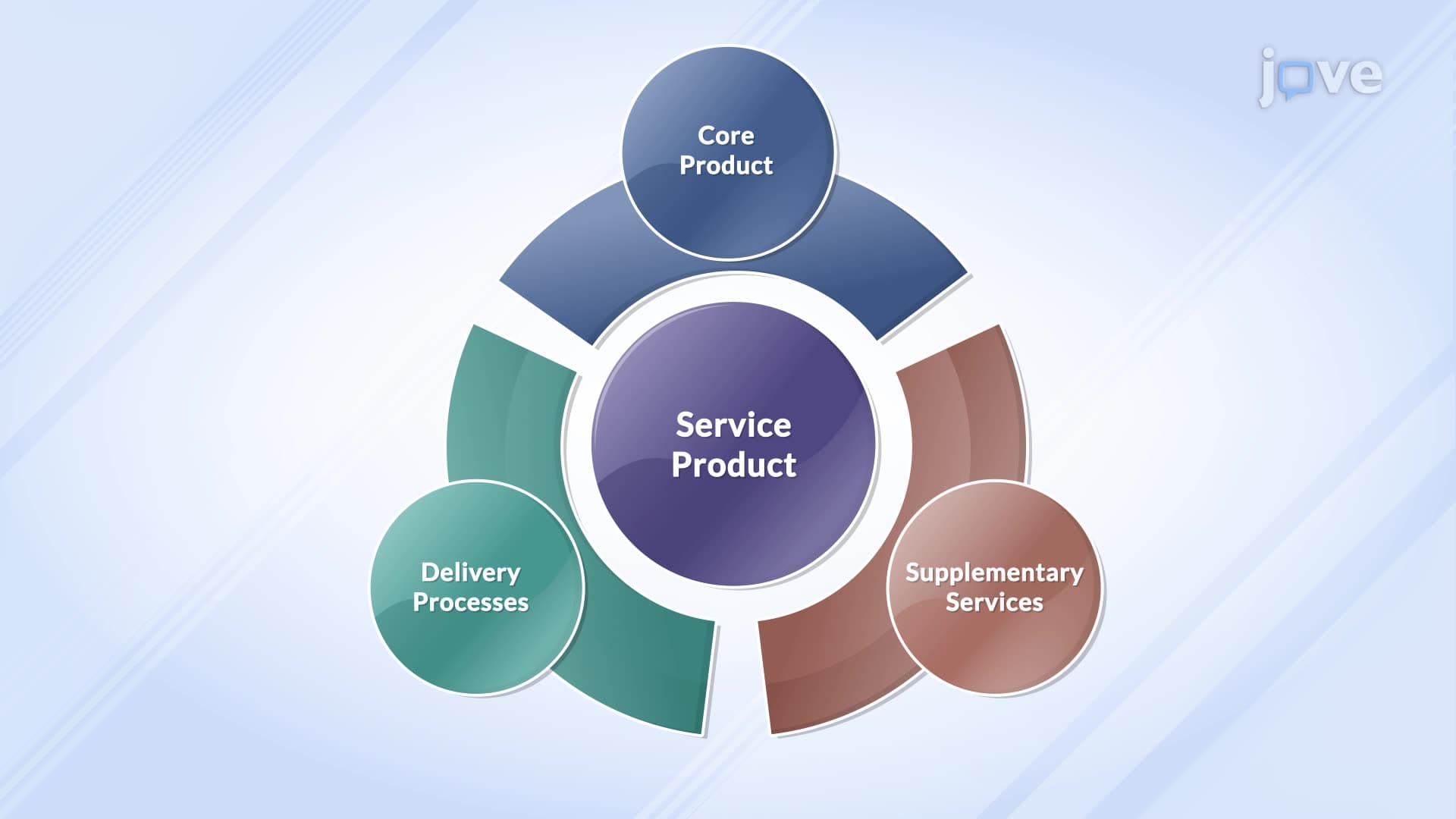

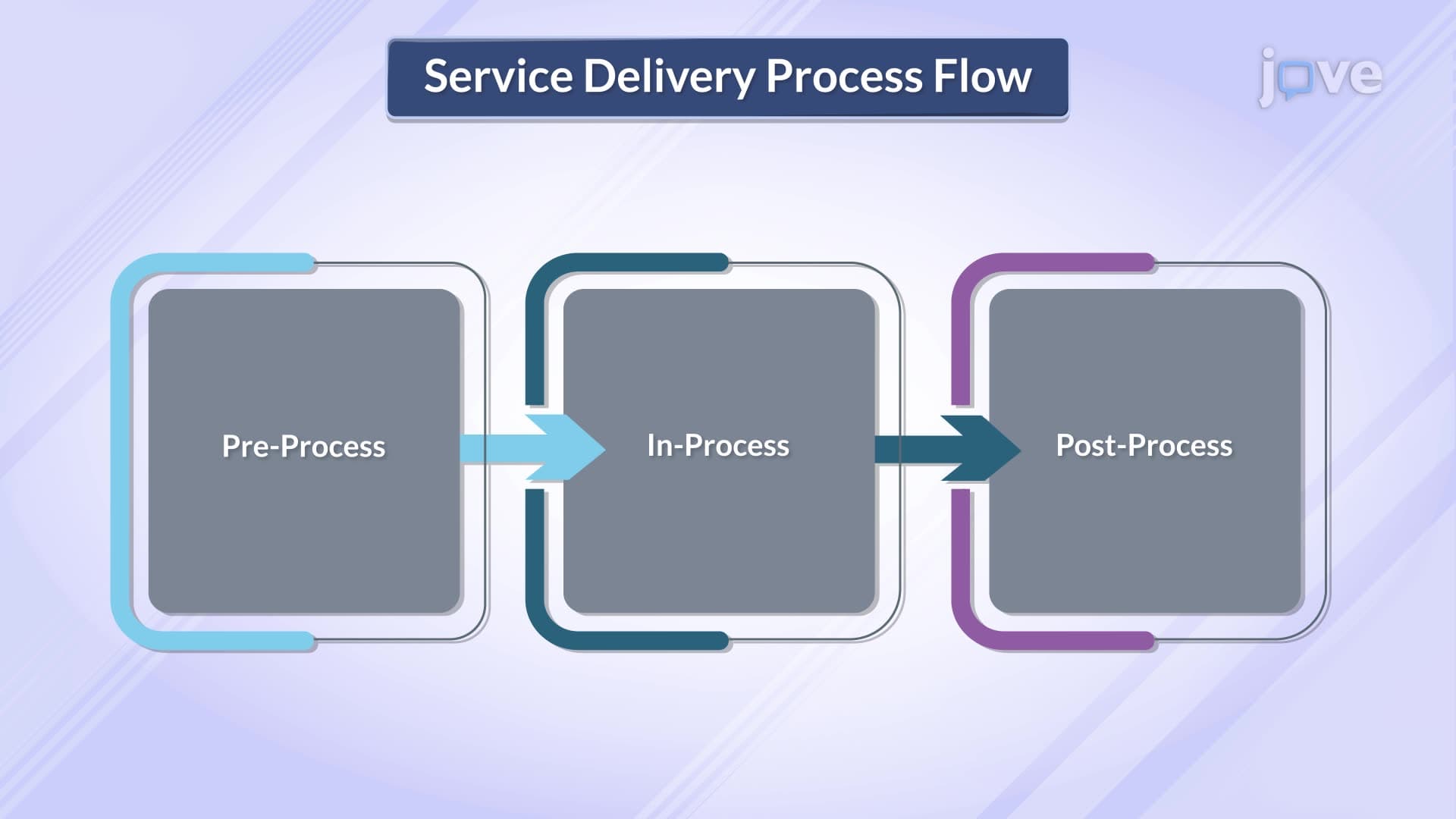
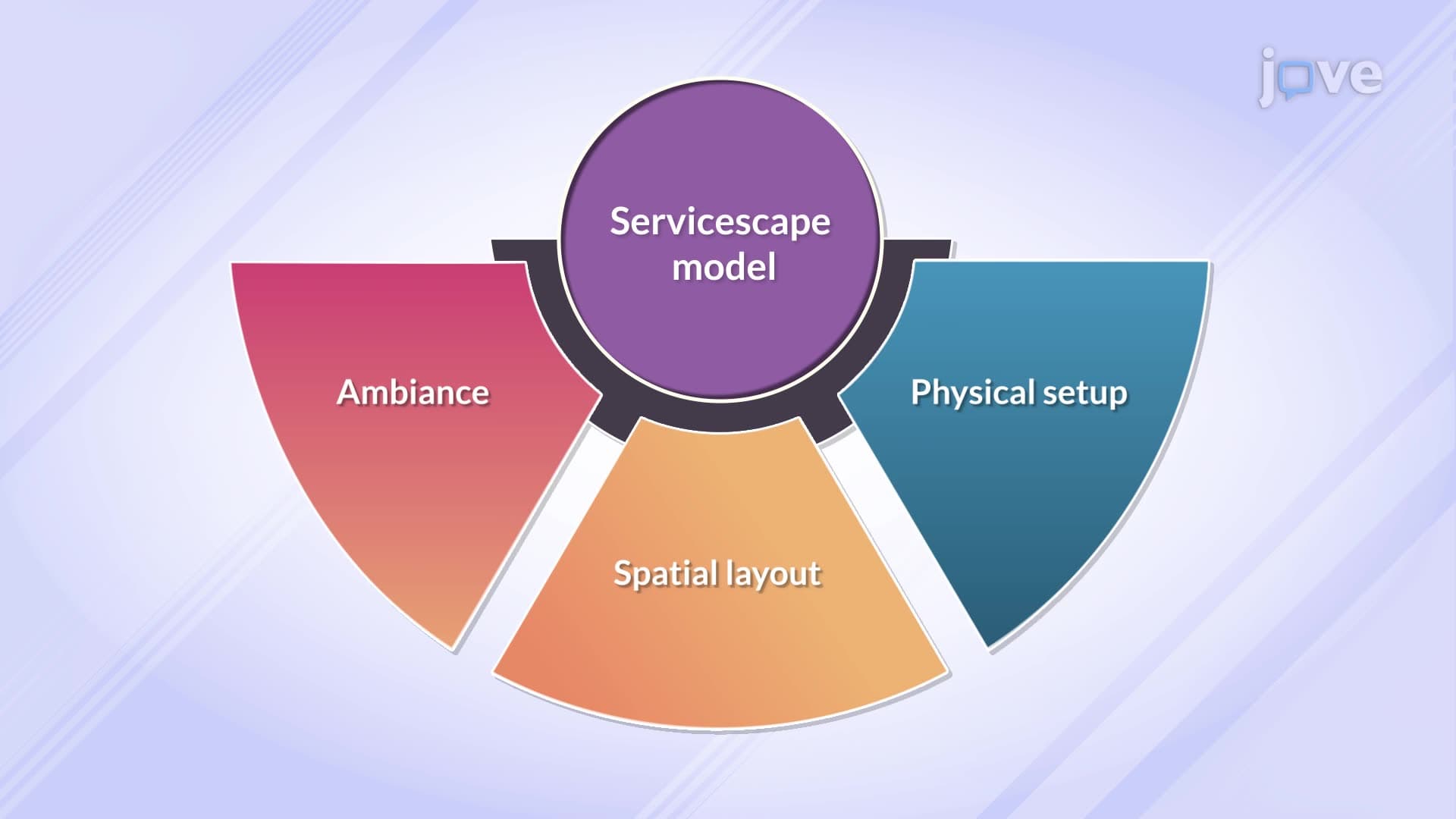
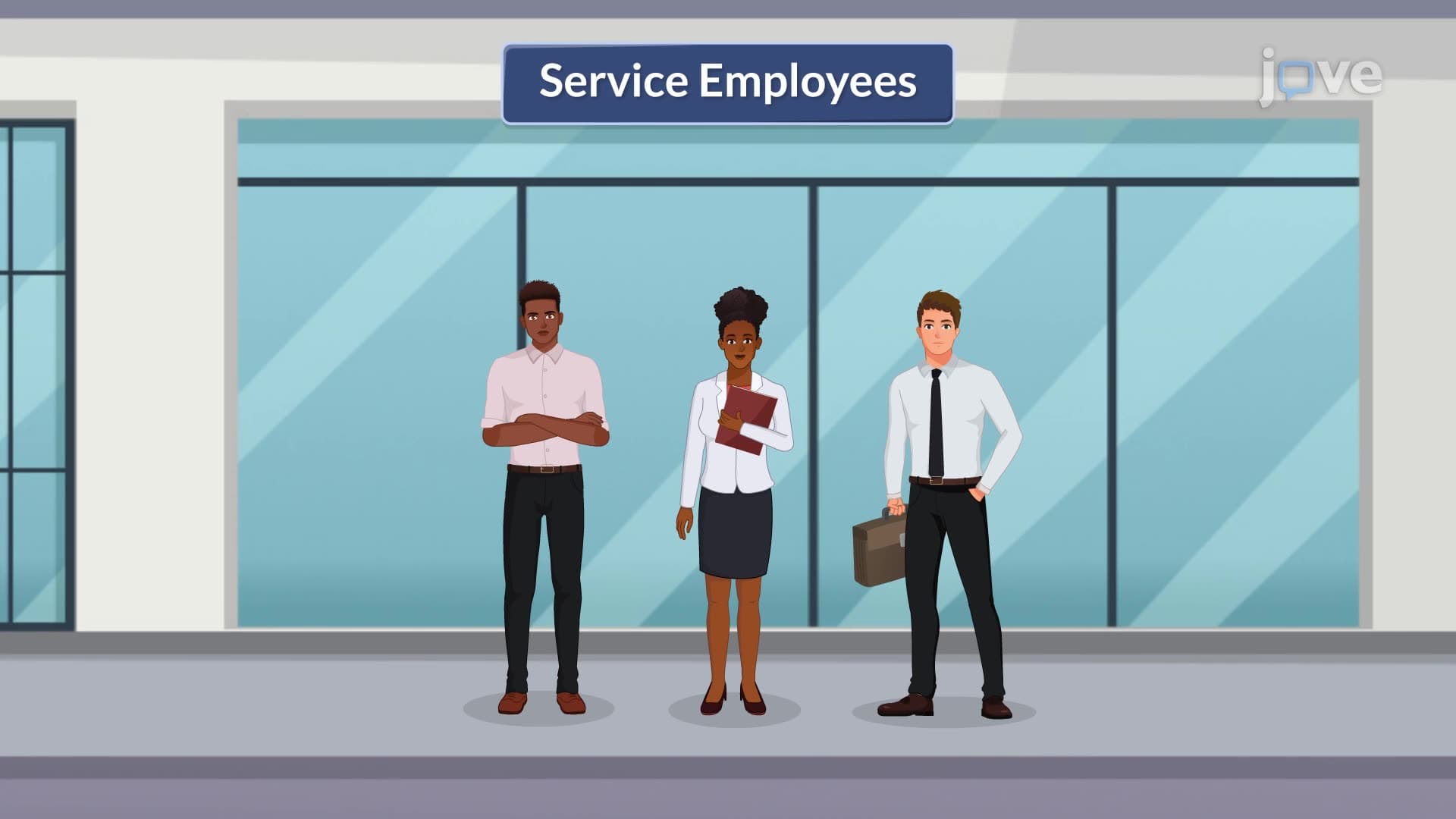










Defining Services


00:00
01:23
Video Summary: Defining Services Characteristics and Management
US service sector businesses generate over $15 trillion annually, yet many leaders struggle with defining services: characteristics management principles that drive operational excellence. Unlike manufacturing giants like General Electric, service-oriented companies like American Express create value through intangible offerings-expertise, convenience, and problem-solving capabilities rather than physical products. Understanding these fundamental differences is crucial for pricing strategies, quality control, and competitive positioning in today's service-dominated economy. Watch the full video on JoVE Coach to master this concept with expert-led visuals and step-by-step explanations.
- Apply service classification frameworks to optimize your organization's operational structure and resource allocation decisions
- Evaluate the intangible nature of services when developing pricing models and value propositions for client presentations
- Analyze how service characteristics impact quality control measures and customer satisfaction metrics in your industry
- Implement service management principles to improve team productivity and client retention rates
- Compare service-based versus product-based business models to inform strategic planning and market positioning
- Leverage understanding of service value creation to identify new revenue opportunities and competitive advantages
- Identify key performance indicators specific to service delivery that align with your company's financial objectives
- Assess the role of expertise and convenience in your service offerings to enhance customer lifetime value
Understanding Defining Services: Characteristics and Management in Modern Business
When Satya Nadella transformed Microsoft from a software licensing company to a cloud services powerhouse, he fundamentally reimagined how the tech giant creates and delivers value. This shift exemplifies the critical importance of understanding service characteristics and their management implications in today's economy.
The Intangible Value Proposition Challenge
Service businesses face unique strategic challenges that product companies rarely encounter. Unlike Apple selling iPhones, companies like McKinsey & Company sell expertise, insights, and problem-solving capabilities that customers cannot physically inspect before purchase. This intangibility creates pricing complexities and requires sophisticated trust-building mechanisms.
The value exchange in services operates differently from traditional product sales. When Goldman Sachs provides investment banking services, clients pay for access to specialized knowledge, regulatory expertise, and market networks rather than ownership of tangible assets. This distinction fundamentally alters how service companies approach market positioning, competitive differentiation, and customer relationship management.
Operational Management Implications
Service characteristics demand distinct operational approaches. JPMorgan Chase's wealth management division cannot inventory its advisory services like a retailer stocks merchandise. Instead, the bank must manage capacity through human resources, technology infrastructure, and process optimization. This creates unique workforce planning challenges and requires different performance measurement frameworks.
Quality control in services presents additional complexity. While Ford can inspect vehicles on the assembly line, Deloitte must ensure consulting service quality through methodology standardization, continuous training, and client feedback systems. The perishable nature of services-unused consulting hours cannot be stored for later sale-requires dynamic capacity management and sophisticated demand forecasting.
Strategic Competitive Positioning
Understanding service characteristics enables more effective competitive strategy. Amazon Web Services leveraged the scalable nature of cloud services to capture market share from traditional IT infrastructure providers. By recognizing that services can be delivered remotely and scaled efficiently through technology, AWS created a business model that traditional hardware companies struggled to replicate.
Service companies must also navigate the simultaneity of production and consumption. Unlike manufacturing, where products are made then sold, services are often created and consumed simultaneously, requiring real-time quality management and customer experience optimization.
Frequently Asked Questions
It's the strategic framework for understanding how service businesses create, deliver, and manage intangible value propositions. This includes recognizing that services are activities performed for customers rather than physical products, requiring different operational, pricing, and quality management approaches than traditional manufacturing businesses.
Service pricing must account for intangibility, expertise levels, and time-based delivery rather than material costs. You'll need value-based pricing models that communicate ROI clearly, since customers can't physically evaluate services beforehand. Consider subscription models or outcome-based pricing to align service value with customer success metrics.
Applying product management principles to service delivery without accounting for simultaneity and perishability. Services can't be inventoried, quality-controlled in advance, or returned like products. This requires real-time performance management, immediate service recovery protocols, and different capacity planning approaches that many product-focused leaders initially overlook.
Salesforce recognized that CRM software was evolving from a product (installed software) to a service (cloud-based solution). They leveraged service characteristics like scalability, remote delivery, and continuous updates to create recurring revenue streams and customer lock-in that traditional software companies couldn't match with their product-based models.
While operations experience helps, the core concepts are accessible to any business professional. Focus on understanding customer value creation, capacity management, and quality assurance from a strategic perspective. Many successful service leaders come from sales, finance, or consulting backgrounds rather than traditional operations roles.
The US economy is 80% services, making these skills essential for leadership roles across industries. Understanding service management principles positions you for roles in consulting, financial services, technology, and other high-growth sectors. It also enables you to identify service opportunities within traditional product companies, a key executive skill.
Service quality management and customer experience design are natural next steps. Understanding how to measure, monitor, and improve service delivery quality builds on foundational service characteristics knowledge and directly impacts customer retention and profitability metrics.
Related Micro-courses