Loading subject page…

- Marketing
- Services Marketing
- Service Products Versus Customer Service and After-Sales Service
Micro-course: Services Marketing
6,267 views
Learn key concepts and earn your certificate.










Service Products Versus Customer Service and After-Sales Service


00:00
01:30
Video Summary: Service Products Versus Customer Service Explained
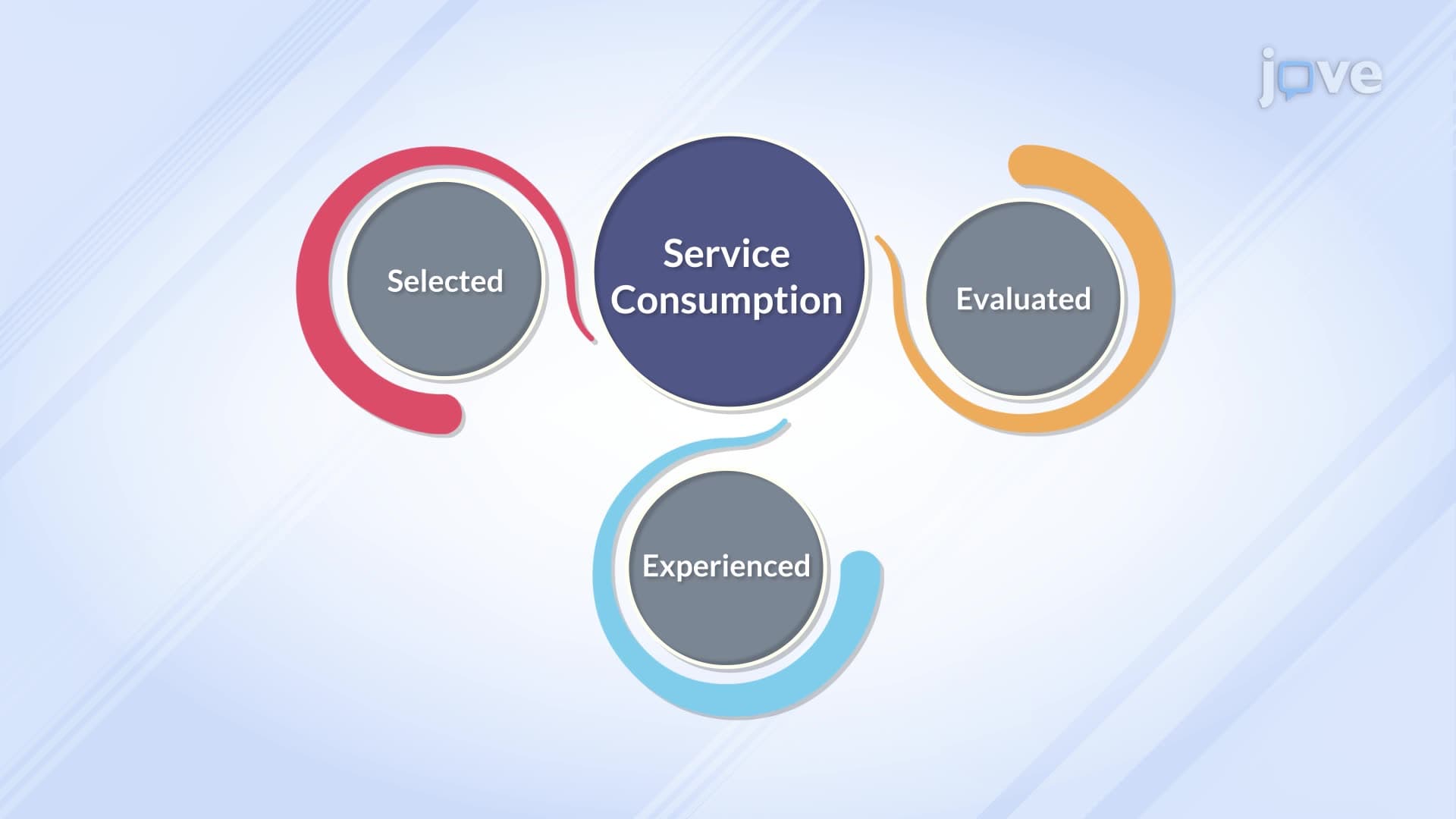
Companies like Rolls-Royce are revolutionizing how businesses think about service products versus customer service, transforming traditional manufacturing into experience-driven revenue models. Service products versus customer service explained reveals why Toyota's market dominance stems not just from reliable vehicles, but from integrated after-sales ecosystems that create sustainable competitive advantages. Modern business leaders must navigate the blurred lines between tangible product features and intangible service experiences to capture maximum customer lifetime value. Watch the full video on JoVE Coach to master this concept with expert-led visuals and step-by-step explanations.
- Apply strategic frameworks to differentiate between service products and customer service in your organization's value proposition development
- Evaluate how tangible product elements can be enhanced through intangible service experiences to increase customer retention and pricing power
- Analyze competitive positioning opportunities by identifying gaps between product functionality and service delivery in your industry
- Implement service-oriented approaches that transform traditional product sales into ongoing customer relationship management systems
- Compare value-creation strategies across manufacturing and service sectors to identify cross-industry best practices for your business model
- Leverage after-sales service programs as revenue generators rather than cost centers in your department's P&L planning
- Identify opportunities to blur industry boundaries by integrating product and service offerings for market differentiation
- Assess customer experience touchpoints to optimize the balance between tangible and intangible value drivers
Service Products Versus Customer Service Explained: A Strategic Business Framework
In today's competitive landscape, executives face a critical strategic question: Should we focus resources on enhancing our core product offerings or investing in customer service capabilities? This decision becomes more complex when you realize that the most successful companies don't choose one over the other-they strategically integrate both approaches to create sustainable competitive advantages.
The Service-Product Integration Model
Forward-thinking companies are dismantling traditional boundaries between manufacturing and service delivery. Consider how General Electric transformed from an industrial conglomerate into a digital services powerhouse. GE's aviation division doesn't just sell jet engines-they provide comprehensive lifecycle management, predictive maintenance, and performance optimization services that generate recurring revenue streams worth billions annually.
This integration creates what business strategists call "servicization"-the process of adding service components to traditional product offerings. For manufacturing leaders, this means shifting from transaction-based revenue models to relationship-based recurring revenue streams. The financial implications are substantial: service revenues typically carry higher margins and provide more predictable cash flows than one-time product sales.
Customer Experience as Competitive Differentiation
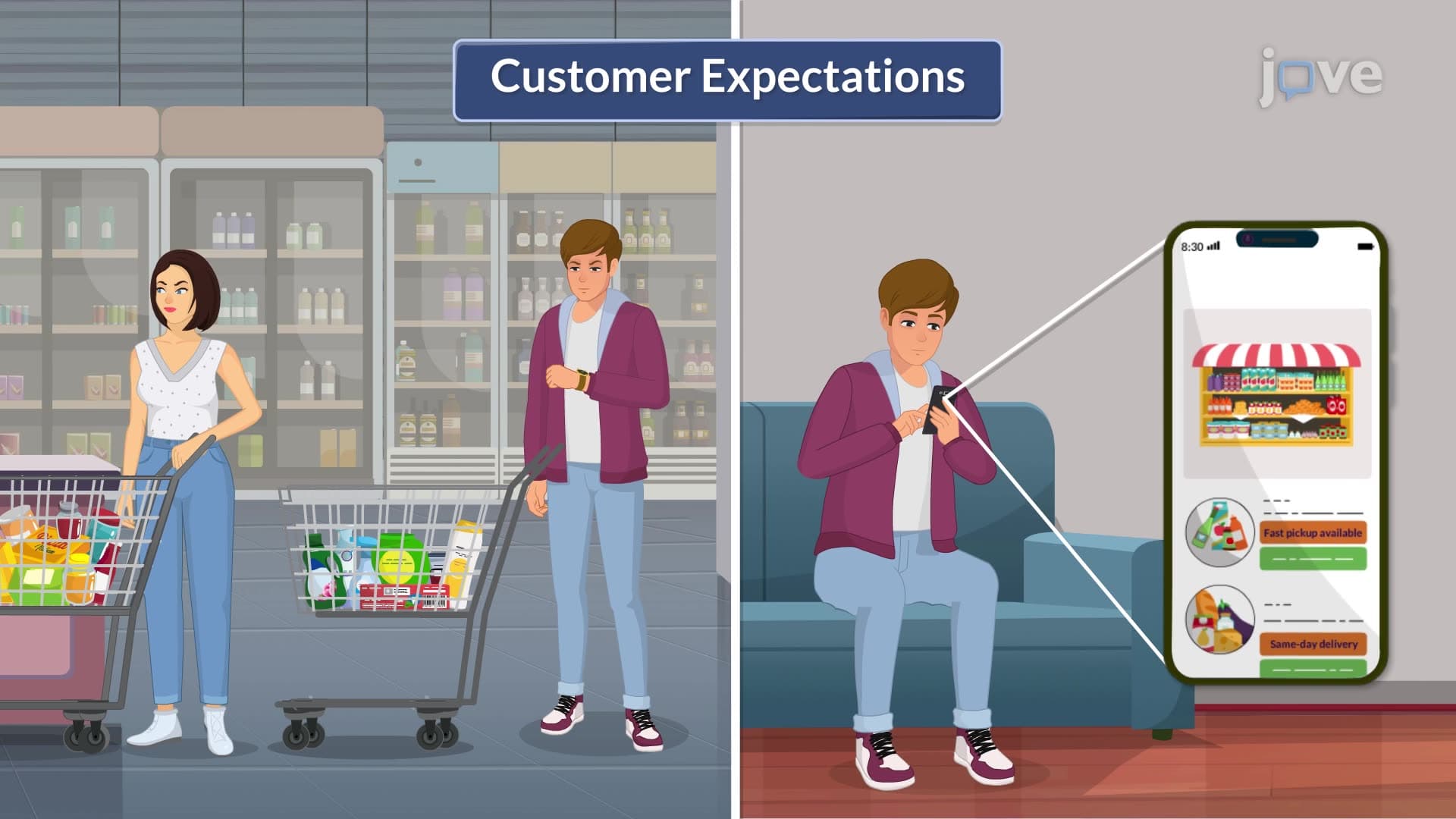
The hospitality industry exemplifies how tangible and intangible elements must work together to create exceptional value propositions. Marriott International's success isn't built solely on room quality or amenities-it's their ability to consistently deliver personalized service experiences across their portfolio of brands. Their mobile app integration, loyalty program benefits, and staff training protocols create a seamless customer journey that competitors struggle to replicate.
For business leaders, this demonstrates that customer service isn't just a support function-it's a strategic differentiator that can command premium pricing and increase customer lifetime value. Companies that view customer service as a cost center rather than a profit driver are missing significant revenue opportunities.
Strategic Implementation for Business Leaders
Successfully implementing a service products versus customer service strategy requires understanding your customer's complete journey and identifying value creation opportunities at each touchpoint. Amazon Web Services provides an excellent example: they transformed basic cloud computing infrastructure into a comprehensive platform with consulting services, training programs, and ongoing technical support that generates over $80 billion in annual revenue.
Frequently Asked Questions
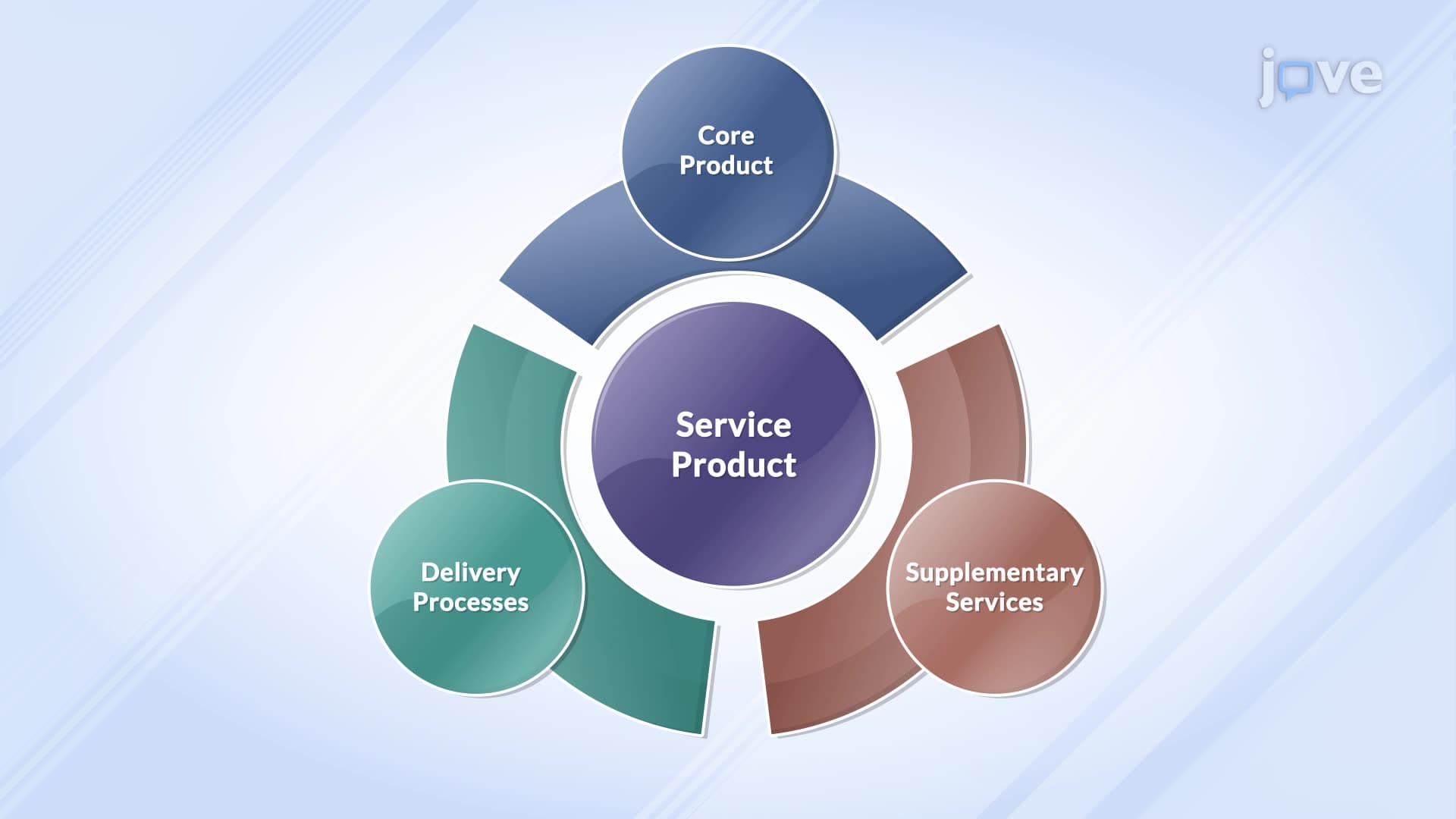
Service products are core offerings that deliver functional value, while customer service encompasses the support experiences that enhance that value. The strategic distinction lies in how each contributes to revenue generation and competitive positioning. Modern businesses increasingly integrate both elements to create comprehensive value propositions that drive customer loyalty and premium pricing.
Evaluate your current competitive position and customer feedback patterns to identify the biggest value gaps. If competitors offer similar products, superior customer service becomes your differentiation strategy. Conversely, if your service delivery matches industry standards but your product lags, prioritize product enhancement. Most successful companies invest strategically in both areas simultaneously.
Consider integration when you notice recurring customer needs beyond your core product, when competitors are commoditizing your market, or when you want to create recurring revenue streams. This strategy works particularly well for B2B companies where ongoing relationships generate more value than one-time transactions. Assess your customer lifetime value metrics to determine potential ROI.
Microsoft transformed from selling software licenses to providing comprehensive cloud-based solutions through Office 365 and Azure. They combine robust product functionality with extensive customer support, training resources, and consulting services. This approach increased their recurring revenue base and strengthened customer relationships, resulting in consistent growth in their commercial cloud business.
You need business strategy acumen more than technical expertise. Focus on understanding customer needs, competitive dynamics, and financial modeling for different revenue streams. Partner with technical teams for implementation while you concentrate on strategic direction, market positioning, and customer experience design.
Understanding service products versus customer service positions you as a strategic thinker who can drive revenue growth and competitive differentiation. This knowledge is essential for leadership roles in product management, business development, and general management. Companies increasingly value leaders who can navigate complex business model decisions and optimize customer lifetime value.
Study customer lifetime value optimization, subscription business models, and digital transformation strategies. These concepts build on service-product integration principles and are crucial for modern business leadership roles.
Related Micro-courses