Loading subject page…


6,267 views

Video Summary: What are Service Recovery Strategies
When 89% of customers switch brands after poor service experiences, mastering service recovery strategies becomes critical for revenue protection. Service recovery strategies represent systematic approaches to addressing service failures and restoring customer satisfaction. Companies like Ritz-Carlton demonstrate how empowering frontline employees to resolve complaints immediately can transform dissatisfied customers into loyal advocates through the service recovery paradox. Watch the full video on JoVE Coach to master this concept with expert-led visuals and step-by-step explanations.
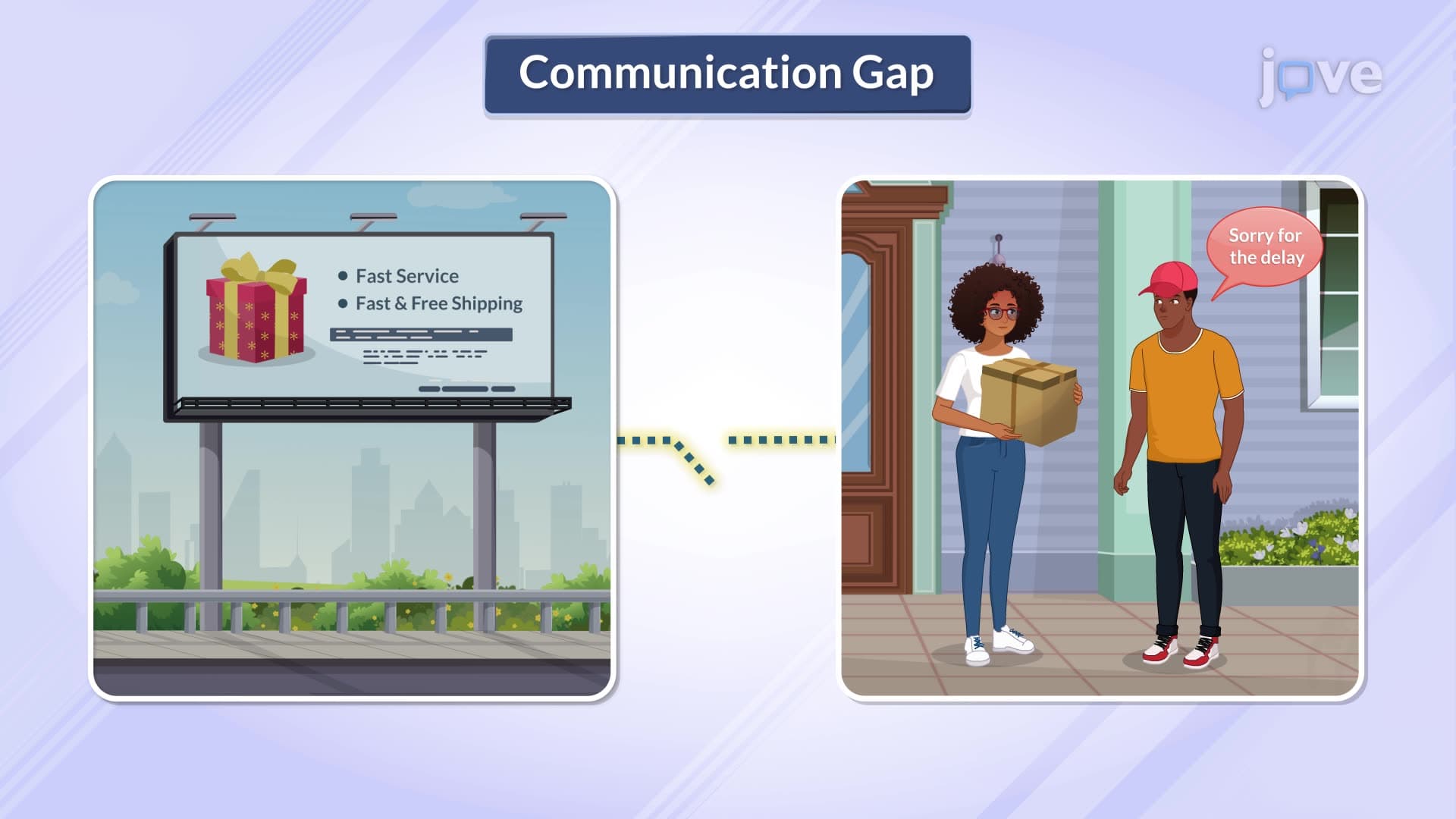
Service recovery strategies have evolved from reactive complaint management to proactive customer retention tools that directly impact bottom-line performance. In today's hyper-competitive marketplace, where customer acquisition costs continue rising, retaining existing customers through effective service recovery delivers measurable ROI. The concept encompasses structured methodologies for identifying, addressing, and learning from service failures to strengthen customer relationships and operational resilience.
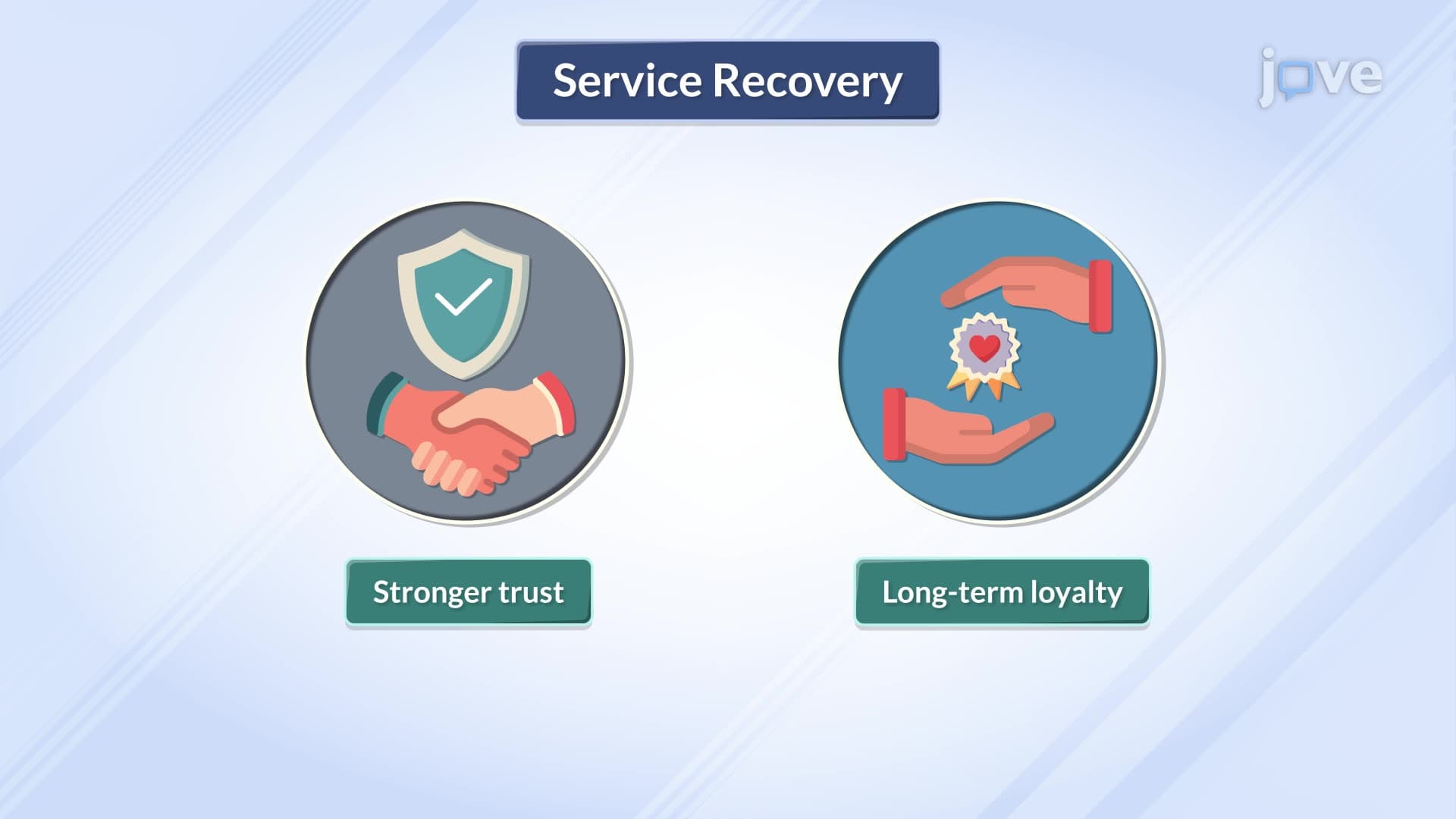
The service recovery paradox reveals that customers who experience a service failure followed by exceptional recovery often become more loyal than customers who never experienced problems. This counterintuitive phenomenon occurs because effective recovery demonstrates genuine commitment to customer satisfaction. Companies like Amazon have built competitive moats around this principle, with their instant refund and replacement policies creating customer confidence that transcends individual transaction failures. This strategic approach transforms potential revenue losses into customer lifetime value increases.
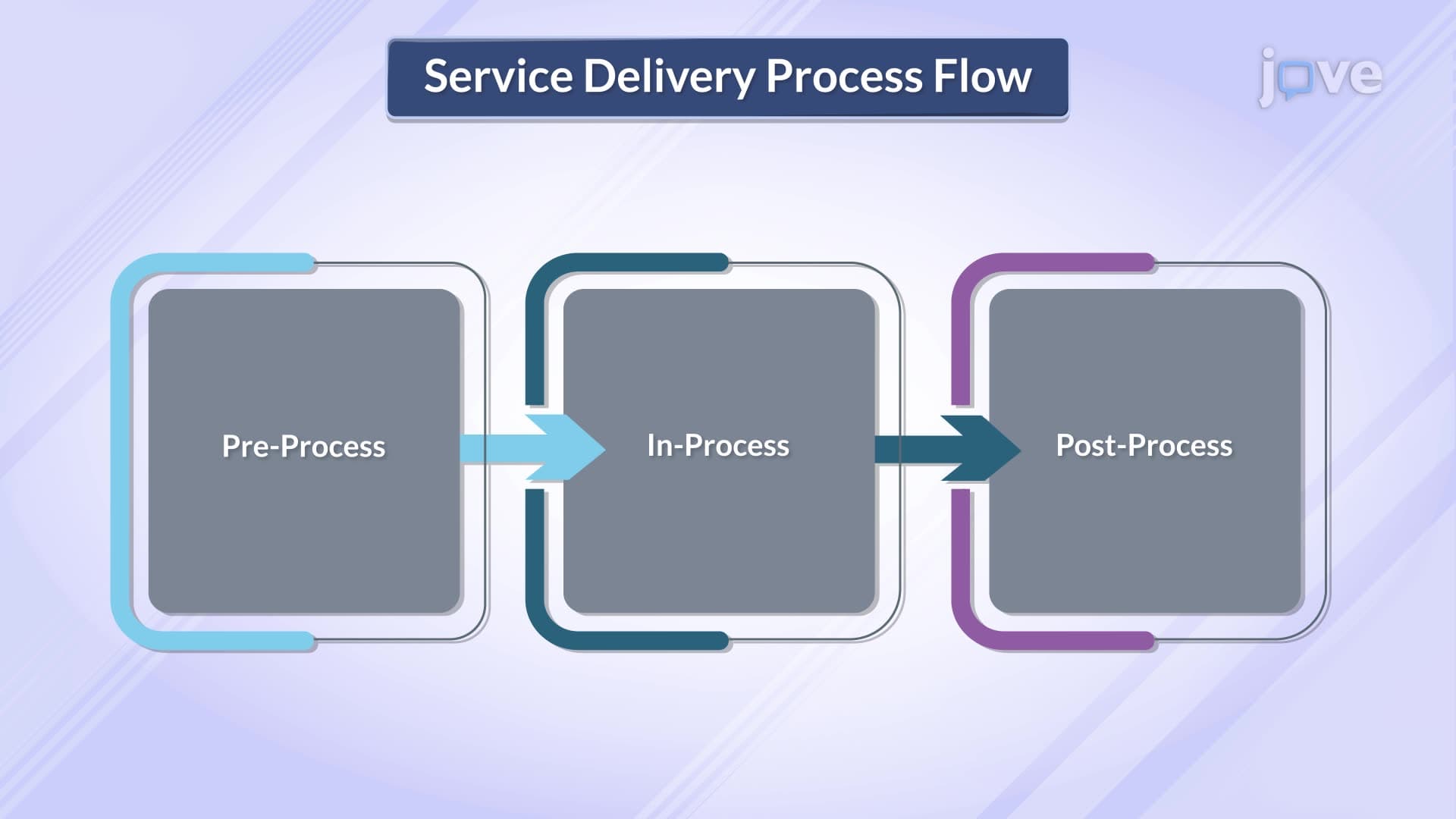
Successful service recovery requires systematic implementation frameworks that empower frontline employees with authority and tools to resolve issues immediately. Ritz-Carlton's $2,000 per-employee resolution authority exemplifies strategic empowerment that reduces escalation costs while improving customer satisfaction scores. The framework typically involves rapid issue identification, immediate acknowledgment, solution implementation, and follow-up verification. Training investments in service recovery capabilities generate returns through reduced churn rates and positive word-of-mouth marketing.
Modern service recovery strategies integrate digital touchpoints and data analytics to predict potential failures before they impact customers. Delta Airlines' proactive rebooking system demonstrates how predictive analytics can prevent service failures rather than simply respond to them. Key performance indicators include first-call resolution rates, customer effort scores, and recovery satisfaction metrics. Organizations tracking these metrics report 15-20% improvements in customer retention when recovery strategies align with broader customer experience initiatives, directly correlating with revenue stability and growth trajectories.
Related Micro-courses