Loading subject page…


6,267 views

Video Summary: What Is Evolution of Services Marketing
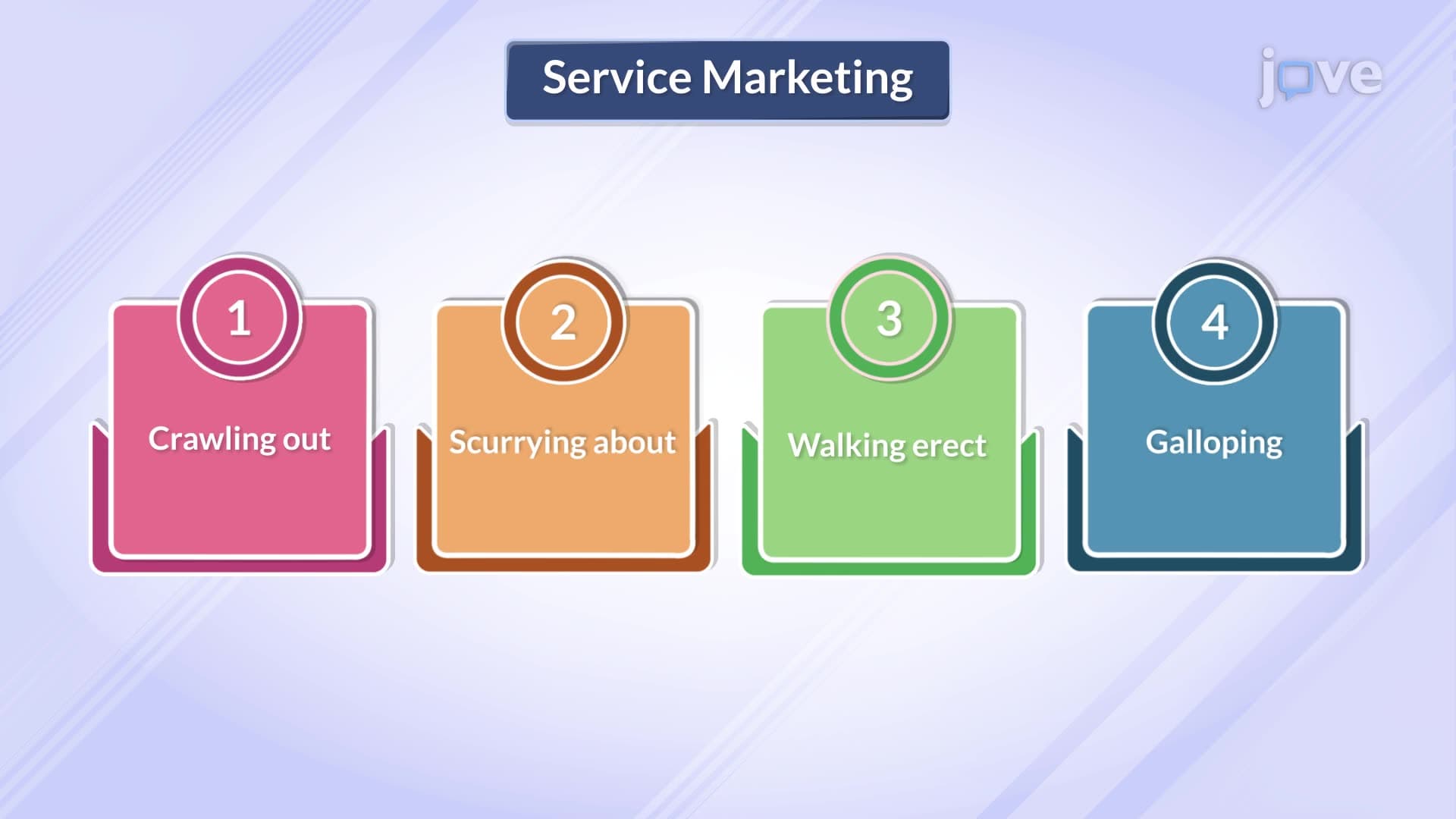
The evolution services marketing represents a critical shift that has fundamentally transformed how American businesses approach customer relationships and revenue generation. As services now comprise over 80% of US GDP, understanding this evolution is essential for strategic decision-making. Companies like JPMorgan Chase exemplify this transformation-from traditional transaction-focused banking to comprehensive digital financial ecosystems that prioritize customer experience and relationship building. This evolution spans four distinct phases that have redefined competitive advantages, operational frameworks, and market positioning strategies across industries. Watch the full video on JoVE Coach to master this concept with expert-led visuals and step-by-step explanations.
Modern business leaders face an unprecedented challenge: navigating markets where services generate the majority of corporate revenues yet require fundamentally different strategic approaches than traditional product marketing. The evolution services marketing concept provides a roadmap for understanding this transformation and its implications for competitive strategy.
The earliest phase of services marketing evolution occurred when service providers struggled to differentiate themselves in product-dominated markets. Traditional banks like Bank of America operated primarily through physical branches, focusing on basic transactional services with limited differentiation strategies. This period highlighted the inadequacy of product-based marketing theories when applied to intangible service offerings, forcing organizations to reconsider fundamental assumptions about customer value creation and competitive positioning.
The second evolutionary phase marked a shift toward systematic service delivery improvements. Financial institutions began deploying ATM networks nationwide, with Citibank leading the charge by installing over 1,000 machines by 1985. This period emphasized service classification systems, quality gap analysis, and the development of service-specific marketing mix elements. Organizations learned to manage the inherent variability of service delivery while building scalable operational frameworks that could maintain consistency across multiple customer touchpoints.
The third stage represented a fundamental strategic pivot toward customer relationship management and perceived value optimization. Wells Fargo exemplified this transition by pioneering online banking services and implementing comprehensive customer relationship management systems. Organizations began measuring service encounters, tracking customer satisfaction metrics, and designing personalized service experiences. This phase established the foundation for modern customer experience management and demonstrated the P&L impact of relationship-focused service strategies.
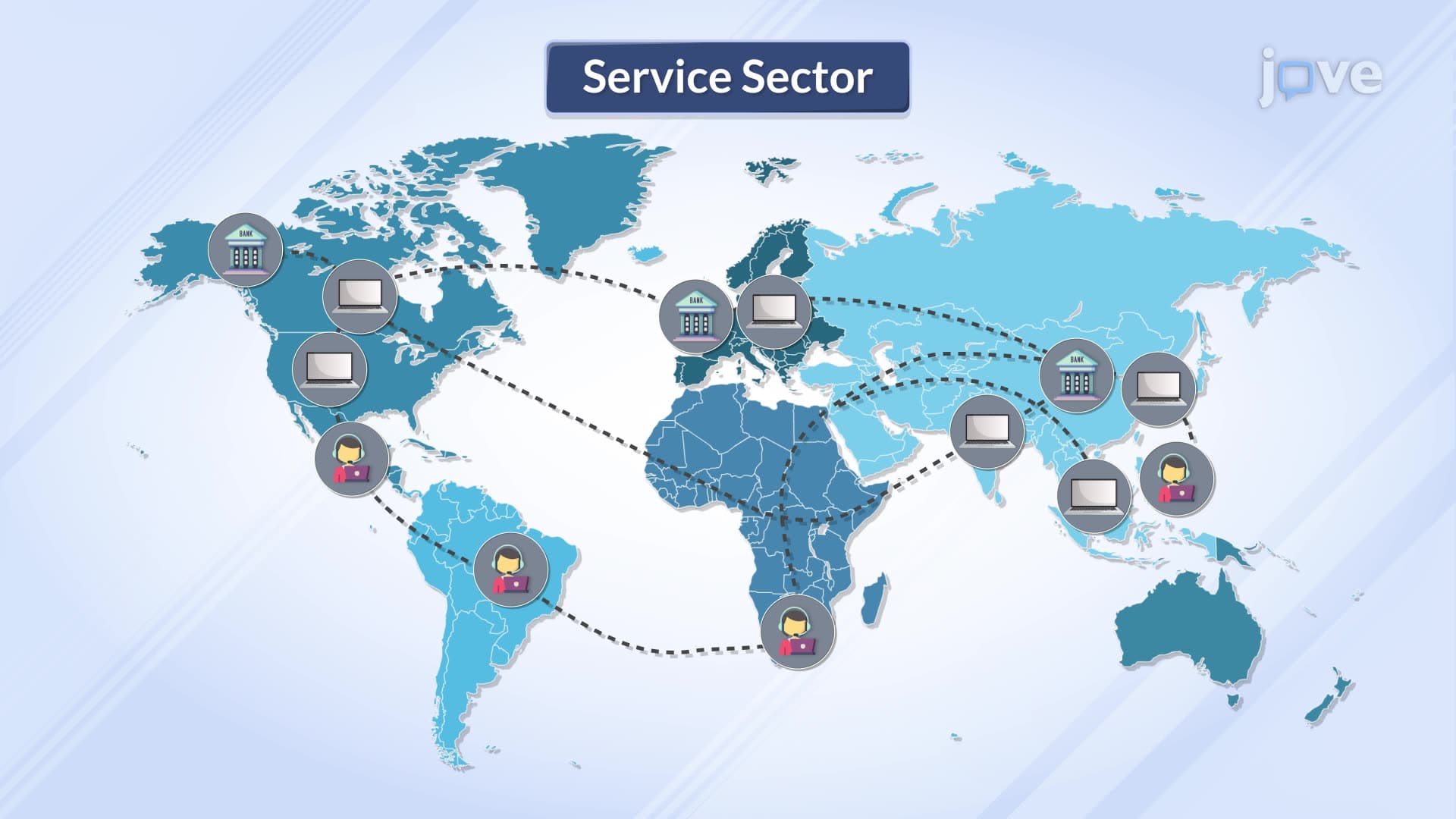
The current evolutionary stage has transformed services into the dominant economic force, with companies like Amazon Web Services revolutionizing entire industries through service-based business models. This period emphasizes digital service delivery, global scalability, and the integration of technology platforms that enable mass customization of service experiences while maintaining operational efficiency.
Related Micro-courses