Loading subject page…

- Marketing
- Services Marketing
- Internal Marketing
Micro-course: Services Marketing
6,267 views
Learn key concepts and earn your certificate.













Internal Marketing

00:00
01:21
Video Summary: What Is Internal Marketing
Global service companies face a critical challenge: maintaining consistent brand experience across thousands of employees and multiple locations. Internal marketing serves as the strategic bridge between corporate vision and frontline execution, ensuring every employee interaction reflects organizational standards. Companies like Marriott use comprehensive internal marketing programs to align 130,000+ associates worldwide with brand promises. This concept transforms how organizations communicate policies, service standards, and cultural values to their workforce. Watch the full video on JoVE Coach to master this concept with expert-led visuals and step-by-step explanations.
- Apply internal marketing frameworks to align distributed teams with corporate strategy and brand positioning
- Evaluate communication channels and tools to optimize employee engagement across multiple business units
- Analyze the connection between internal marketing effectiveness and customer satisfaction metrics
- Implement systematic approaches to transform company culture and service delivery standards
- Compare internal marketing strategies used by leading service organizations to benchmark best practices
- Leverage internal communication systems to drive operational excellence and reduce service variability
- Identify key performance indicators that measure internal marketing ROI and employee alignment
- Assess organizational readiness for internal marketing initiatives and potential implementation barriers
What is Internal Marketing: A Strategic Business Imperative
When Southwest Airlines consistently delivers its brand promise of friendly, efficient service across 800+ daily flights, it's not by accident-it's the result of sophisticated internal marketing. This strategic discipline involves systematically marketing your company's vision, values, and service standards to your own employees before they interact with customers.
Building Service Excellence Through Employee Alignment
Internal marketing addresses a fundamental business challenge: how do you ensure 50,000 employees deliver consistent brand experiences? Consider Starbucks' approach-their internal marketing encompasses everything from comprehensive training programs to regular partner communications about new initiatives. This isn't just HR communication; it's strategic marketing applied internally to create brand ambassadors.
The concept becomes critical in service-intensive industries where employee behavior directly impacts customer perception and, ultimately, revenue. A well-executed internal marketing strategy transforms employees from order-takers to brand advocates, directly correlating with improved customer retention and higher lifetime value.
Strategic Implementation Across Global Operations
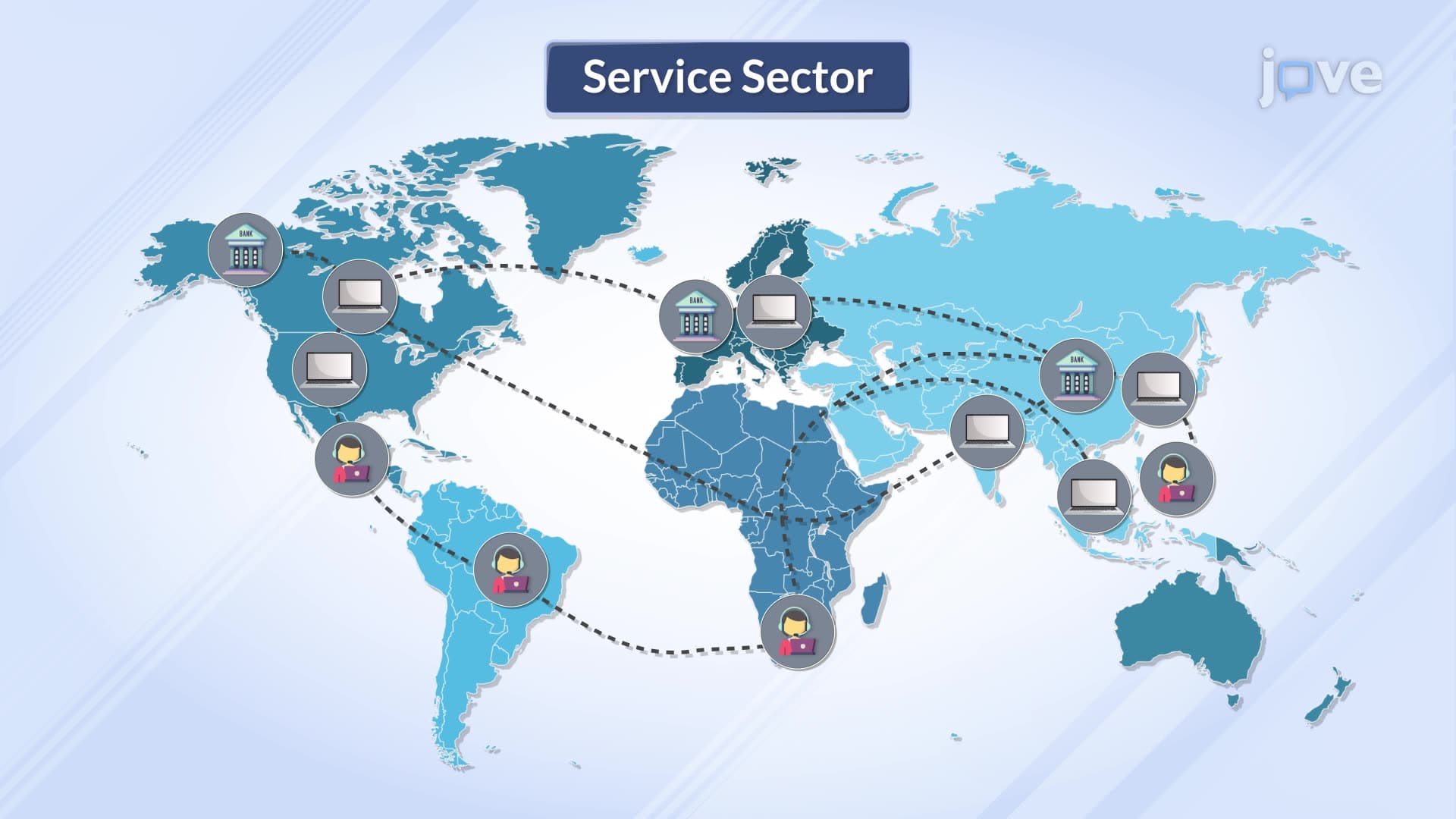
For multinational corporations like Citibank, internal marketing ensures consistent service delivery across 98 countries and territories. The challenge intensifies when managing cultural differences, language barriers, and varying regulatory environments. Internal marketing provides the framework to maintain brand integrity while adapting to local market conditions.
Effective internal marketing programs utilize multiple touchpoints: digital platforms for real-time updates, face-to-face meetings for complex policy changes, and feedback mechanisms that create two-way communication. Companies like Zappos have revolutionized this approach by making internal culture a competitive advantage, directly impacting their ability to attract top talent and maintain industry-leading customer service scores.
Measuring Business Impact and ROI
Progressive organizations track internal marketing effectiveness through employee Net Promoter Scores, customer satisfaction correlations, and service consistency metrics. This data-driven approach enables continuous optimization of internal communication strategies, ensuring alignment between corporate objectives and frontline execution. The business case becomes clear when internal marketing initiatives demonstrate measurable improvements in customer retention, employee engagement, and operational efficiency.
Frequently Asked Questions
Internal marketing strategically promotes company values, policies, and service standards to employees using marketing principles and techniques. Unlike standard HR communication, internal marketing treats employees as internal customers, using persuasion, engagement tactics, and brand messaging to drive behavioral change and cultural alignment.
Start with existing communication channels and apply marketing principles to your messaging. Reframe policy announcements as value propositions, create compelling narratives around service standards, and establish feedback loops to measure effectiveness. Many successful programs begin with simple newsletter redesigns and meeting format changes.
Internal marketing becomes critical when expanding operations, launching new services, or experiencing customer satisfaction challenges. It's particularly important during mergers, acquisitions, or major cultural transformations. Companies with distributed teams or high customer interaction roles should prioritize internal marketing as a competitive advantage.
Amazon employs comprehensive internal marketing through their leadership principles, regular all-hands meetings, and systematic communication cascades. They use data-driven messaging to reinforce customer obsession, maintain operational excellence, and ensure every employee understands how their role impacts customer experience across diverse business units.
While marketing background helps, internal marketing primarily requires understanding your workforce and clear communication skills. Many successful programs are developed by operations leaders who understand employee motivations and business objectives. Focus on audience analysis, message clarity, and feedback measurement.
Internal marketing skills demonstrate strategic thinking, cross-functional collaboration, and change management capabilities. These competencies are highly valued for leadership roles, particularly in service industries, consulting, and any position requiring team alignment and cultural transformation.
Consider studying change management, organizational behavior, and customer experience design. These disciplines complement internal marketing by providing frameworks for implementation, measuring cultural transformation, and connecting employee engagement to business outcomes.
Related Micro-courses