Loading subject page…


6,267 views

Video Summary: What Is Relationship Marketing in Services
Service businesses lose 67% of customers due to poor relationship management, making relationship marketing services a critical competitive advantage. Unlike transactional approaches, relationship marketing in services builds long-term customer connections that drive loyalty and reduce acquisition costs. JPMorgan Chase exemplifies this through dedicated relationship managers who provide personalized banking solutions and regular strategic consultations. This approach transforms one-time transactions into sustained revenue streams while increasing customer lifetime value. Watch the full video on JoVE Coach to master this concept with expert-led visuals and step-by-step explanations.
When Starbucks transformed from a coffee retailer into a "third place" experience, they demonstrated the power of relationship marketing in services. Service businesses face unique challenges: intangible offerings, simultaneous production and consumption, and high customer interaction requirements. These characteristics make relationship building not just beneficial-but essential for sustainable profitability.
Relationship marketing services deliver measurable financial impact through improved customer economics. Research shows acquiring new customers costs 5-25 times more than retaining existing ones, while loyal customers spend 67% more than new ones. Consider American Express's approach: their premium cardholders receive dedicated concierge services, exclusive event access, and personalized travel planning. This relationship-focused strategy has resulted in industry-leading customer retention rates and higher average spending per customer.
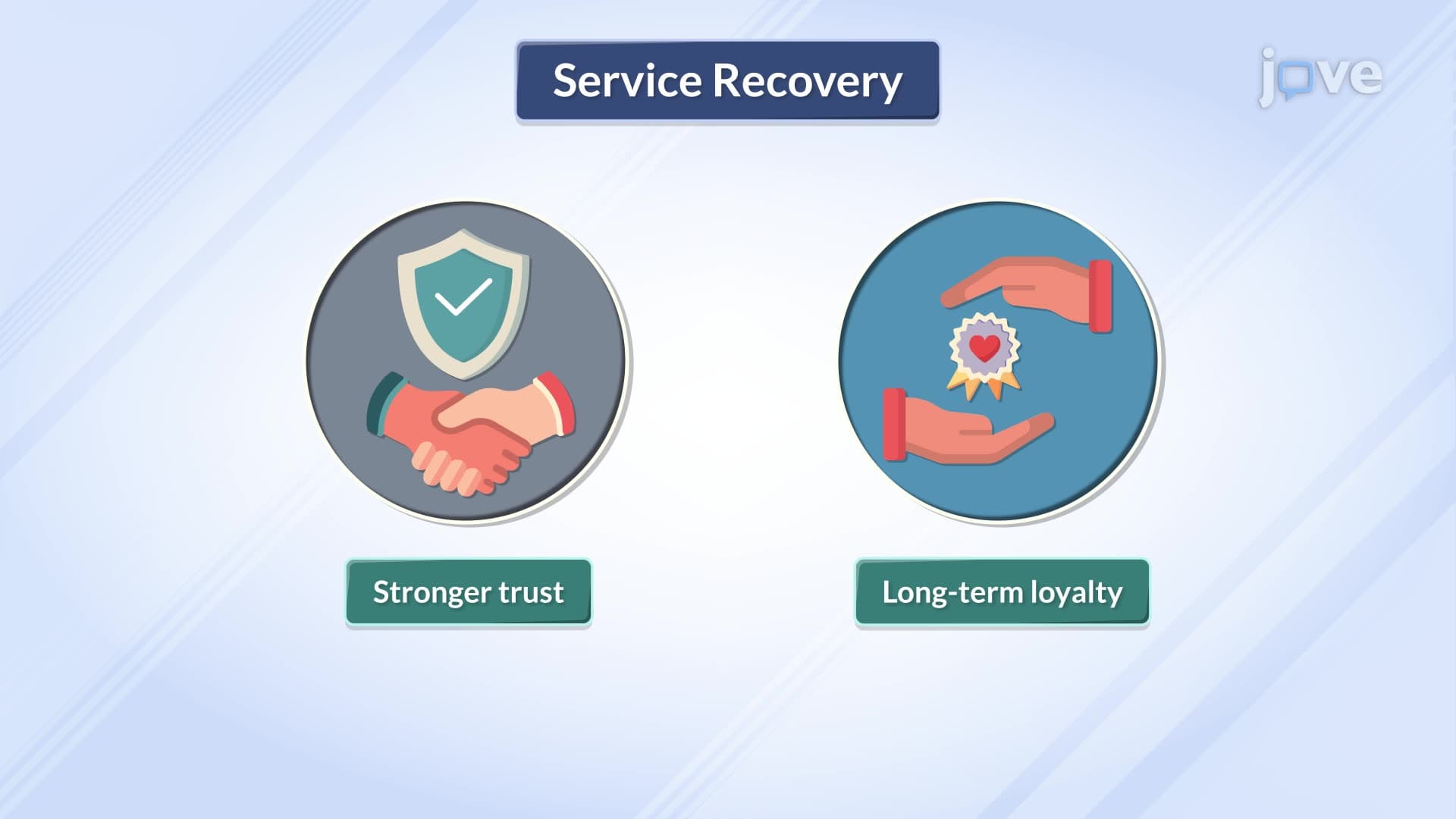
The contrast with transactional marketing is stark. Transactional approaches focus on immediate sales through price competition and promotional offers, creating price-sensitive customers with minimal loyalty. Relationship marketing instead emphasizes value creation, trust building, and long-term customer satisfaction.
Successful relationship marketing implementation requires three core components: personalization systems, consistent touchpoint management, and feedback integration. Financial services firms like Charles Schwab exemplify this through their dedicated financial consultants who maintain regular contact schedules, provide customized investment recommendations, and proactively address changing client needs.
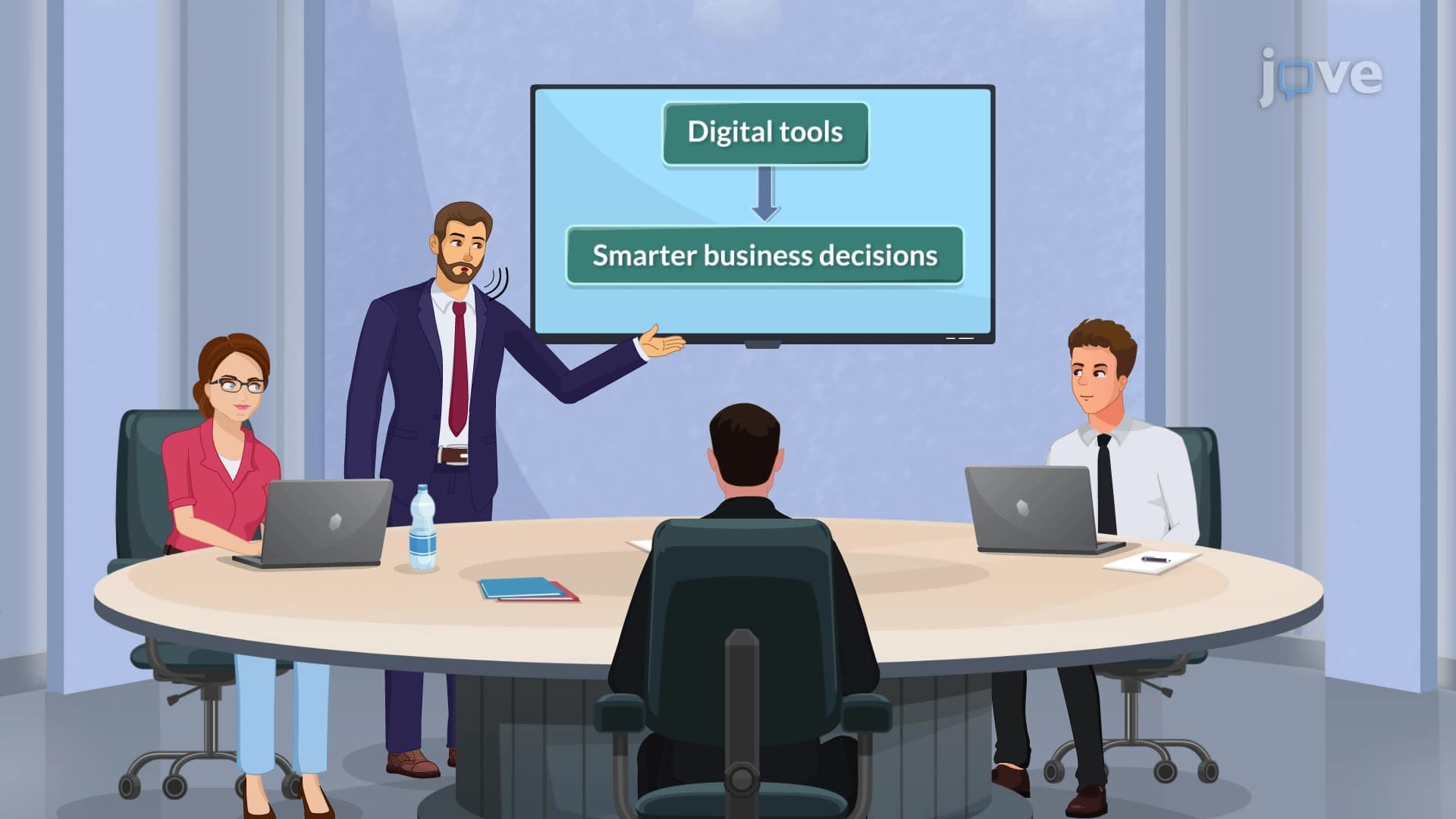
Technology enables scalable relationship marketing through CRM systems, predictive analytics, and automated personalization. However, the human element remains crucial-especially in high-value services where trust and expertise drive purchasing decisions.
Service organizations must track relationship-specific metrics beyond traditional sales figures. Customer lifetime value, Net Promoter Score, retention rates, and referral generation provide clearer pictures of relationship marketing effectiveness. These metrics directly correlate with revenue predictability and market valuation-critical factors for executive decision-making and investor communications.
Related Micro-courses