Loading subject page…

- Marketing
- Services Marketing
- Service Delivery
Micro-course: Services Marketing
6,267 views
Learn key concepts and earn your certificate.














Service Delivery

00:00
01:21
Video Summary: What Is Service Delivery
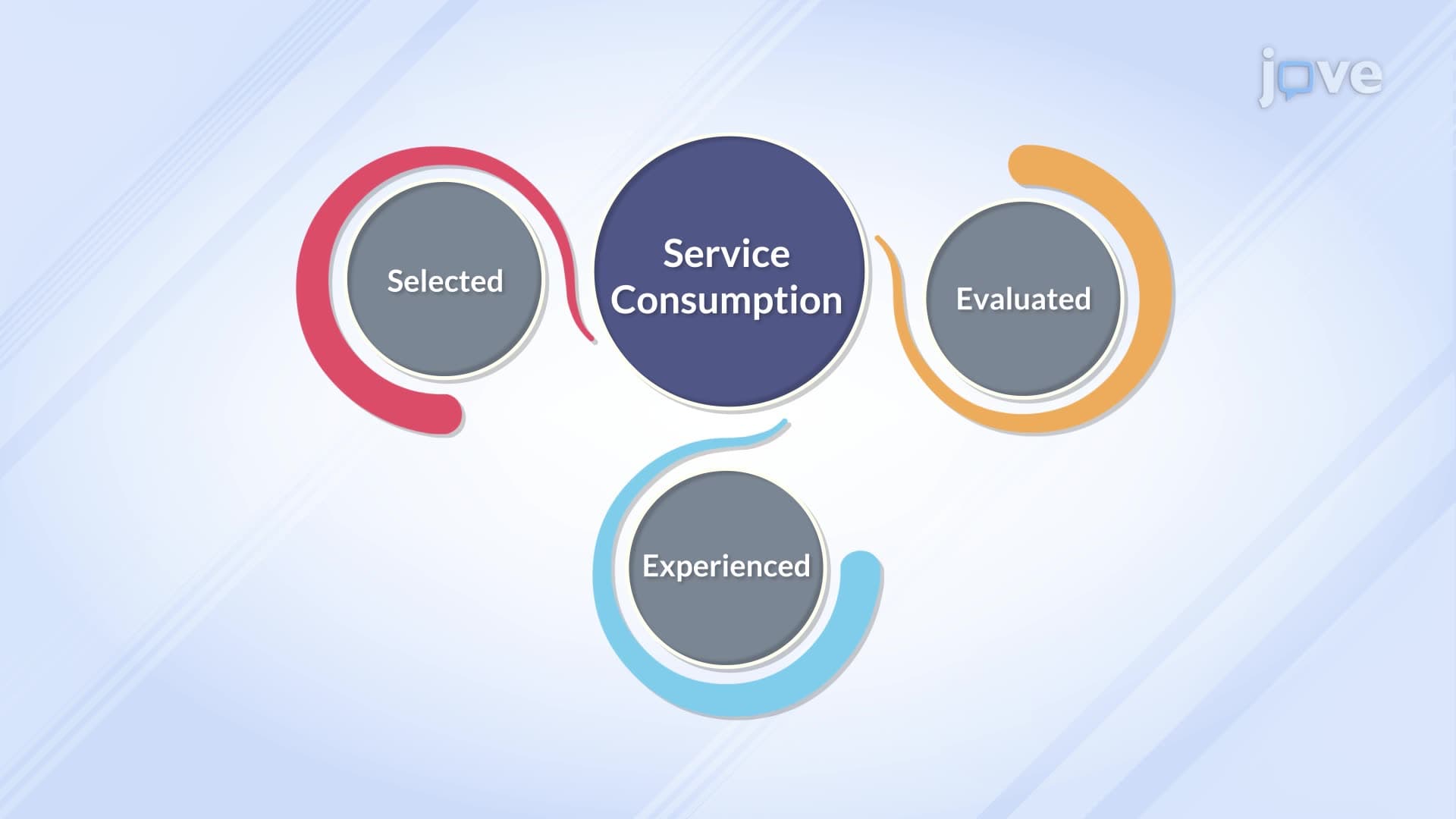
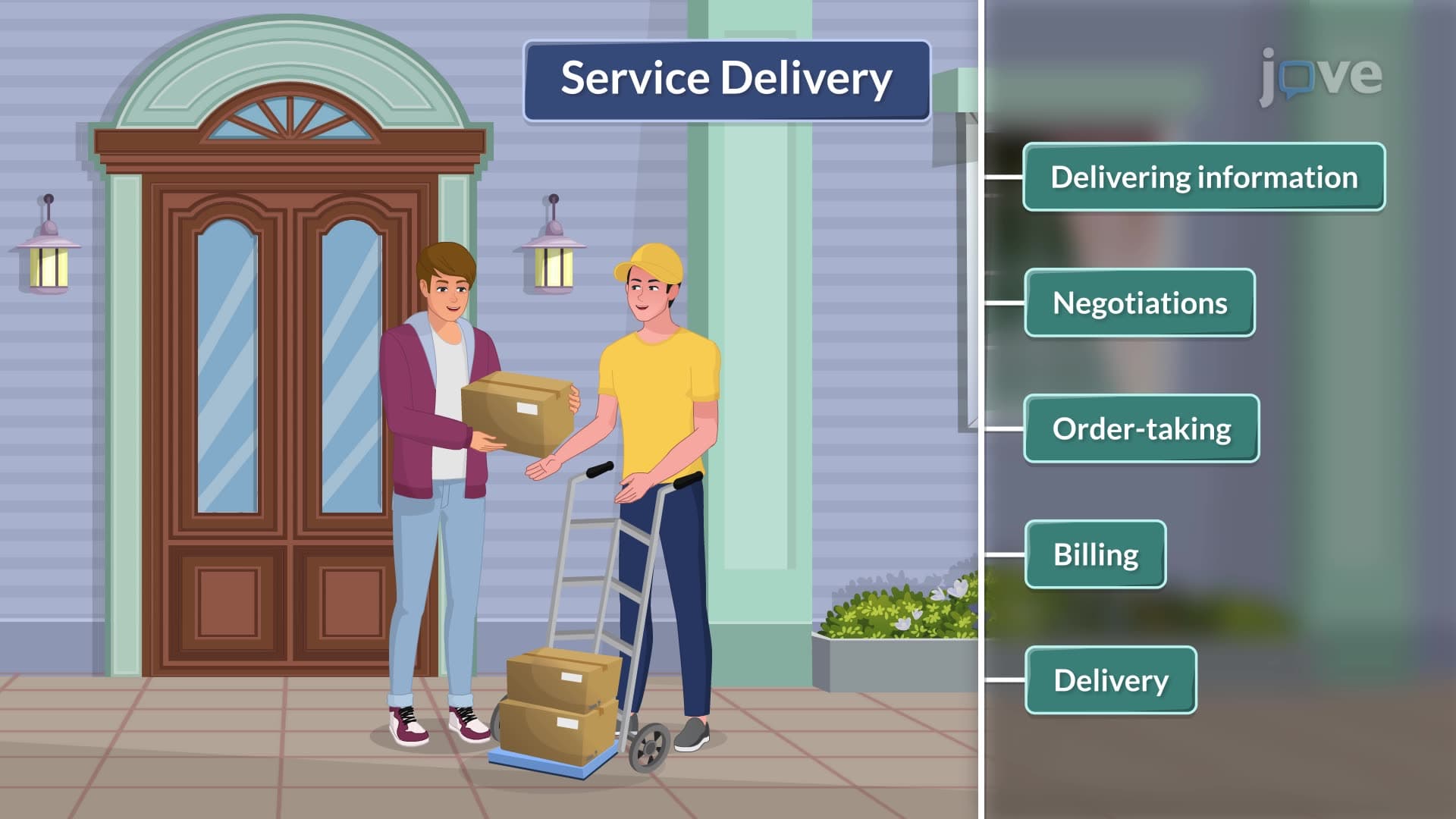
Service delivery encompasses the strategic methods organizations use to fulfill customer promises across touchpoints, timing, and channels. Companies like JPMorgan Chase excel at multi-channel service delivery, offering both brick-and-mortar banking and digital platforms to meet diverse client needs. Understanding service delivery fundamentals enables leaders to optimize customer experiences, reduce operational costs, and drive competitive advantage in today's experience-driven economy. Watch the full video on JoVE Coach to master this concept with expert-led visuals and step-by-step explanations.
- Apply multi-channel service delivery frameworks to optimize customer touchpoints and reduce operational friction across your organization
- Evaluate service timing strategies to balance customer convenience with resource allocation and cost management
- Analyze physical versus digital service delivery models to determine optimal channel mix for your industry and customer base
- Implement service delivery performance metrics that align with customer satisfaction goals and business profitability targets
- Compare hybrid service models to identify competitive advantages and operational efficiencies in your market segment
- Leverage service perishability concepts to minimize revenue leakage and maximize capacity utilization
- Identify service delivery bottlenecks that impact customer retention and develop systematic improvement processes
- Assess channel preference trends to anticipate customer expectations and invest in future-ready delivery capabilities
What is Service Delivery: The Strategic Foundation
Modern service delivery represents the operational backbone of customer relationship management, determining how organizations translate service promises into tangible customer experiences. Consider Amazon's transformation of retail service delivery: what began as online book sales evolved into a comprehensive ecosystem encompassing same-day delivery, cloud services, and subscription models. This evolution illustrates how service delivery strategy directly impacts market positioning and competitive moats.
Multi-Channel Service Architecture
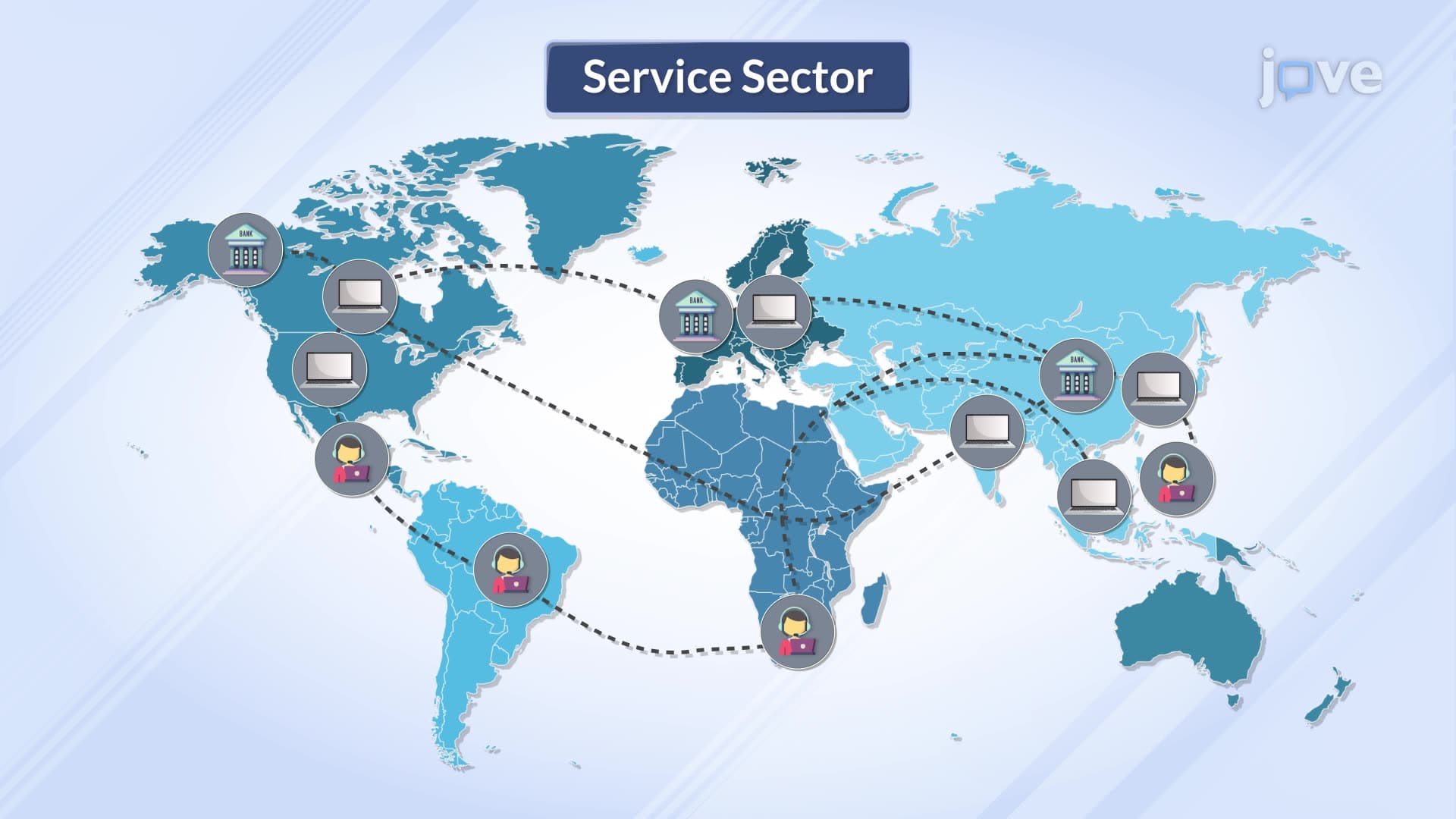
Effective service delivery requires sophisticated channel orchestration that balances customer preferences with operational economics. Wells Fargo exemplifies this approach through its integrated service ecosystem-customers can initiate transactions via mobile apps, complete them at ATMs, and receive support through call centers or physical branches. This seamless integration reduces customer effort while optimizing resource deployment across high-cost (branch) and low-cost (digital) channels.
The strategic imperative lies in understanding channel economics: digital transactions cost banks approximately $0.08 compared to $4.25 for branch visits. Leaders must therefore design service delivery architectures that guide customers toward cost-effective channels while maintaining service quality standards.
Service Timing and Competitive Differentiation
Service perishability creates unique strategic challenges that manufacturing companies rarely face. Restaurant reservations, consultant availability, and software support capacity cannot be inventoried for later use. Southwest Airlines mastered this concept by designing service delivery around quick turnarounds and simplified operations, enabling higher aircraft utilization rates than competitors.
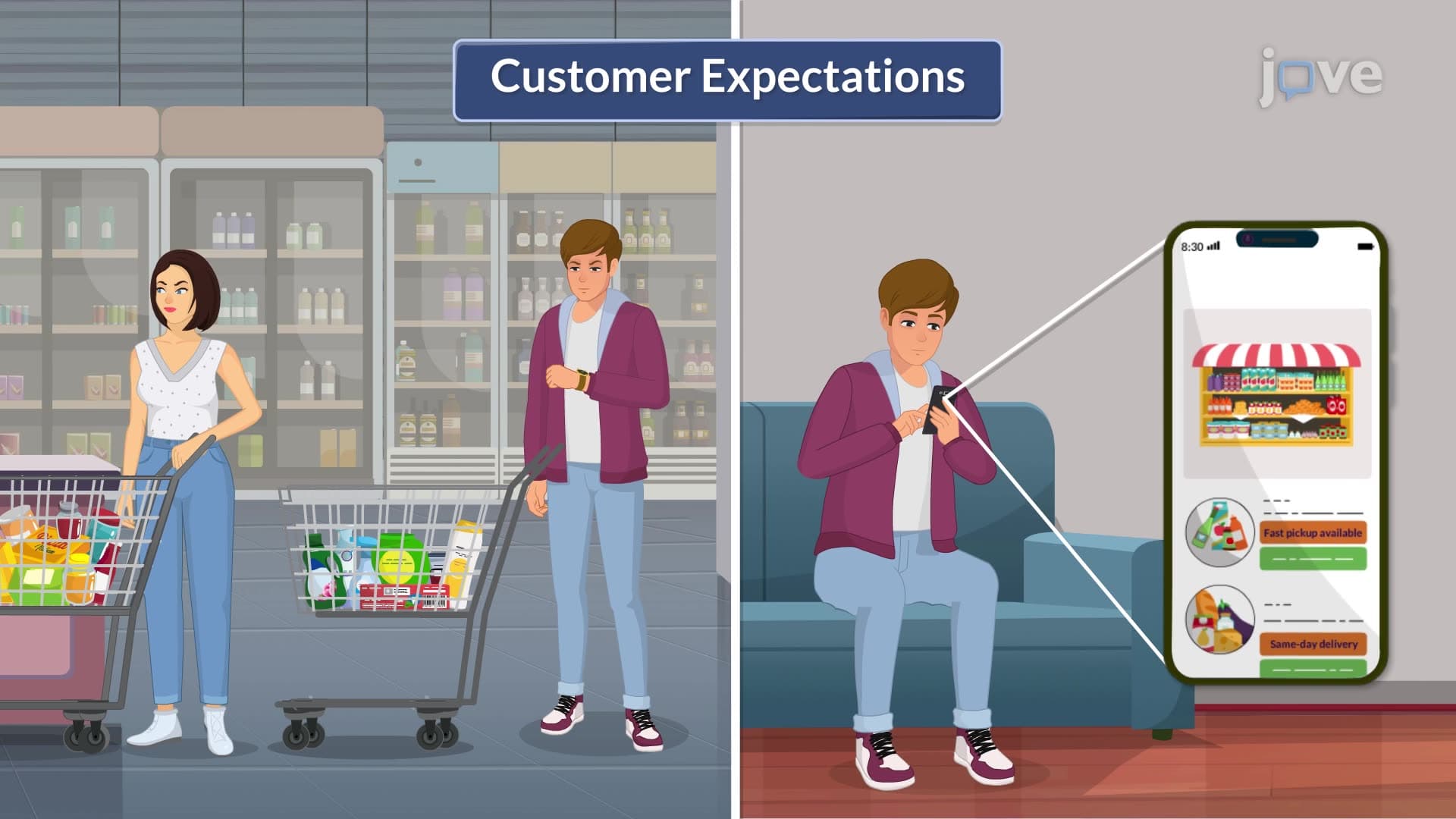
The rise of on-demand service delivery has fundamentally altered customer expectations across industries. Companies like Uber transformed service timing from scheduled appointments to immediate availability, forcing traditional taxi companies to reimagine their delivery models or face obsolescence.
Hybrid Service Models and Market Evolution
The most successful service organizations embrace hybrid delivery models that combine physical and digital touchpoints strategically. Starbucks revolutionized coffee service delivery through mobile ordering, enabling customers to bypass queues while maintaining the brand experience of physical locations. This approach increased transaction volume while reducing labor costs per transaction.
Frequently Asked Questions
Service delivery is the systematic approach organizations use to fulfill customer service promises through optimized channels, timing, and processes. It encompasses everything from initial customer contact through final service completion, directly impacting customer satisfaction, operational efficiency, and competitive positioning in the marketplace.
Evaluate your service complexity, customer demographics, and cost structure to determine optimal channel mix. High-touch, complex services typically require physical presence, while standardized, information-based services can be digitized effectively. Consider customer acquisition costs, operational expenses, and competitive positioning when making channel investment decisions.
Service delivery directly impacts revenue recognition, customer acquisition costs, and competitive differentiation strategies that boards regularly review. Poor service delivery can damage brand equity and customer lifetime value, while innovative delivery models can create new revenue streams and market opportunities that influence investment priorities and resource allocation decisions.
McDonald's revolutionized quick-service restaurant delivery through mobile ordering, drive-thru optimization, and third-party delivery partnerships. Their integrated approach reduced wait times, increased order accuracy, and expanded market reach beyond physical locations, demonstrating how service delivery innovation can drive same-store sales growth and market share expansion.
While operational knowledge helps, successful service delivery implementation focuses more on understanding customer journey mapping, channel economics, and performance measurement frameworks. Many effective service delivery leaders come from strategy, marketing, or customer experience backgrounds and develop operational expertise through cross-functional collaboration.
Service delivery expertise positions you for operations management, customer experience leadership, and general management roles across industries. Understanding service delivery metrics, channel optimization, and customer journey design makes you valuable for strategic initiatives, digital transformation projects, and revenue growth opportunities that drive executive career progression.
Consider studying service design thinking, customer experience mapping, and digital transformation strategies. These concepts build on service delivery fundamentals to address complex organizational challenges around omnichannel integration, automation, and customer lifecycle management that drive sustainable competitive advantages.
Related Micro-courses