Loading subject page…

- Marketing
- Services Marketing
- Service Product
Micro-course: Services Marketing
6,267 views
Learn key concepts and earn your certificate.





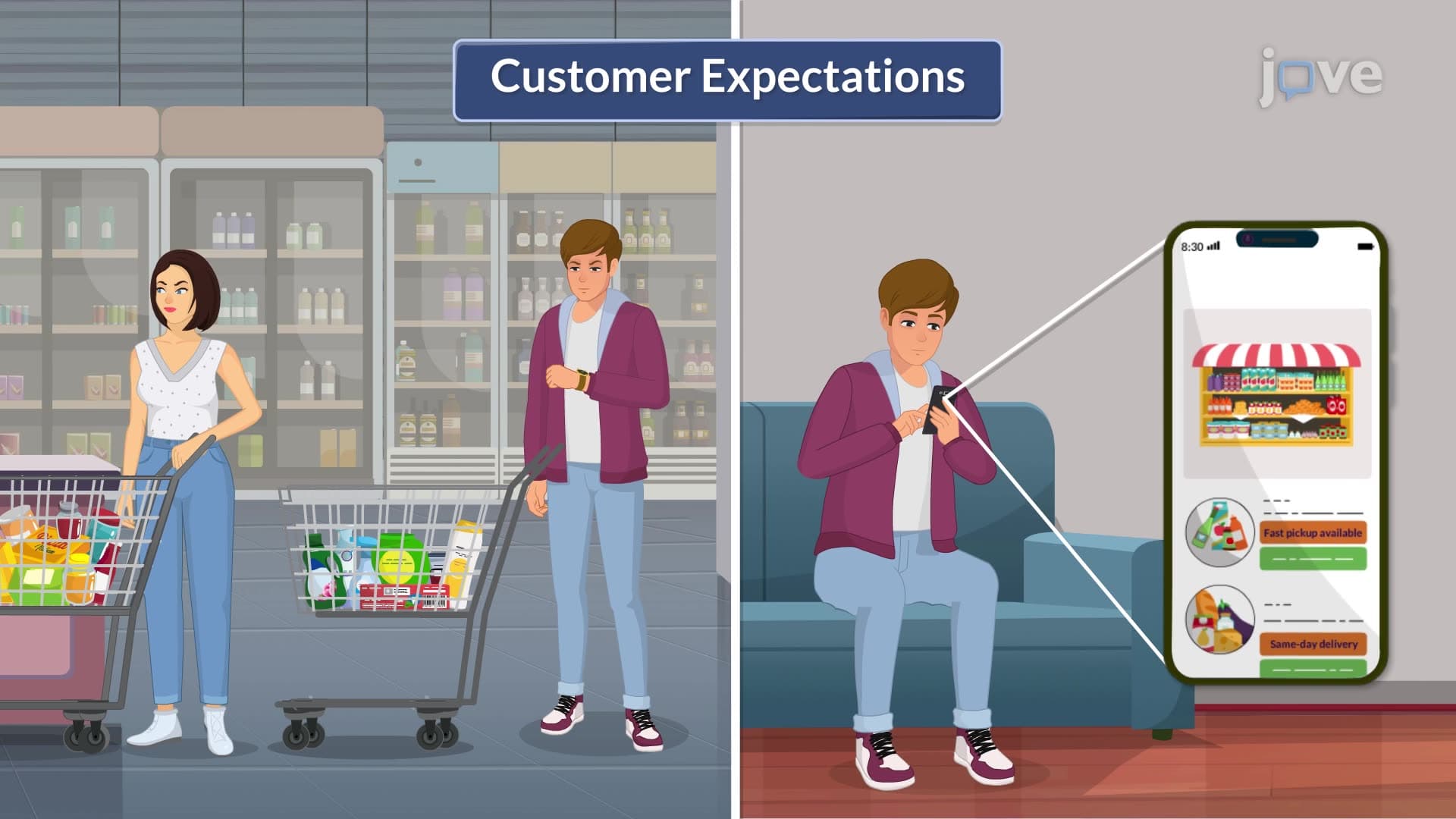

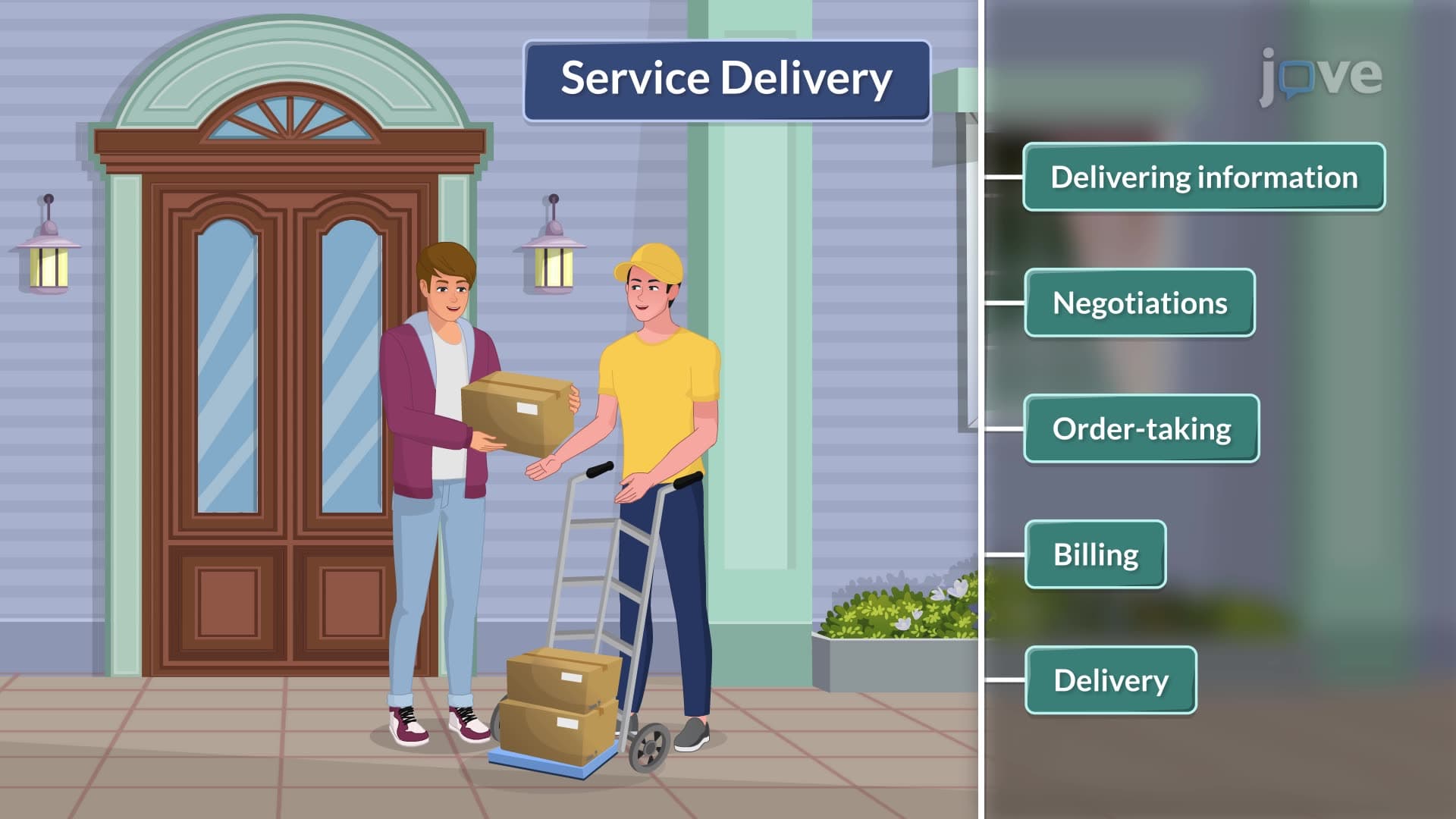


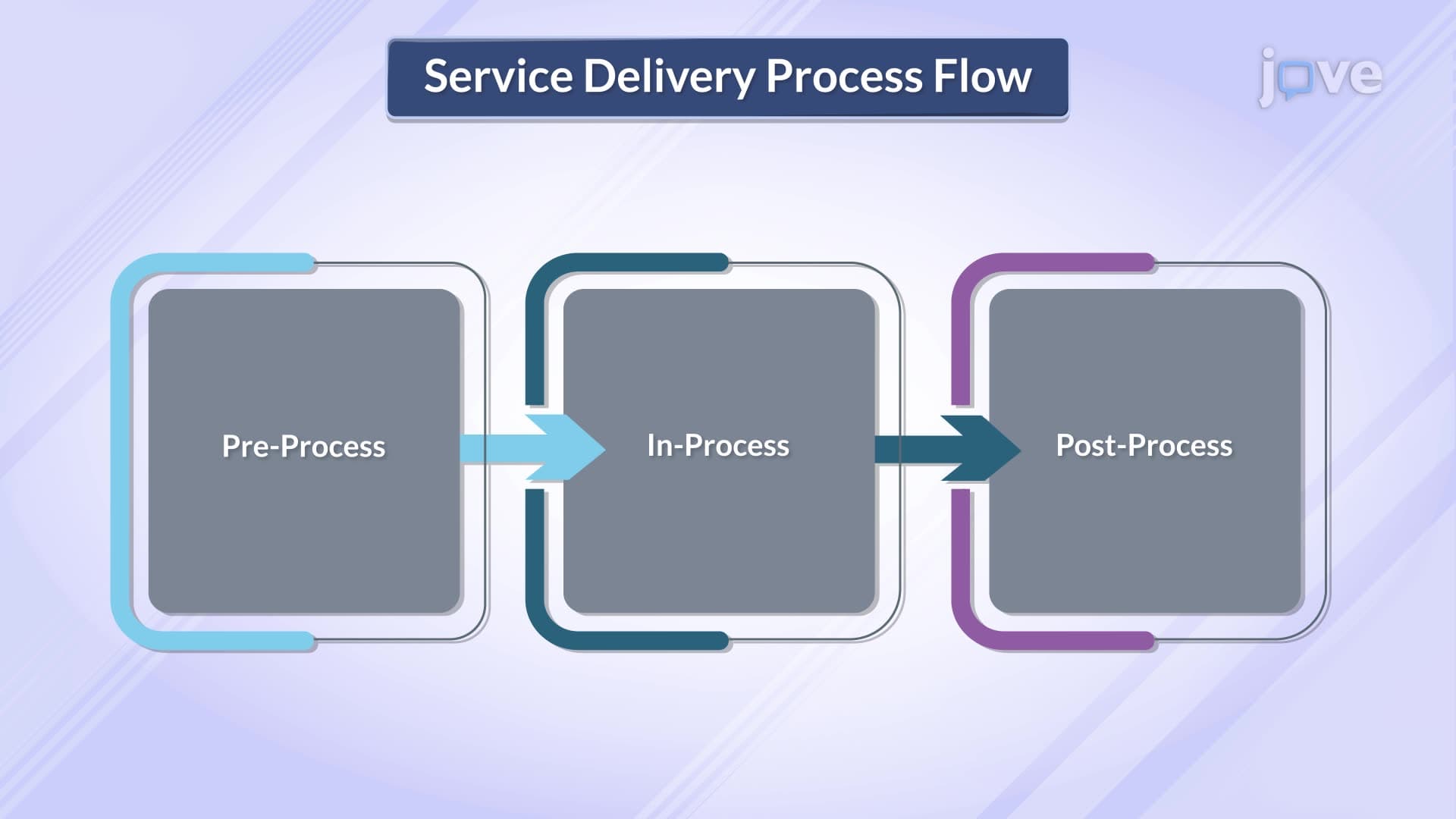
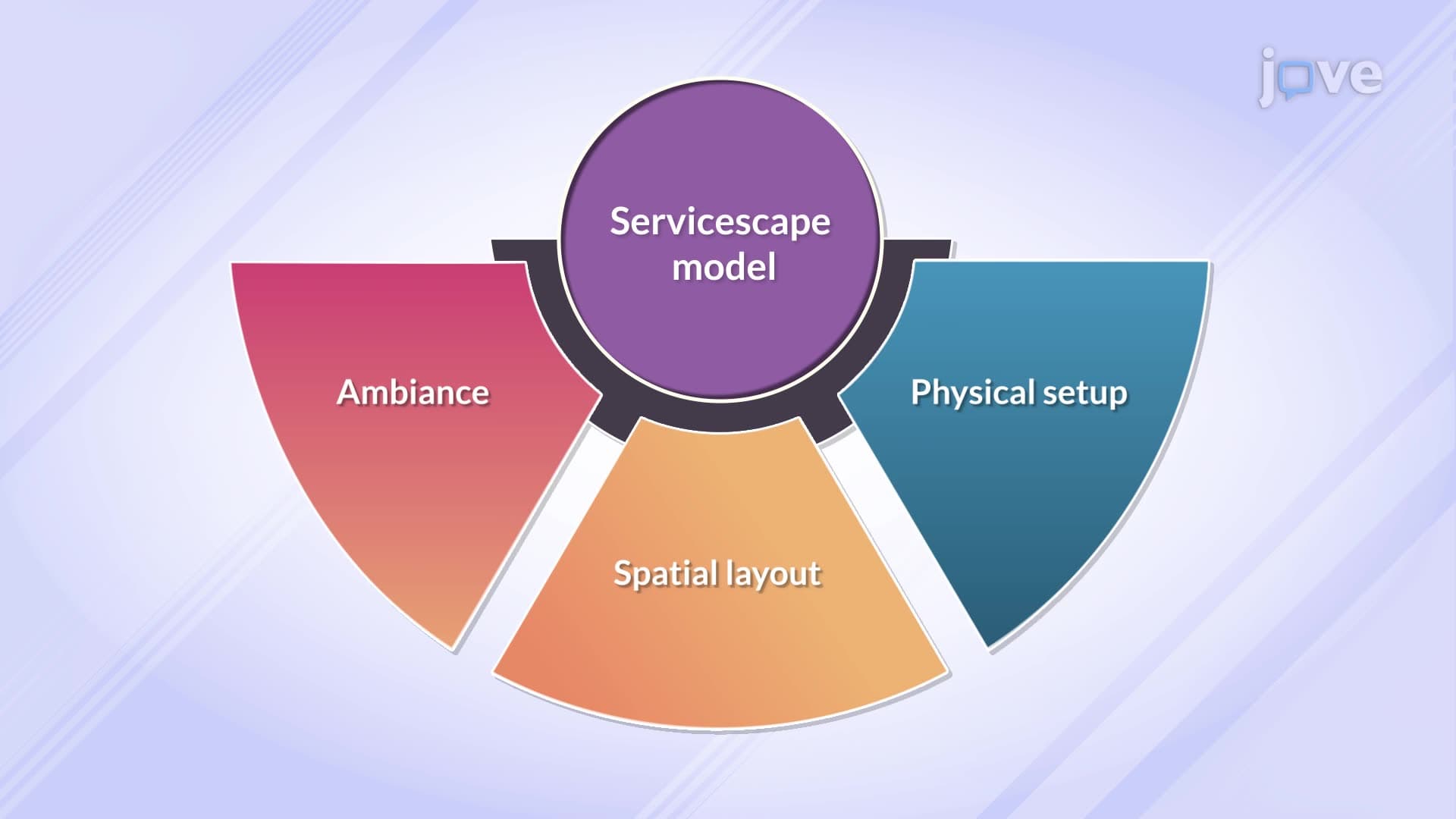







Service Product

00:00
01:20
Video Summary: What Is Service Product
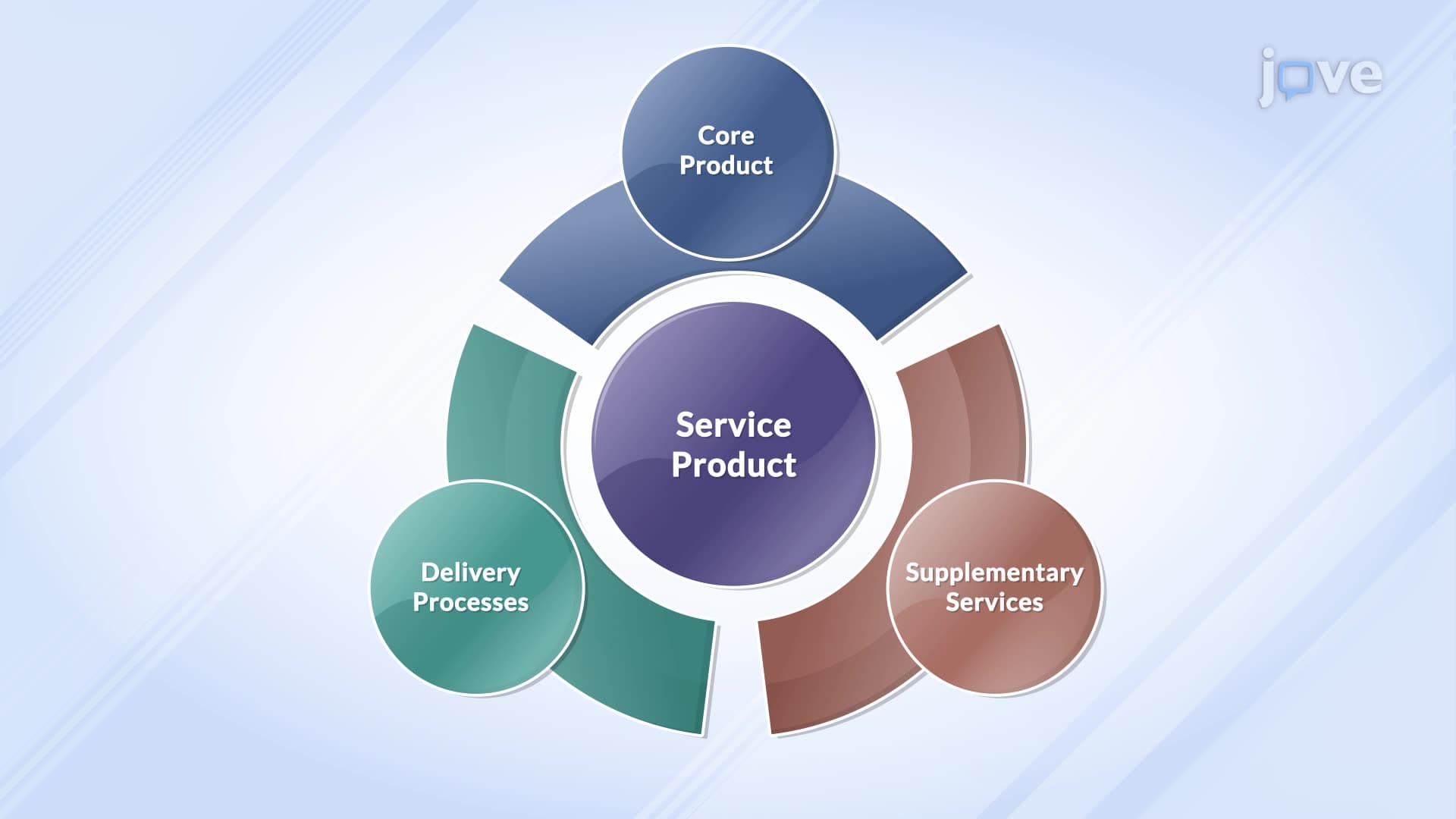
Modern businesses increasingly compete on service differentiation, making service product strategy a critical executive competency. A service product encompasses the complete ecosystem of tangible and intangible elements that deliver customer value through beneficial outcomes and experiences. Delta Air Lines exemplifies this approach, integrating core transportation services with supplementary offerings like premium lounges and digital check-in processes. Understanding what is service product enables leaders to architect comprehensive value propositions that drive competitive advantage and customer loyalty. Watch the full video on JoVE Coach to master this concept with expert-led visuals and step-by-step explanations.
- Apply service product frameworks to identify revenue optimization opportunities across core and supplementary service lines
- Evaluate competitor service portfolios to uncover market positioning gaps and differentiation strategies
- Analyze delivery process effectiveness to improve customer experience metrics and operational efficiency
- Implement systematic approaches to service product design that align with business objectives and customer needs
- Assess the ROI impact of supplementary services on overall profitability and customer lifetime value
- Leverage service product concepts to inform pricing strategies and value proposition development
- Identify critical touchpoints in the customer journey that influence service perception and brand loyalty
- Compare service delivery models to optimize resource allocation and competitive positioning
Understanding Service Product Architecture in Business Strategy
When Marriott International redesigned its hospitality experience in 2018, executives didn't just focus on room amenities-they reimagined the entire service product ecosystem. This strategic approach reflects how modern enterprises view service offerings: as integrated systems where core benefits, supplementary services, and delivery mechanisms work together to create sustainable competitive advantages.
Core Product: The Foundation of Value Creation
The core product represents the fundamental benefit customers purchase, driving primary revenue streams and market positioning. For American Express, the core product isn't the physical credit card-it's financial transaction processing and credit extension capabilities. This distinction matters for P&L management because it clarifies where to invest development resources and how to measure success metrics. Leadership teams must clearly define their core product to avoid feature creep and maintain strategic focus during market expansion or competitive pressure.
Supplementary Services: Differentiation and Revenue Multiplication
Supplementary services transform commoditized offerings into differentiated value propositions. Amazon Web Services demonstrates this principle by layering security, monitoring, and support services around basic cloud infrastructure. These additions serve dual purposes: essential services ensure core product delivery (like AWS Identity and Access Management), while enhancement services create premium tiers and customer stickiness (like personalized support levels). Smart executives analyze which supplementary services generate the highest customer lifetime value versus operational costs.
Delivery Process Optimization: Where Strategy Meets Execution
Service delivery processes often determine whether superior strategy translates into market success. Starbucks revolutionized coffee retail not through better beans, but by systematizing the entire customer experience-from mobile ordering to barista training protocols. These operational elements directly impact customer perception, operational efficiency, and scalability potential. For business leaders, mapping and optimizing delivery processes provides measurable improvements in customer satisfaction scores, operational margins, and competitive positioning.
Frequently Asked Questions
Service product encompasses the complete customer value system including core benefits, supplementary services, and delivery processes, unlike physical products that focus primarily on features and functionality. This holistic approach requires different management frameworks, performance metrics, and competitive strategies since service value is created through experiences rather than tangible specifications.
Evaluate supplementary services based on customer impact analysis and revenue contribution potential. Essential services that enable core product delivery receive priority funding, while enhancement services should demonstrate clear ROI through increased customer lifetime value, premium pricing opportunities, or competitive differentiation that drives market share gains.
Structure presentations around the three-tier model: core product (revenue foundation), essential supplementary services (operational requirements), and enhancement services (growth opportunities). Include competitive benchmarking, customer journey mapping, and financial impact projections to support investment decisions and resource allocation recommendations.
Southwest built its service product around low-cost transportation (core) with essential services like reliable scheduling and efficient boarding, while deliberately limiting enhancement services to maintain cost leadership. This strategic alignment between service product design and business model demonstrates how service architecture directly supports competitive positioning and profitability targets.
Service product principles are accessible to professionals across functions since they focus on customer value creation rather than technical operations. The framework helps business leaders, marketers, and strategists understand how service elements work together, making it valuable for cross-functional collaboration and strategic decision-making regardless of operational expertise.
Service product knowledge enhances strategic thinking capabilities, customer experience design skills, and cross-functional leadership effectiveness. These competencies are increasingly valuable as businesses shift toward service-based revenue models and customer experience differentiation strategies, making this expertise relevant for consulting, product management, strategy, and general management roles.
Service product design directly shapes customer experience by defining touchpoints, interaction quality, and value delivery mechanisms. Understanding this relationship enables more effective customer experience initiatives, helps prioritize experience improvement investments, and provides frameworks for measuring experience ROI through service product performance metrics.
Service blueprinting provides the next logical step, offering detailed methodology for mapping service delivery processes, identifying failure points, and optimizing customer-facing and behind-the-scenes operations. This advanced framework builds on service product concepts to create actionable operational improvements and strategic service design capabilities.
Related Micro-courses