Loading…
Loading video…

24,489 views
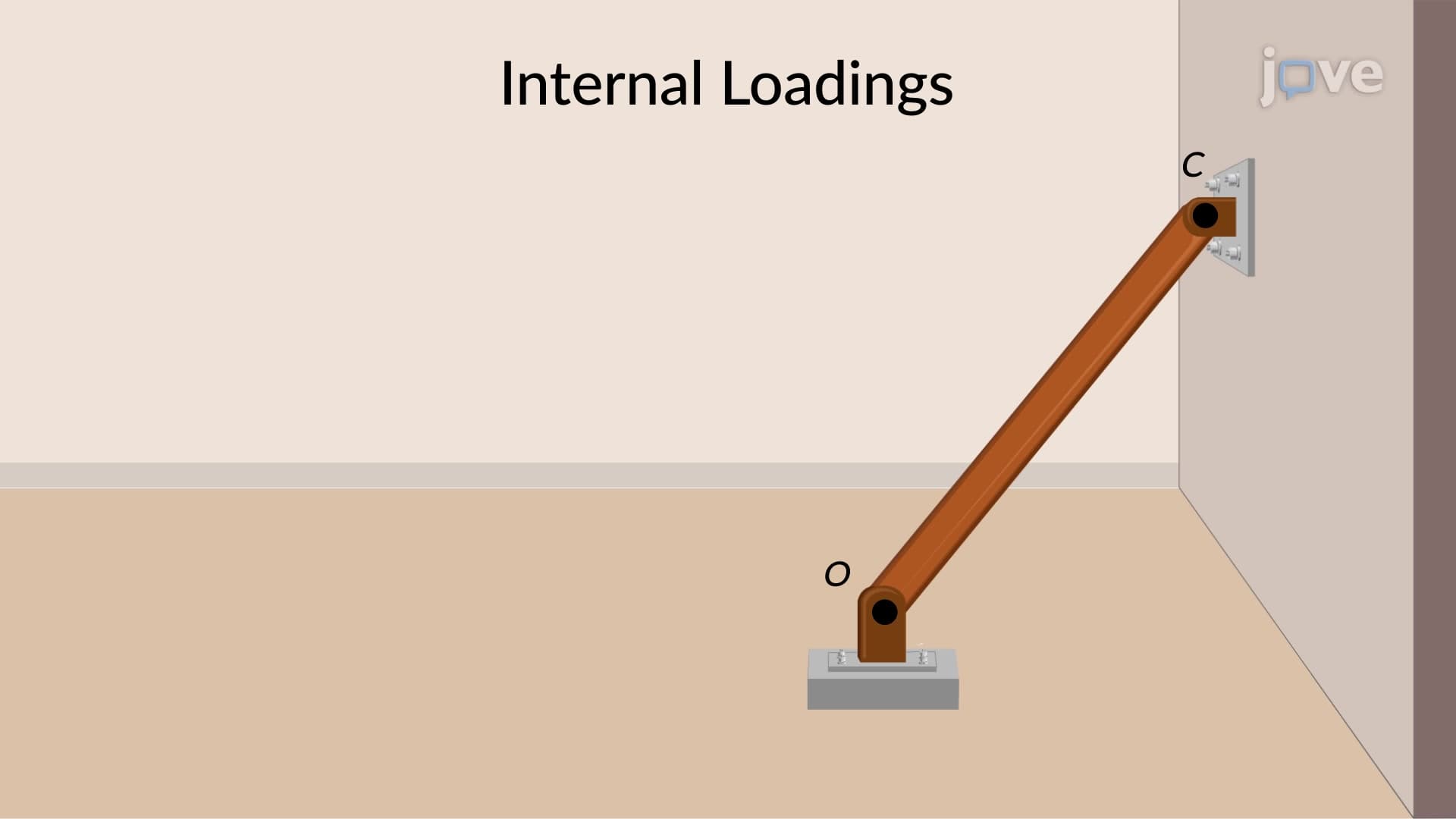
Ever wonder why the Golden Gate Bridge doesn't collapse under heavy traffic and wind? Internal loadings are the hidden forces and moments that keep structures intact when external forces act on them. In structural analysis, engineers calculate these internal forces—normal force, shear force, and bending moment—to ensure safety in everything from highway overpasses to skyscrapers. Understanding what is internal loadings involves analyzing how beams and structural members respond internally to external loads through systematic force analysis. Watch the full video on JoVE Coach to master this concept with expert-led visuals and step-by-step explanations.
Internal loadings represent the internal forces and moments that develop within structural members to maintain equilibrium when external loads are applied. These invisible forces are crucial for structural integrity—they're what prevent beams in the Willis Tower from failing under wind loads or keep suspension cables in the Brooklyn Bridge from snapping under traffic weight.
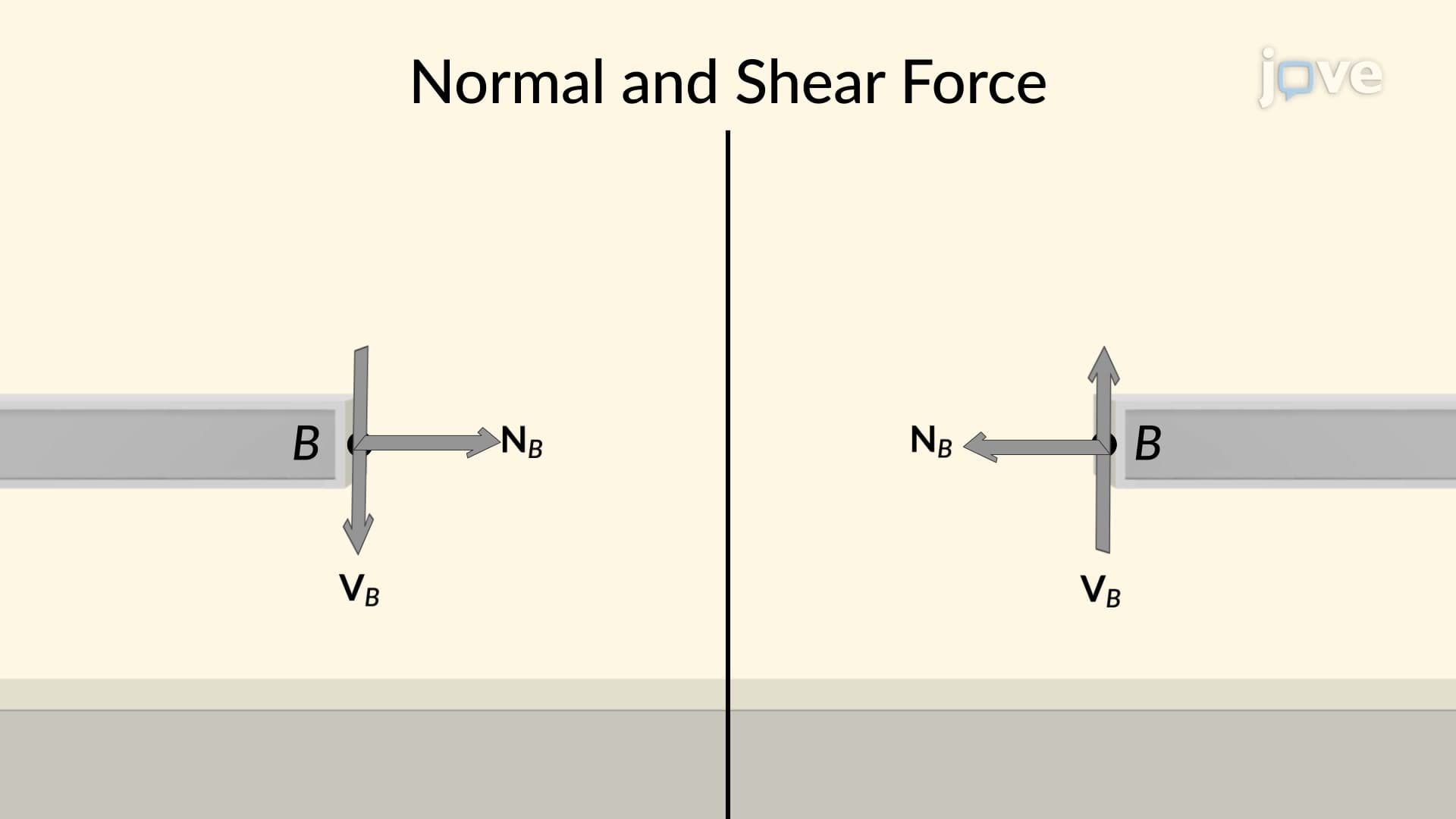
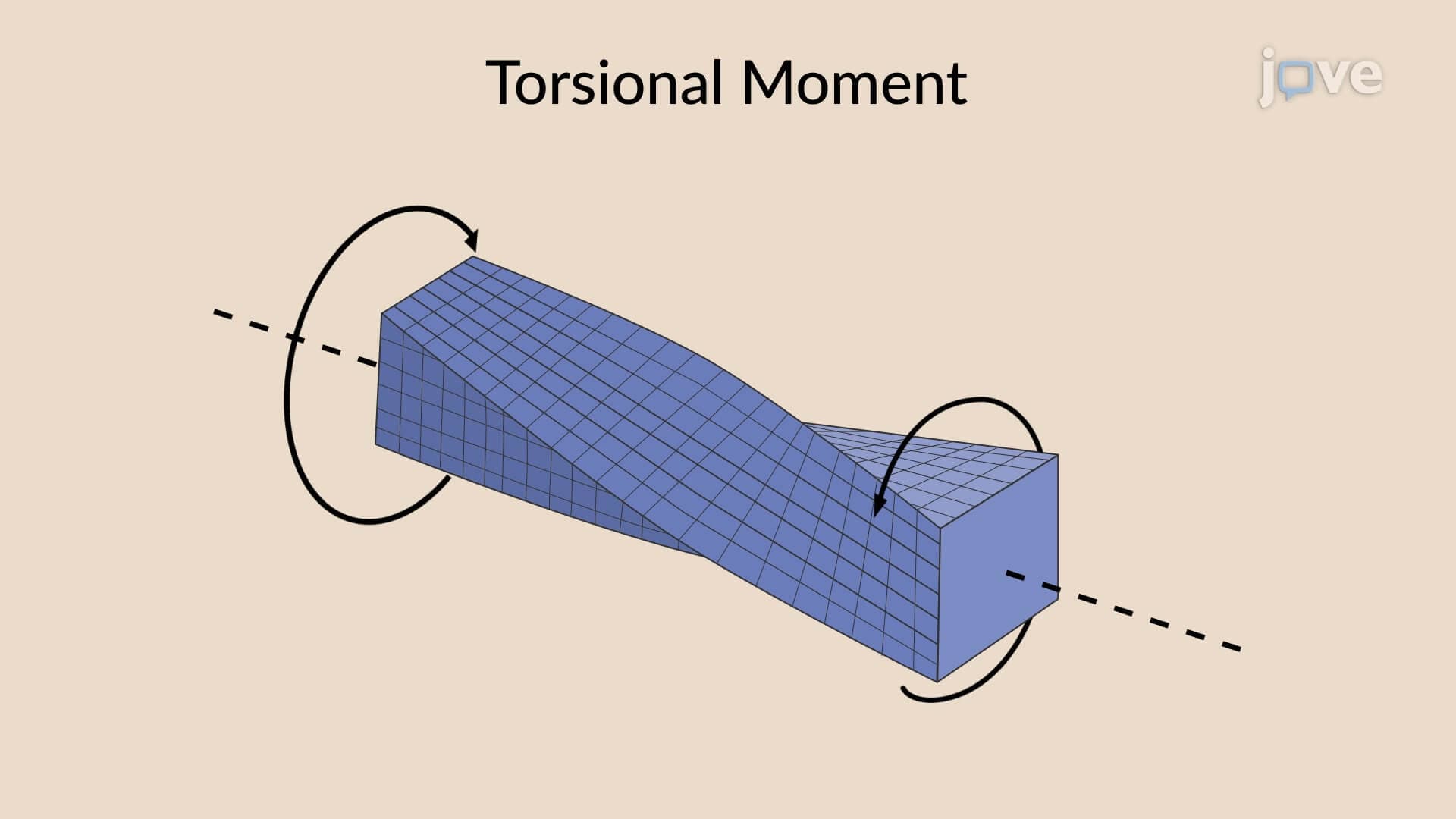
The three fundamental types of internal loadings are normal force (N), shear force (V), and bending moment (M). Normal force acts perpendicular to a cross-section, either in tension (pulling apart) or compression (pushing together). Shear force acts parallel to the cross-section, causing sliding between adjacent layers. Bending moment creates rotational effects that cause structural members to curve or bend.
Engineers use the method of sections to determine internal loadings at any point within a structure. This involves making an imaginary cut through the structure at the desired location, creating two separate free-body diagrams. By applying equilibrium equations to the simpler section (with fewer unknown forces), you can solve for the internal loadings at the cut location. This technique is essential for AP Physics C students and appears frequently on college statics exams.
Understanding internal loadings is fundamental for MCAT physics sections, AP Physics C mechanics, and engineering statics courses. In practice, structural engineers at firms like AECOM or Bechtel use these principles to design earthquake-resistant buildings in California or hurricane-resistant structures in Florida. Civil engineering students encounter internal loadings problems on the Fundamentals of Engineering (FE) exam, where they must quickly identify critical sections and apply equilibrium equations under time pressure.
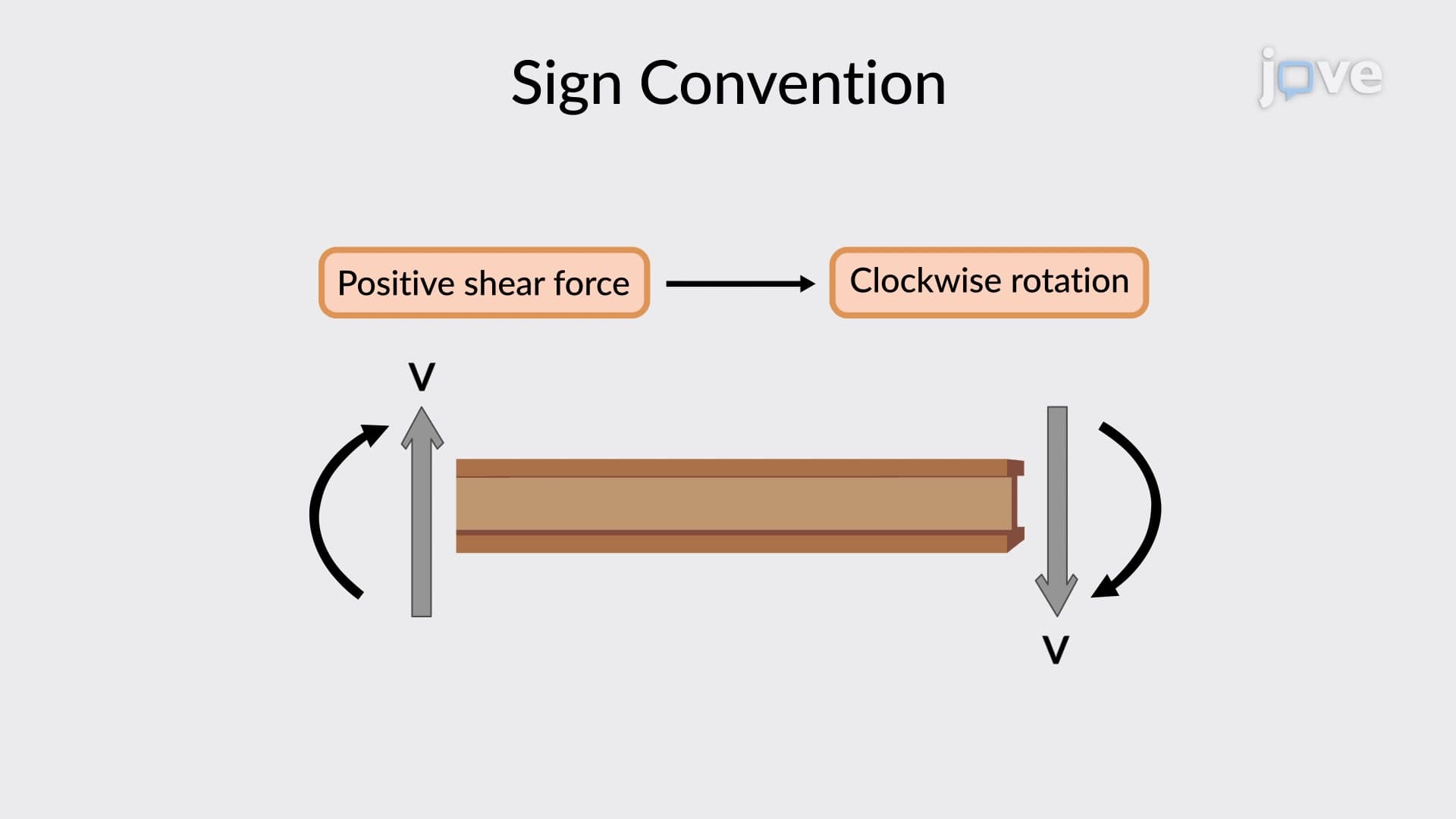
The sign convention for internal loadings follows specific rules: positive normal forces indicate tension, positive shear forces point upward on the right face of a section, and positive moments cause compression in the top fibers of horizontal beams. Mastering these concepts prepares students for advanced topics like stress analysis and structural design optimization.
Frequently Asked Questions
Internal loadings are the hidden forces inside structural members that balance external forces applied to them. Think of them as the internal "reactions" that keep structures stable—like how your arm muscles create internal forces to hold up a heavy backpack. These include normal force (pushing/pulling), shear force (sliding), and bending moment (rotating effects).
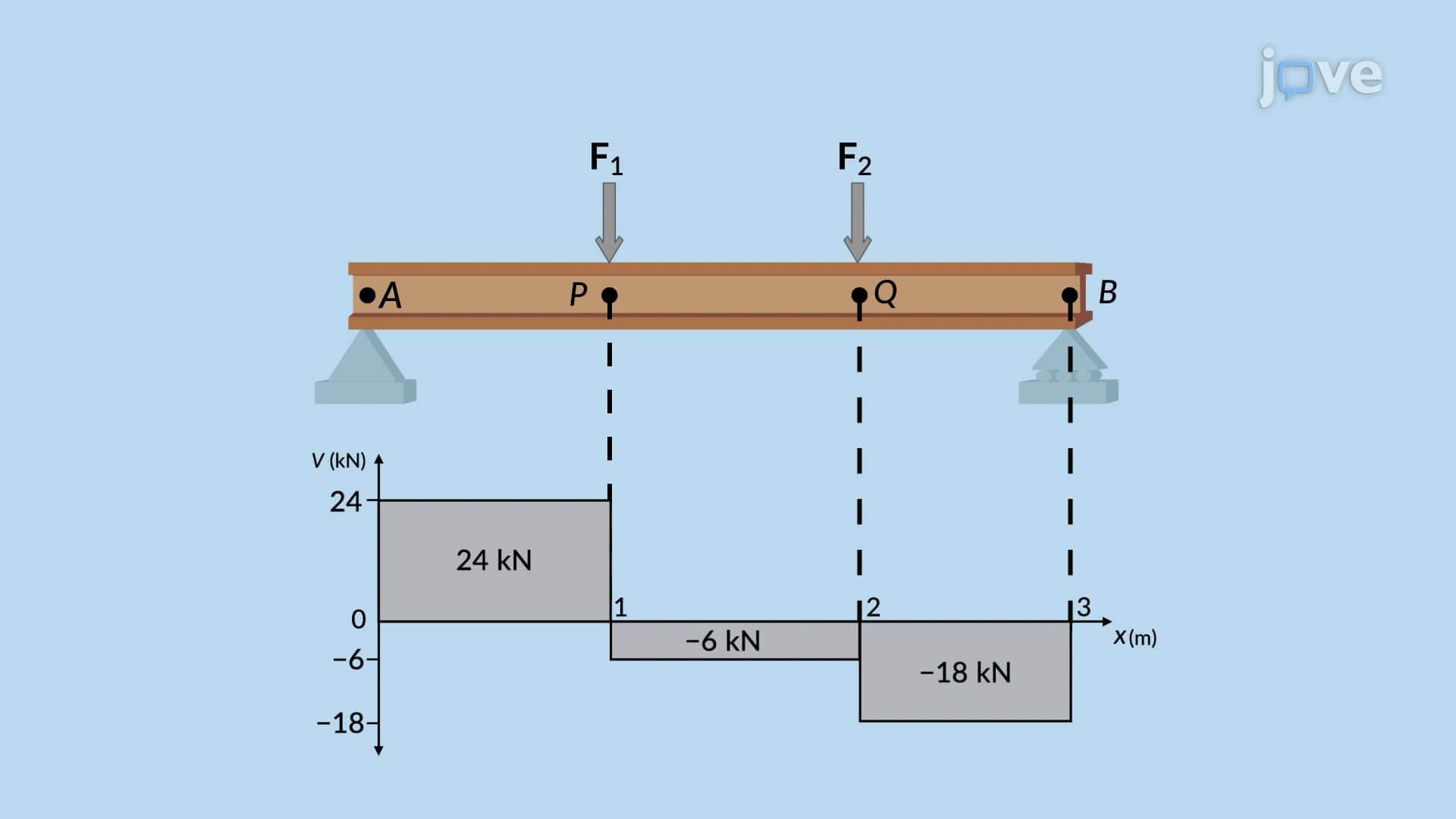
Exam problems typically give you a beam with known loads and ask you to find internal forces at specific points using the method of sections. You'll need to draw free-body diagrams, apply equilibrium equations, and use proper sign conventions. Common question types include finding maximum shear force locations or determining internal moments for structural safety analysis.
External forces are applied loads like weight, wind, or traffic that act on a structure from outside. Internal loadings are the resulting forces that develop inside the structural members to resist these external forces and maintain equilibrium. External forces cause internal loadings—they're the structure's internal response to external demands.
Engineers use internal loadings calculations to size beams, columns, and connections in buildings like One World Trade Center or sports stadiums. By knowing the maximum internal forces, they can select appropriate materials and cross-sections to prevent structural failure. This ensures public safety and meets building code requirements across all 50 states.
Basic algebra and trigonometry are sufficient for most internal loadings problems at the high school and early college level. You'll primarily use simple equilibrium equations (sum of forces equals zero, sum of moments equals zero) and free-body diagram analysis. The concepts are more important than complex calculations—focus on understanding the physical meaning first.
Practice drawing accurate free-body diagrams and consistently apply the method of sections. Start with simple beam problems, then progress to more complex structures. Create a systematic approach: identify the section, draw the free-body diagram, apply equilibrium equations, and check your answers for physical reasonableness using engineering judgment.
Internal loadings form the foundation for strength of materials, structural analysis, and machine design courses. Once you master these basic concepts, you'll be prepared for stress-strain relationships, deflection calculations, and failure analysis. This knowledge is essential for mechanical, civil, and aerospace engineering degree programs.
Related Micro-courses
Related Subjects
 Civil Engineering 30 micro-courses›Electrical Engineering 33 micro-courses›