Loading…
Loading video…

24,489 views
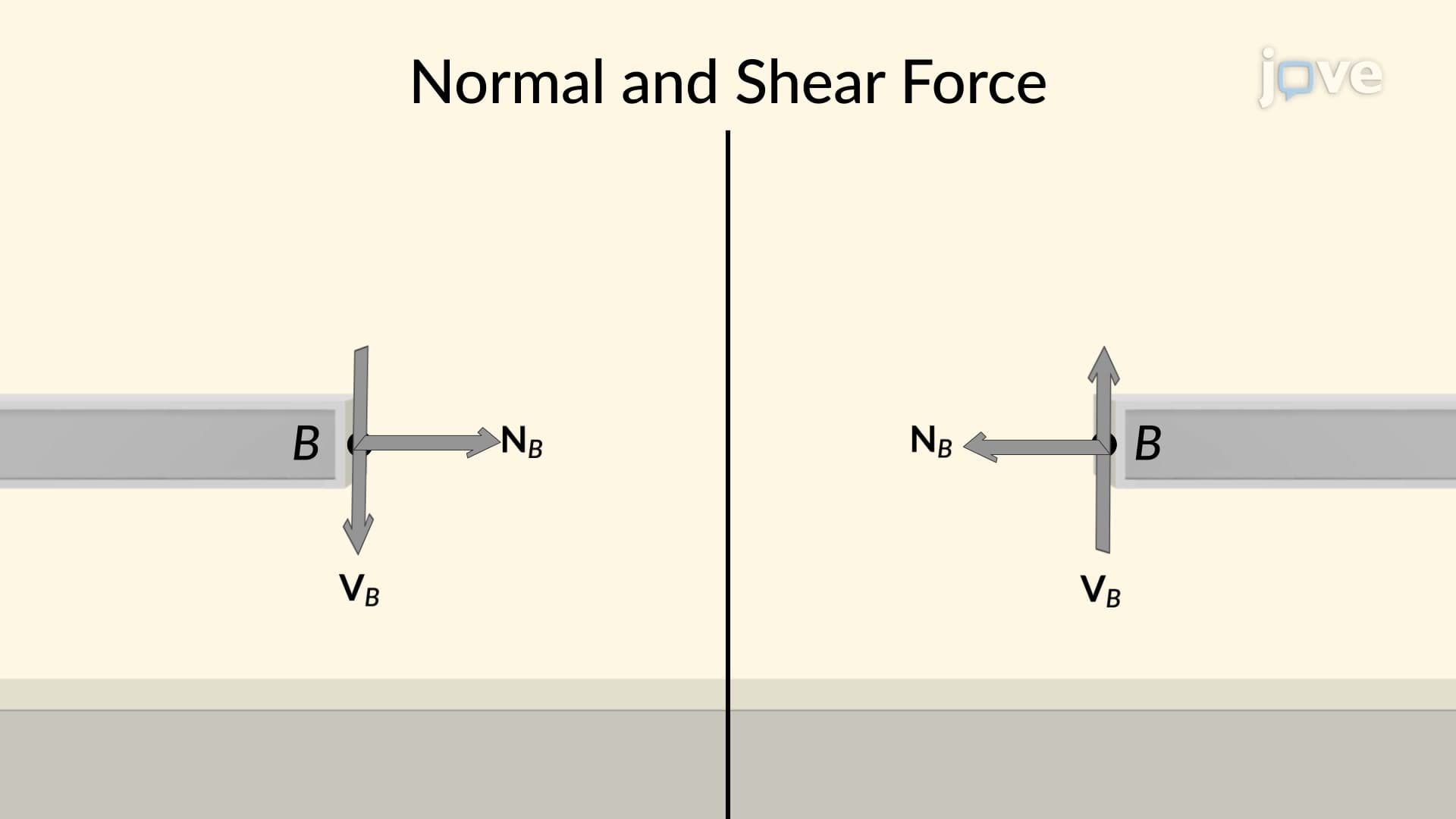
Ever wonder why steel beams in skyscrapers like New York's One World Trade Center can withstand tremendous loads without breaking? The answer lies in understanding normal and shear force. When engineers analyze structural members under load, they must consider internal forces that develop within the material. Normal and shear force are the two fundamental internal forces that act on any cross-section of a structural element when it's subjected to external loads. Watch the full video on JoVE Coach to master this concept with expert-led visuals and step-by-step explanations.
Normal and shear force represent the two primary categories of internal forces that develop within structural members when subjected to external loads. These forces are essential concepts in structural engineering, mechanical engineering, and physics courses including AP Physics C, college-level statics, and strength of materials.
The normal force (also called axial force) acts perpendicular to the cross-sectional area of a structural member. Think of it as the force trying to either stretch or compress the material along its length. When you pull on both ends of a rope, the internal normal force throughout the rope equals the applied tension. In compression members like the concrete columns supporting highway overpasses across the United States, normal forces work to squeeze the material together.
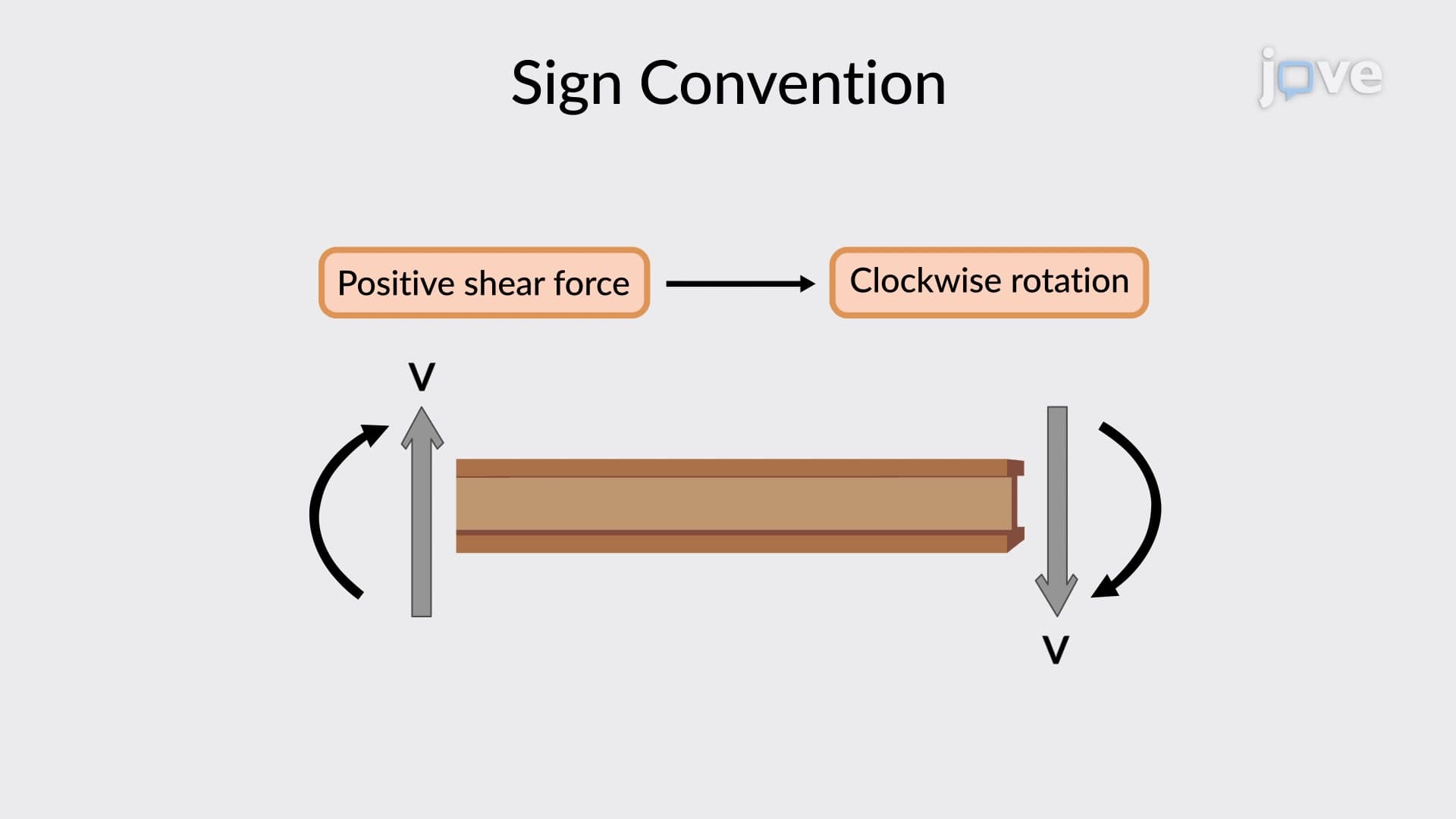
Shear force operates differently—it acts parallel to (or tangentially to) the cross-sectional area, attempting to slide one part of the material past another. Picture cutting through a piece of paper with scissors: the cutting action represents shear force. In structural applications, shear forces commonly develop in beams supporting floor loads in buildings or bridge decks carrying vehicle traffic.
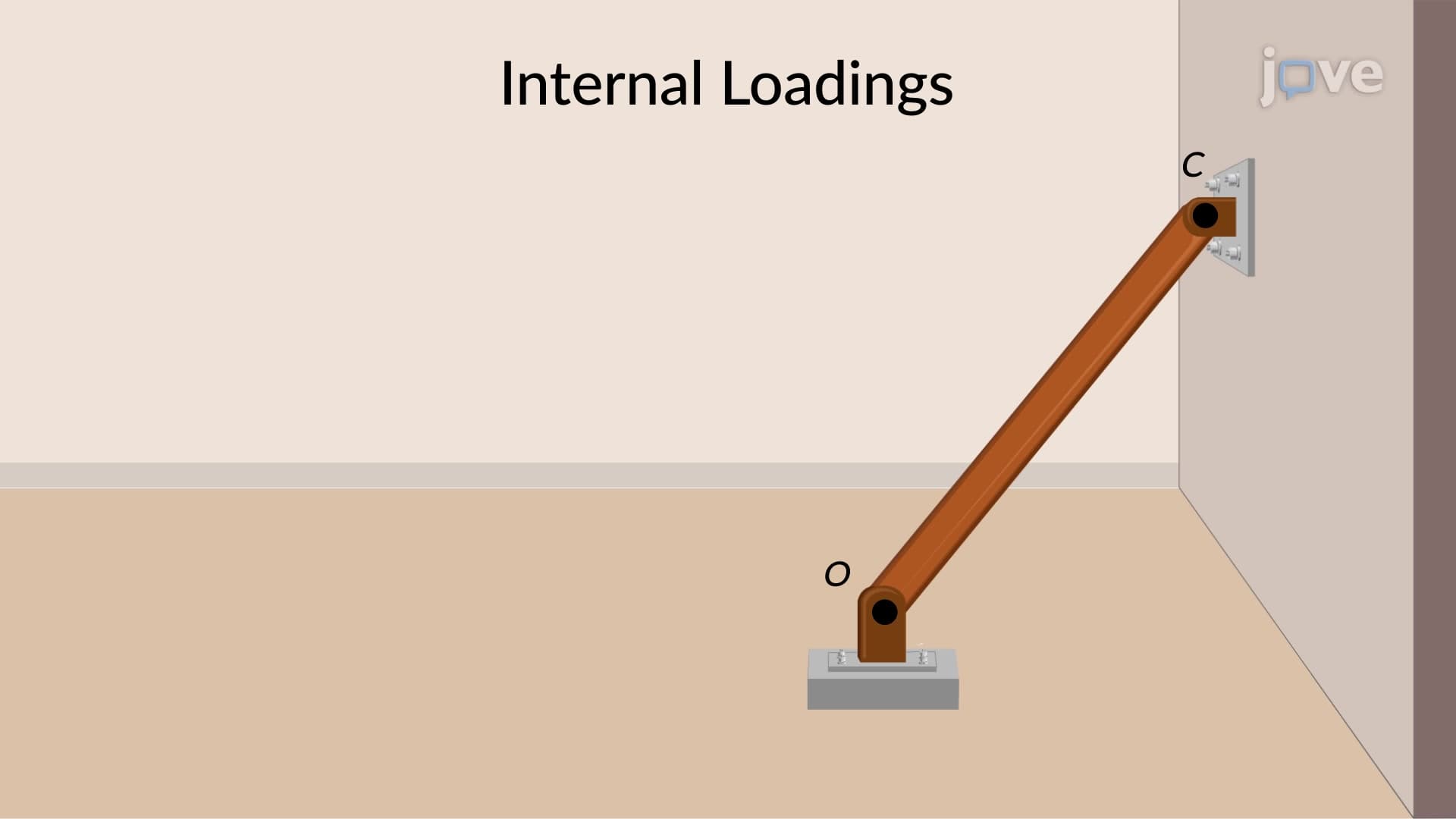
The method of sections provides the analytical tool for determining these internal forces at any location along a structural member. Engineers imagine cutting through the structure at the point of interest and analyze the forces required to maintain equilibrium on either side of the cut. This technique proves invaluable for designing safe structures and appears frequently on engineering licensing exams like the Fundamentals of Engineering (FE) exam.
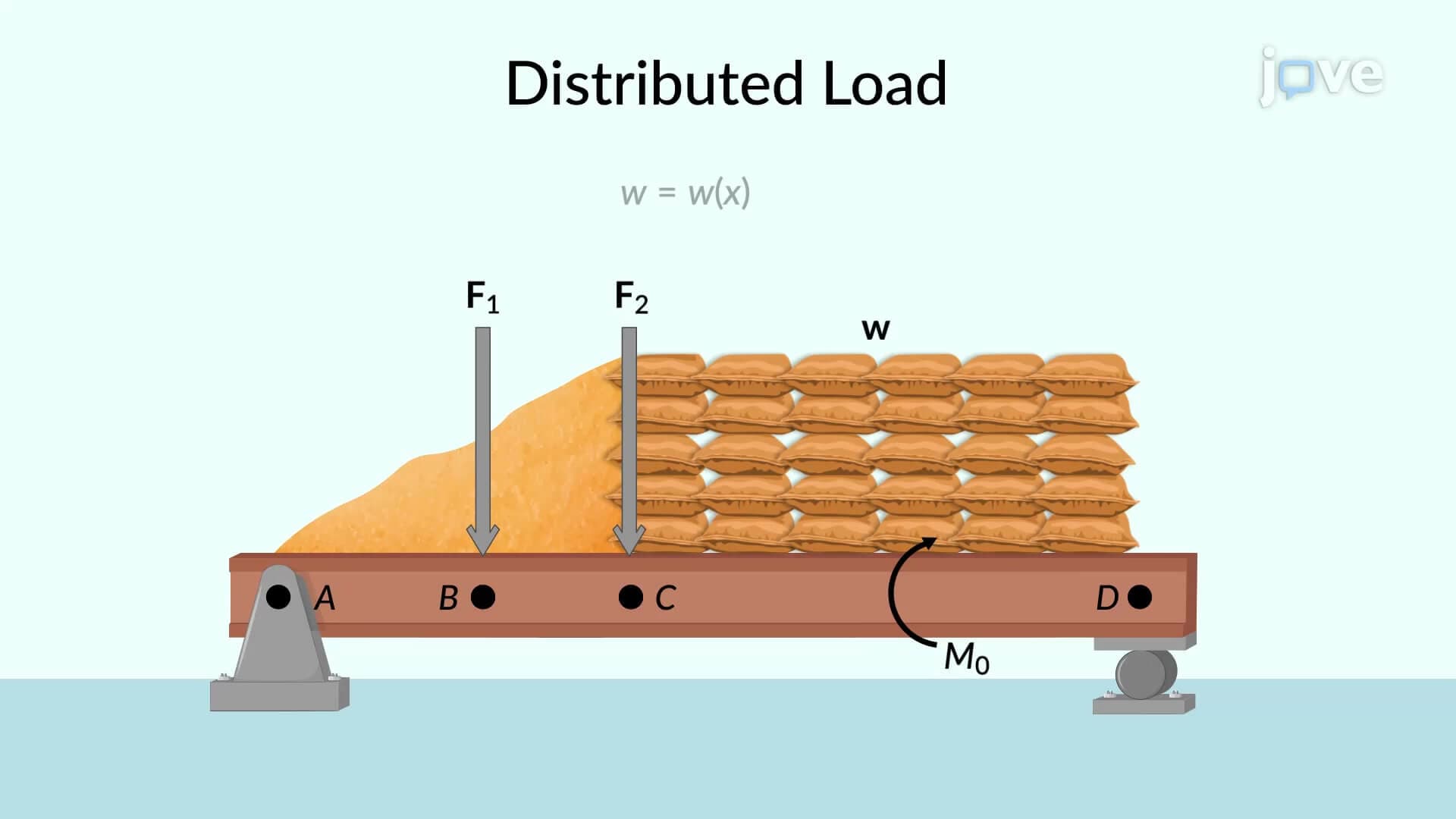
Consider a cantilever beam extending from the side of a building, such as those supporting building signage or architectural features. When wind loads or the weight of supported elements create external forces, the beam develops varying internal normal and shear forces along its length. Understanding these force distributions allows engineers to select appropriate beam sizes and materials.
The equilibrium equations (sum of forces in x-direction = 0, sum of forces in y-direction = 0, sum of moments = 0) provide the mathematical foundation for calculating these forces. Students preparing for AP Physics C mechanics or college statics courses should master drawing free-body diagrams and applying these equilibrium principles to solve for unknown internal forces.
Frequently Asked Questions
Normal force acts perpendicular to a material's cross-section (like pulling or pushing along the length), while shear force acts parallel to the cross-section (like trying to slide layers past each other). These are the two fundamental internal forces that develop inside structural members when external loads are applied. Understanding both forces is essential for analyzing how structures carry loads safely.
AP Physics C mechanics frequently includes problems involving force analysis on beams, trusses, or structural components where students must identify internal forces. Expect to draw free-body diagrams, apply equilibrium equations, and solve for unknown forces at specific locations. The method of sections technique commonly appears in both multiple-choice and free-response questions.
In dynamics, normal force typically refers to contact forces perpendicular to surfaces (like the ground pushing up on your feet). In structural analysis, normal force specifically means internal axial forces within members that act perpendicular to cross-sectional areas. Both concepts involve perpendicular forces, but they apply to different physical situations and analysis methods.
Bridge engineers analyze how traffic loads create internal normal and shear forces throughout bridge girders and support structures. They calculate maximum expected forces to select steel beam sizes that can safely carry the loads without failure. For example, the cables in San Francisco's Golden Gate Bridge primarily carry normal tension forces, while the bridge deck experiences significant shear forces from vehicle loads.
The basic concepts require only algebra and trigonometry skills typically covered in high school. You'll work with equilibrium equations (setting sums equal to zero) and occasionally use similar triangles for varying load problems. Most introductory problems focus on conceptual understanding rather than complex mathematical manipulations, making this topic accessible to students in physics or introductory engineering courses.
Practice drawing accurate free-body diagrams first—this skill underlies all force analysis problems. Work through problems systematically: identify the point of interest, imagine cutting through the structure, draw forces on one segment, then apply equilibrium equations. Focus on understanding the physical meaning of your calculated results rather than just getting numbers.
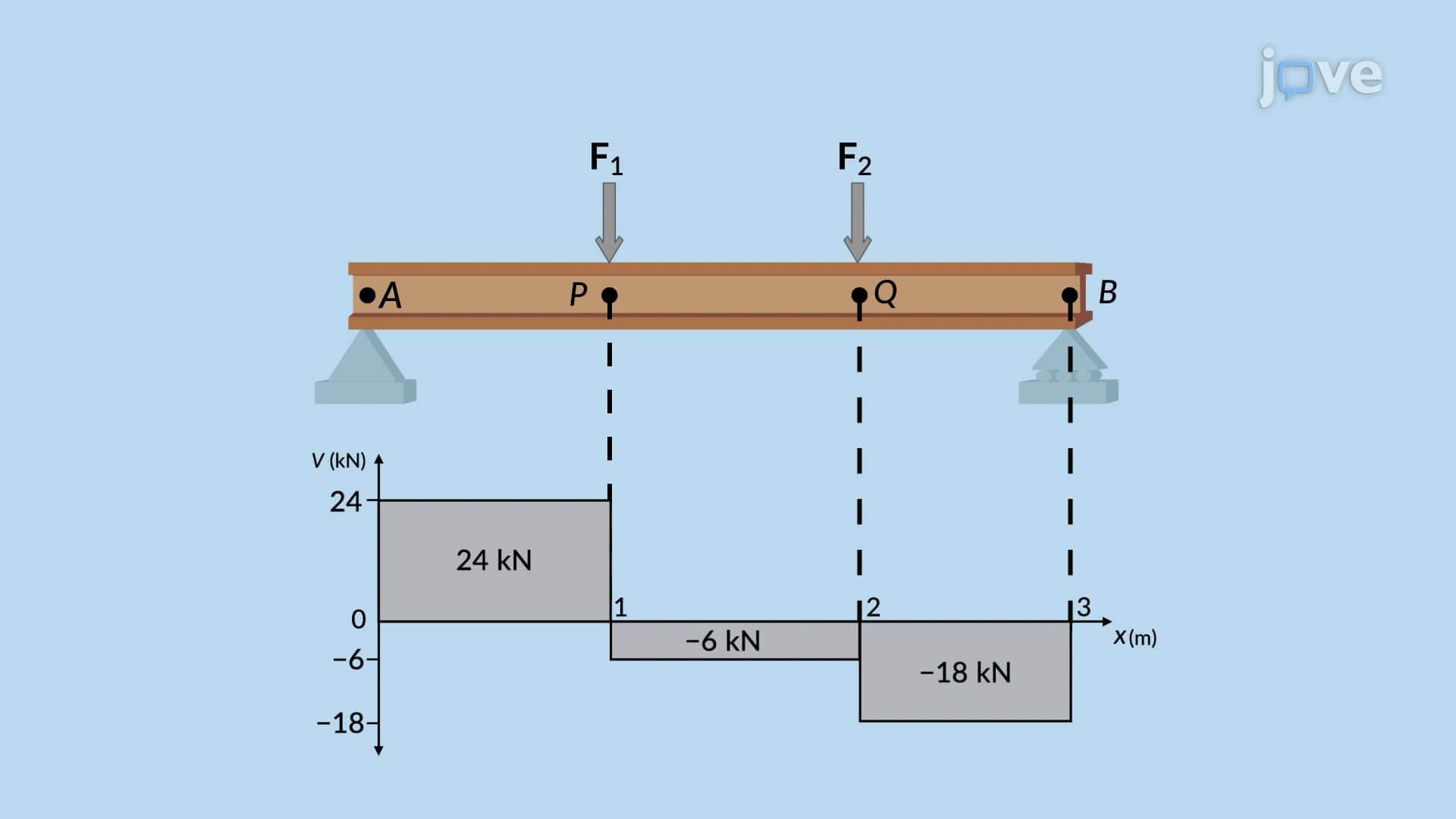
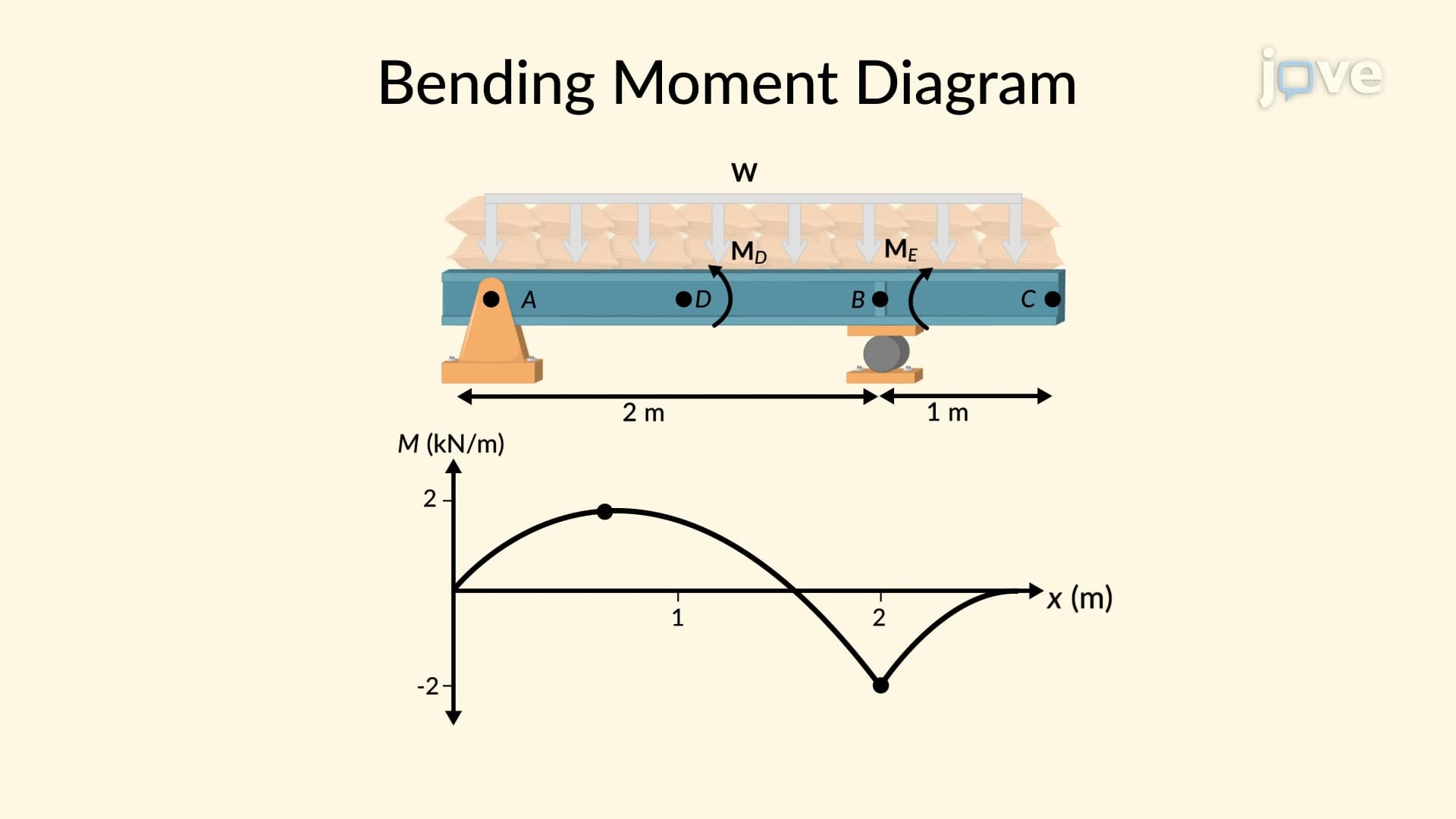
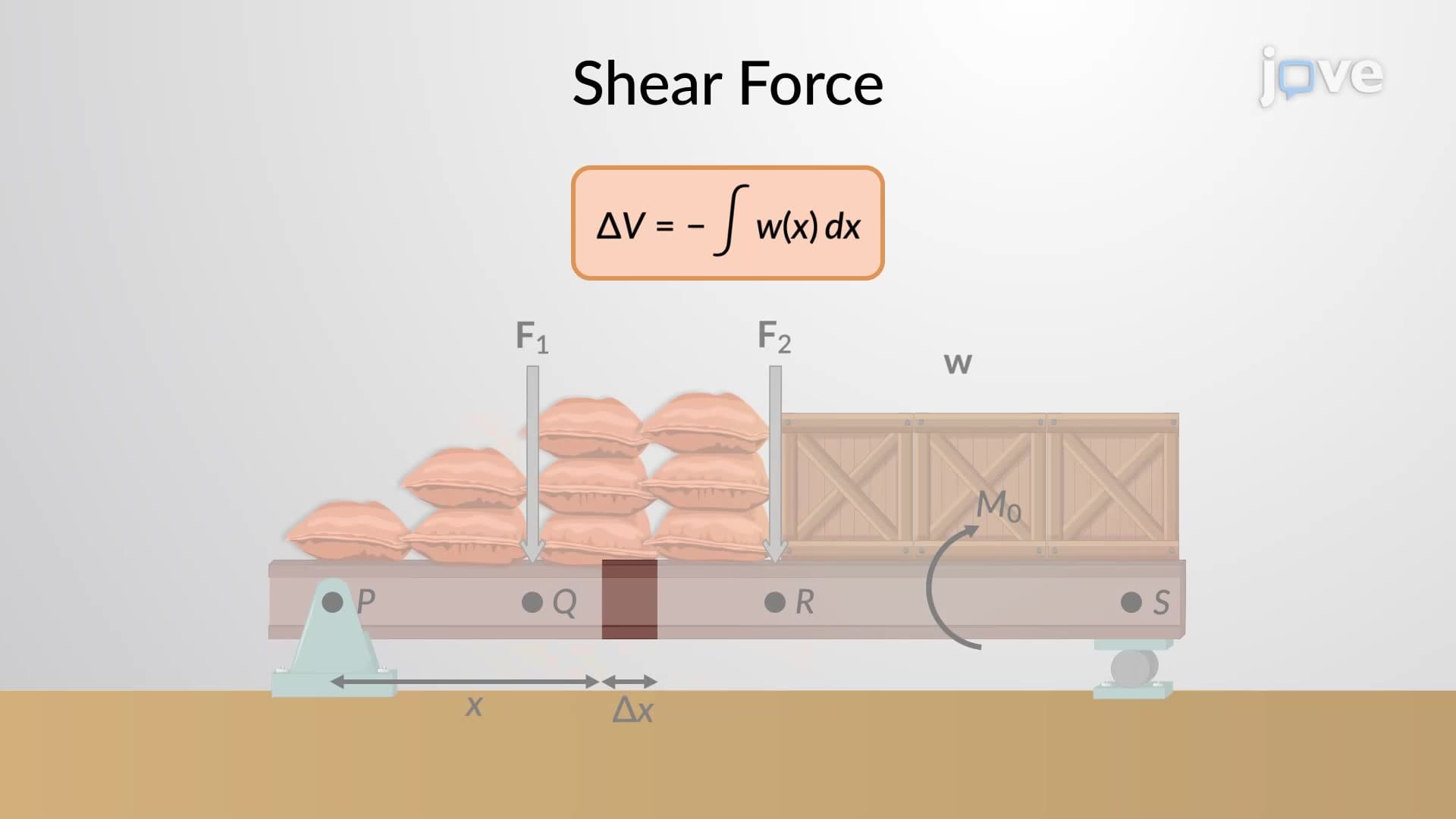
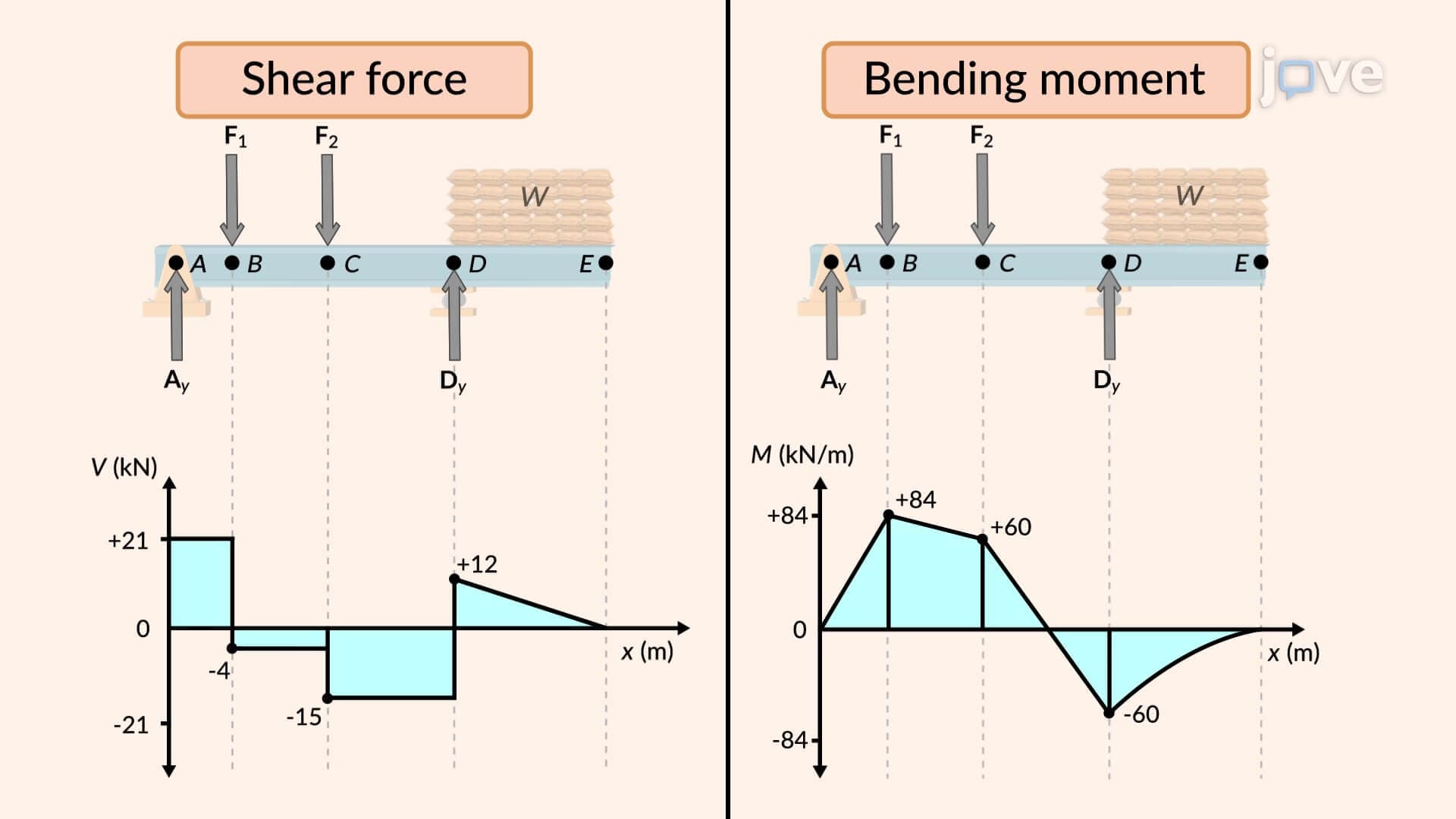
Progress to shear and moment diagrams, which graphically represent how internal forces vary along structural members. Then explore stress analysis (force per unit area) and beam deflection calculations. These advanced topics build directly on normal and shear force fundamentals and appear in strength of materials and structural analysis courses.
Materials fail when internal stresses exceed their strength limits, and these stresses result directly from normal and shear forces. Excessive normal forces can cause materials to break in tension or crush in compression, while excessive shear forces can cause materials to slide apart along internal planes. Understanding force distributions helps engineers prevent these failure modes through proper design.
Related Micro-courses
Related Subjects
 Civil Engineering 30 micro-courses›Electrical Engineering 33 micro-courses›