Loading…
Loading video…

24,489 views
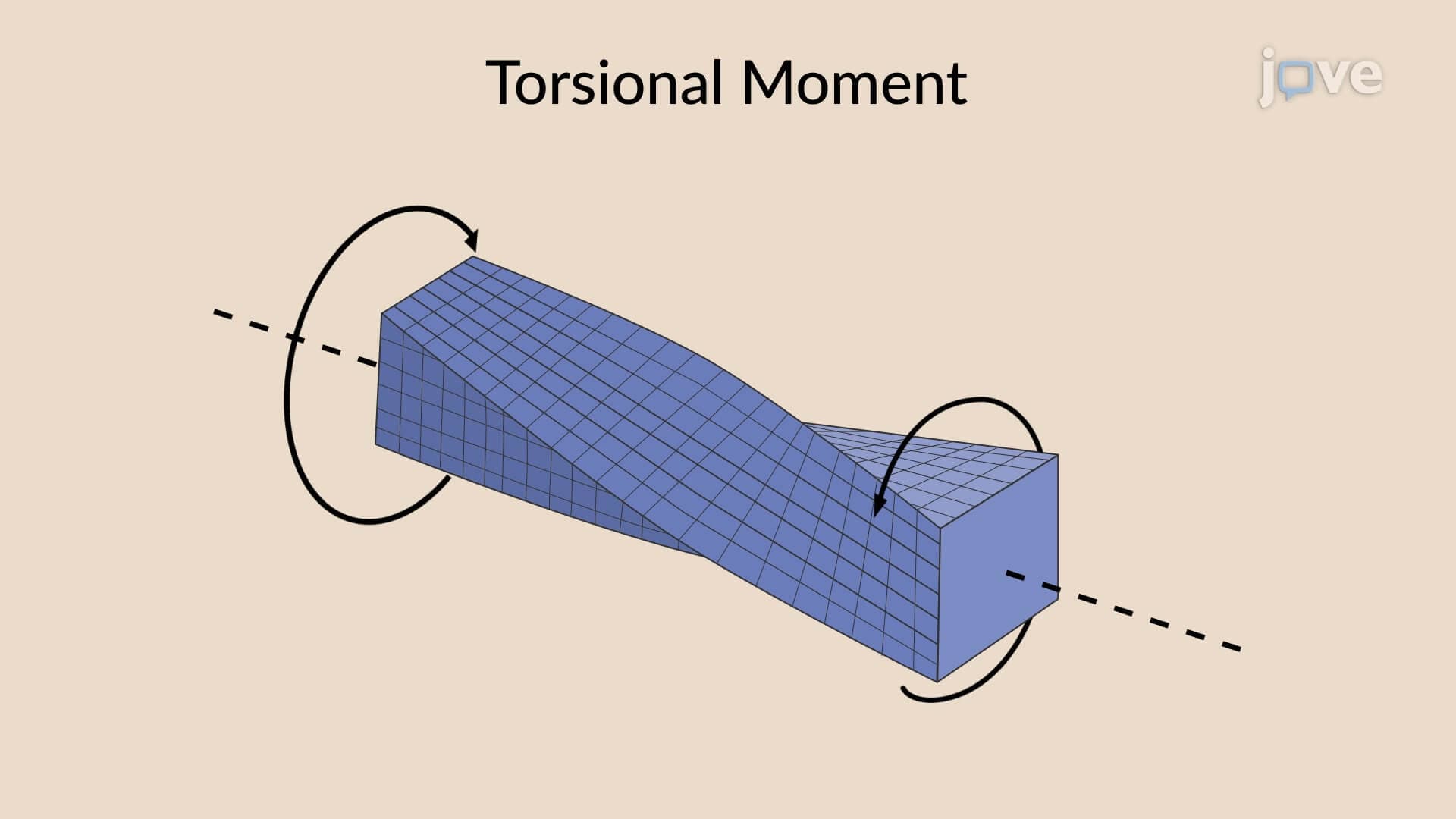
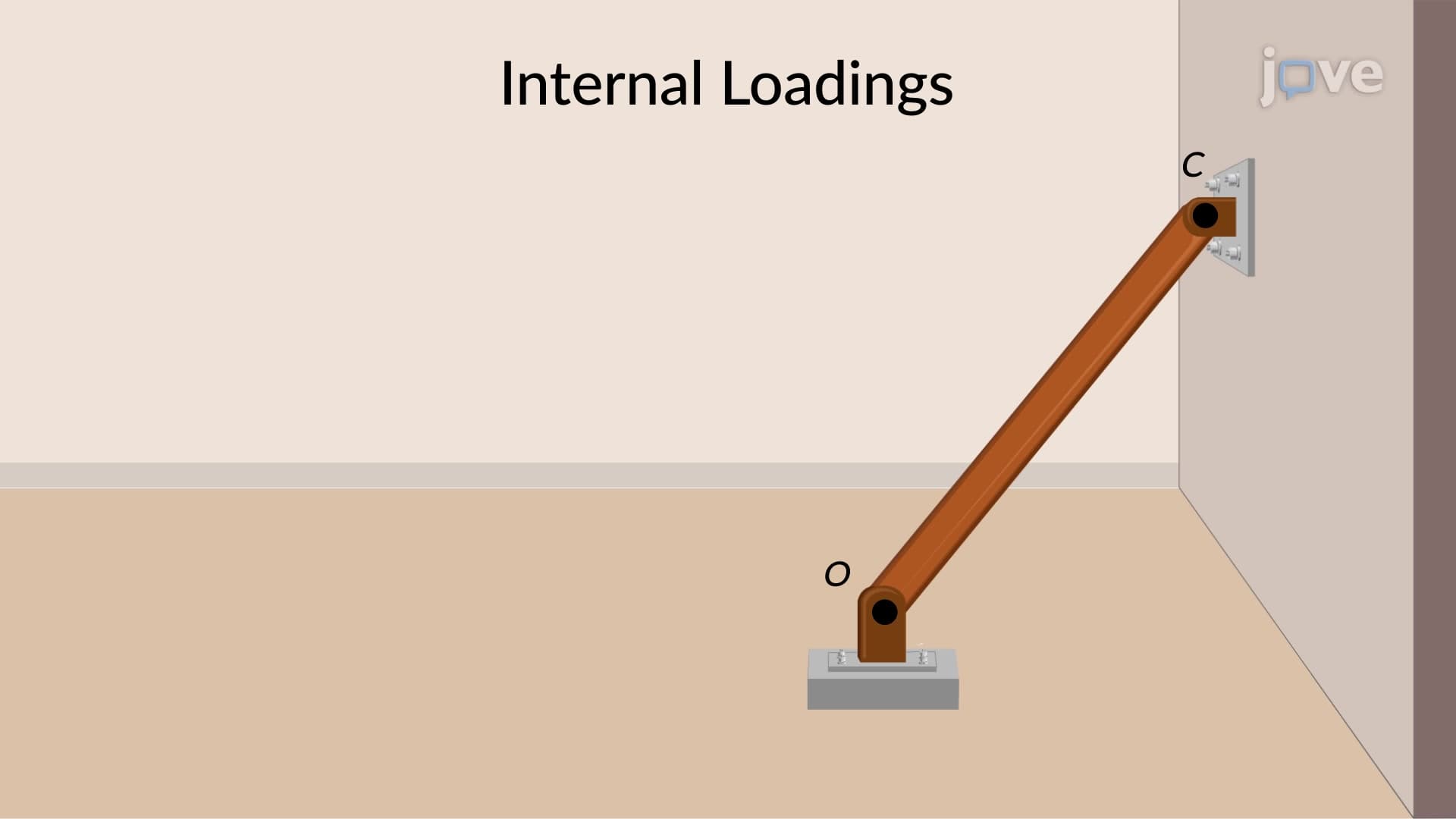
Ever wonder why bridges don't collapse under heavy traffic or how engineers ensure skyscrapers like New York's One World Trade Center can withstand powerful winds? The answer lies in understanding sign convention, a systematic approach that determines whether forces create tension, compression, or specific rotational effects in structural elements. Sign convention provides engineers with a standardized method to analyze internal forces—normal forces, shear forces, and bending moments—that act within beams and other structural components when subjected to loads. Watch the full video on JoVE Coach to master this concept with expert-led visuals and step-by-step explanations.
Sign convention serves as the fundamental language that structural engineers use to communicate about internal forces within beams, columns, and other structural elements. This systematic approach ensures consistency when analyzing how structures respond to various loading conditions, from the weight of a building's occupants to wind forces acting on a suspension bridge like San Francisco's Golden Gate Bridge.
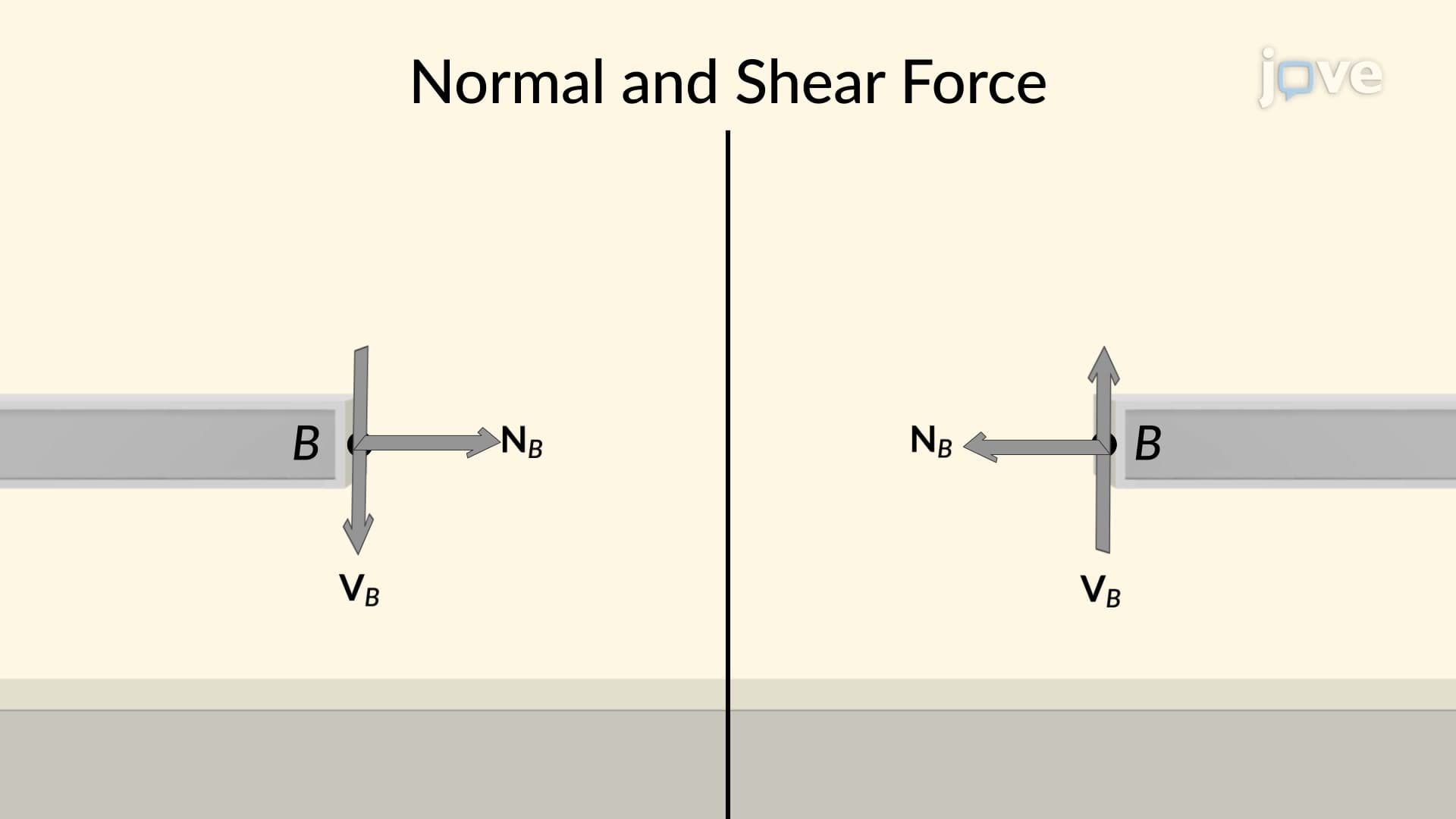
The normal force sign convention follows a straightforward principle: positive normal forces indicate tension, while negative normal forces represent compression. When you pull on a rubber band, you're creating positive normal forces that stretch the material. Conversely, when you press down on a spring, you're generating negative normal forces that compress it. This distinction becomes crucial in structural design because different materials handle tension and compression differently—concrete excels in compression but performs poorly in tension, which is why reinforced concrete uses steel rebar to handle tensile forces.
In AP Physics and college-level statics courses, students frequently encounter problems involving tension cables supporting bridges or compression forces in building columns. Understanding this sign convention helps determine whether a structural member might fail due to excessive stretching or crushing forces.
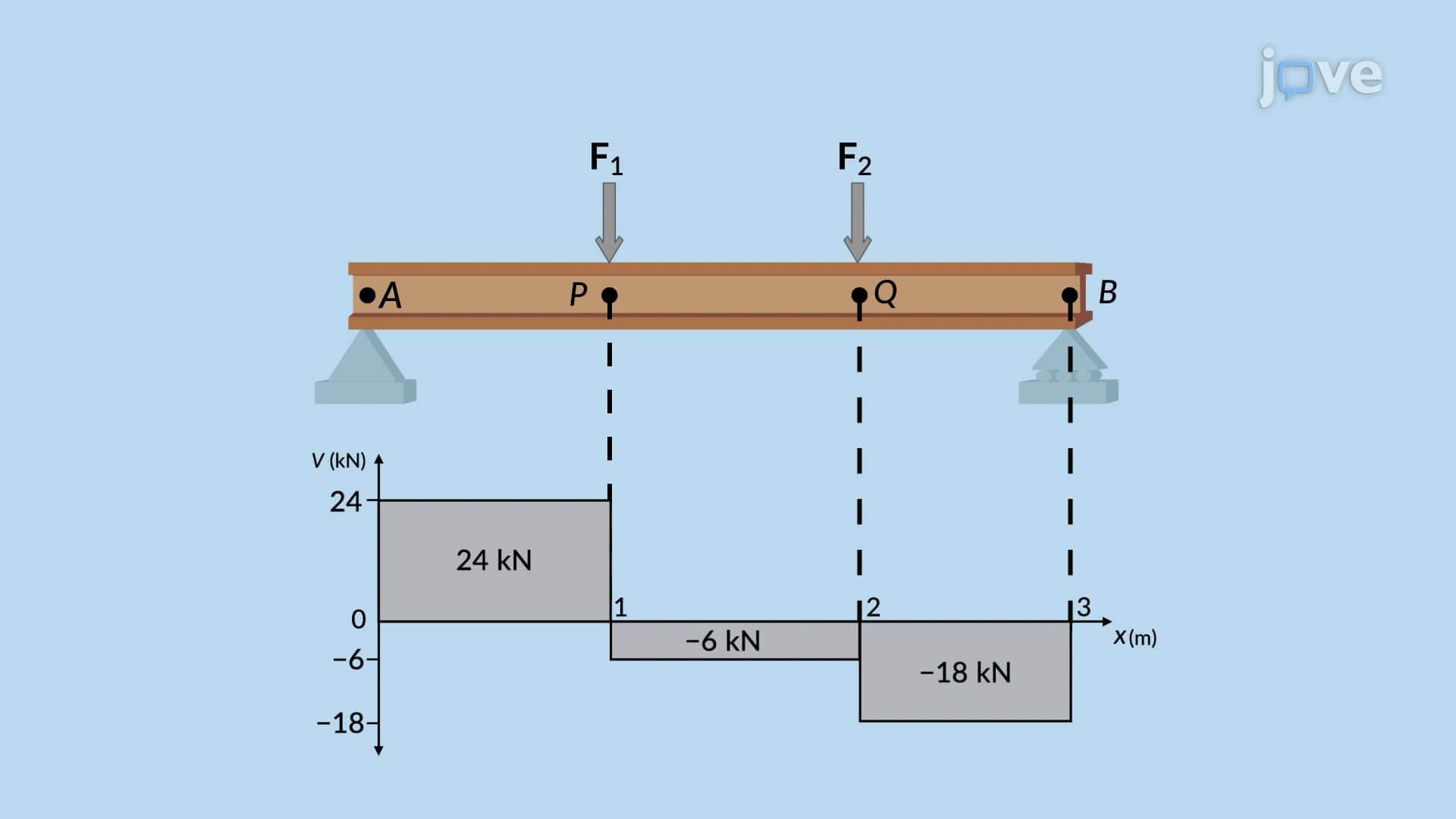
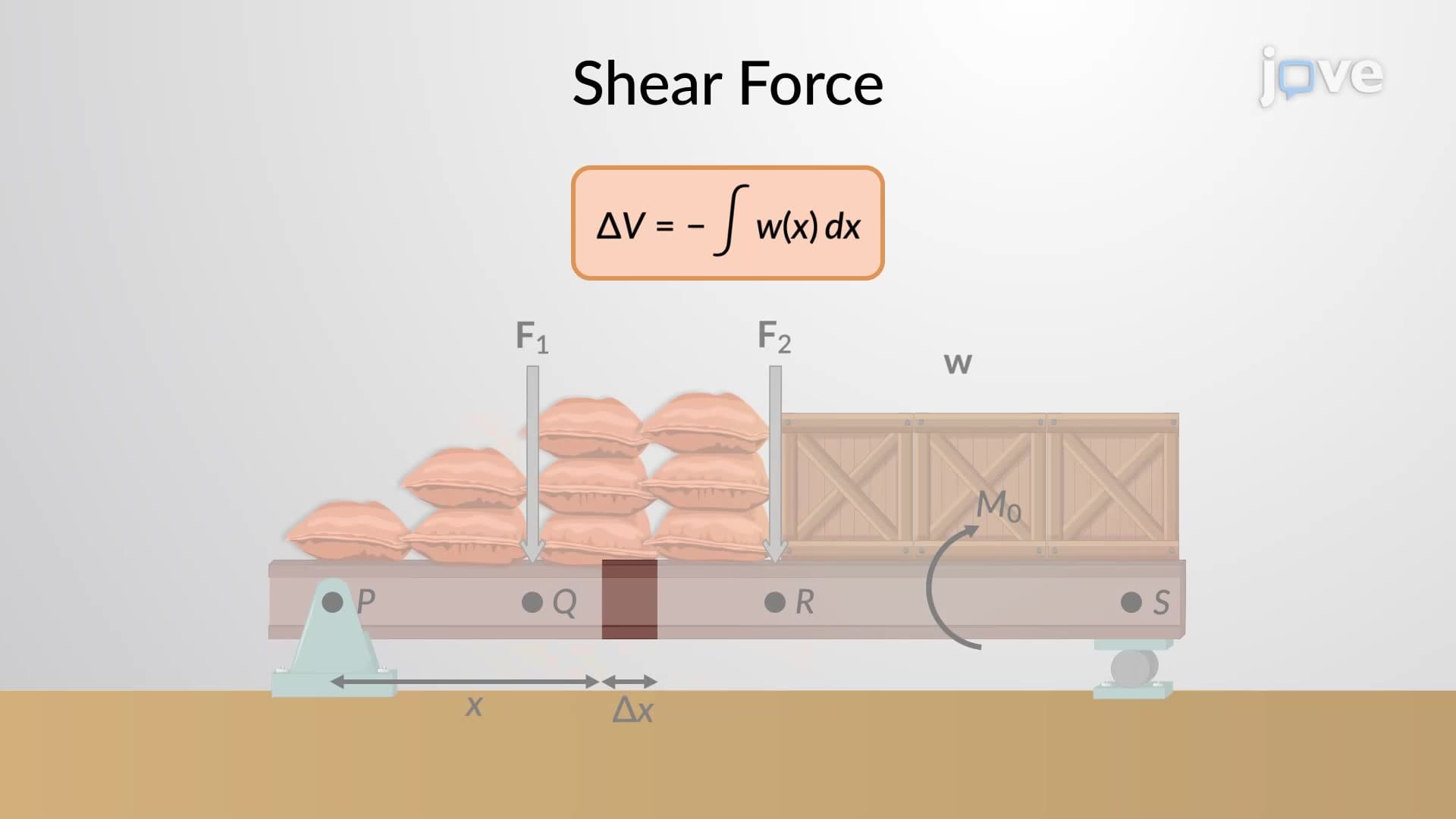
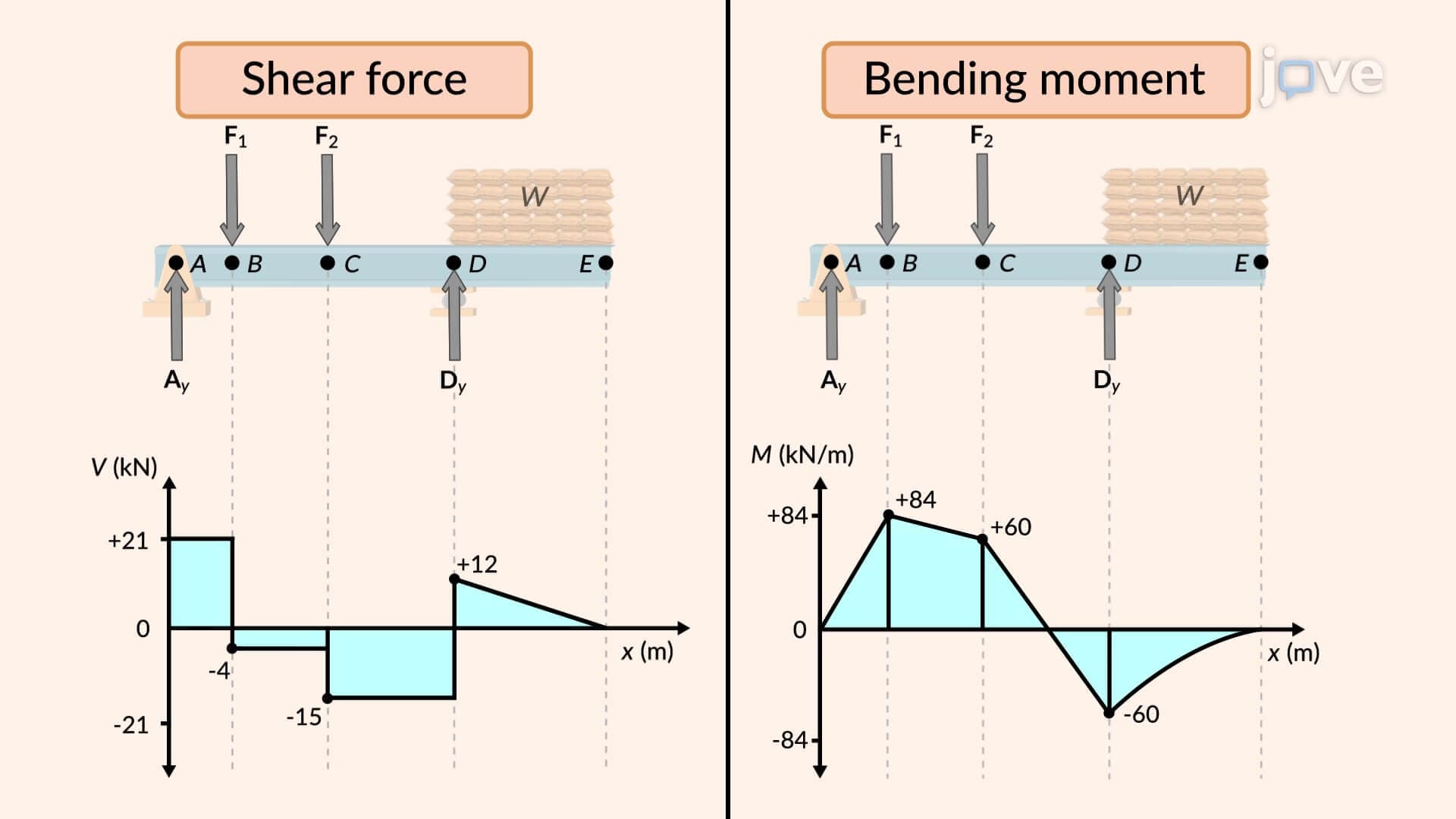
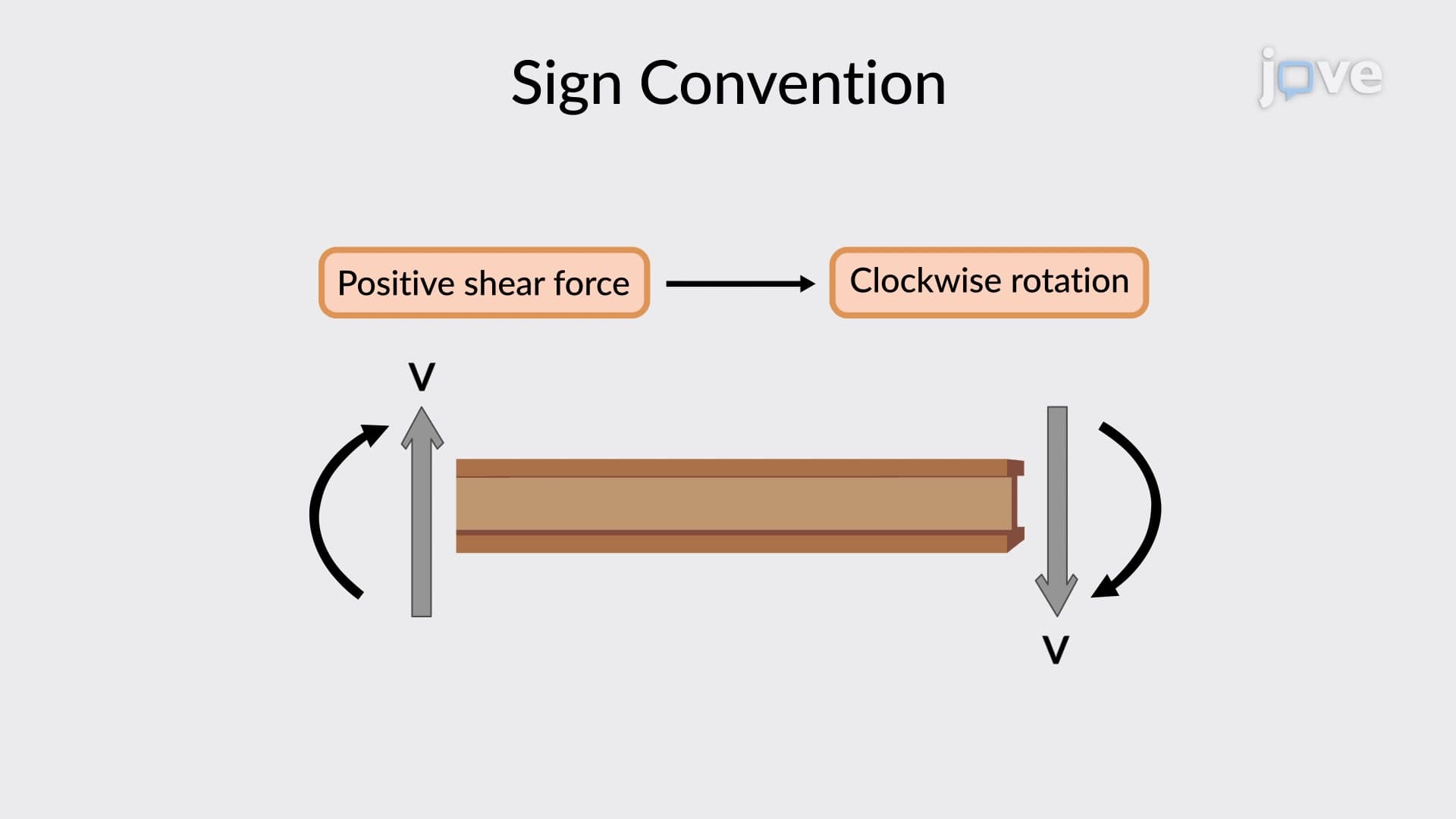
Shear forces create a sliding effect within structural members, and their sign convention relates directly to rotational tendency. Positive shear forces occur when forces acting tangentially to a cross-section point downward on the left side and upward on the right side, creating a clockwise rotation. Negative shear forces reverse this pattern, producing counterclockwise rotation.
Consider a diving board at a community pool: when a diver stands at the end, the board experiences positive shear forces near the support point. This concept frequently appears in MCAT physics sections and engineering mechanics exams, where students must determine shear force diagrams for various loading scenarios.
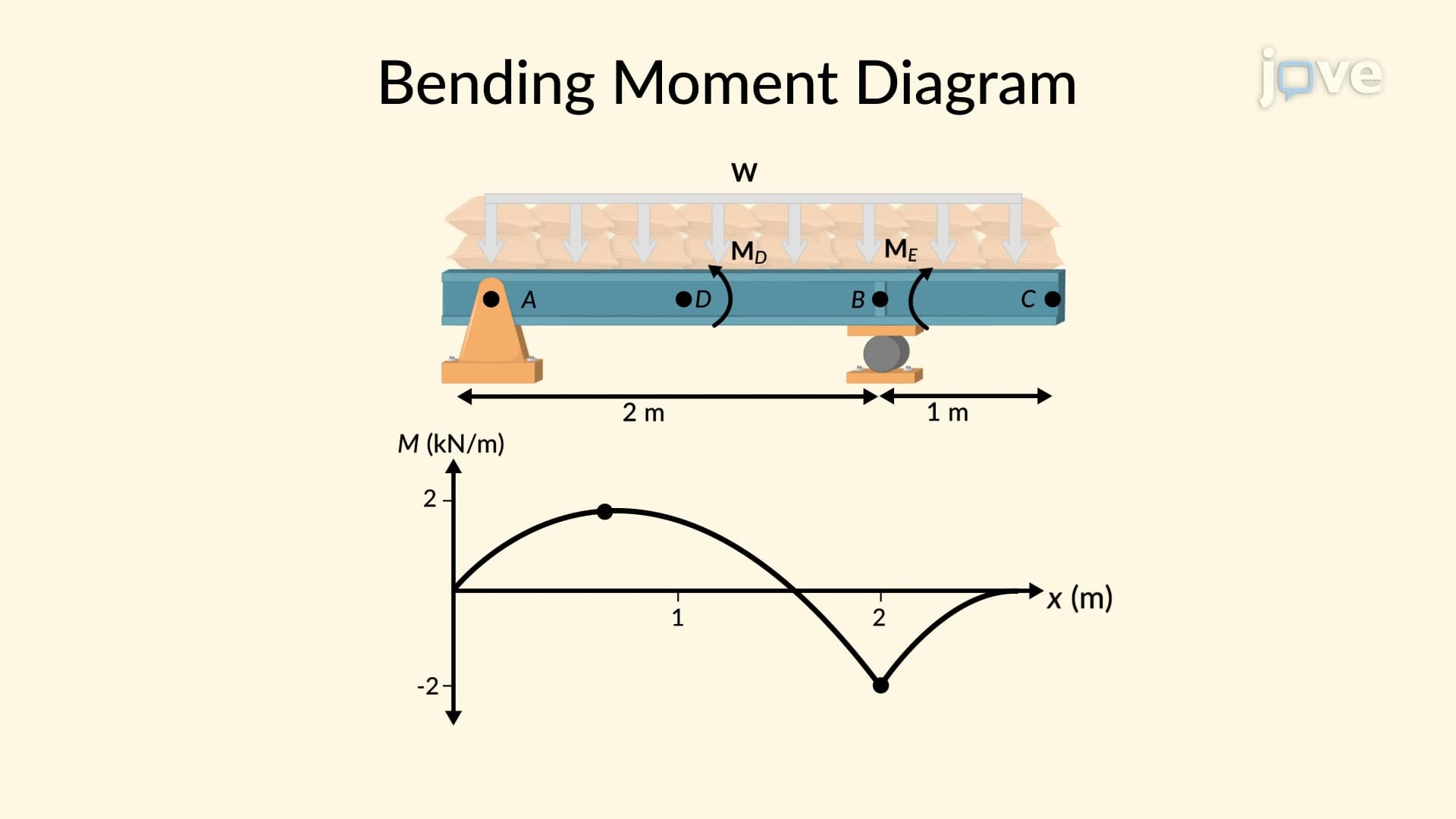
Bending moments determine how structural members curve under load, with the sign convention based on the resulting curvature shape. Positive bending moments create upward curvature (like a smile), while negative bending moments produce downward curvature (like a frown). When you step on a wooden plank spanning two supports, the plank curves downward in the middle, experiencing negative bending moments in that region.
This concept proves essential for students preparing for structural engineering courses and professional engineering (PE) exams, where beam deflection calculations require proper application of bending moment sign conventions.
Frequently Asked Questions
Sign convention is a standardized system that assigns positive or negative values to internal forces (normal, shear, and bending moments) based on their direction and effect. It ensures consistent communication among engineers and prevents errors in structural analysis. This systematic approach is essential for safe building design and appears frequently in AP Physics, college statics courses, and professional engineering exams.
Normal force sign convention designates tension as positive and compression as negative. When internal forces pull a structural member apart (like stretching a cable), the normal force is positive. When forces push the member together (like compressing a column), the normal force is negative. This distinction helps engineers select appropriate materials and design safe structures.
Use the "clockwise positive" rule: if shear forces would cause clockwise rotation of a section, they're positive. Visualize cutting a beam and imagining which way the left piece would rotate relative to the right piece. Create flashcards with beam diagrams showing positive and negative shear scenarios to reinforce this concept before your exam.
Positive bending moments create upward curvature (concave up, like a smile), while negative bending moments create downward curvature (concave down, like a frown). Remember: positive bending makes the bottom of the beam stretch (tension) and the top compress. This frequently appears in beam analysis problems on college engineering exams.
Engineers apply sign convention when designing everything from highway overpasses to skyscraper frames. For example, when analyzing the support beams in stadium construction, engineers use sign convention to determine where reinforcement is needed and ensure the structure can safely handle crowd loads and wind forces without failure.
No advanced mathematics is required to grasp basic sign convention concepts. The principles rely more on understanding directional relationships and visual interpretation of force effects. Students with solid algebra skills from high school can successfully master this topic in introductory physics and engineering courses.
Once you understand sign convention, advance to constructing shear force and bending moment diagrams, then progress to beam deflection calculations and structural analysis methods. These topics build directly on sign convention principles and appear in advanced physics courses, engineering mechanics, and professional engineering certification exams.
Focus on understanding the physical meaning behind each sign convention rather than memorizing rules. Practice drawing free-body diagrams and identifying force directions. The MCAT often tests conceptual understanding of how forces affect structural behavior, so emphasize the relationship between force direction and structural response rather than complex calculations.
Related Micro-courses
Related Subjects
 Civil Engineering 30 micro-courses›Electrical Engineering 33 micro-courses›