Loading subject page…
- Microbiology
- Microbial Cell Structure and Function
- Archaeal Cell Wall
Micro-course: Microbial Cell Structure and Function
14,632 views
Learn key concepts and earn your certificate.

Archaeal Cell Wall

00:00
01:29
Video Summary: What Is Archaeal Cell Wall
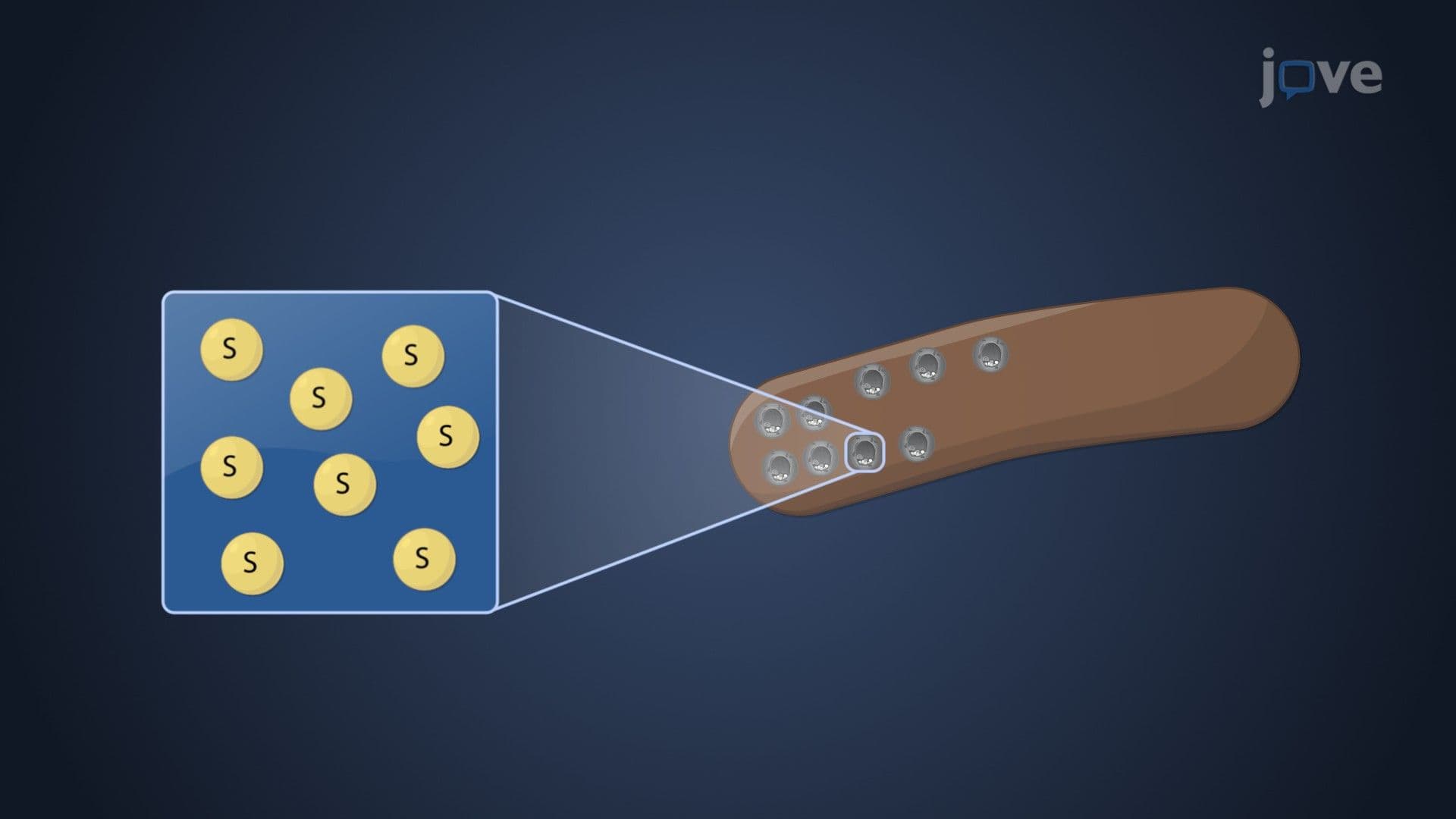
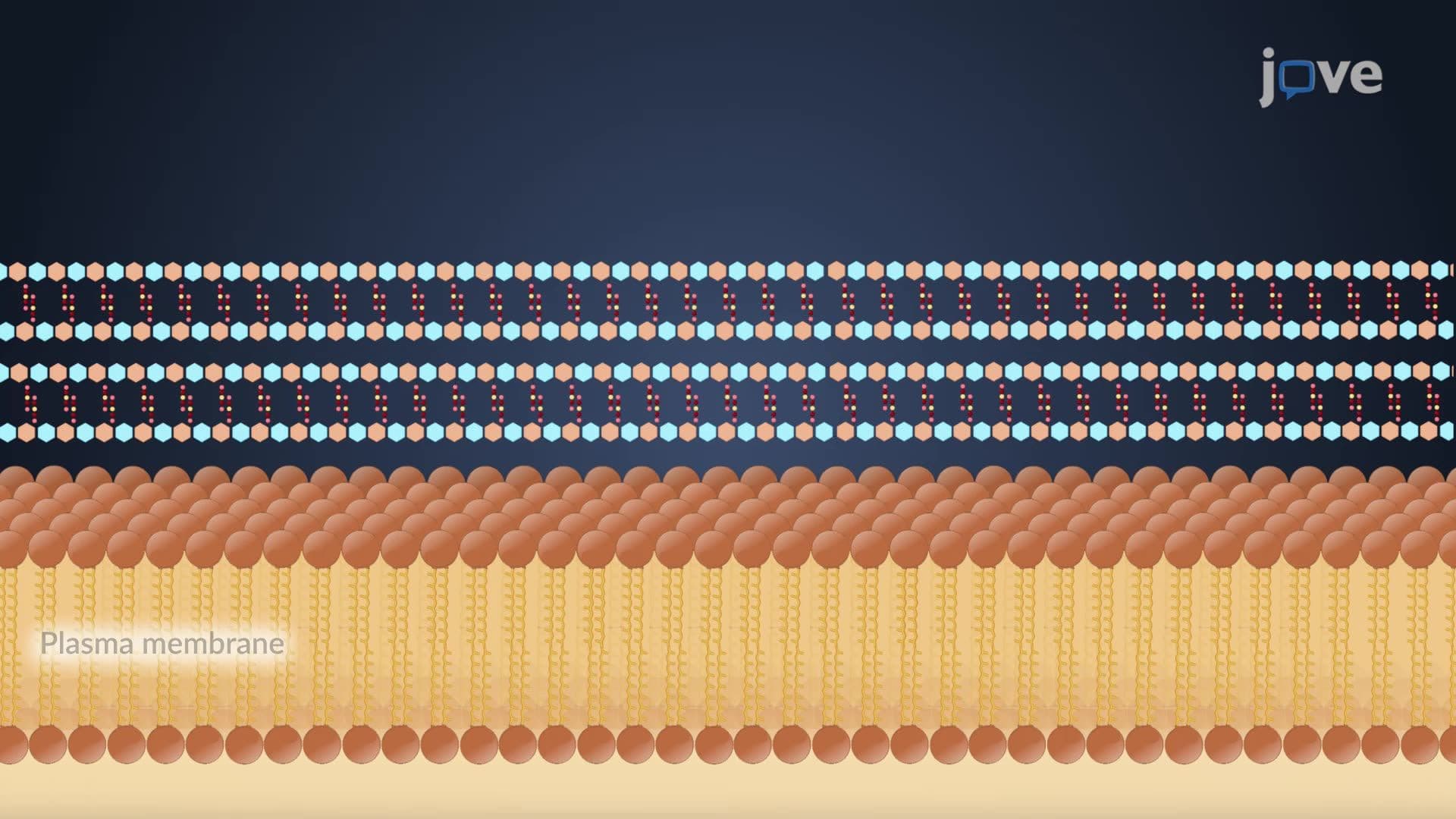
Did you know that some of Earth's most extreme survivors-organisms thriving in Yellowstone's boiling hot springs-have cell walls completely different from bacteria? The archaeal cell wall lacks the peptidoglycan found in bacterial walls, instead featuring unique structures like S-layers made of interlocked proteins. These remarkable adaptations allow archaea to survive in environments that would instantly kill most life forms, from the scalding geothermal features of Yellowstone National Park to highly acidic conditions. Watch the full video on JoVE Coach to master this concept with expert-led visuals and step-by-step explanations.
- Understand what is archaeal cell wall structure and how it fundamentally differs from bacterial and eukaryotic cell walls
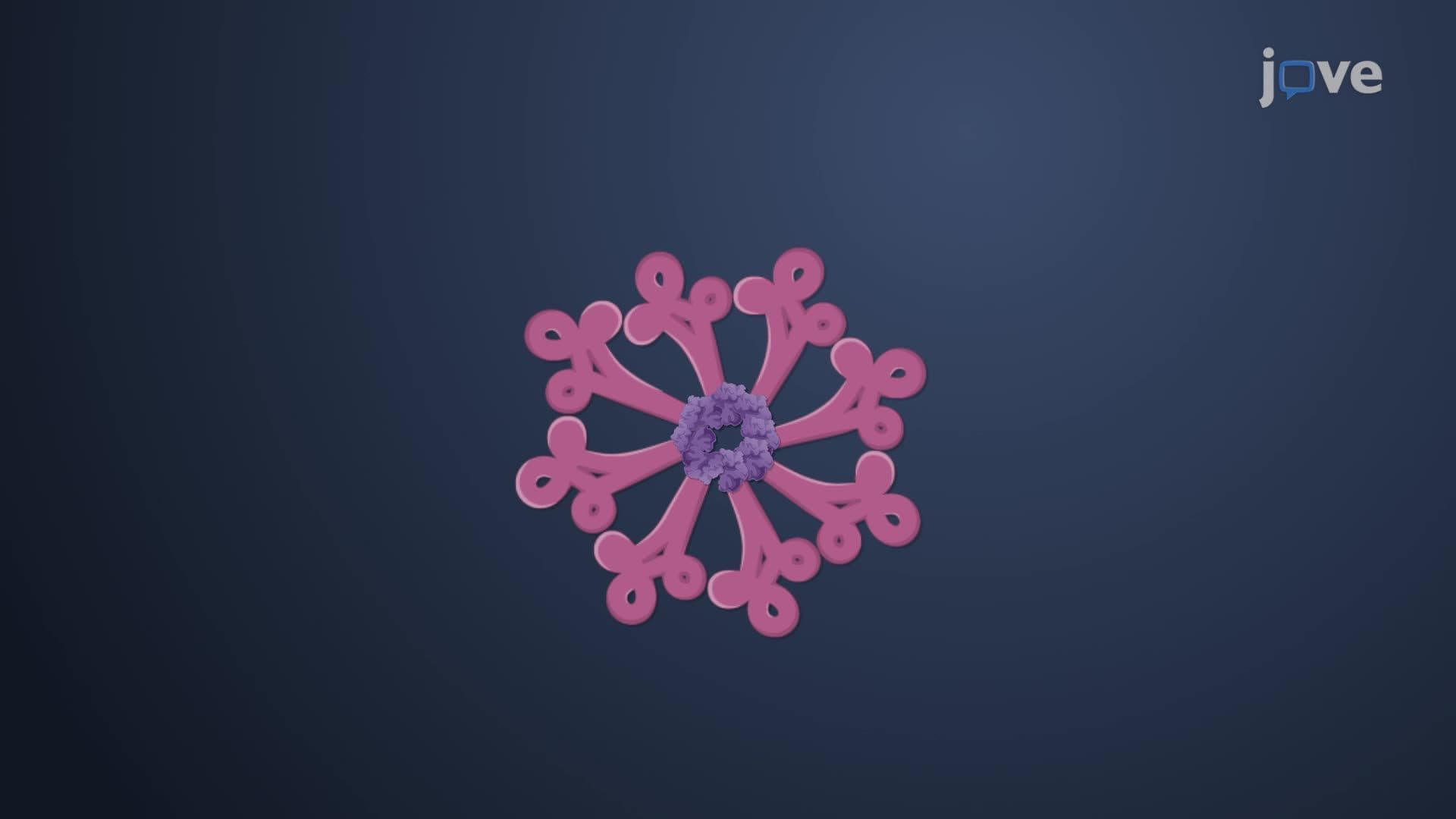
- Identify the key components of S-layers, including surface-layer proteins and their crystalline arrangements
- Analyze the molecular structure of pseudomurein and compare it to peptidoglycan in bacterial cell walls
- Recognize the various symmetrical patterns (trimeric, tetragonal, hexagonal) formed by archaeal surface proteins
- Evaluate how archaeal cell wall adaptations enable survival in extreme environments like high temperature and acidity
- Compare different types of archaeal cell walls, from S-layers to polysaccharide layers like methanochondroitin
- Apply knowledge of archaeal cell wall resistance mechanisms to explain antibiotic ineffectiveness
- Explore exceptions like Ignicoccus species that lack traditional cell walls entirely
Understanding Archaeal Cell Wall Fundamentals
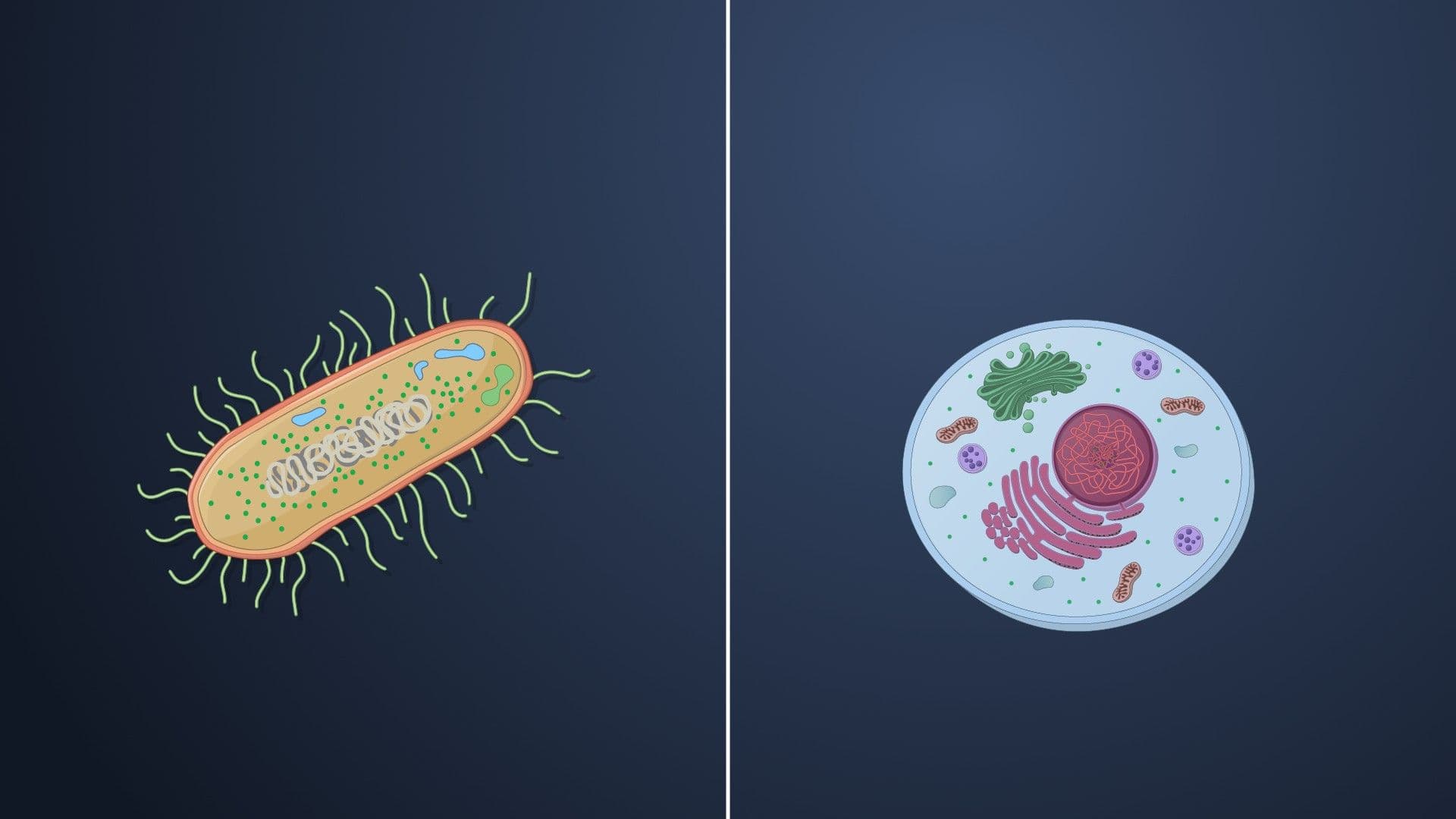
What is archaeal cell wall composition reveals one of biology's most fascinating evolutionary divergences. Unlike the familiar peptidoglycan mesh surrounding bacterial cells, archaeal cell walls represent an entirely different architectural approach to cellular protection. This fundamental difference reflects the ancient evolutionary split between archaea and bacteria, estimated to have occurred over 3.5 billion years ago.
The absence of peptidoglycan in archaeal cell walls has profound implications for both basic biology and medical applications. Students preparing for the MCAT or AP Biology exams should recognize that this structural difference explains why antibiotics like penicillin-which target peptidoglycan synthesis-are completely ineffective against archaeal infections.
S-Layer Architecture and Protein Organization
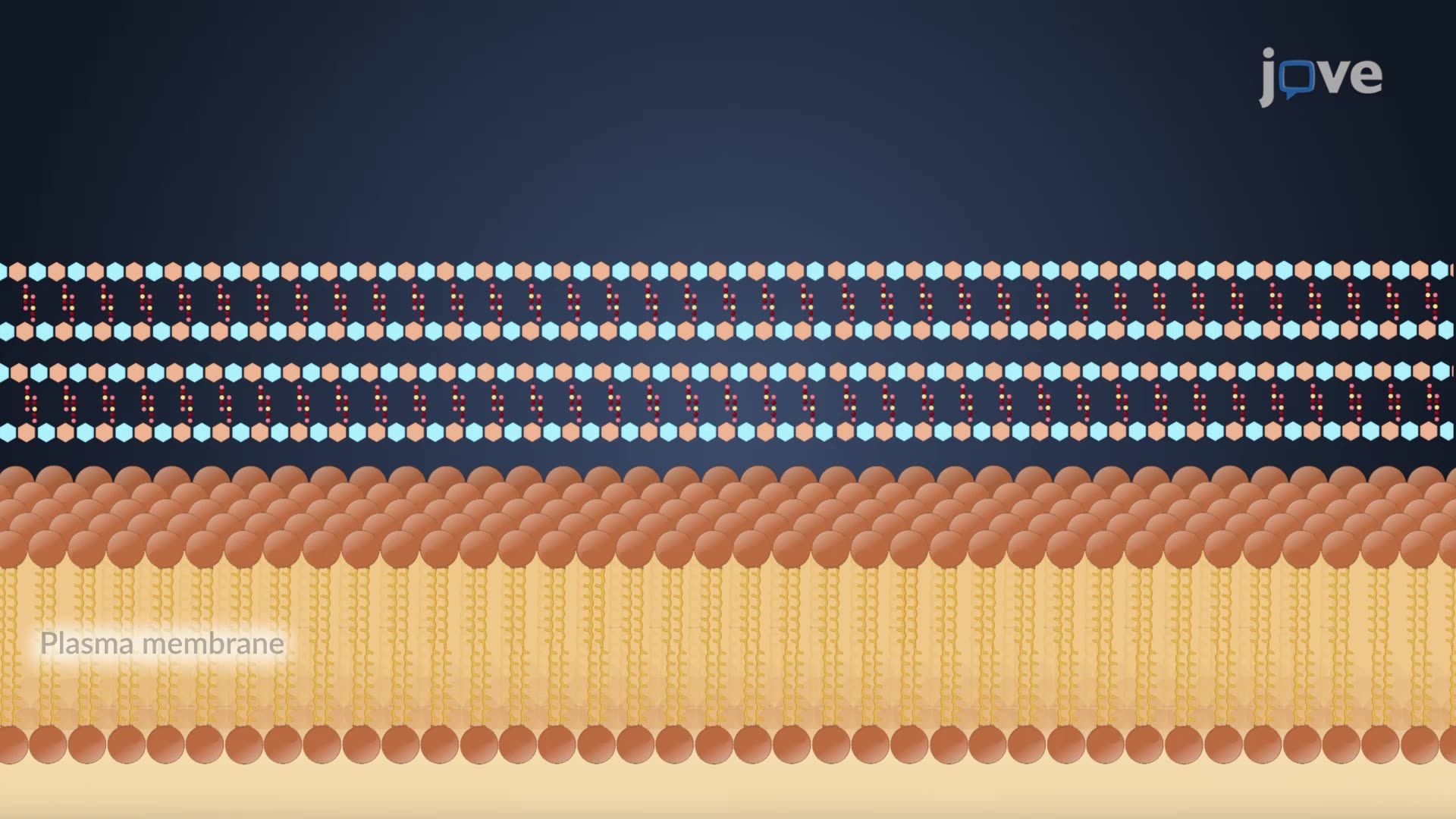
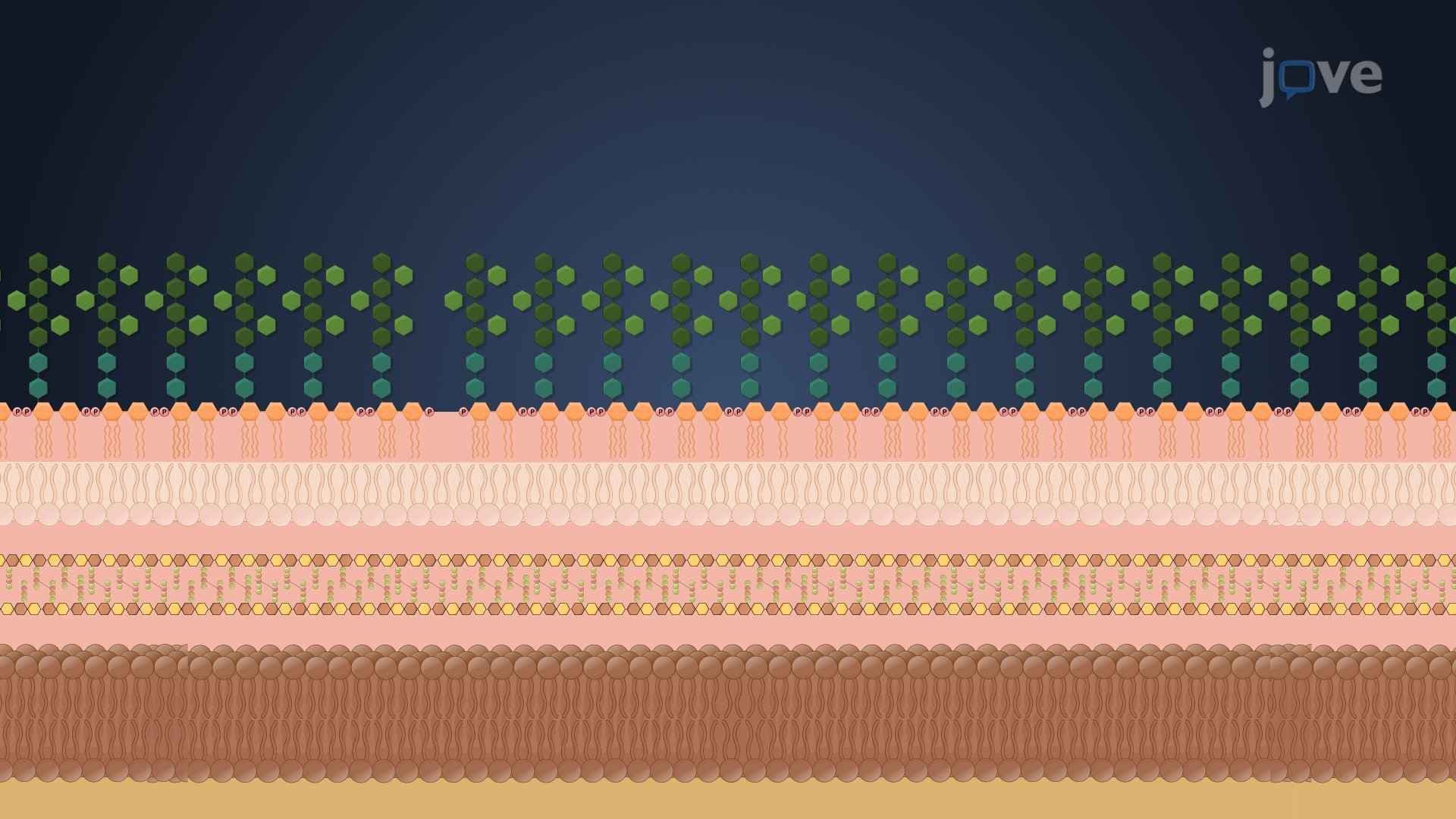
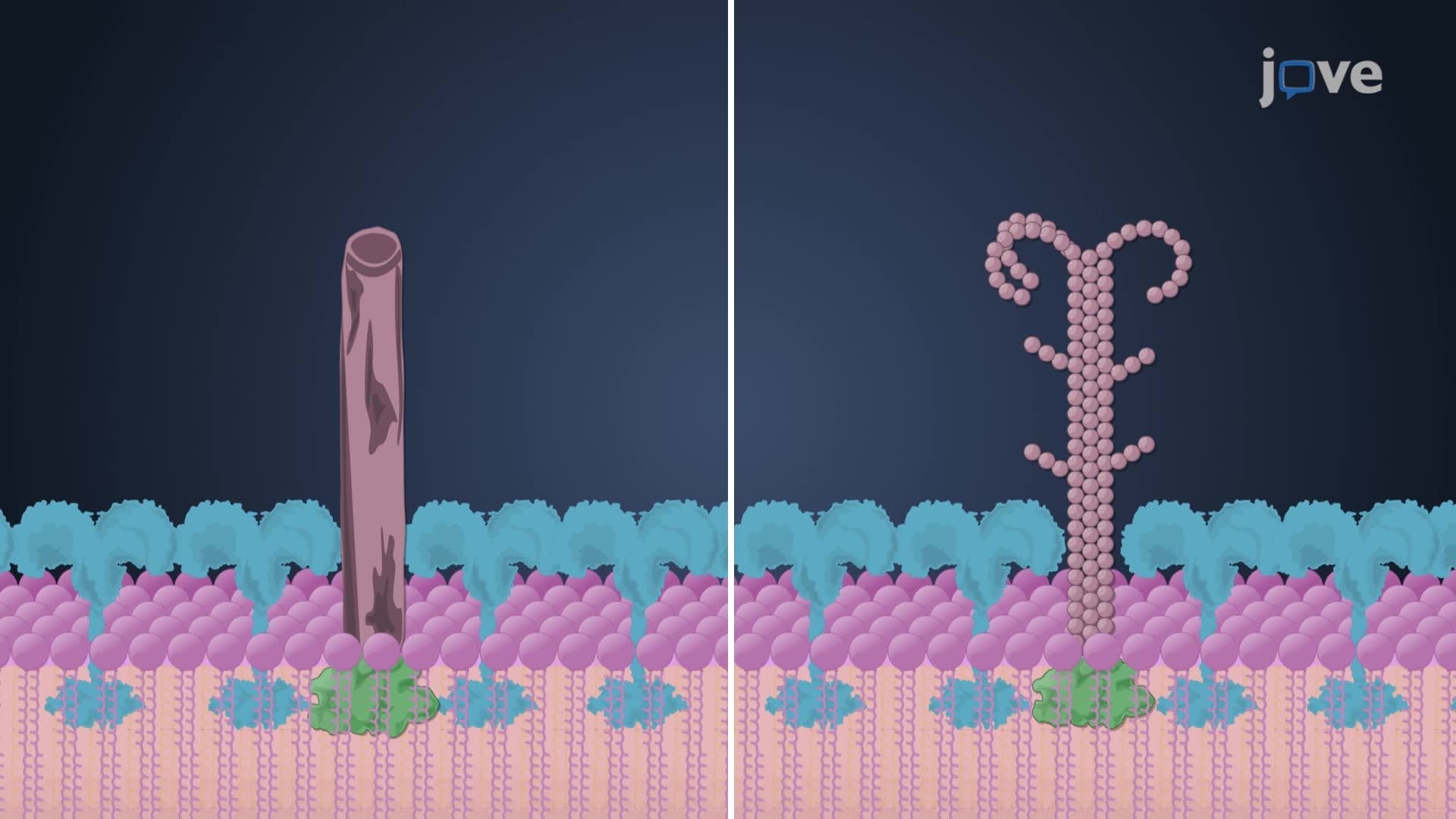
The most prevalent archaeal cell wall definition centers on the S-layer (surface layer), a remarkable example of biological self-assembly. These structures consist of identical protein or glycoprotein subunits that spontaneously organize into highly ordered, two-dimensional crystalline arrays. The proteins anchor directly to the plasma membrane, creating a protective barrier that maintains structural integrity while allowing selective permeability.
Research conducted at institutions like the University of California system and MIT has revealed that S-layer proteins exhibit extraordinary stability. They maintain their organized structure even under extreme conditions-temperatures exceeding 100°C, pH levels below 2, or salt concentrations that would denature most proteins. This stability makes archaeal cell walls particularly relevant for biotechnology applications, including the development of bio-based materials and extreme environment sensors.
Pseudomurein: The Peptidoglycan Alternative
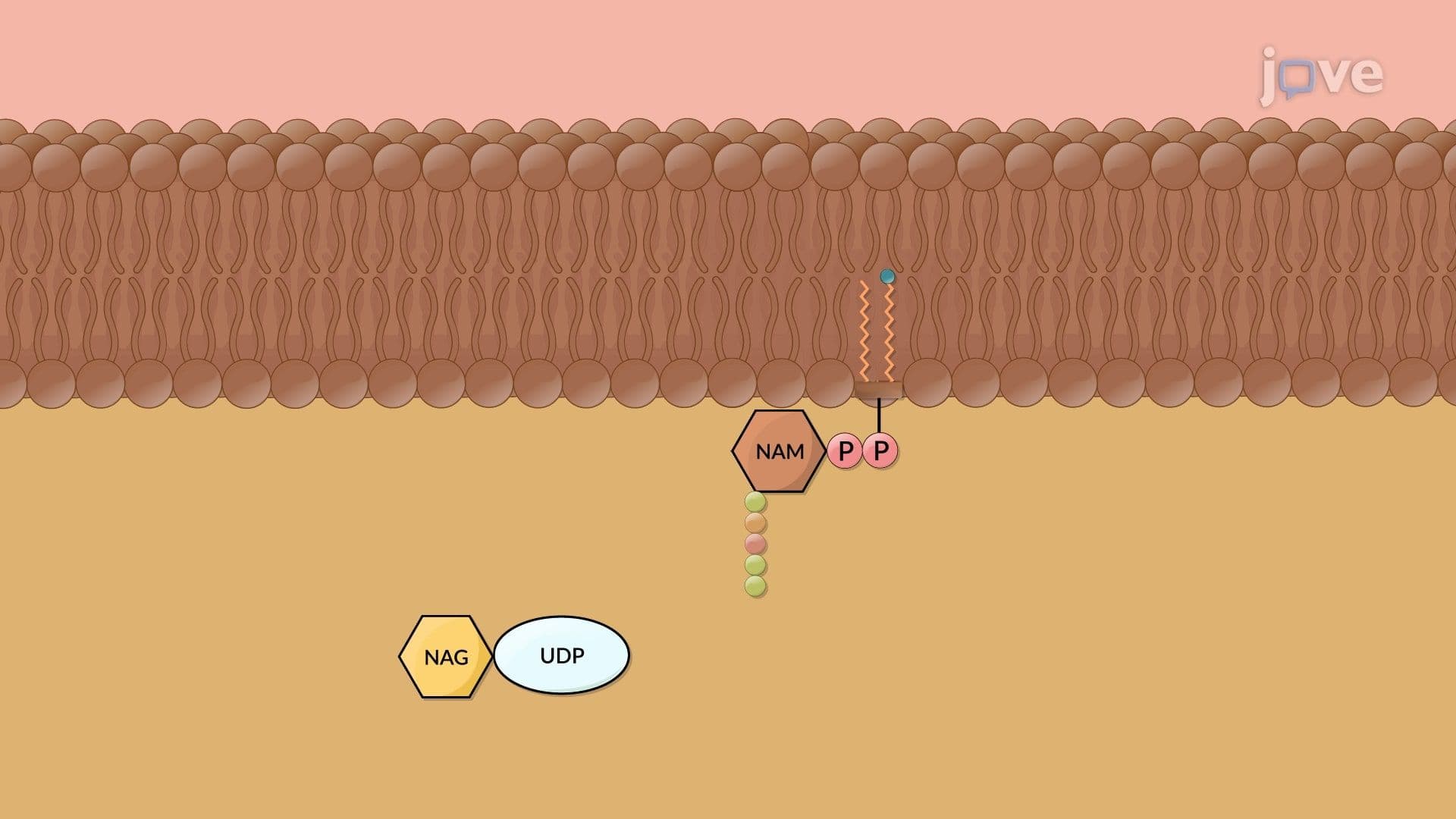
Methanogenic archaea employ a different strategy through pseudomurein, a polysaccharide that superficially resembles bacterial peptidoglycan but differs in crucial ways. The pseudomurein backbone alternates between N-acetylglucosamine and N-acetyltalosaminuronic acid units connected by β-1,3 glycosidic bonds-not the β-1,4 bonds found in peptidoglycan. This seemingly minor difference creates major functional consequences.
The peptide cross-links in pseudomurein exclusively utilize L-amino acids, contrasting with the D-amino acids found in bacterial peptidoglycan. This distinction explains pseudomurein's resistance to lysozyme, an enzyme that cleaves peptidoglycan bonds. College-level microbiology courses often emphasize this concept when discussing antimicrobial resistance mechanisms and the evolution of cell wall diversity.
Specialized Adaptations and Exceptions
Advanced archaeal species demonstrate remarkable cell wall modifications. Methanosarcina species add polysaccharide layers containing methanochondroitin over their S-layers, creating multi-layered protection systems. These adaptations reflect the diverse environmental niches occupied by archaea, from the methane-producing sediments of San Francisco Bay to the hypersaline conditions of California's Mono Lake.
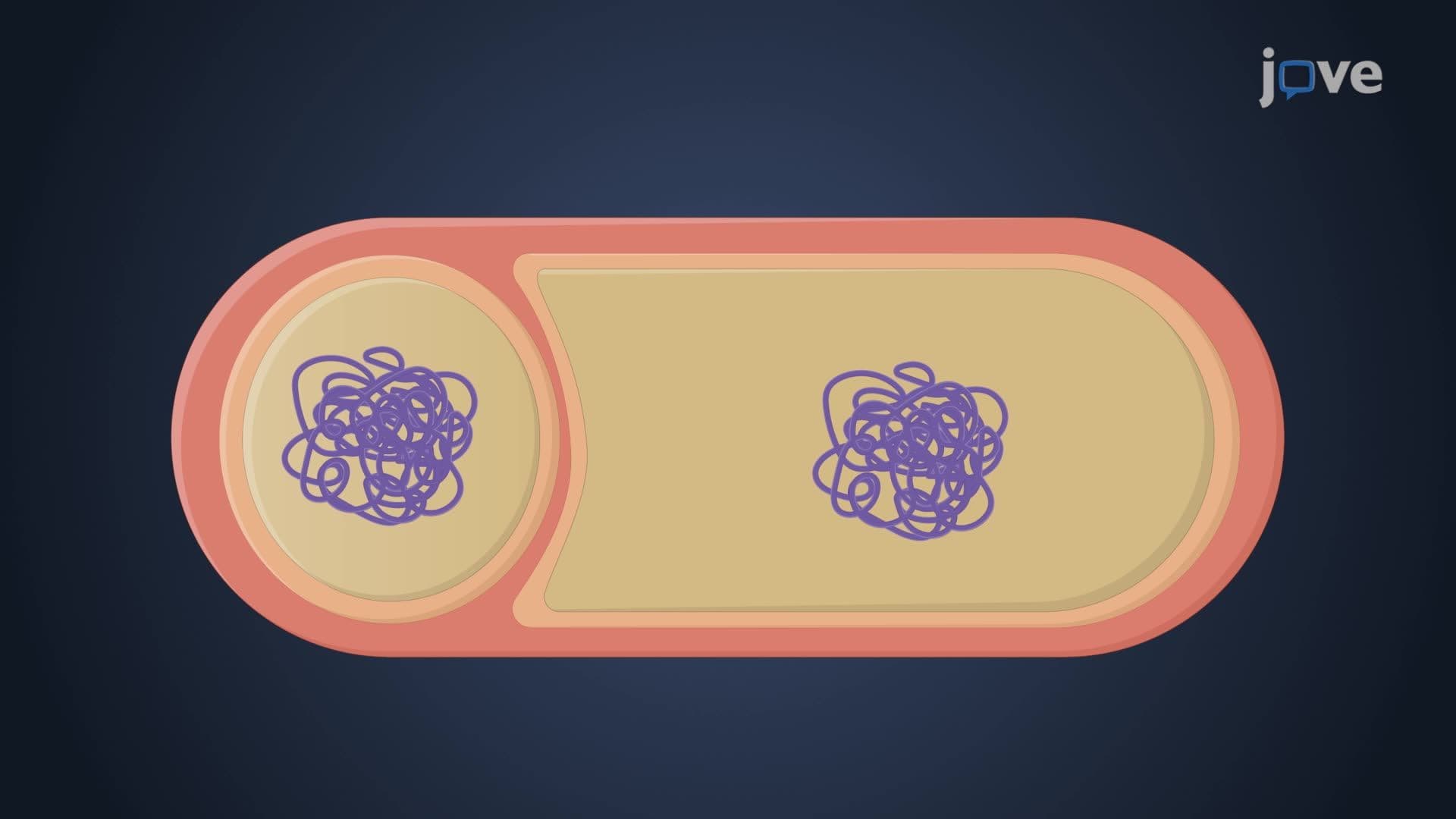
Perhaps most intriguingly, some archaea like Ignicoccus completely abandon traditional cell walls, instead relying on specialized outer membranes containing protein complexes for energy production and nutrient exchange. This adaptation challenges conventional definitions of cellular organization and frequently appears in advanced placement and college-level exam questions testing students' understanding of biological diversity.
Frequently Asked Questions
Archaeal cell walls are protective structures surrounding archaeal cells that completely lack peptidoglycan, unlike bacterial cell walls. Instead, they feature unique components like S-layers made of protein subunits or pseudomurein polysaccharides. This fundamental difference explains why antibiotics targeting peptidoglycan synthesis don't affect archaea, making this distinction crucial for understanding antimicrobial resistance in clinical settings.
MCAT questions frequently test the structural differences between archaeal, bacterial, and eukaryotic cell walls, particularly regarding peptidoglycan absence and S-layer composition. AP Biology exams emphasize how these structural differences reflect evolutionary relationships and environmental adaptations. Students should understand pseudomurein's β-1,3 glycosidic bonds, L-amino acid cross-links, and resistance to lysozyme for comprehensive exam preparation.
The protein subunits in S-layers maintain structural integrity at temperatures exceeding 100°C and pH levels below 2, conditions found in places like Yellowstone's geothermal features. Pseudomurein's unique cross-linking provides mechanical stability under extreme pressure and temperature fluctuations. These adaptations allow archaea to thrive in environments from deep-sea thermal vents to highly acidic mine drainage sites across the American West.
Understanding archaeal cell walls requires only basic knowledge of protein structure and carbohydrate chemistry typically covered in introductory biology courses. The key concepts focus on structural patterns rather than complex chemical mechanisms. Students who grasp peptide bonds and polysaccharide linkages from standard high school or college general chemistry will find these concepts accessible and manageable.
Create comparison charts contrasting archaeal, bacterial, and eukaryotic cell walls, focusing on chemical composition, structural organization, and functional properties. Practice drawing S-layer arrangements and pseudomurein structures from memory. Use active recall techniques by explaining how each structural feature contributes to environmental adaptation, particularly for organisms found in extreme US environments like Yellowstone or Death Valley.
Archaeal cell wall structure explains why broad-spectrum antibiotics targeting peptidoglycan synthesis are ineffective against archaeal infections, though such infections are rare in clinical practice. Understanding this principle helps healthcare students grasp selective toxicity concepts and antimicrobial spectrum limitations. This knowledge becomes particularly relevant when studying opportunistic infections in immunocompromised patients or contamination in healthcare environments.
S-layer proteins are being investigated for biosensor development, drug delivery systems, and biomaterial applications due to their exceptional stability and self-assembly properties. Research institutions across the US, including Stanford and Cal Tech, are exploring these applications for aerospace materials and extreme environment sensors. The unique properties of pseudomurein also inform the development of novel antimicrobial compounds and biotechnology processes.
Consider studying archaeal membrane lipids, which also differ significantly from bacterial and eukaryotic membranes, creating integrated protection systems. Explore extremophile physiology and astrobiology applications, particularly how archaeal adaptations inform the search for life on Mars or other extreme planetary environments. Advanced students might investigate the biotechnology applications of S-layer proteins in nanotechnology and biomedical engineering.
Related Micro-courses