Loading video…


 21 Concepts
 13.8K views


Video Summary: Degrees of Elasticity of Demand Concepts and Measurement
Ever wonder why a 10-cent gas price increase causes long lines at cheaper stations while prescription drug prices can double with little change in purchases? Degrees of elasticity of demand: concepts explain this phenomenon by measuring how sensitive consumer purchasing behavior is to price changes. From Netflix subscriptions (relatively elastic) to life-saving insulin (perfectly inelastic), understanding Degrees of Elasticity of Demand: Concepts and Measurement helps predict market behavior across five distinct categories. Watch the full video on JoVE Coach to master this concept with expert-led visuals and step-by-step explanations.
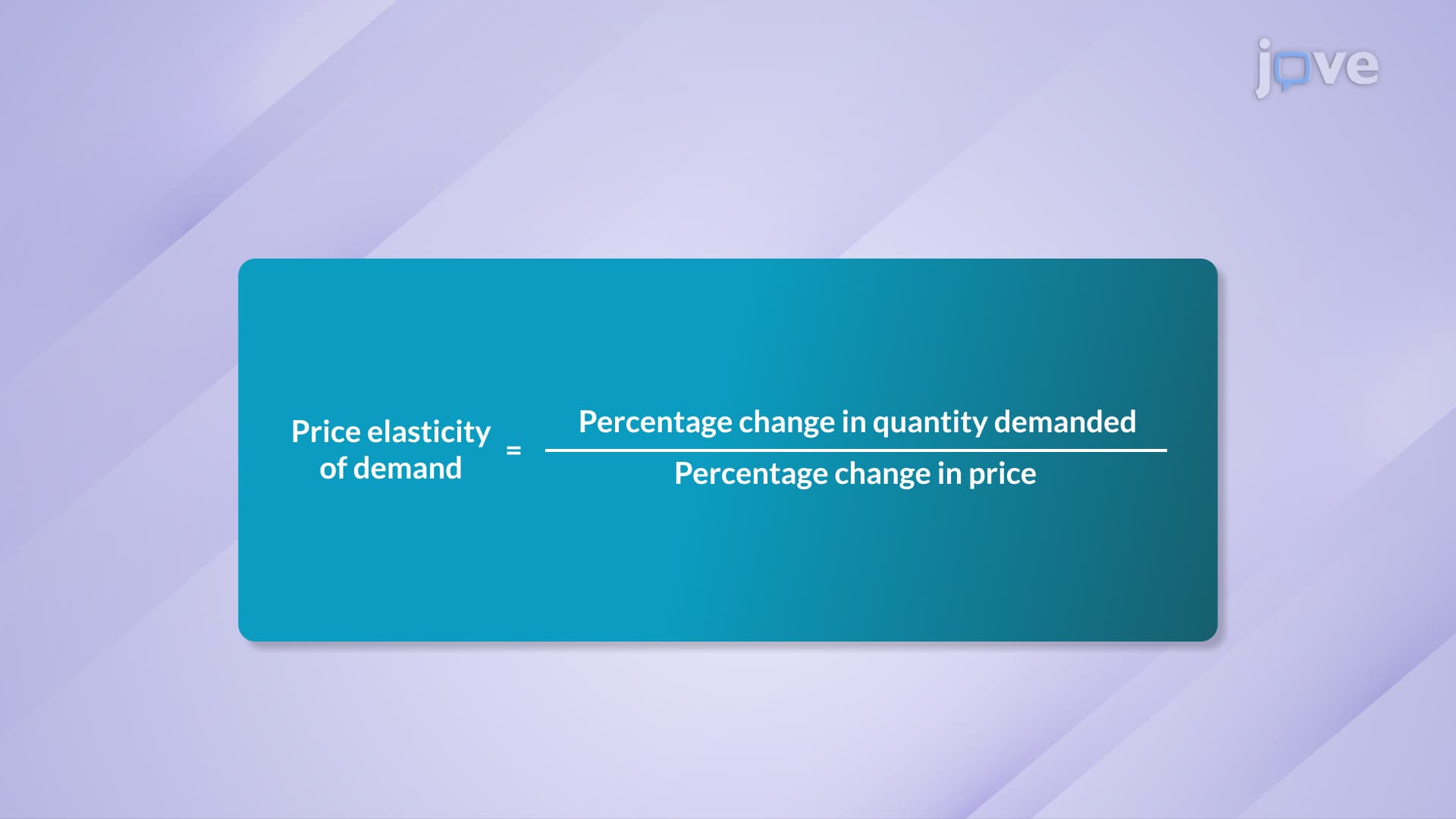
Degrees of elasticity of demand: concepts form the foundation for understanding consumer behavior in economics. This measurement system categorizes how responsive quantity demanded is to price changes, providing crucial insights for businesses, policymakers, and students preparing for AP Economics, college microeconomics courses, and standardized tests.
Perfectly Elastic Demand (Elasticity = ∞) represents the most price-sensitive scenario. In perfectly competitive markets, individual firms face perfectly elastic demand curves. For example, if Target raises DVD prices above Walmart's identical products, Target's DVD sales would drop to zero. Students often encounter this concept in AP Microeconomics when studying market structures.
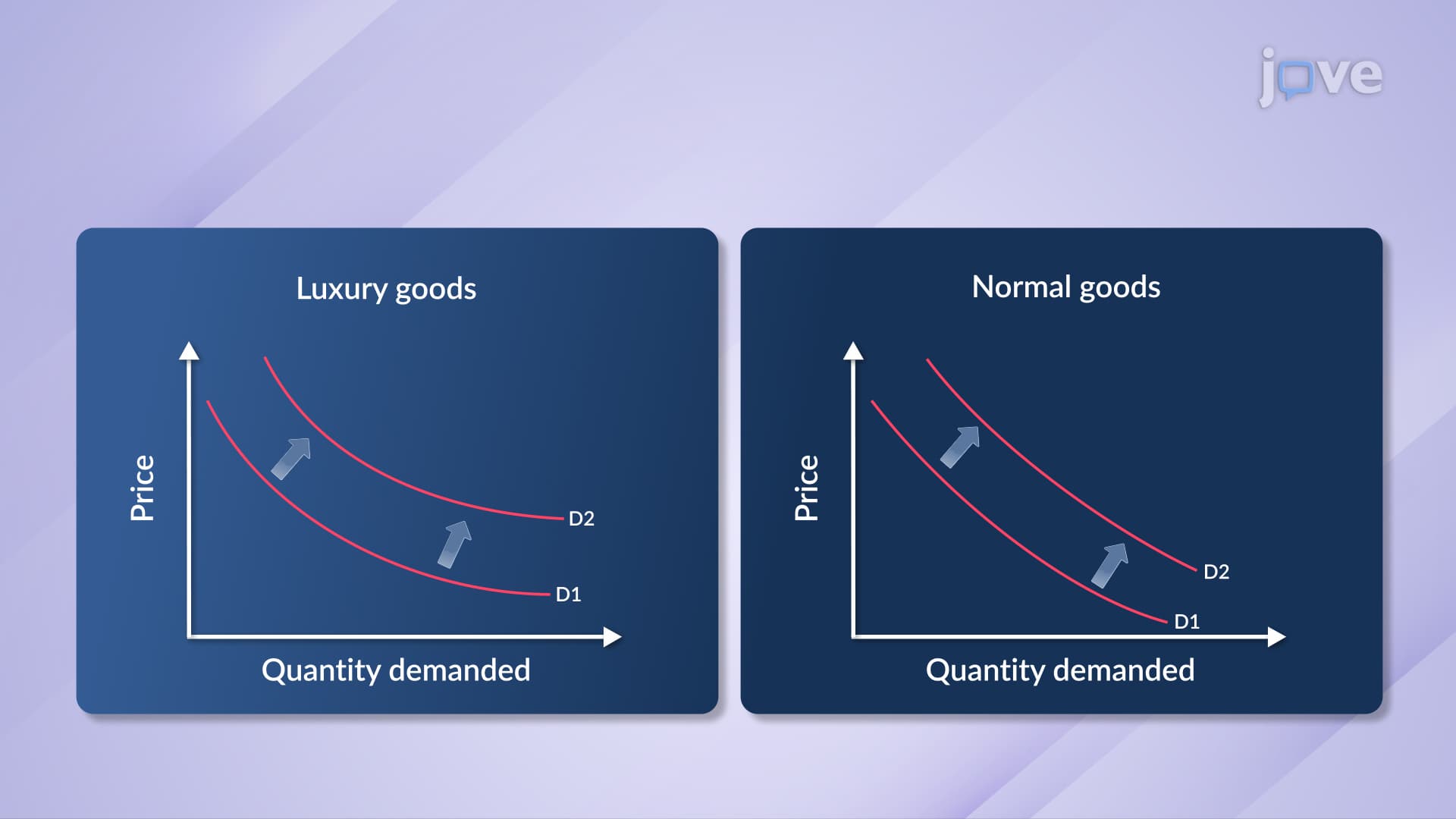
Relatively Elastic Demand (1 < |Elasticity| < ∞) characterizes luxury goods and items with many substitutes. Restaurant dining, vacation packages, and designer clothing typically fall into this category. A 20% price increase might reduce quantity demanded by 30% or more. College students studying consumer theory learn this helps explain why businesses offering elastic goods must carefully consider pricing strategies.
Unitary Elastic Demand (|Elasticity| = 1) occurs when percentage changes in price and quantity demanded are equal. If Starbucks raises prices 10% and sales drop exactly 10%, total revenue remains constant. This concept frequently appears on college microeconomics exams as students calculate optimal pricing points.
Relatively Inelastic Demand (0 < |Elasticity| < 1) includes necessities like gasoline, utilities, and basic food items. When gas prices increase 25%, consumption might only decrease 8%. Students preparing for economics courses should understand that inelastic goods generate higher revenues when prices increase, explaining why utility companies can raise rates without losing significant customers.
Perfectly Inelastic Demand (Elasticity = 0) represents situations where quantity demanded remains constant regardless of price changes. Life-saving medications like insulin exemplify this concept. Diabetic patients require consistent dosages regardless of cost fluctuations, making demand perfectly inelastic over reasonable price ranges.
Understanding these degrees of elasticity of demand: concepts and measurement proves essential for business strategy, government policy, and academic success. Students encountering elasticity in AP Economics, college courses, or professional certification exams benefit from recognizing how mathematical calculations translate to real-world market behavior.
Related Micro-courses