Loading video…


 21 Concepts
 13.8K views

Video Summary: Ed Through Mid Point Method Guide
Ever wonder why calculating price elasticity gives different answers depending on your starting point? The ed through mid point method solves this frustrating inconsistency that trips up economics students nationwide. When Netflix raises subscription prices from $12 to $15, traditional elasticity calculations yield conflicting results depending on direction. The Ed Through Mid Point Method Guide demonstrates how using average values as denominators eliminates this mathematical discrepancy, providing consistent elasticity measurements crucial for business pricing strategies. Watch the full video on JoVE Coach to master this concept with expert-led visuals and step-by-step explanations.
The ed through mid point method represents a crucial refinement in microeconomic analysis that addresses a fundamental flaw in basic elasticity calculations. Traditional price elasticity formulas suffer from directional dependency, meaning the calculated coefficient changes based on whether you're measuring from point A to B or B to A. This inconsistency creates confusion for students preparing for AP Economics exams and undermines the reliability of business pricing analyses.
The mathematical foundation centers on using average values rather than initial values as denominators. Instead of dividing percentage changes by starting prices and quantities, the midpoint method employs the arithmetic mean of both points. This symmetric approach ensures identical elasticity measurements regardless of calculation direction, making it the preferred method in professional economic analysis and standardized testing scenarios.
Consider Starbucks adjusting grande coffee prices from $4.50 to $5.25 across major US metropolitan areas. Traditional elasticity calculations would show different responsiveness depending on whether you analyze the price increase or imagine the reverse scenario. The ed through mid point method explained through this example demonstrates consistent measurement: using the midpoint price ($4.88) and midpoint quantity as denominators produces identical elasticity coefficients in both directions.
This consistency proves invaluable for corporate pricing strategies, where companies like Target or Walmart need reliable demand responsiveness data. Financial analysts use midpoint elasticity measurements to forecast revenue impacts from pricing adjustments, particularly crucial during inflationary periods affecting consumer purchasing power across different income brackets.
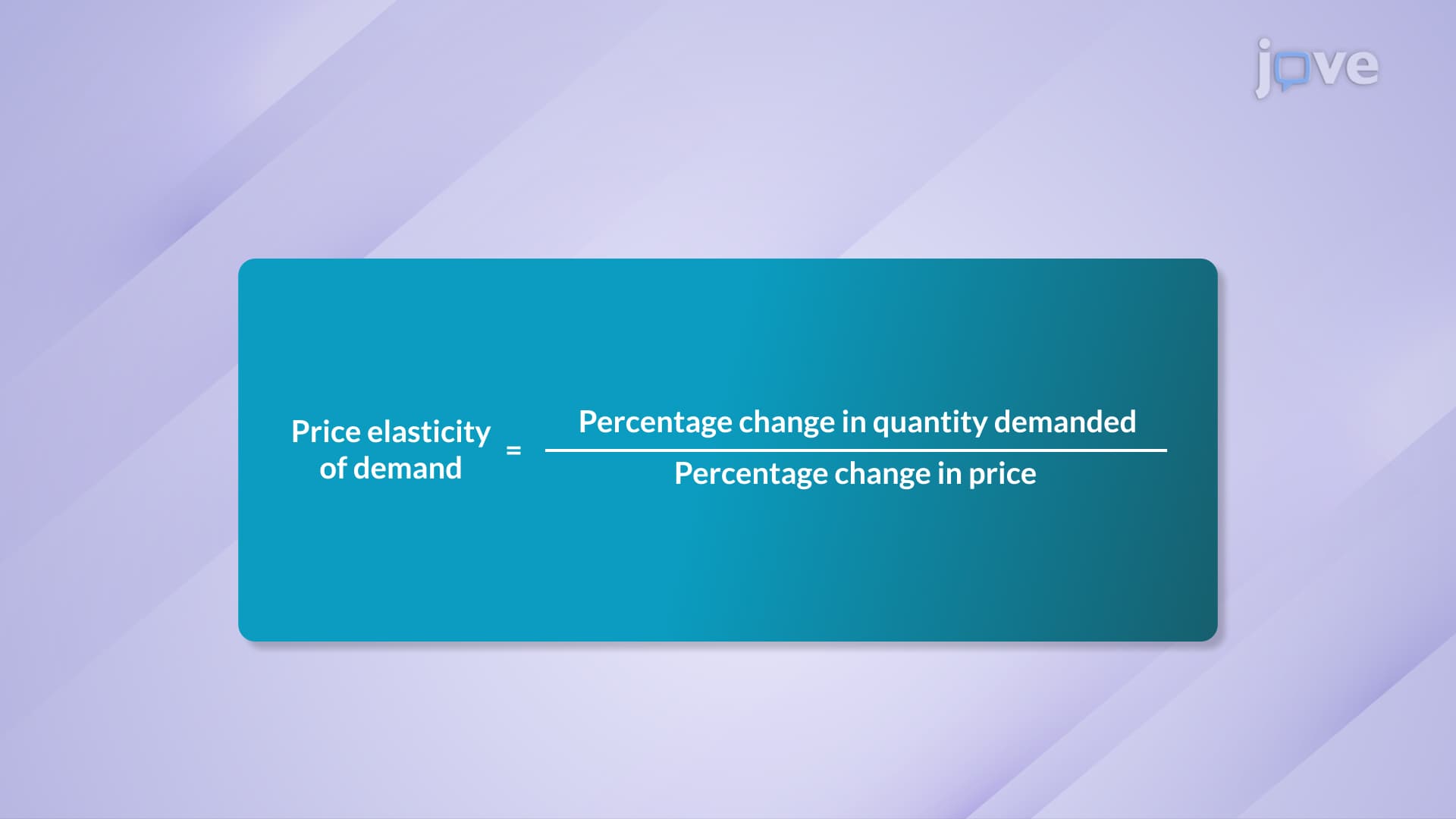
What is ed through mid point method in practical terms involves a straightforward substitution in the elasticity formula. Instead of: (Change in Quantity / Initial Quantity) / (Change in Price / Initial Price), students apply: (Change in Quantity / Average Quantity) / (Change in Price / Average Price). The average calculations use simple arithmetic means: (Q1 + Q2)/2 for quantity and (P1 + P2)/2 for price.
This modification eliminates the asymmetry inherent in percentage change calculations. When preparing for college microeconomics exams or AP Economics assessments, students should practice identifying scenarios where midpoint calculations provide superior analytical precision compared to standard methods.
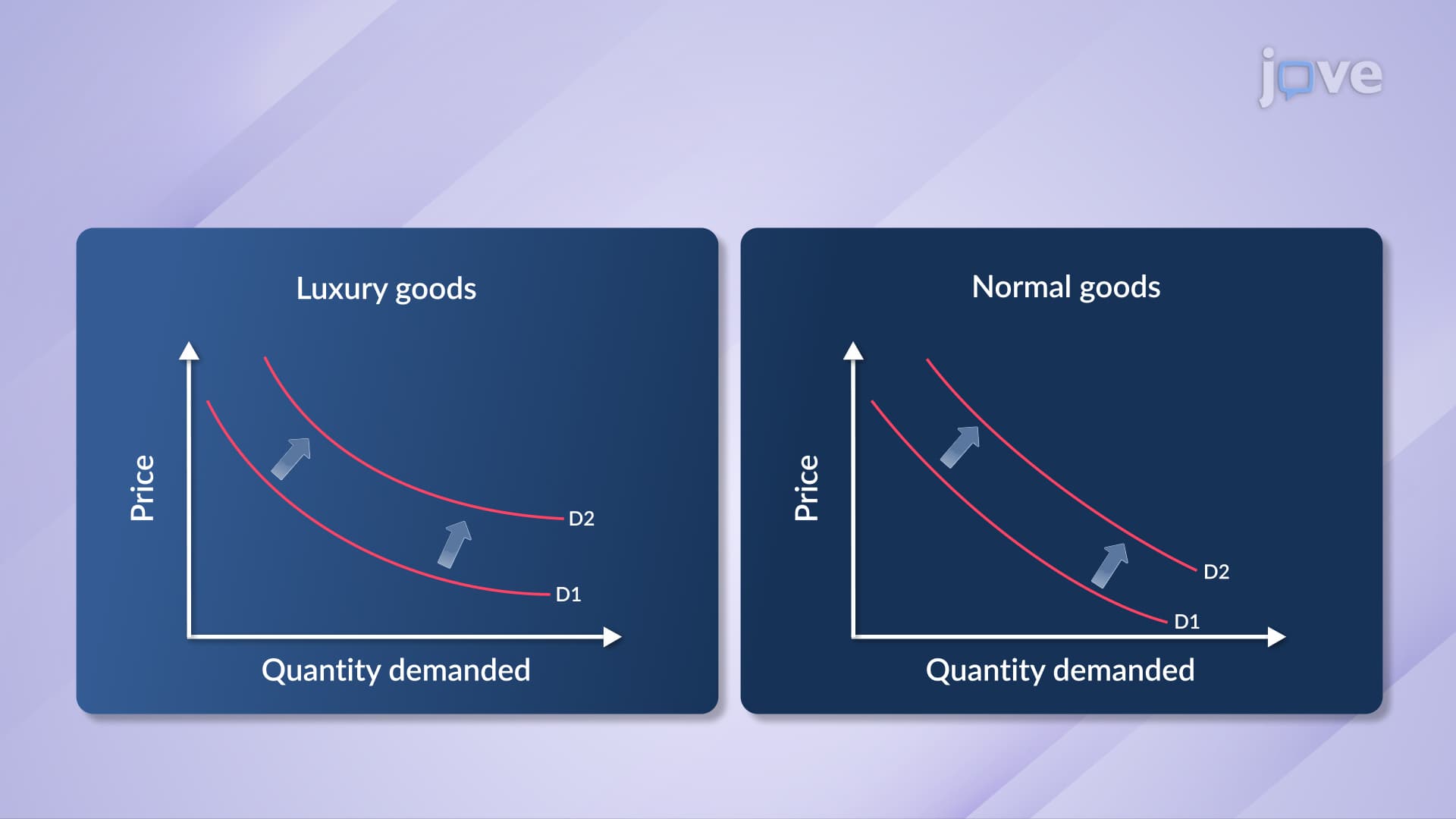
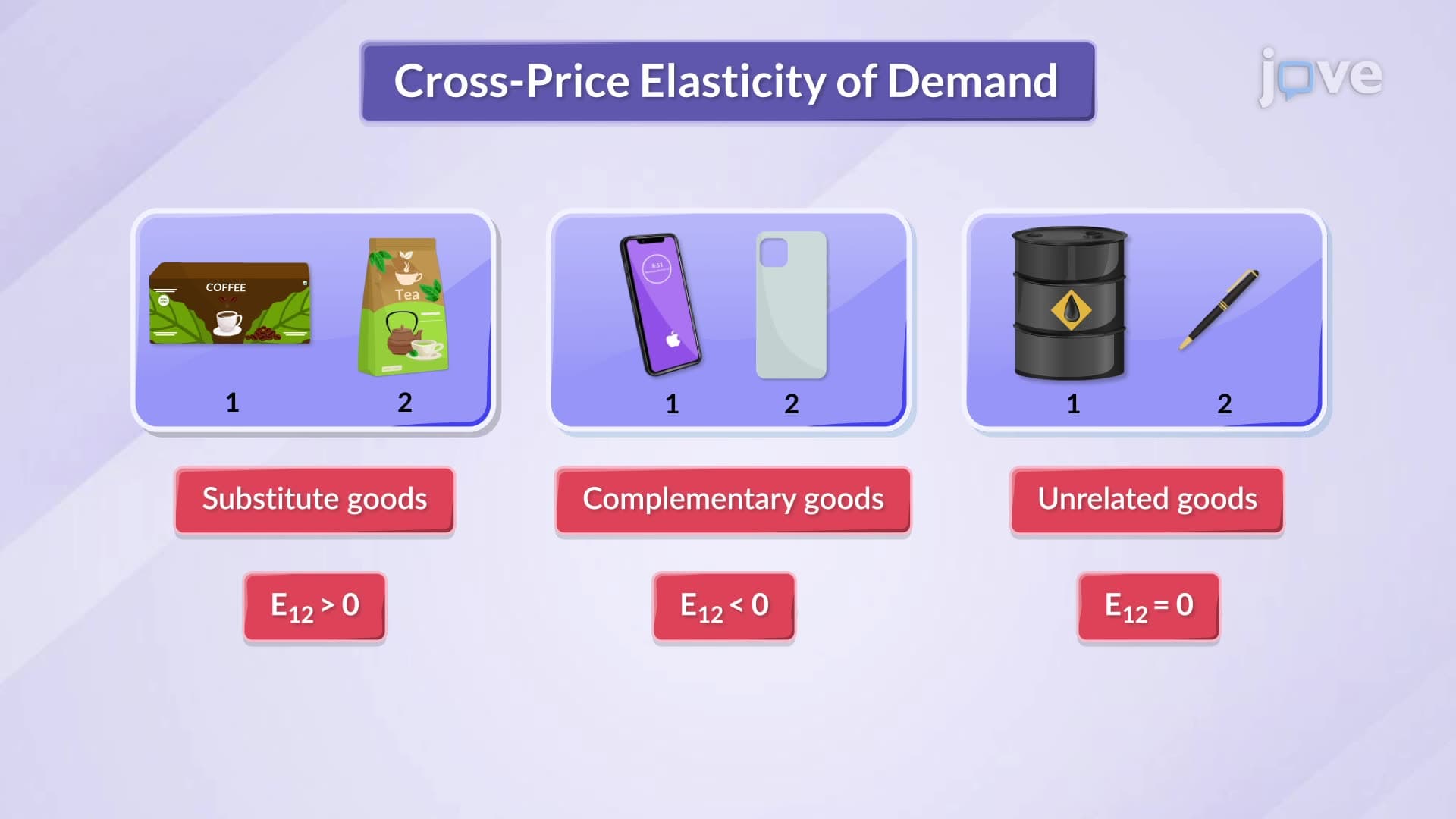
The midpoint method seamlessly integrates with broader elasticity concepts essential for economics coursework. Understanding arc elasticity versus point elasticity becomes more intuitive when students master midpoint calculations first. This foundation supports advanced topics like cross-price elasticity and income elasticity measurements, where consistency across different calculation approaches maintains analytical validity.
Professional economists and policy analysts rely on midpoint method precision when evaluating regulatory impacts on market behavior, making this technique essential preparation for students pursuing economics careers in government agencies, consulting firms, or financial institutions throughout the United States.
Related Micro-courses