Loading subject page…


13,776 views


Video Summary: What Is Demand
Did you know that when gas prices drop by just 10 cents per gallon, Americans collectively drive billions more miles annually? Demand represents far more than simple wanting-it requires both the willingness and financial ability to purchase products at specific prices. Consider how McDonald's strategically prices menu items to maximize customer demand across different income levels. Understanding what is demand helps explain everything from why concert tickets sell out instantly to how retailers set seasonal pricing strategies. Watch the full video on JoVE Coach to master this concept with expert-led visuals and step-by-step explanations.
What is demand goes beyond simply wanting something-it represents the economic relationship between price and quantity that consumers are both willing and able to purchase. This demand definition explained reveals two critical components working together: psychological willingness (desire) and economic ability (purchasing power). Without both elements present simultaneously, true economic demand cannot exist.
Consider Apple's iPhone pricing strategy. When Apple releases a new model at $1,000, millions of consumers may want the device, but only those with sufficient income and willingness to spend that amount contribute to actual demand. This distinction helps explain why luxury goods maintain high prices despite limited sales volume-their target market demonstrates both components of demand.
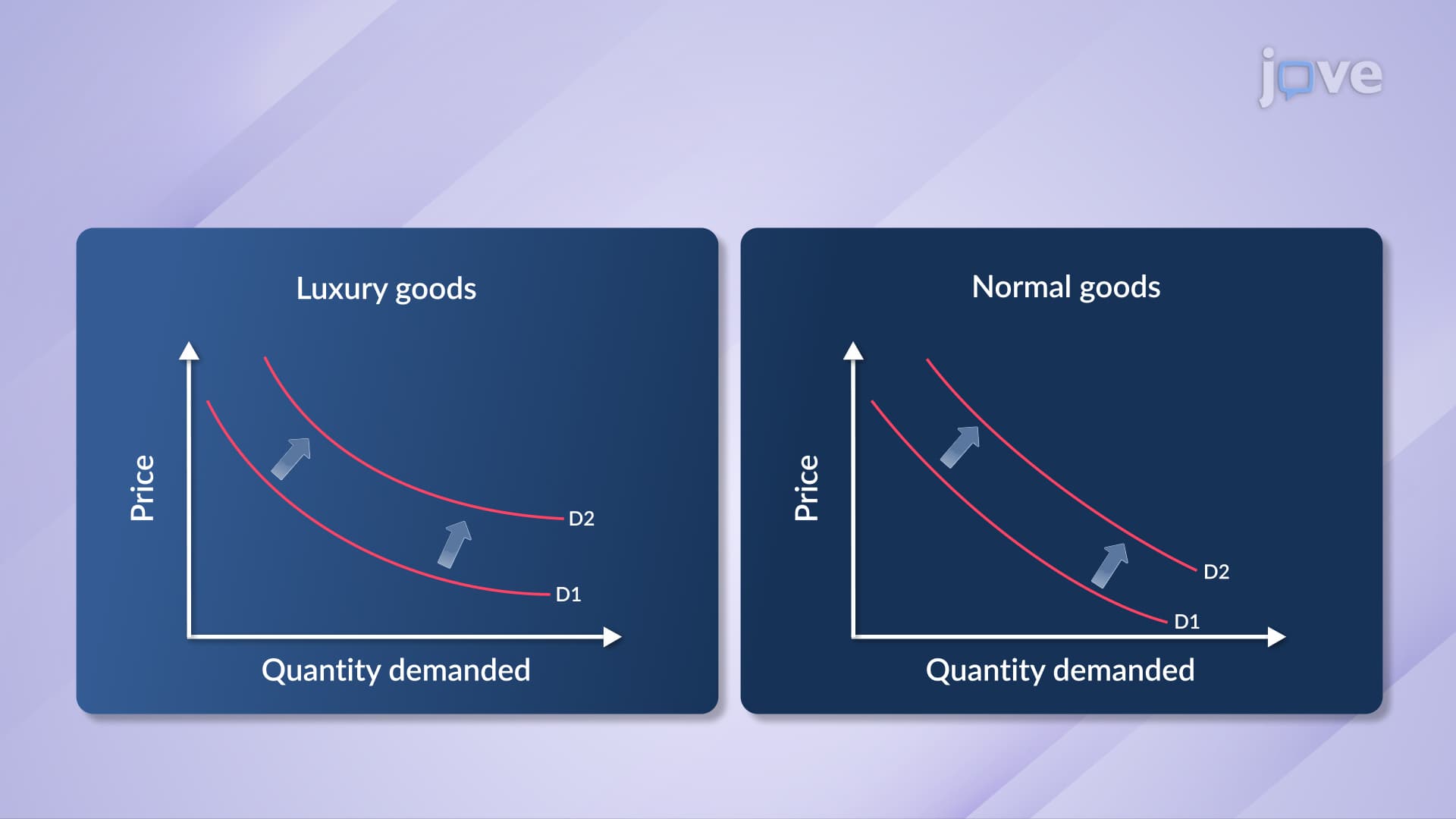
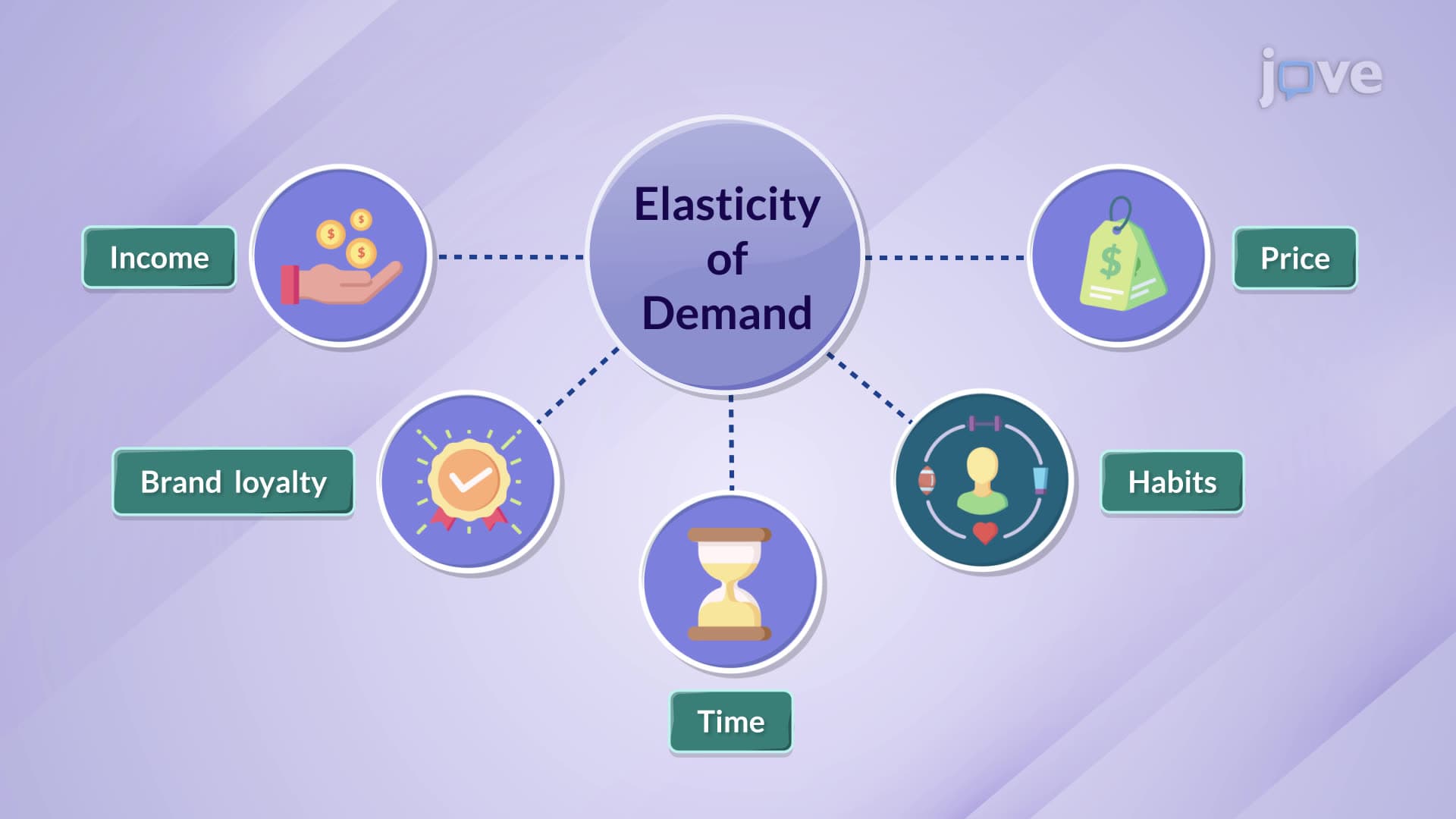
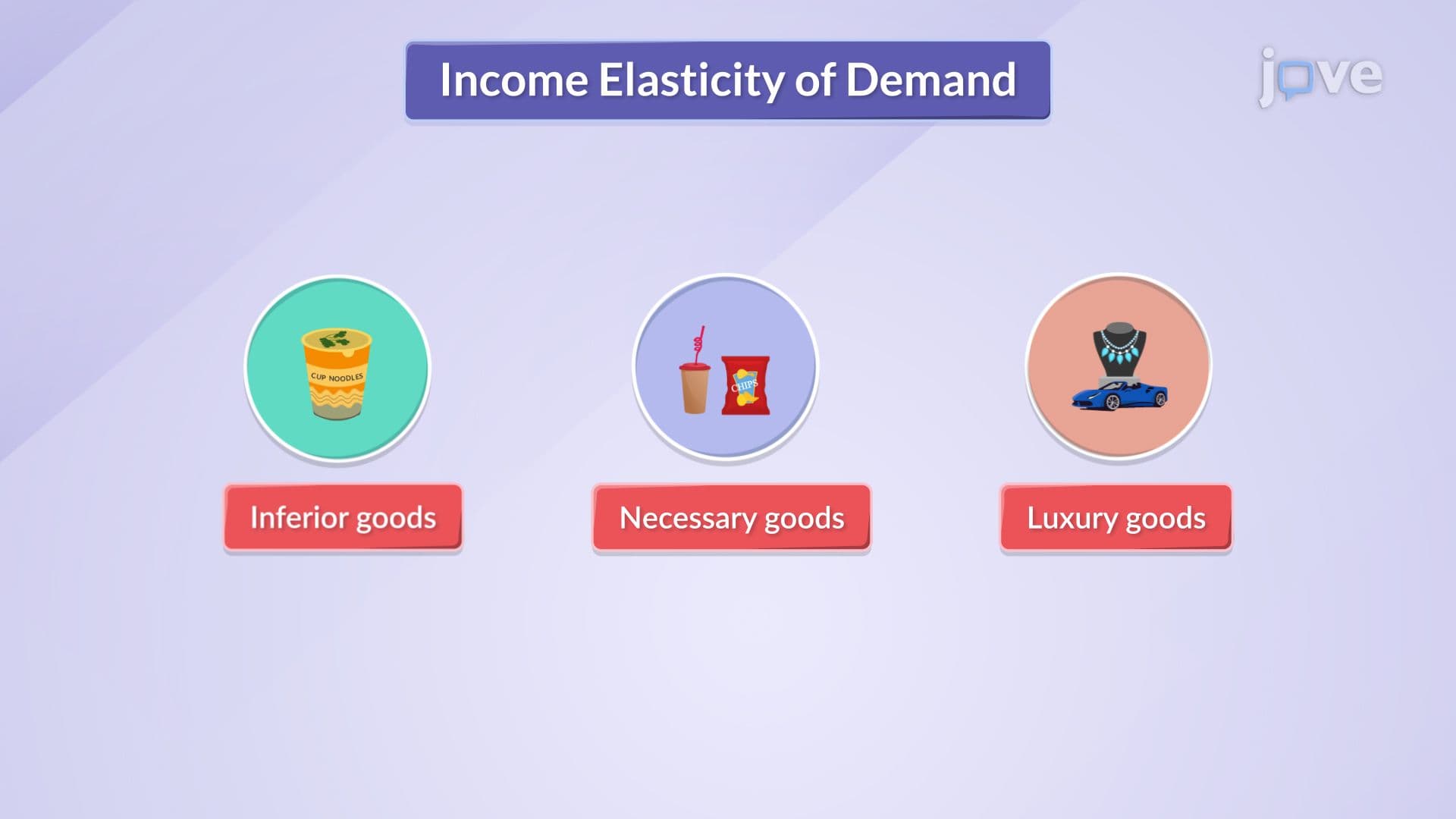
Multiple variables influence demand beyond basic price changes. Income fluctuations significantly impact consumer purchasing behavior-during economic expansions, demand for normal goods like restaurant meals and entertainment increases, while demand for inferior goods like generic brands often decreases. The 2008 financial crisis demonstrated this principle as consumers shifted from premium to value brands across numerous industries.
Consumer preferences also drive demand changes over time. The growing health consciousness among Americans has increased demand for organic foods and fitness equipment while reducing demand for sugary drinks and processed foods. Companies like Whole Foods and Planet Fitness have capitalized on these shifting preferences to build successful business models.
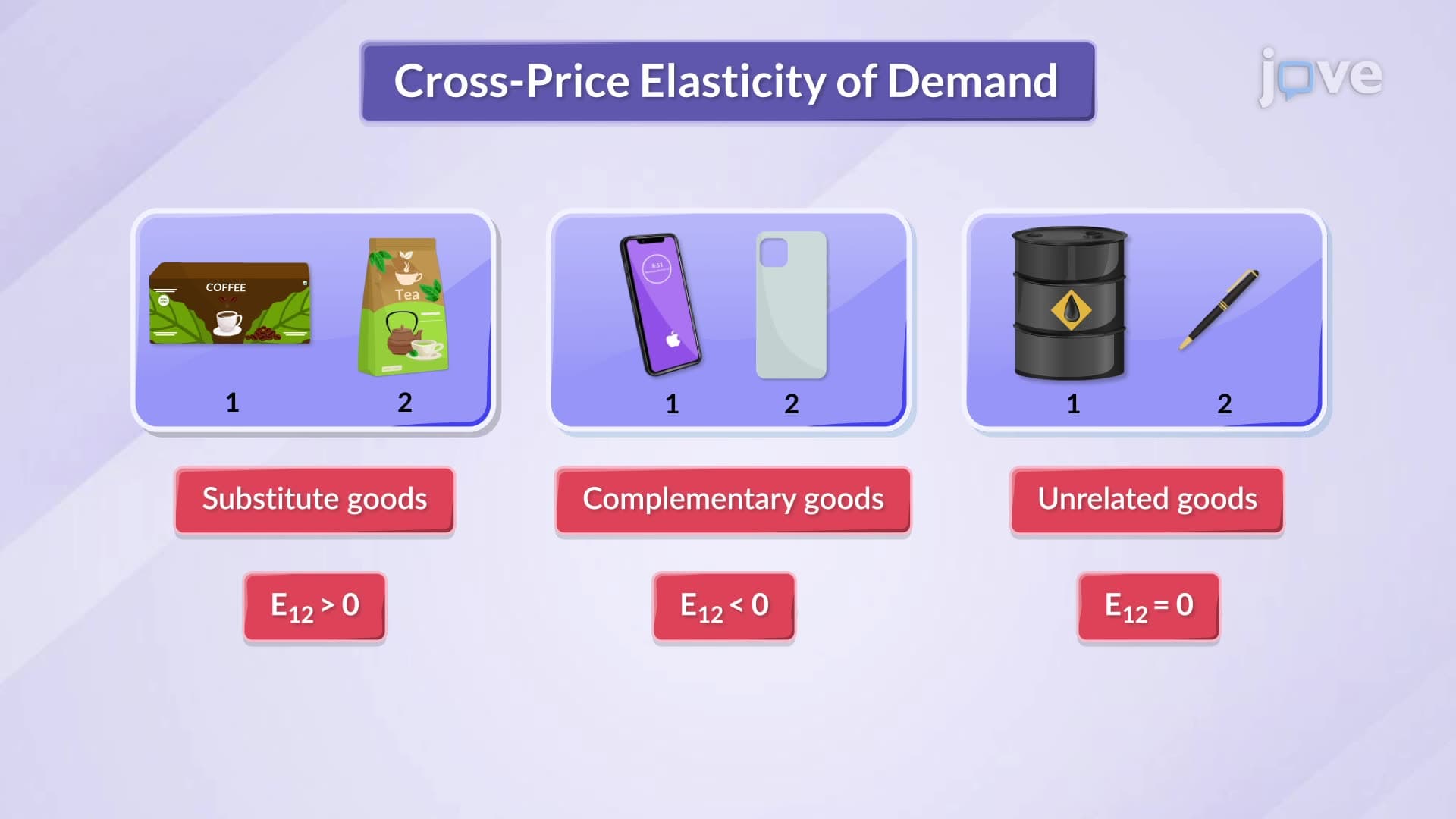
The availability and pricing of substitute goods create important demand dynamics. When Netflix raised subscription prices in 2019, many consumers increased their demand for alternative streaming services like Hulu and Disney+. Similarly, rising beef prices often increase demand for chicken and pork as consumers seek more affordable protein sources.
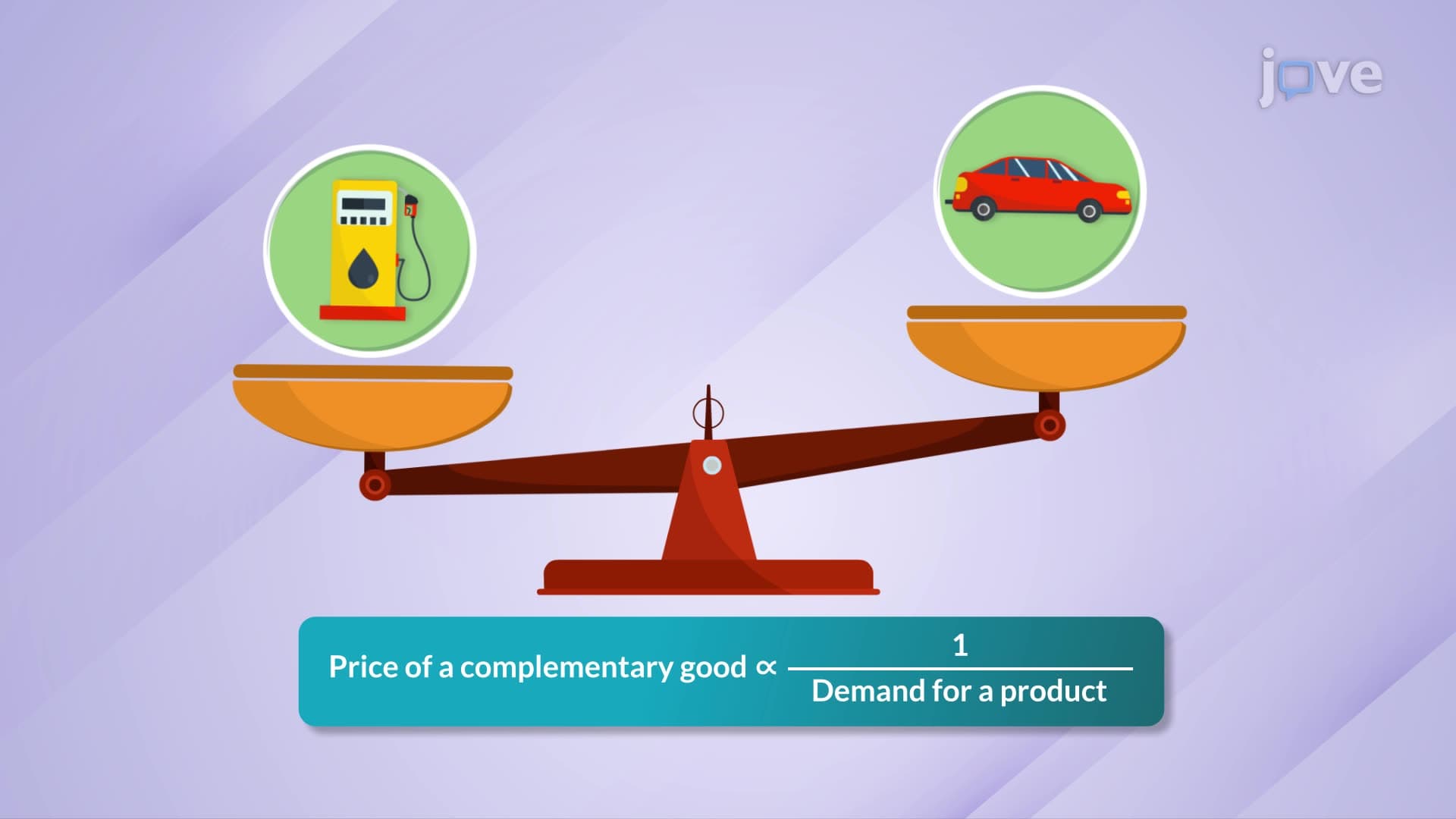
Complementary goods also influence demand patterns. Lower gasoline prices typically increase demand for larger vehicles and recreational travel, while higher gas prices boost demand for fuel-efficient cars and public transportation. These relationships help explain why automotive manufacturers adjust production strategies based on energy price forecasts.
Understanding demand proves essential for success in AP Economics, business courses, and professional environments. Students frequently encounter demand-related questions on standardized tests, including AP Microeconomics exams and SAT Subject Tests in economics. The concept appears in college-level microeconomics courses as a foundation for analyzing market behavior and pricing strategies.
Professionals in marketing, retail management, and financial analysis rely heavily on demand concepts for strategic decision-making. Market research firms use demand analysis to predict consumer behavior, while investment analysts evaluate demand trends when assessing company stock values.
Related Micro-courses