Loading video…


 21 Concepts
 13.8K views

Video Summary: Effect of Close Substitutes on Explained
Why does a 20% price hike for Netflix barely affect subscriber numbers, while a similar increase in gas prices sends drivers scrambling to find cheaper stations? The effect of close substitutes on price elasticity determines how consumers react to price changes. When alternatives like Hulu or Disney+ exist, demand becomes more elastic-customers easily switch providers. In contrast, limited substitutes for gasoline create inelastic demand, forcing consumers to pay higher prices regardless. Watch the full video on JoVE Coach to master this concept with expert-led visuals and step-by-step explanations.
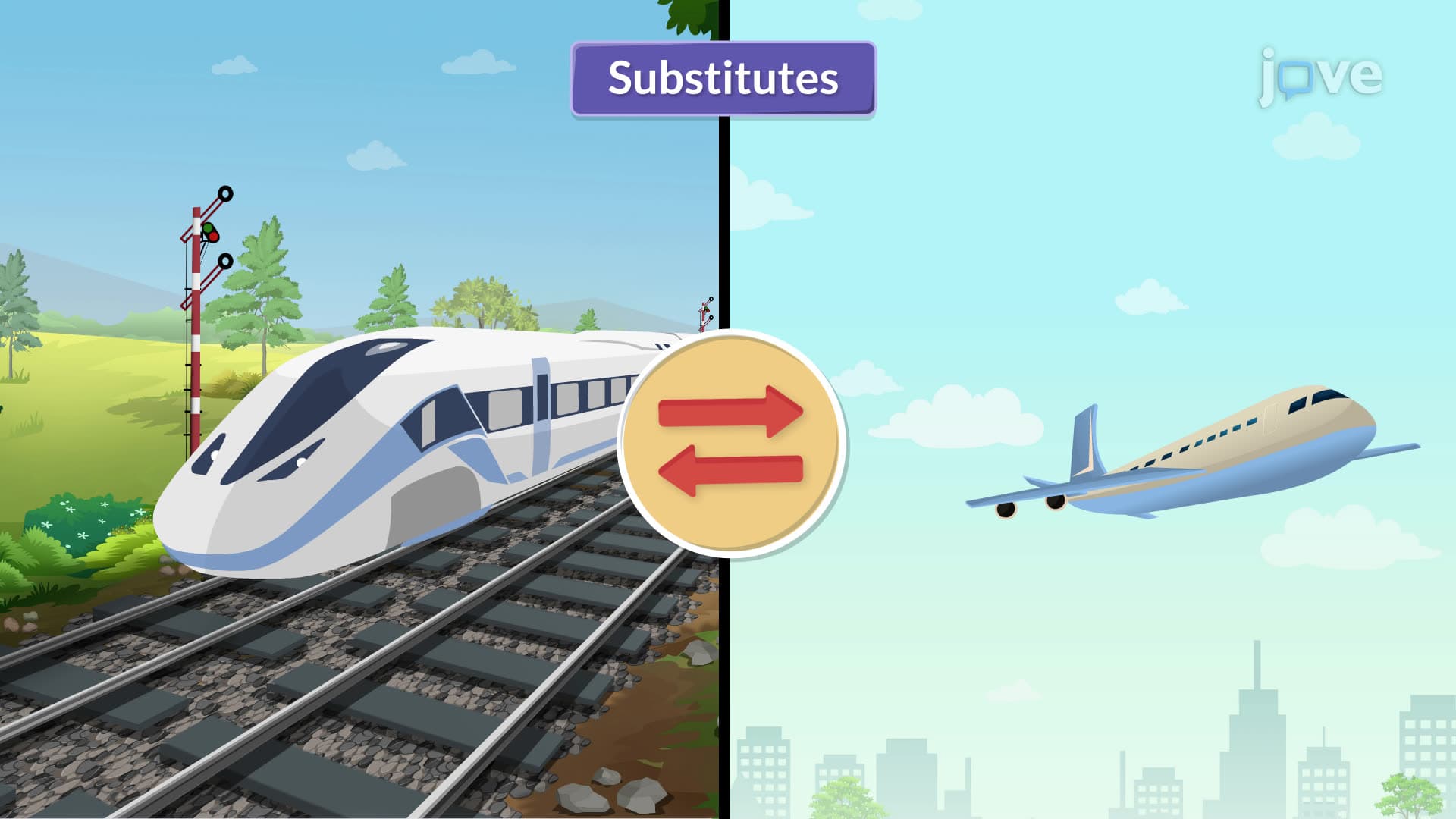
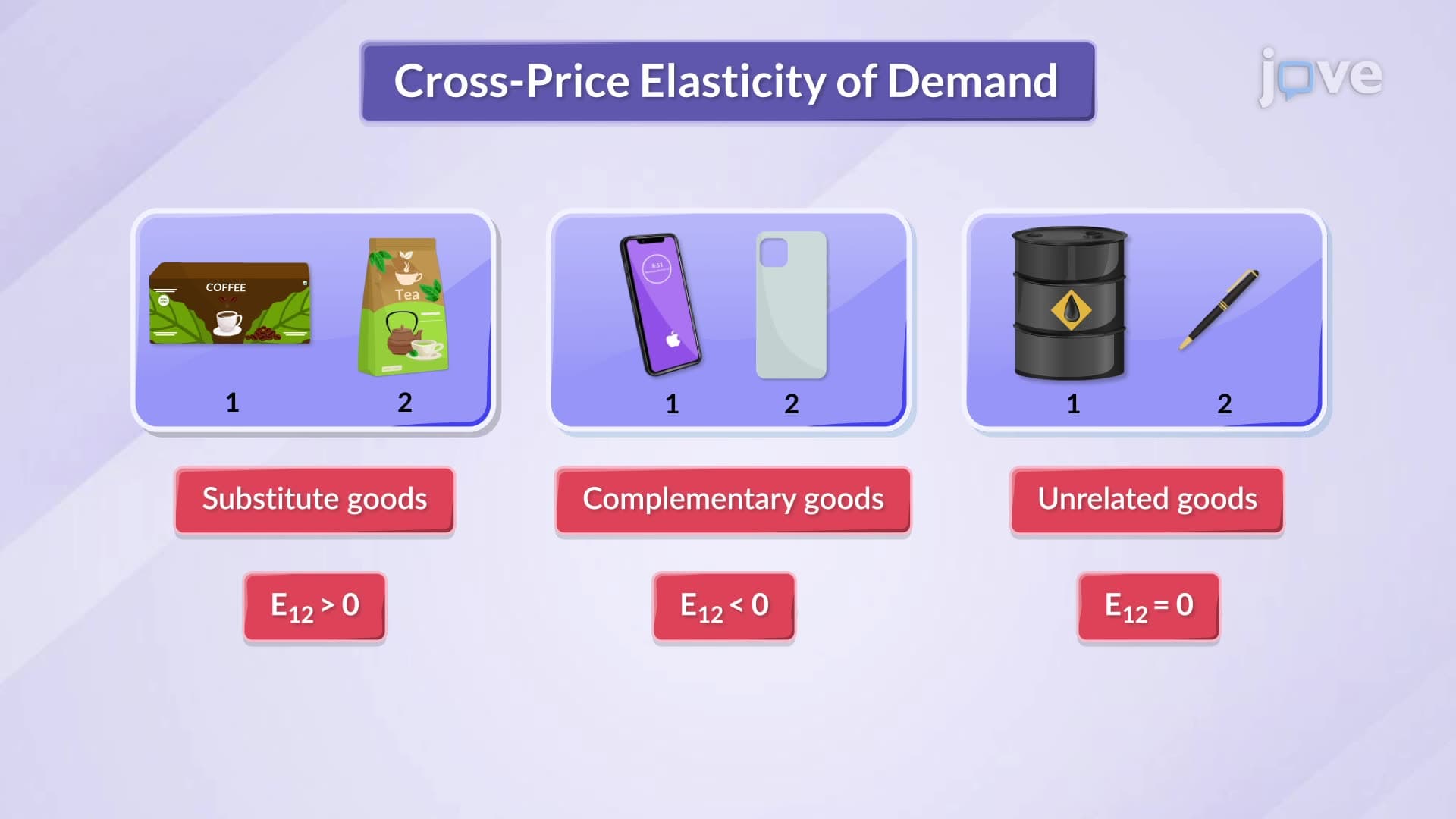
The effect of close substitutes on explained represents a fundamental economic principle that governs how consumers respond to price changes. When numerous alternatives exist for a product or service, consumers demonstrate greater price sensitivity, creating elastic demand. Conversely, products with few or no substitutes experience inelastic demand, allowing suppliers to maintain higher prices without significant customer loss.
The relationship between substitutes and price elasticity follows a predictable pattern. Consider the smartphone market: when Apple increases iPhone prices, consumers can switch to Samsung Galaxy, Google Pixel, or other Android devices offering similar functionality. This abundance of alternatives makes smartphone demand relatively elastic. However, prescription medications often lack close substitutes, creating inelastic demand that enables pharmaceutical companies to maintain higher pricing structures.
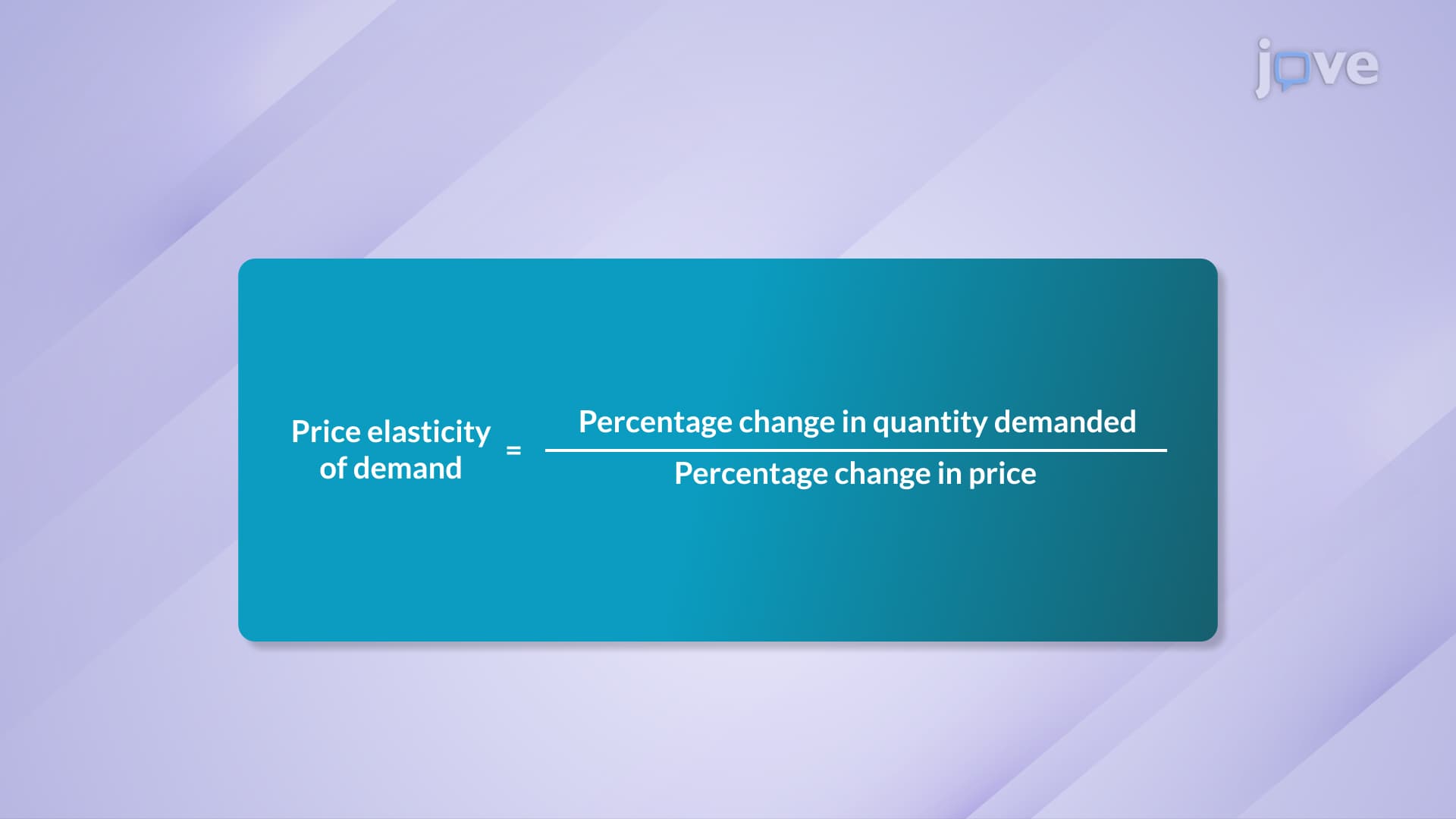
For AP Economics students, understanding this concept proves crucial for analyzing market structures and predicting consumer behavior. The availability of substitutes directly correlates with the price elasticity coefficient-markets with abundant substitutes typically show elasticity values greater than 1 (elastic), while those with limited alternatives display values less than 1 (inelastic).
Transportation services provide excellent examples of substitute effects. In cities like San Francisco or New York, consumers can choose between traditional taxis, ride-sharing services (Uber, Lyft), public transportation, bike-sharing programs, and personal vehicles. This wealth of alternatives creates elastic demand-price increases in one option drive consumers toward competitors.
Conversely, utility services demonstrate inelastic demand due to limited substitutes. When electric companies raise rates, consumers rarely have alternative providers, forcing them to accept higher costs or reduce consumption. This principle appears frequently in college microeconomics courses and standardized tests like the AP Economics exam.
The presence of substitutes intensifies market competition, benefiting consumers through lower prices and improved quality. Companies must continuously innovate and optimize pricing strategies to retain customers who can easily switch to competitors. This dynamic appears prominently in industries like streaming services, where Netflix, Amazon Prime, Hulu, and Disney+ compete for subscribers by offering unique content and competitive pricing.
Understanding these concepts prepares students for advanced economics coursework and professional applications in business strategy, market analysis, and policy development.
Related Micro-courses