Loading video…

 21 Concepts
 13.8K views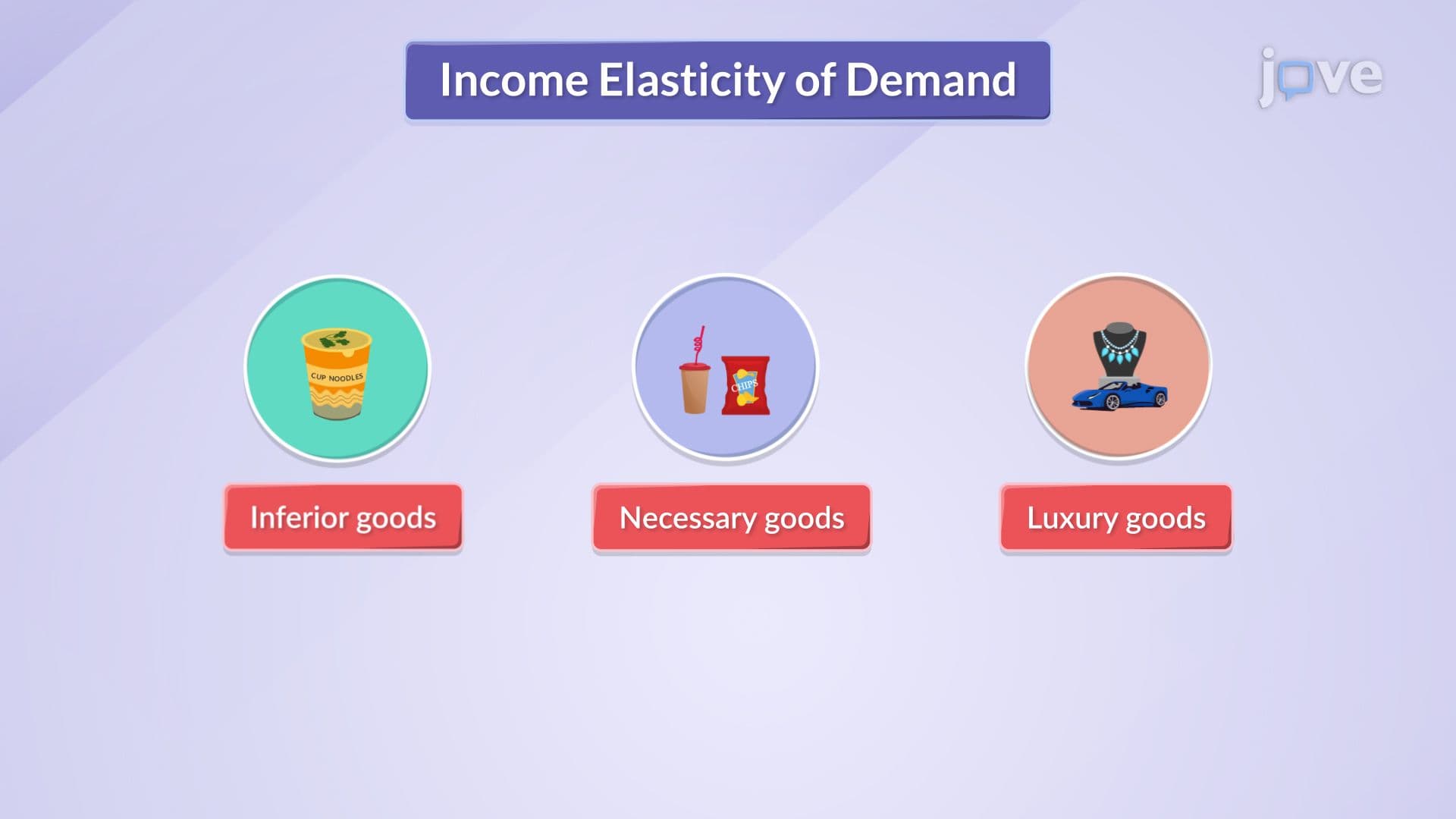

Video Summary: What Is Income Elasticity of Demand
Ever wonder why McDonald's struggles during economic booms while Tesla thrives? Income elasticity of demand reveals how consumer purchasing patterns shift dramatically with income changes. This economic concept measures the percentage change in quantity demanded relative to percentage change in income, helping classify goods as inferior, normal, or luxury items. For instance, when Americans receive tax refunds, demand for iPhones typically surges more than demand for basic groceries. Watch the full video on JoVE Coach to master this concept with expert-led visuals and step-by-step explanations.
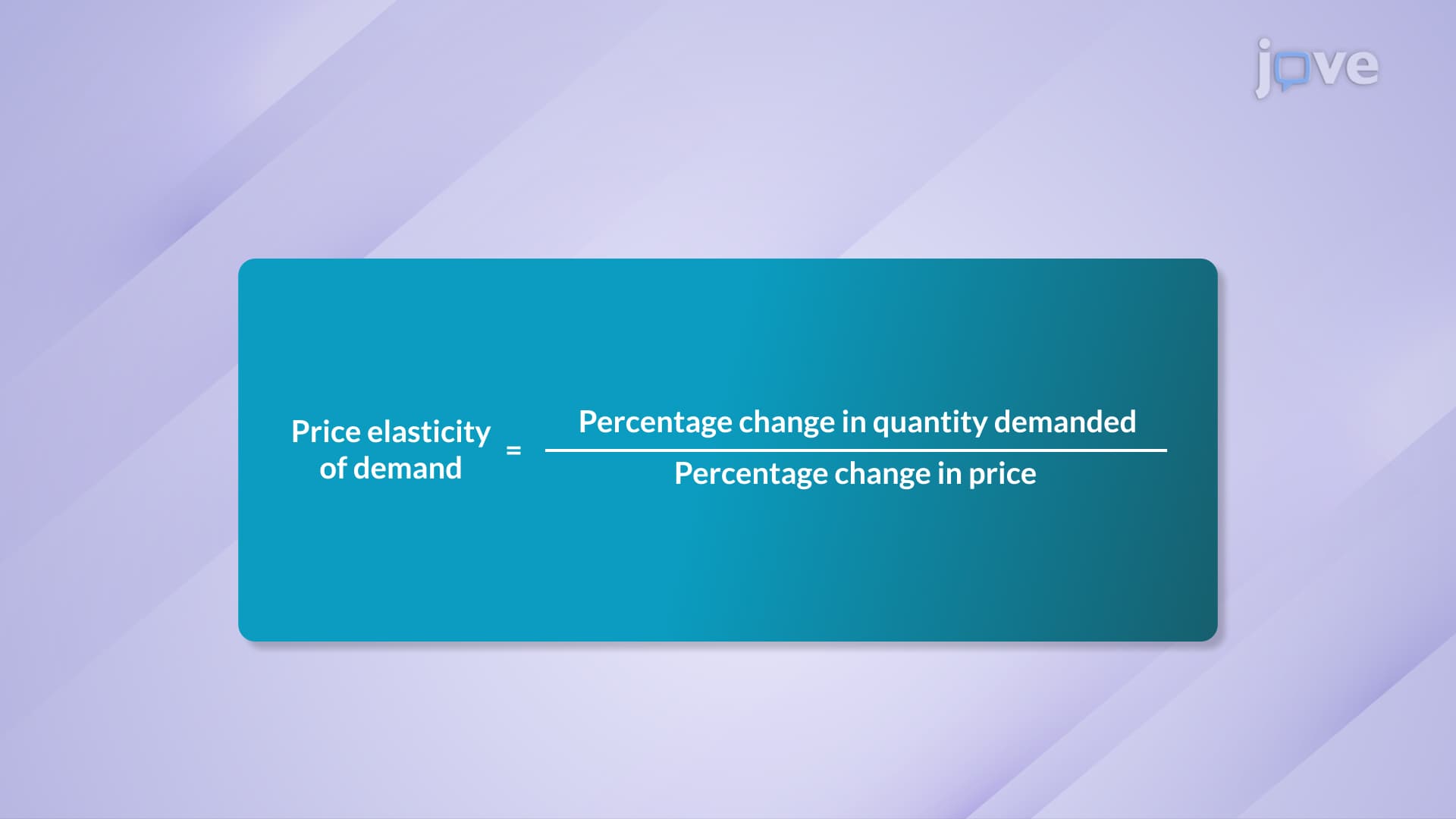
Income elasticity of demand serves as a crucial economic indicator that measures consumer responsiveness to income fluctuations. The formula is straightforward: Income Elasticity = (Percentage Change in Quantity Demanded) / (Percentage Change in Income). This coefficient reveals whether goods are necessities, luxuries, or inferior products based on how demand shifts when consumers' purchasing power changes.
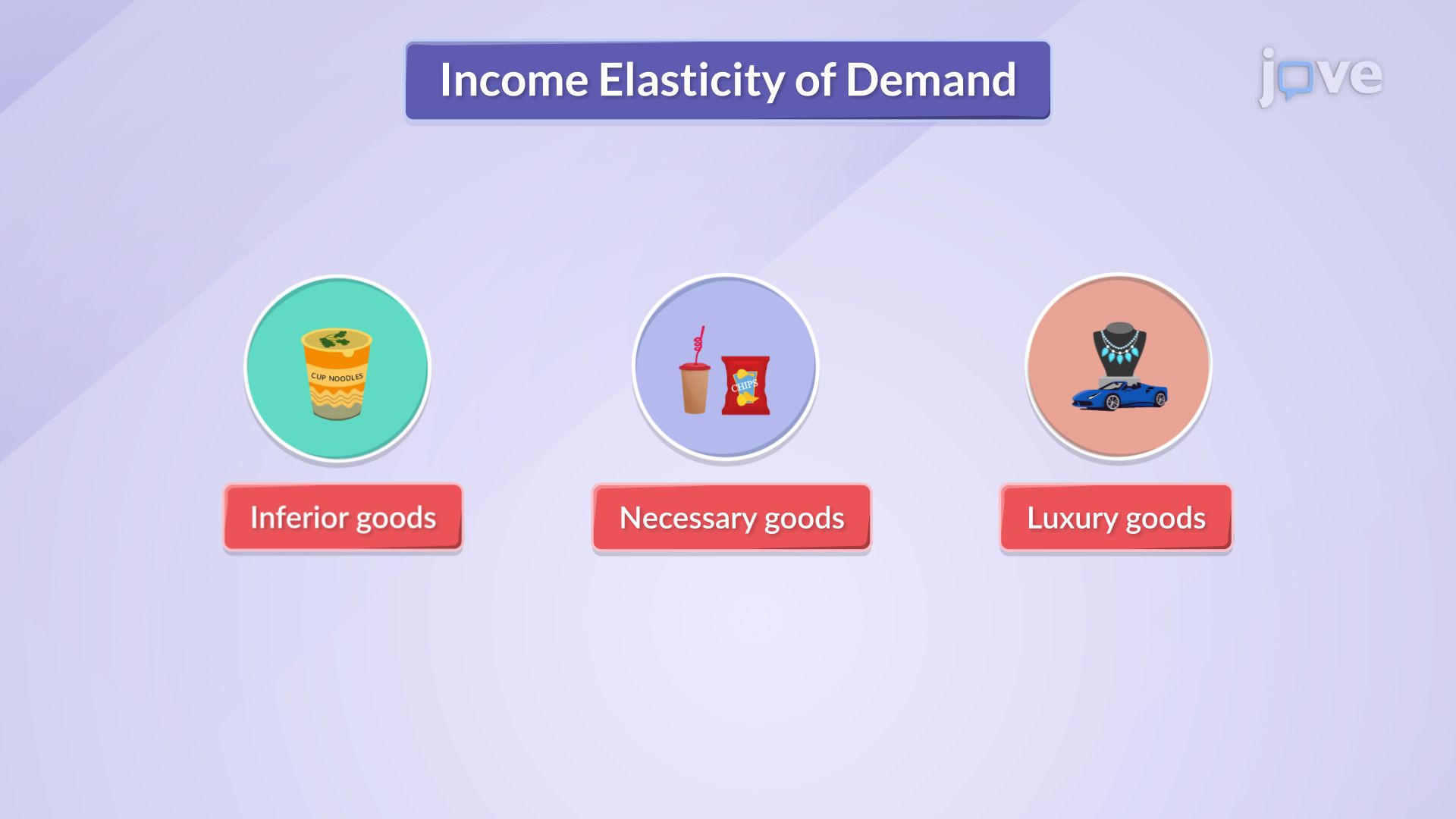
Inferior Goods (Negative Income Elasticity): When income elasticity falls below zero, goods are classified as inferior. Classic American examples include generic store brands, used cars from budget lots, and fast-food dollar menus. As household income rises, families typically reduce consumption of these items, shifting toward higher-quality alternatives. During the 2008 financial crisis, demand for generic groceries increased while premium brand sales declined, demonstrating negative income elasticity in action.
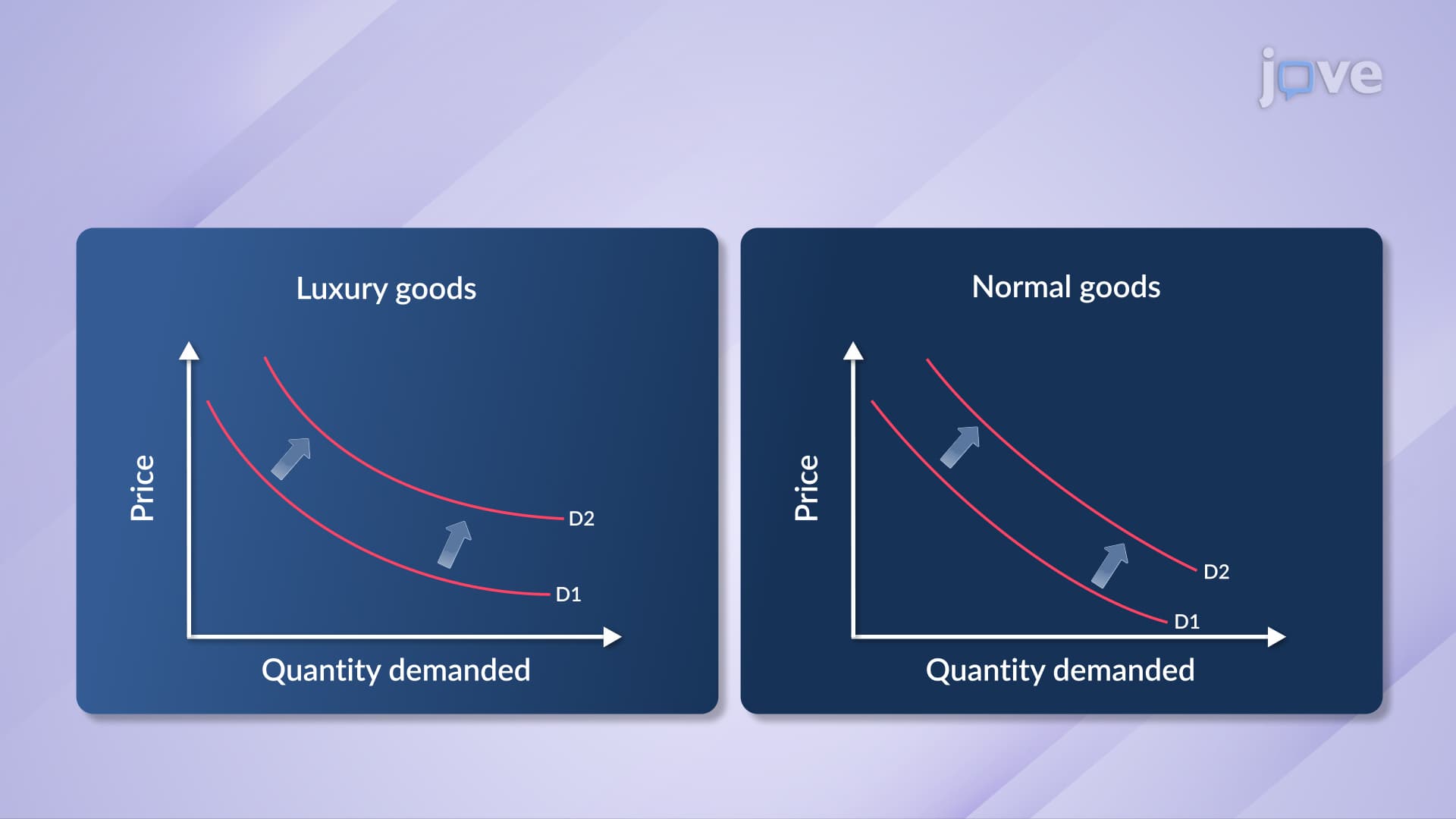
Normal Goods (0 < Income Elasticity < 1): These necessities show positive but less-than-proportional response to income changes. Examples include basic clothing, standard internet service, and regular gasoline. When Americans receive a 10% income increase, they might boost spending on these items by only 5-8%. This category dominates most household budgets and remains relatively stable during economic fluctuations.
Luxury Goods (Income Elasticity > 1): Premium products demonstrate income elasticity greater than one, meaning demand increases more than proportionally with income growth. Think high-end vehicles like BMW or Mercedes, vacation homes in the Hamptons, or designer handbags. A 10% income boost might trigger 15-20% increased spending on these items.
Companies leverage income elasticity data for strategic planning. Walmart focuses on goods with low income elasticity to maintain steady revenue during recessions, while luxury retailers like Nordstrom prepare for volatile sales cycles. The Federal Reserve analyzes these patterns when setting monetary policy, understanding that interest rate changes affect disposable income and subsequently influence consumer spending across different product categories.
For AP Economics and college microeconomics courses, students must master calculating and interpreting income elasticity coefficients. SAT Subject Tests and standardized economics assessments frequently feature problems requiring identification of good types based on income elasticity scenarios.
Related Micro-courses