Loading subject page…


13,776 views

Video Summary: Effect of Complementary Goods on the Demand Curve
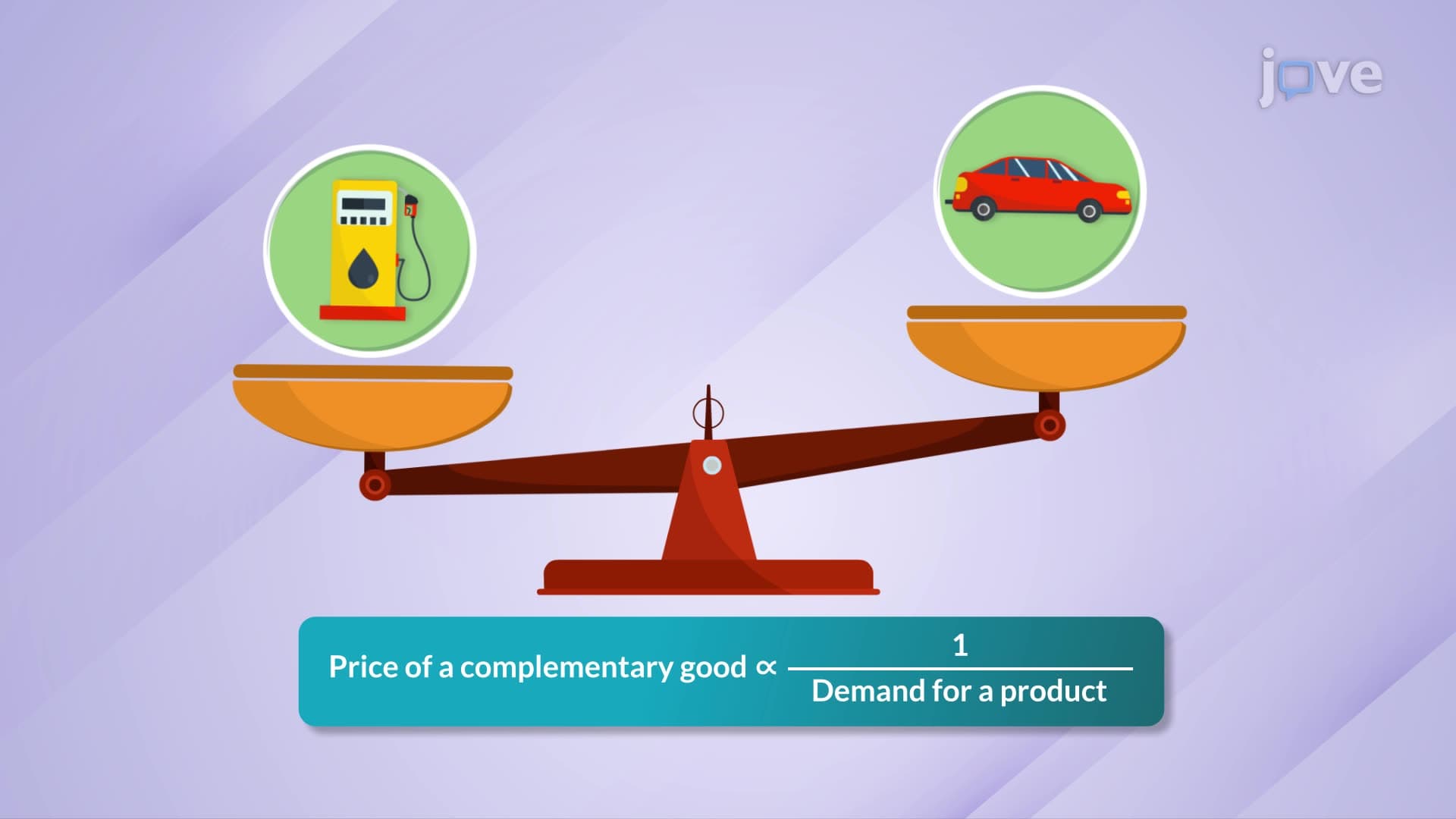
Why does iPhone demand plummet when Apple raises App Store prices? The effect of complementary goods on the demand reveals this hidden market force. When products like smartphones and apps work together, price changes in one dramatically shift demand for the other. Consider how rising gas prices in California directly reduced SUV sales at Ford dealerships, even though SUV prices stayed constant. This demonstrates the Effect of Complementary Goods on the Demand Curve in action. Watch the full video on JoVE Coach to master this concept with expert-led visuals and step-by-step explanations.
The effect of complementary goods on the demand curve represents a fundamental economic principle that explains how interconnected products influence each other's market performance. Unlike substitute goods that compete for consumer preference, complementary goods work together to provide utility, creating unique demand relationships that savvy businesses and students must understand.
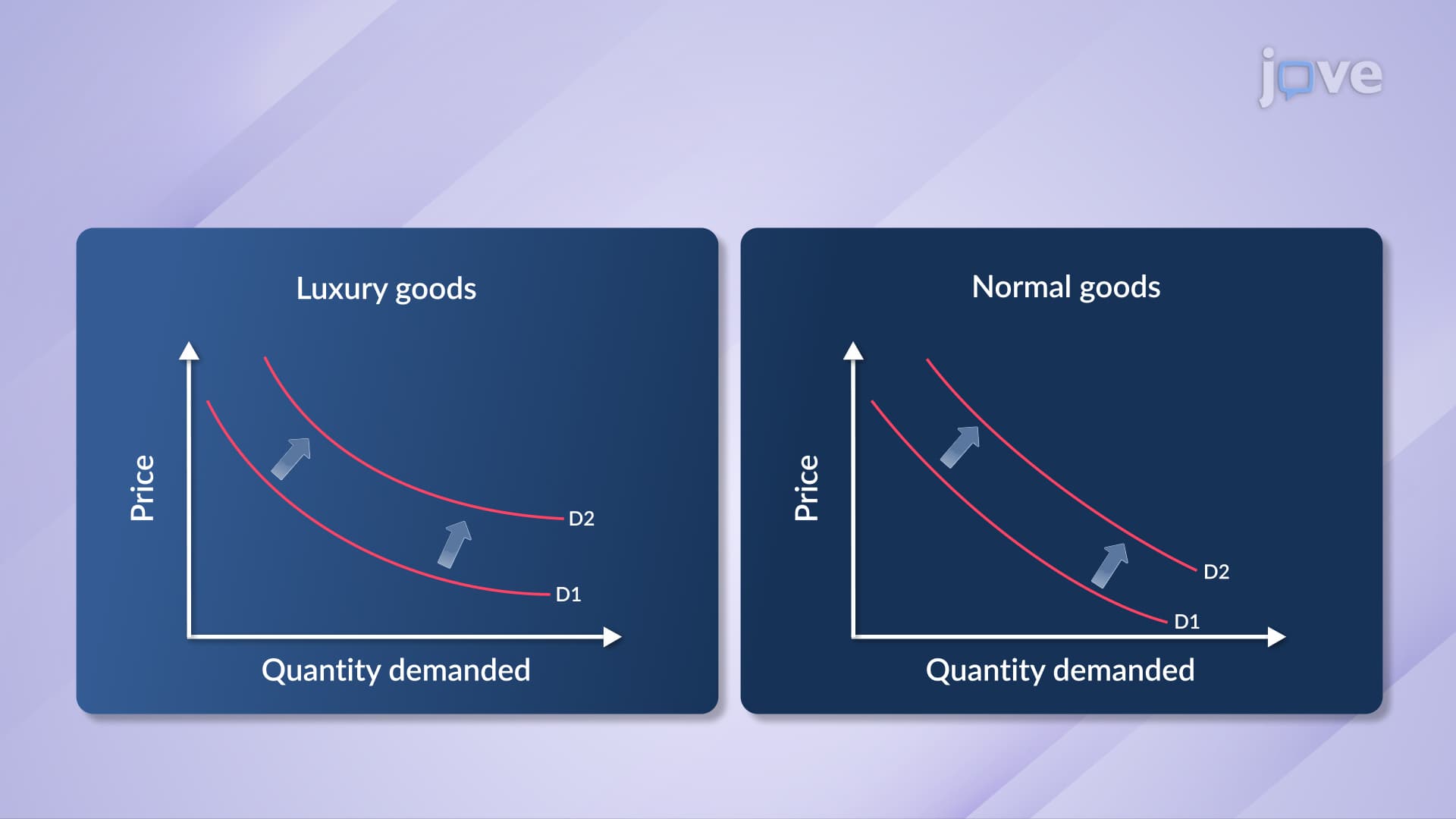
When economists analyze complementary goods, they focus on cross-price elasticity of demand-how demand for one product responds to price changes in its complement. This relationship manifests as demand curve shifts rather than movements along existing curves, a crucial distinction for AP Economics students and college microeconomics courses.
Consider the relationship between gaming consoles and video games. When Sony reduces PlayStation 5 prices, demand for PS5 games increases, shifting the entire demand curve for games rightward. Conversely, if game developers uniformly raise prices, fewer consumers purchase gaming consoles, even at unchanged console prices. This complementary relationship drives strategic pricing across technology sectors.
The automotive industry provides another compelling example. Tesla's Supercharger network expansion effectively reduces the "cost" of owning electric vehicles by increasing convenience, thereby shifting demand for Tesla cars rightward. Traditional automakers now invest heavily in charging infrastructure, recognizing this complementary relationship's market power.
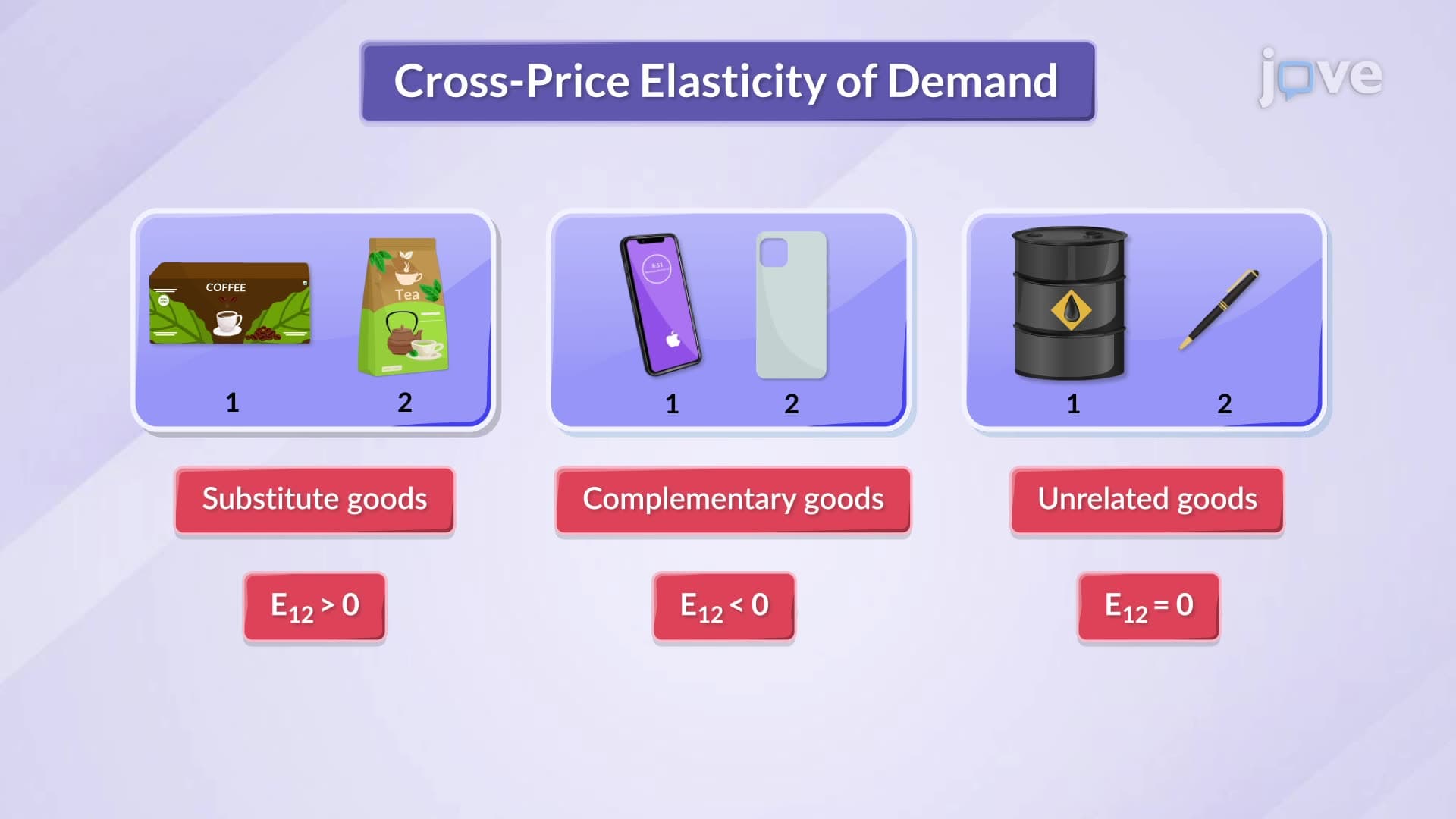
The effect complementary goods definition involves negative cross-price elasticity of demand. When complement price increases by X%, primary product demand decreases, shifting the demand curve leftward. This relationship appears frequently on standardized tests like the AP Microeconomics exam, where students must identify and graph these shifts.
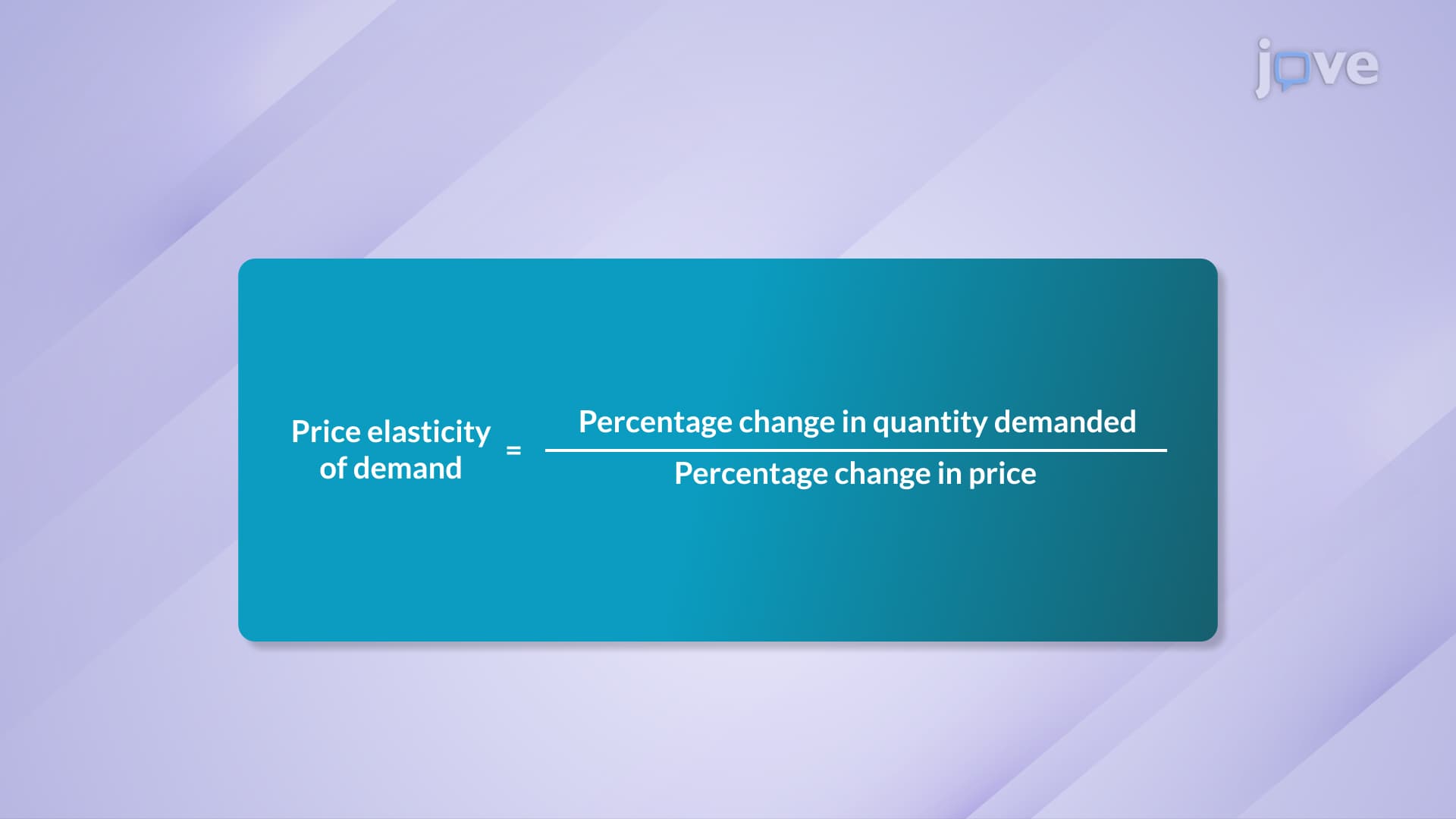
For quantitative analysis, economists use the formula: Cross-price elasticity = (% change in quantity demanded of Good A) / (% change in price of Good B). Negative values indicate complementary relationships, while positive values suggest substitute goods.
Companies leverage complementary goods effects through loss-leader strategies and ecosystem development. Amazon prices Kindle devices below cost, knowing increased e-book sales will generate long-term profits. Similarly, Gillette follows the "razor-razorblade" model, offering inexpensive handles to drive ongoing blade purchases.
Understanding these dynamics helps students analyze case studies in business courses and prepares them for concepts they'll encounter in MBA programs or professional careers in marketing, finance, and strategic planning.
Related Micro-courses