Loading subject page…


13,776 views


Video Summary: Effect of Necessities and Luxuries Explained
Ever wonder why gasoline prices barely affect how much you drive, but a 20% increase in concert tickets might make you skip the show? The effect of necessities and luxuries reveals how consumer behavior drastically changes based on whether goods are essential for survival or merely desirable. While Americans continue buying bread and milk despite price increases (necessities), luxury purchases like designer handbags become the first casualties when prices rise. Watch the full video on JoVE Coach to master this concept with expert-led visuals and step-by-step explanations.
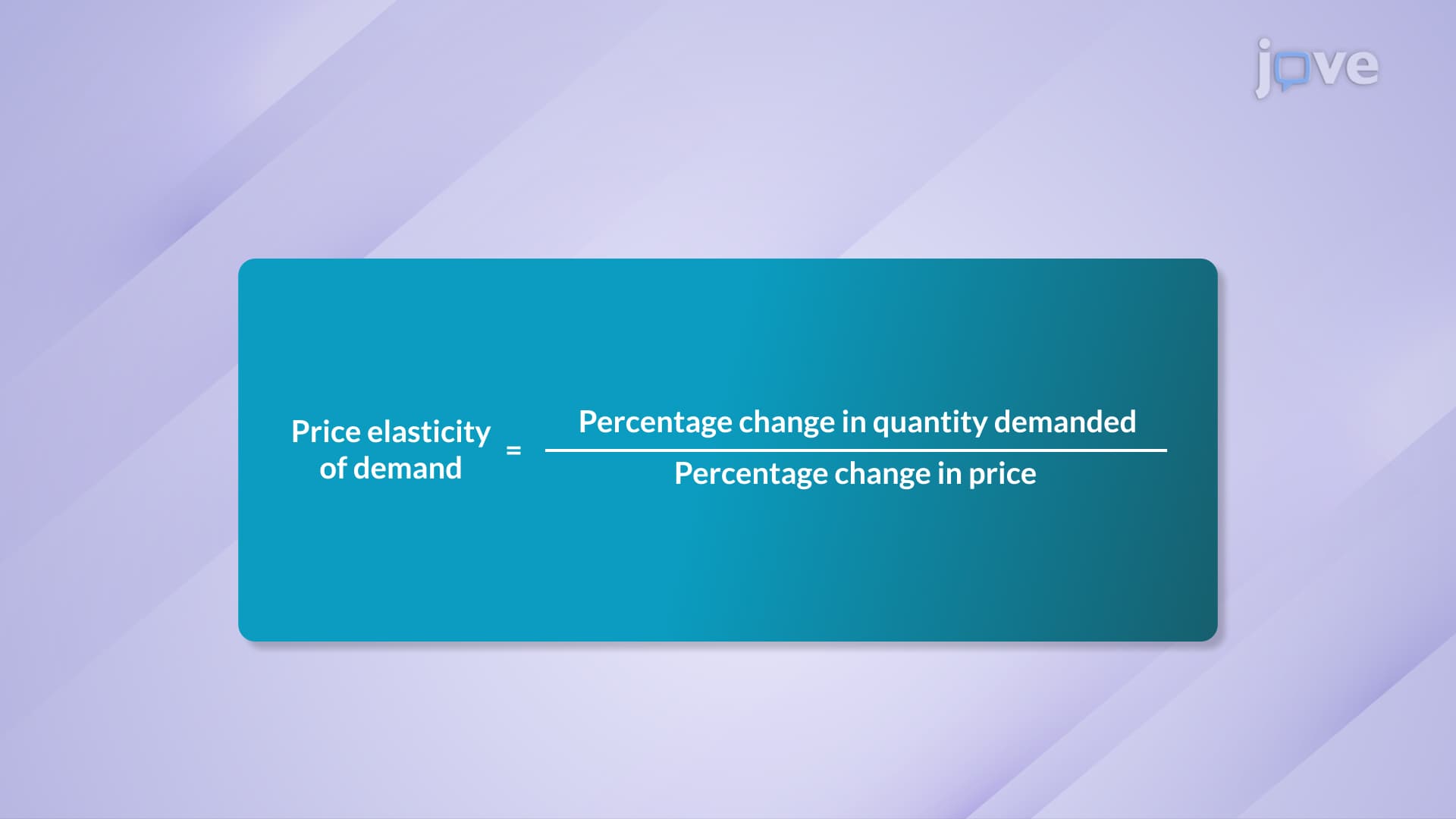
The fundamental principle behind consumer economics lies in how people respond differently to price changes depending on whether they view products as essential or optional. This behavioral pattern forms the backbone of price elasticity theory, where necessities demonstrate inelastic demand while luxuries show elastic demand characteristics.
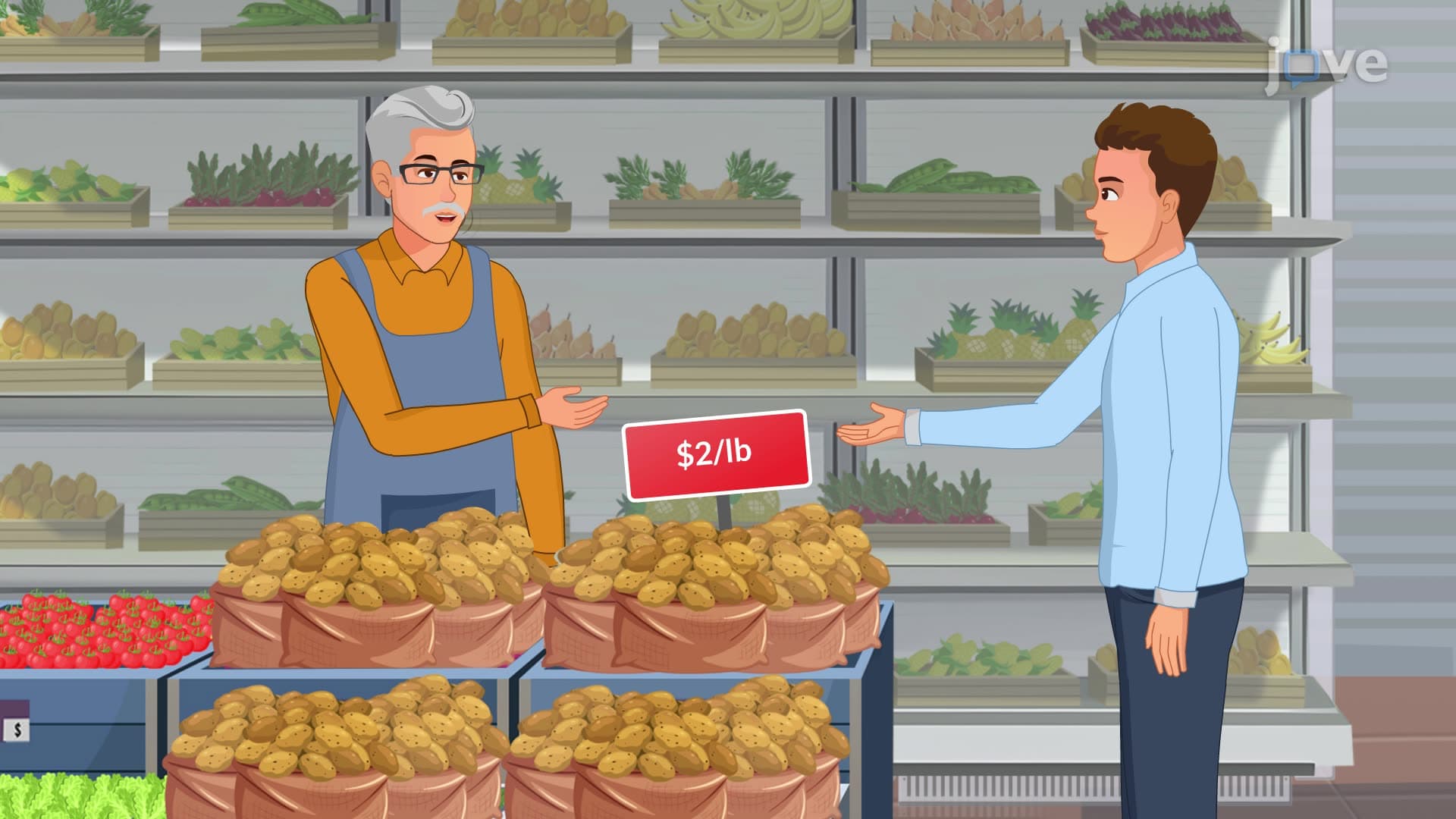
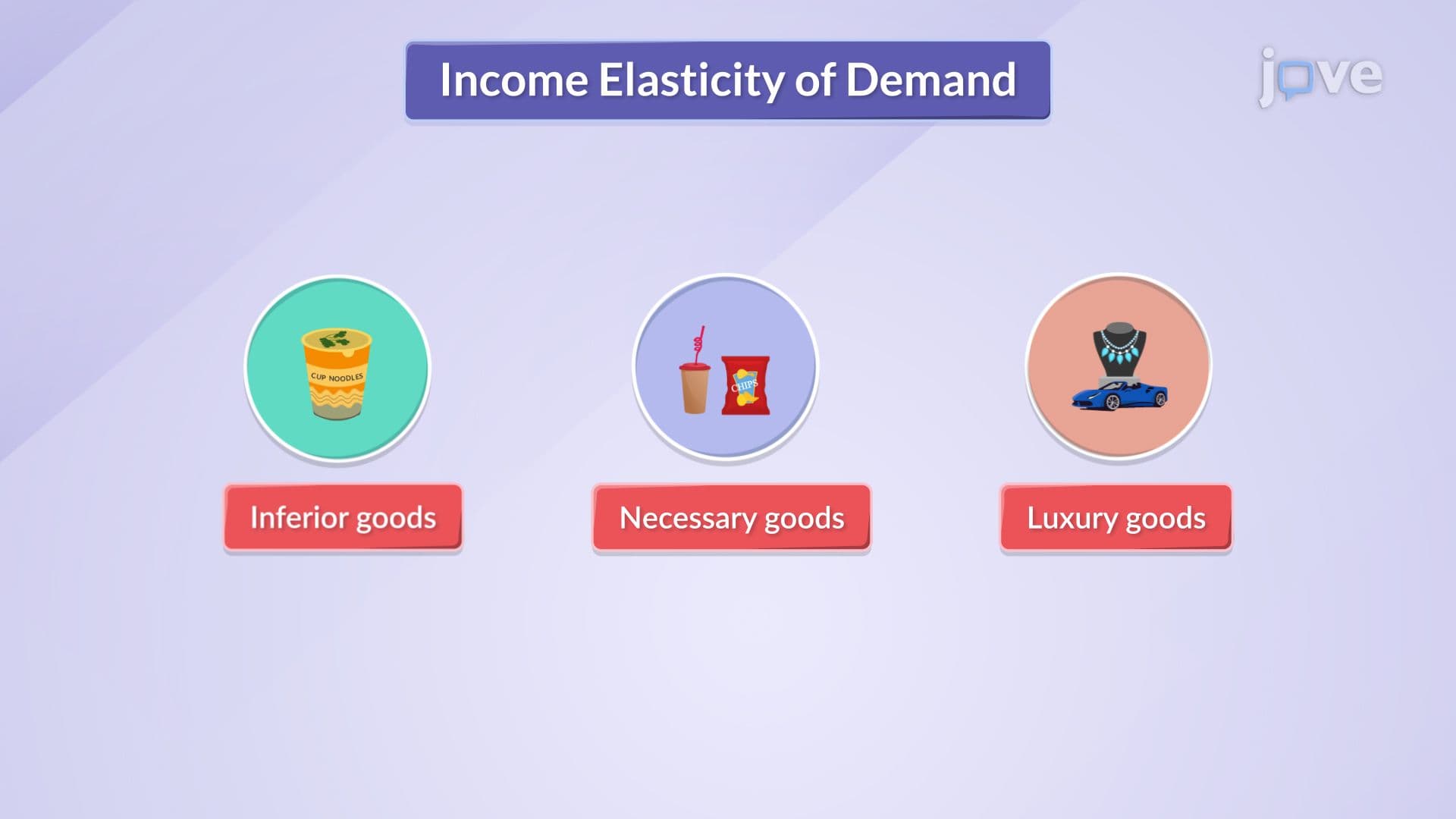
Necessities represent goods and services essential for basic survival and daily functioning. In the US market, these include staple foods like rice, eggs, and cooking oil, basic utilities such as natural gas and water service, prescription medications, and essential transportation fuel. When Walmart raises bread prices by 15%, most families continue purchasing similar quantities because alternatives are limited and the need remains constant.
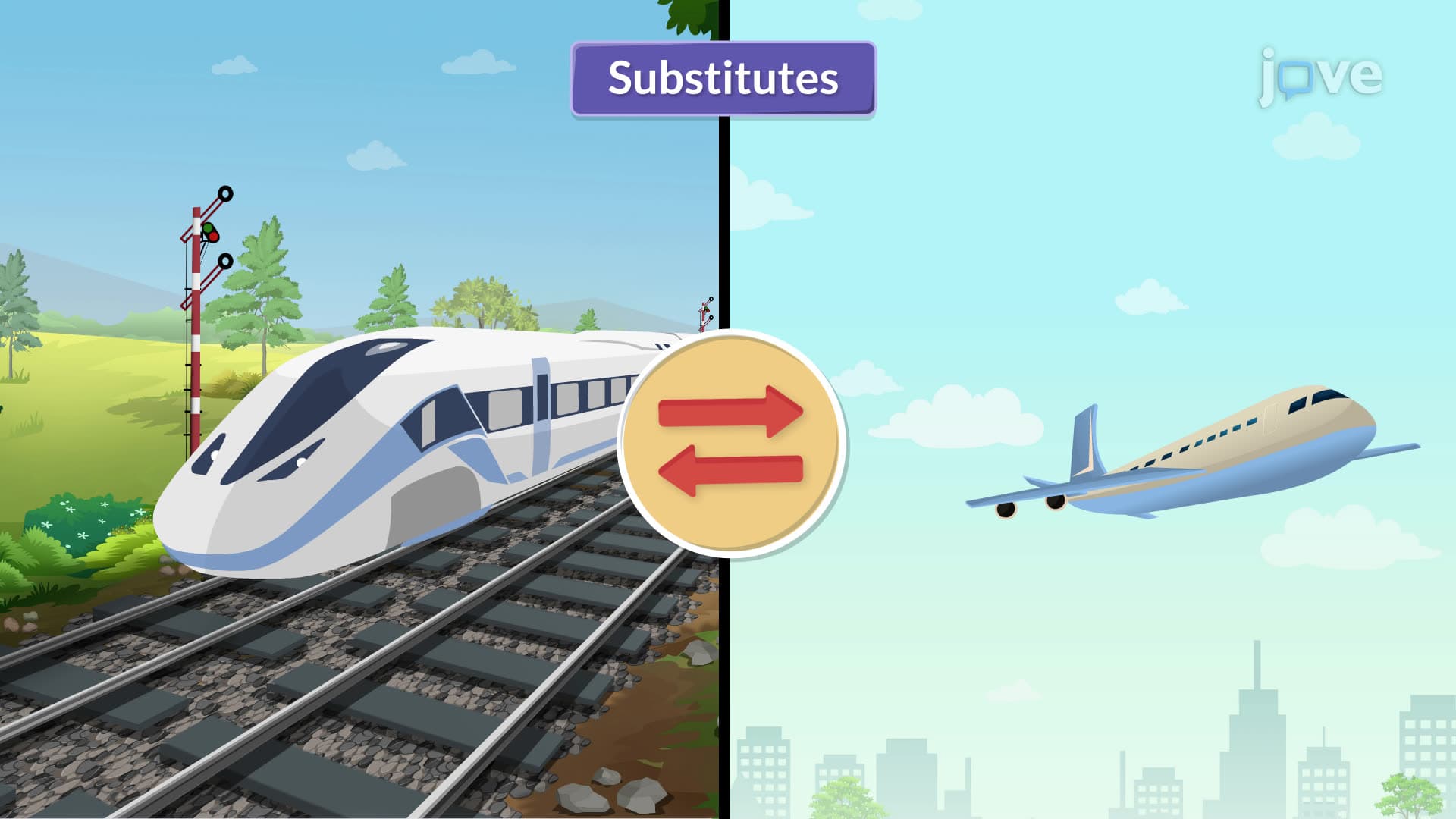
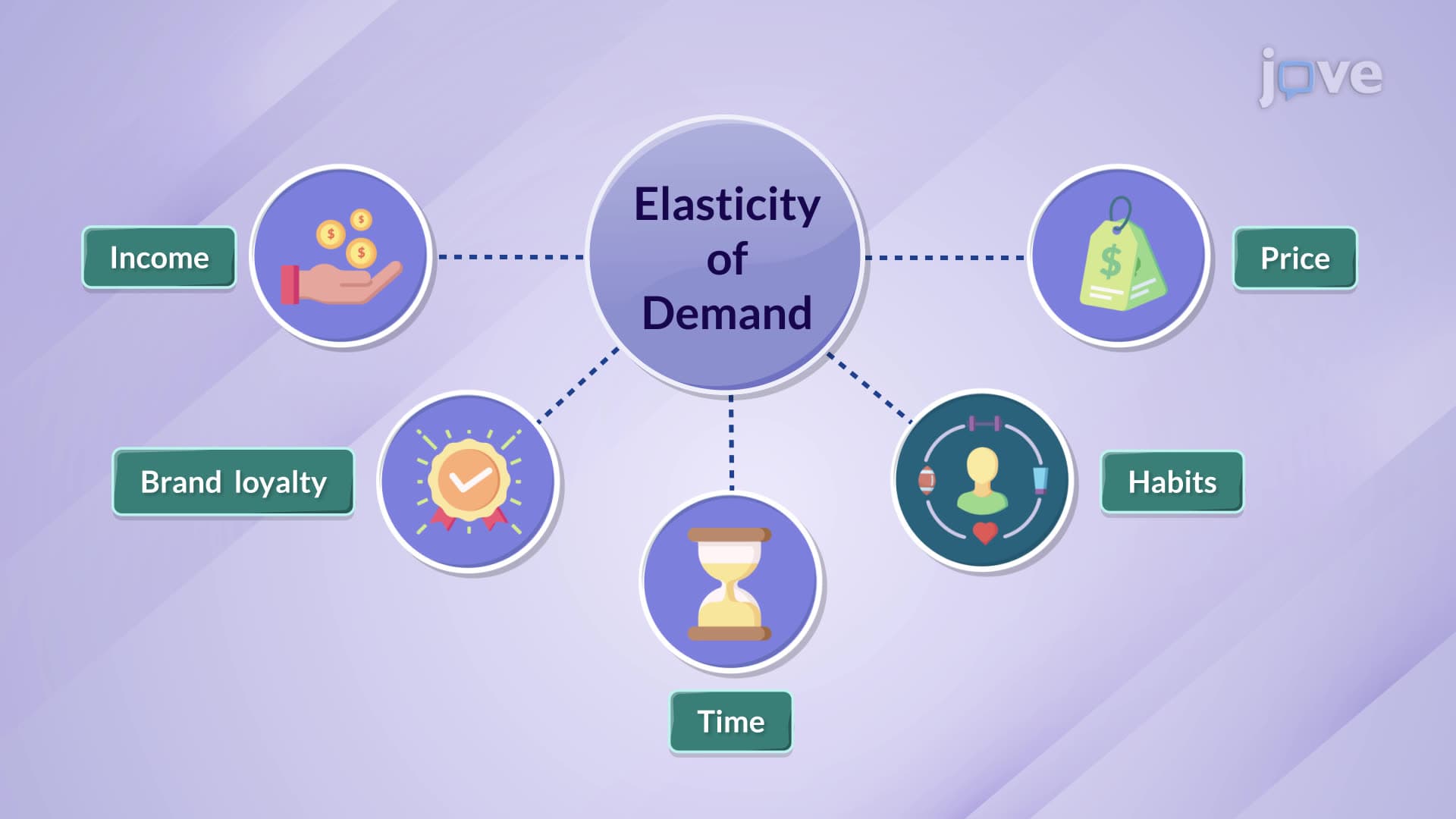
This inelastic behavior occurs because necessities possess several key characteristics: few viable substitutes exist, they represent a small portion of total household budgets, and consumption cannot be easily delayed. For AP Economics students, understanding this concept is crucial for analyzing market dynamics and predicting consumer responses during economic fluctuations.
Luxury goods encompass non-essential items purchased primarily for comfort, status, or enjoyment. The US luxury market includes premium automobiles like Tesla Model S vehicles, high-end electronics such as the latest iPhone Pro models, designer fashion from brands like Coach or Michael Kors, fine dining experiences, and leisure travel to destinations like Hawaii or Europe.
When luxury prices increase significantly, consumers readily postpone or eliminate these purchases. If Apple increases iPhone prices by 25%, many consumers will extend their current phone's lifespan or choose less expensive alternatives. This elastic response stems from the availability of substitutes, the discretionary nature of these purchases, and their substantial impact on household budgets.
Consumer income levels dramatically influence price sensitivity across all product categories. High-income households earning over $100,000 annually demonstrate less price sensitivity even for luxury goods, while middle and lower-income families show heightened sensitivity to price changes across both necessities and luxuries. This relationship proves particularly relevant for college students studying microeconomics, as it explains market segmentation strategies employed by major US retailers like Target versus Nordstrom.
Related Micro-courses