Loading subject page…


13,776 views

Video Summary: Effect of Substitutes on the Demand Curve
Ever wonder why Uber rides spike in price during subway delays? The effect of substitutes on the demand curve explains how alternative products dramatically shift consumer behavior and market demand. When New York's subway fares increased in 2023, rideshare apps like Uber and Lyft experienced immediate demand surges, perfectly illustrating how substitute pricing creates predictable market shifts. Understanding the Effect of Substitutes on the Demand Curve helps explain these everyday economic phenomena that shape pricing strategies across industries. Watch the full video on JoVE Coach to master this concept with expert-led visuals and step-by-step explanations.
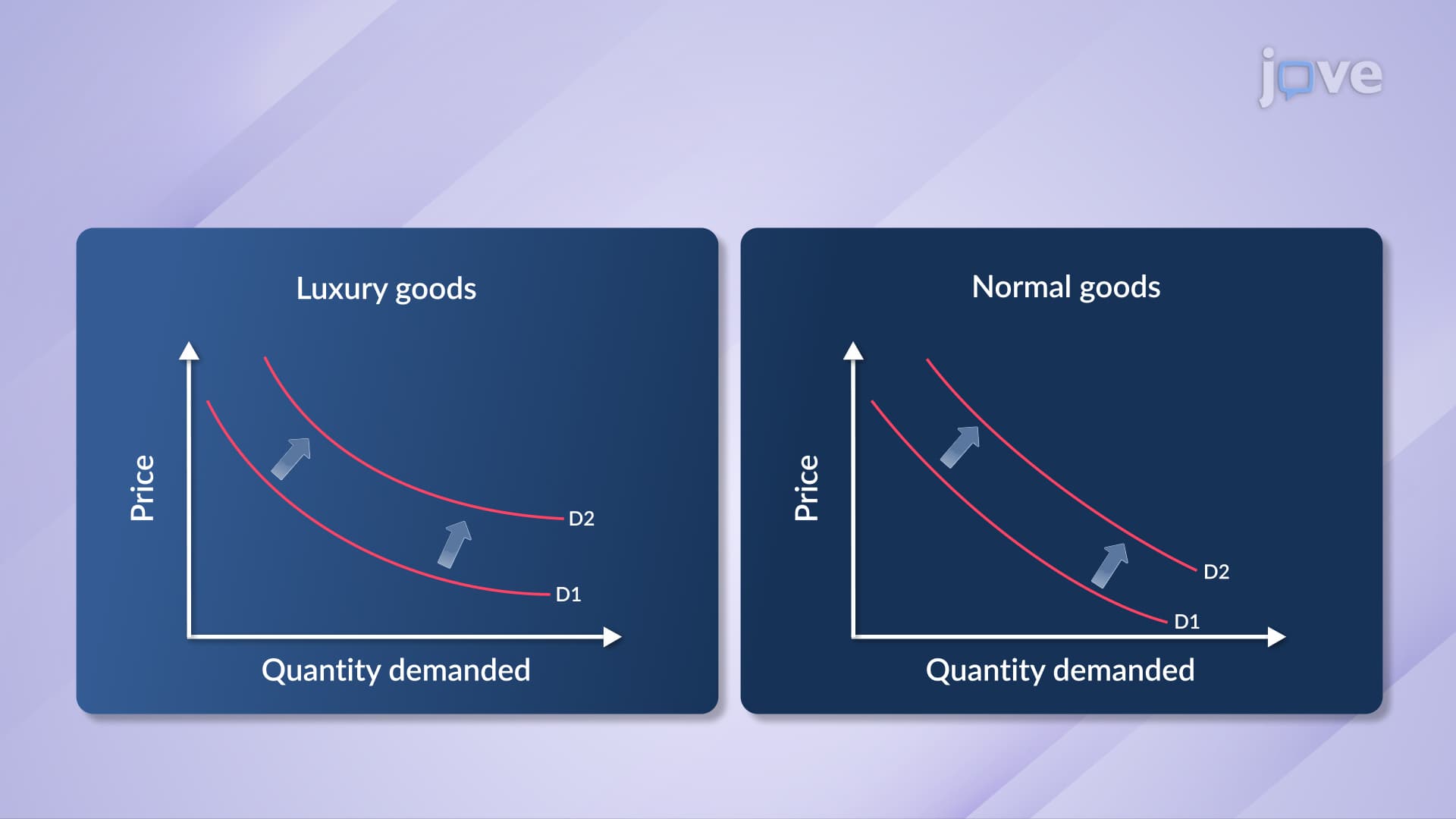
The effect of substitutes on the demand curve represents one of the fundamental demand shifters in microeconomic theory. Unlike movements along a single demand curve caused by price changes of the good itself, substitute effects create entirely new demand curves by shifting the relationship between price and quantity demanded. This concept explains why Netflix subscriptions surged when cable TV prices increased, or why electric vehicle sales accelerated as gasoline prices reached historic highs in 2022.
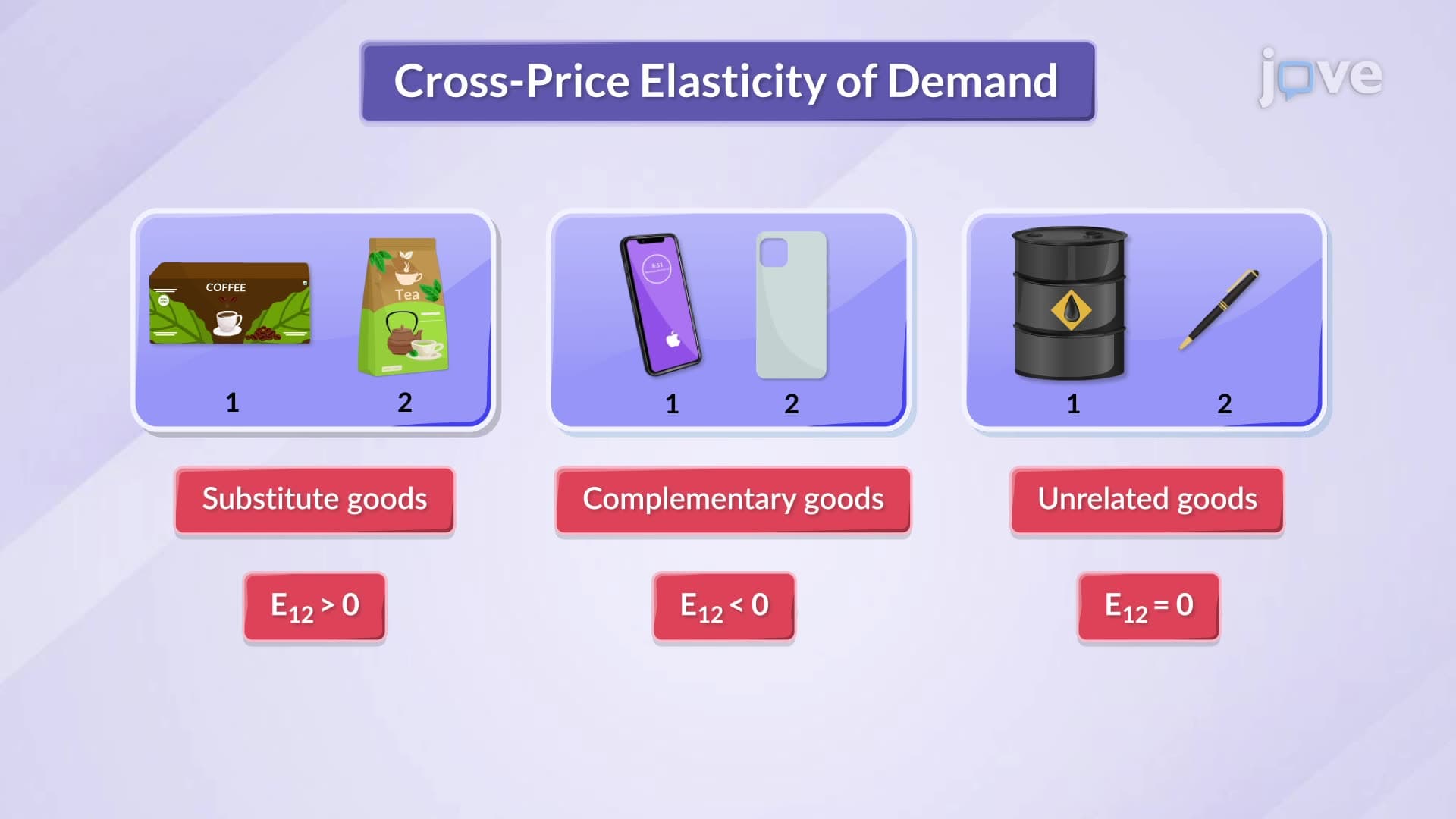
When analyzing substitute effects, economists focus on cross-price elasticity-the responsiveness of one good's demand to another good's price changes. Perfect substitutes create dramatic shifts: if Coca-Cola raises prices significantly while Pepsi maintains stable pricing, consumers switch brands rapidly, shifting Pepsi's demand curve rightward while Coca-Cola's shifts leftward. The degree of substitutability determines shift magnitude. Close substitutes like different smartphone brands create larger shifts than distant substitutes like cars versus motorcycles.
This relationship becomes crucial for AP Economics students, as exam questions frequently test understanding of demand shifters versus movements along existing curves. Remember: price changes of the good itself cause movements along the curve, while substitute price changes shift the entire curve's position.
Consider the streaming entertainment industry, where substitute effects constantly reshape demand patterns. When Disney+ launched at $6.99 monthly while Netflix charged $15.99, many consumers substituted services, shifting demand curves across the industry. Similarly, the rise of food delivery apps created substitute relationships between restaurant dining and home delivery, fundamentally altering demand patterns during the COVID-19 pandemic.
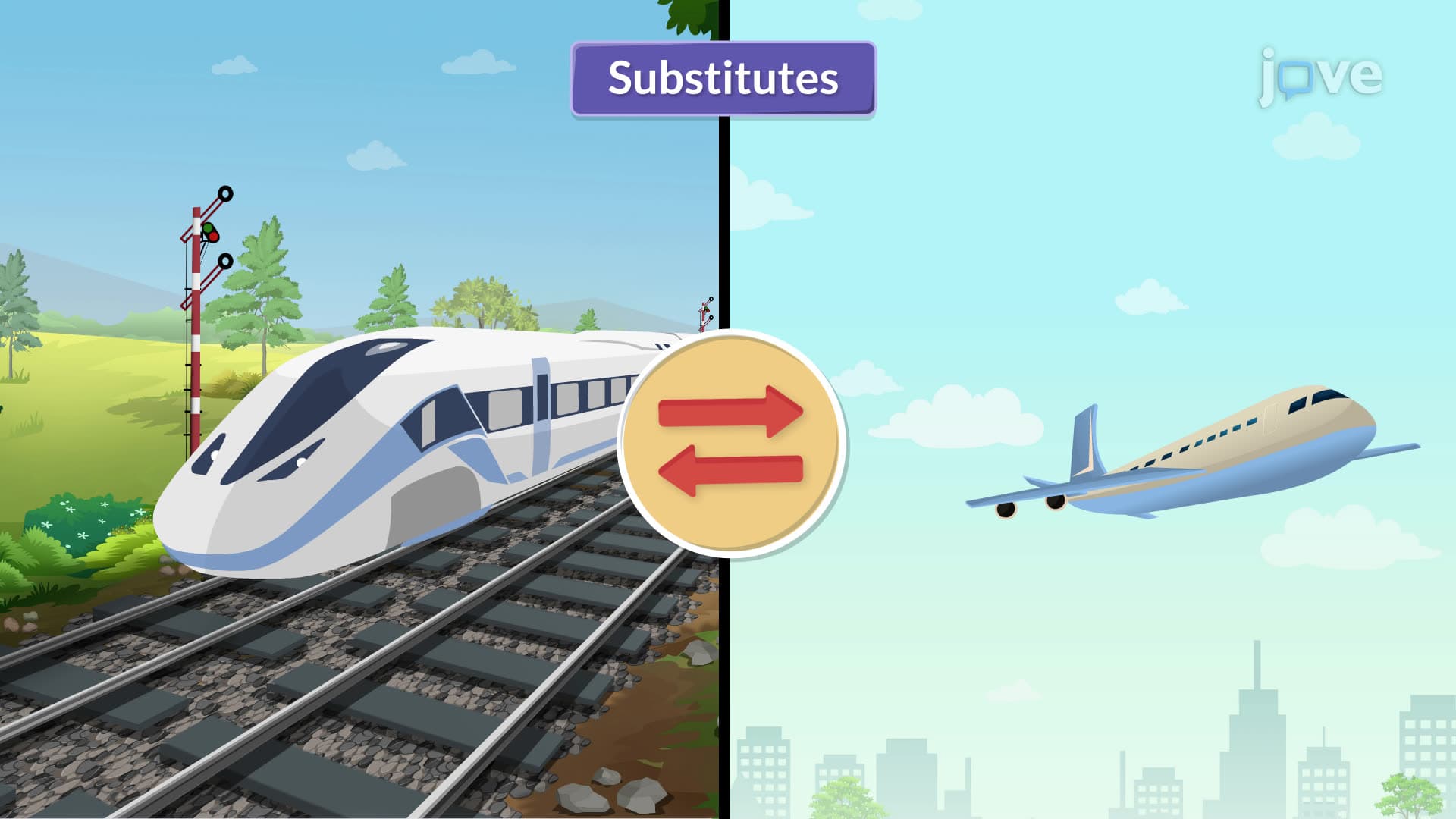
Transportation markets provide classic examples taught in college microeconomics courses. Amtrak ridership increases significantly when airline prices spike, demonstrating clear substitute effects. In metropolitan areas, ride-sharing services like Uber serve as substitutes for taxi services, public transportation, and even personal vehicle ownership, creating complex demand interdependencies that city planners must consider.
Companies operating in markets with numerous substitutes must carefully monitor competitor pricing and product launches. Apple's iPhone pricing strategy considers Android alternatives, while McDonald's menu pricing accounts for Burger King, Wendy's, and local fast-food options. Understanding substitute effects helps businesses predict demand changes and optimize pricing strategies to maintain market share while maximizing revenue.
Related Micro-courses