Loading video…


 21 Concepts
 13.8K views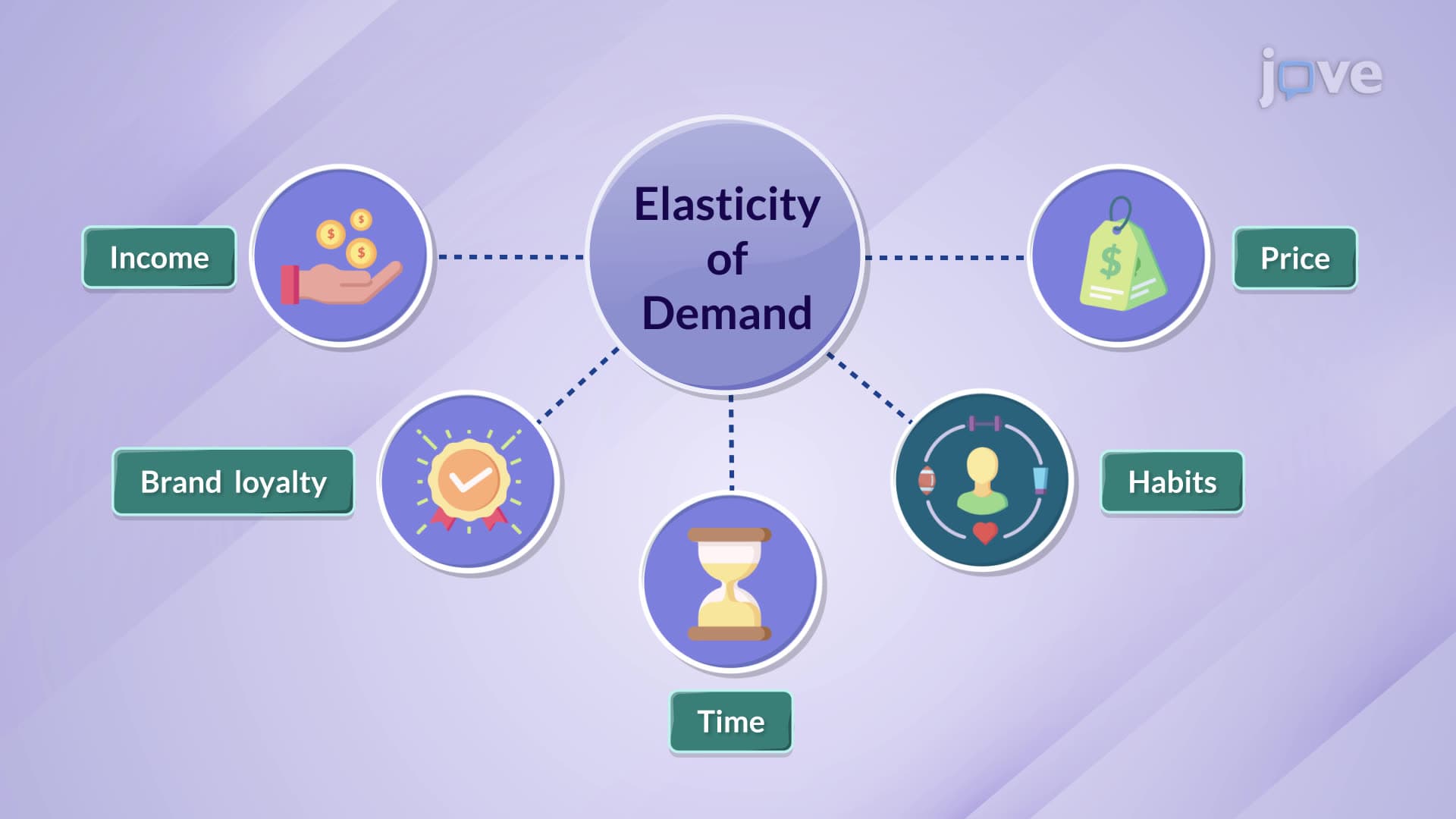

Video Summary: Effect of Time Horizon and Other Factors on Demand Elasticity
Ever wonder why gas prices skyrocket but people still fill up their tanks? The effect of time horizon and other factors on demand elasticity explains this puzzling consumer behavior. In the short term, Americans show inelastic demand for gasoline-they must drive to work regardless of price spikes. However, over months or years, consumers adapt by purchasing hybrid vehicles or moving closer to employment centers, making long-term gas demand more elastic. Watch the full video on JoVE Coach to master this concept with expert-led visuals and step-by-step explanations.
Demand elasticity measures how responsive consumers are to price changes, but this responsiveness isn't constant-it shifts dramatically based on time horizons and psychological factors. This concept forms a cornerstone of microeconomic theory and appears frequently on AP Economics exams and college-level assessments.
The most significant factor affecting demand elasticity is time. In economic terms, we distinguish between short-run and long-run elasticity. Short-run demand tends to be inelastic because consumers have limited immediate alternatives and face switching costs. Consider the 2021-2022 gasoline price surge in the United States-despite prices exceeding $5 per gallon in California, daily commuters couldn't instantly change their transportation habits.
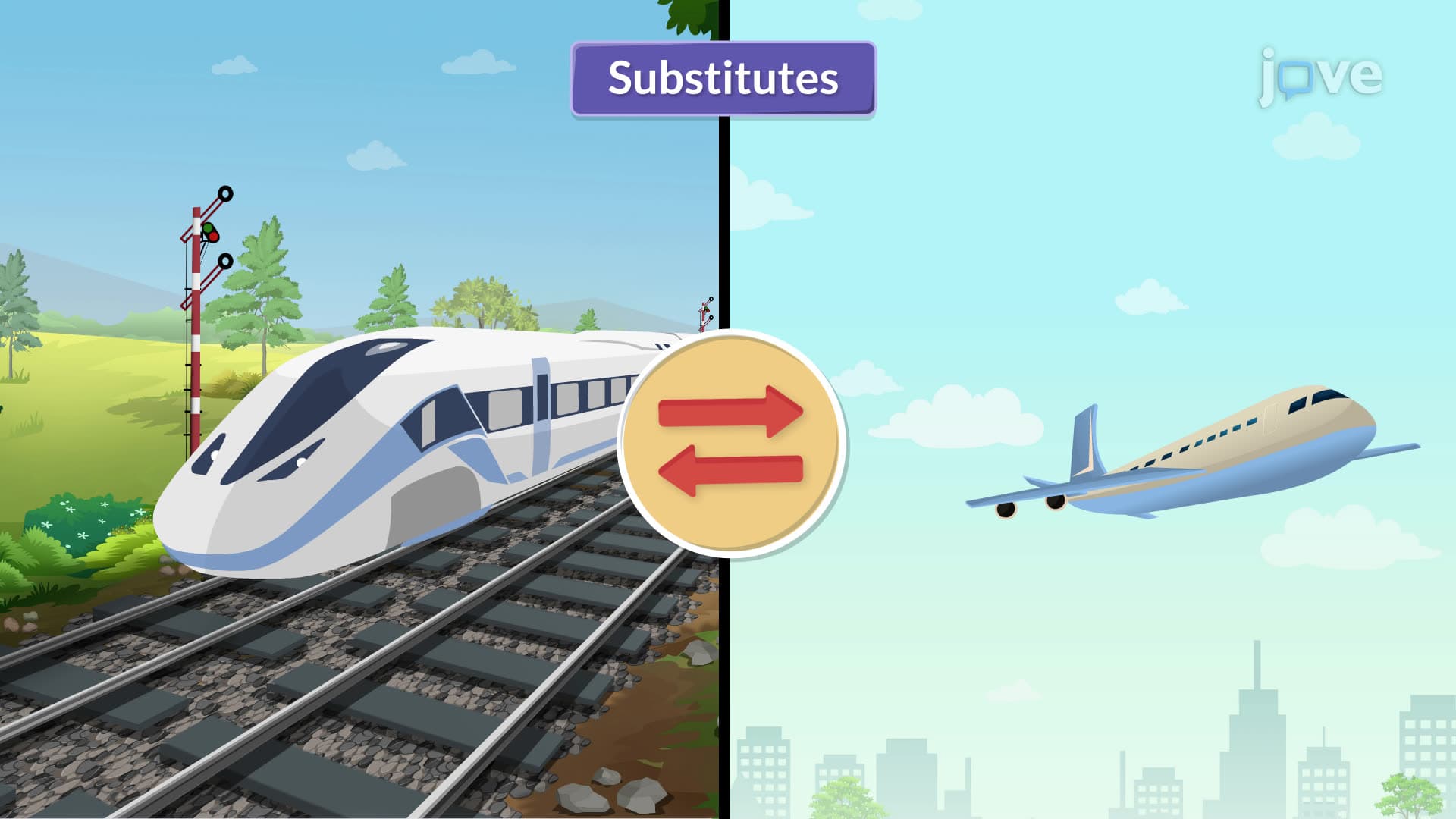
However, long-run demand becomes increasingly elastic as consumers develop alternatives. Over 12-18 months following high gas prices, American car buyers shifted toward hybrid and electric vehicles. Tesla's Model 3 became the best-selling luxury car in the U.S. partly due to this long-term elasticity response. Students preparing for standardized tests should remember this principle: elasticity increases with time as substitution possibilities expand.
Beyond time, several psychological factors significantly influence demand elasticity. Habit formation creates inelastic demand patterns that persist even when rational alternatives exist. The average American checks social media 144 times daily, creating such strong habitual demand for internet services that consumers rarely switch providers based solely on price.
Brand loyalty represents another powerful factor that reduces price sensitivity. Apple demonstrates this phenomenon exceptionally well-iPhone users show remarkably inelastic demand, with over 90% customer retention rates despite Android alternatives costing 30-50% less. This loyalty stems from ecosystem lock-in, social signaling, and perceived quality differences.
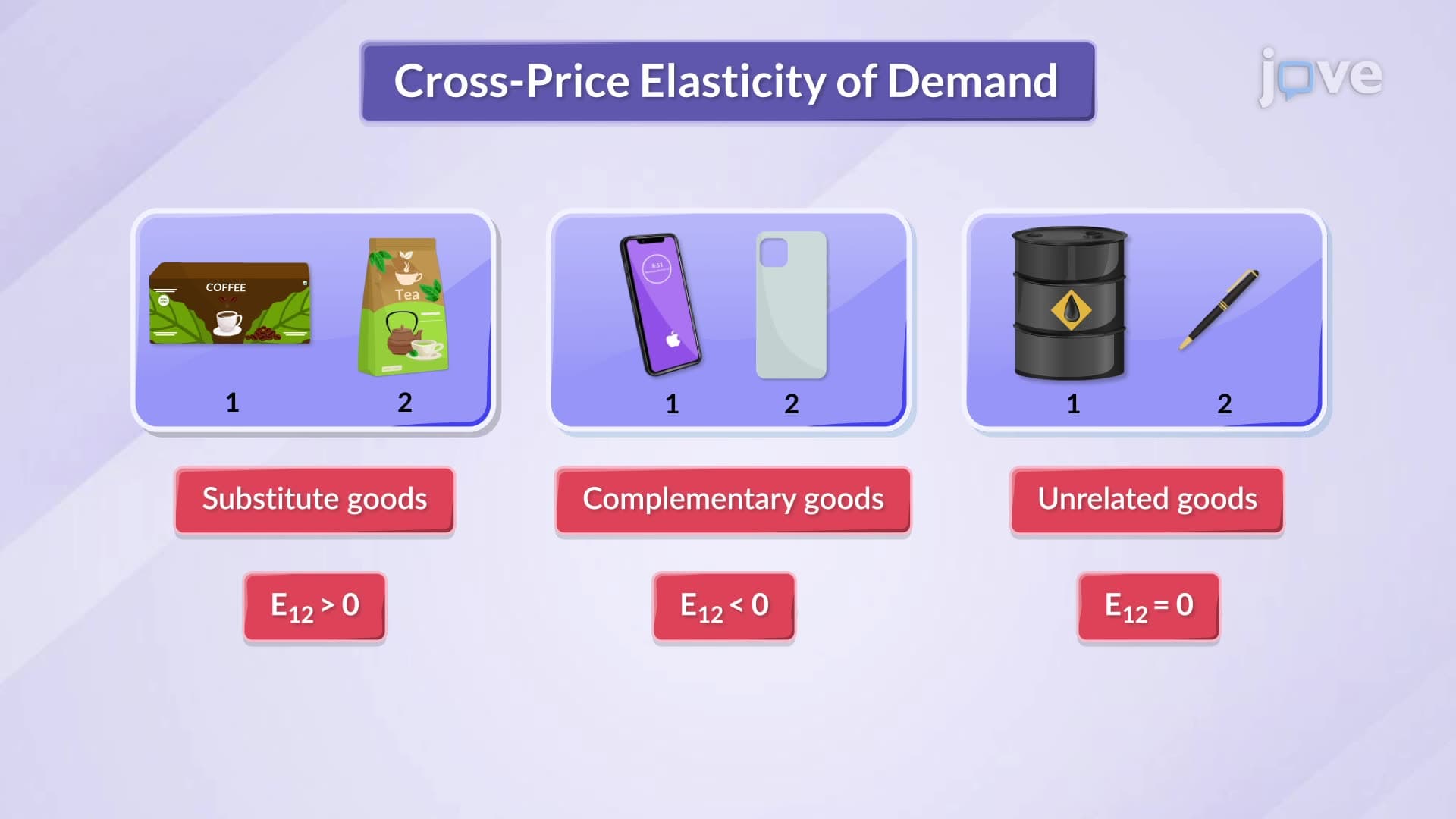
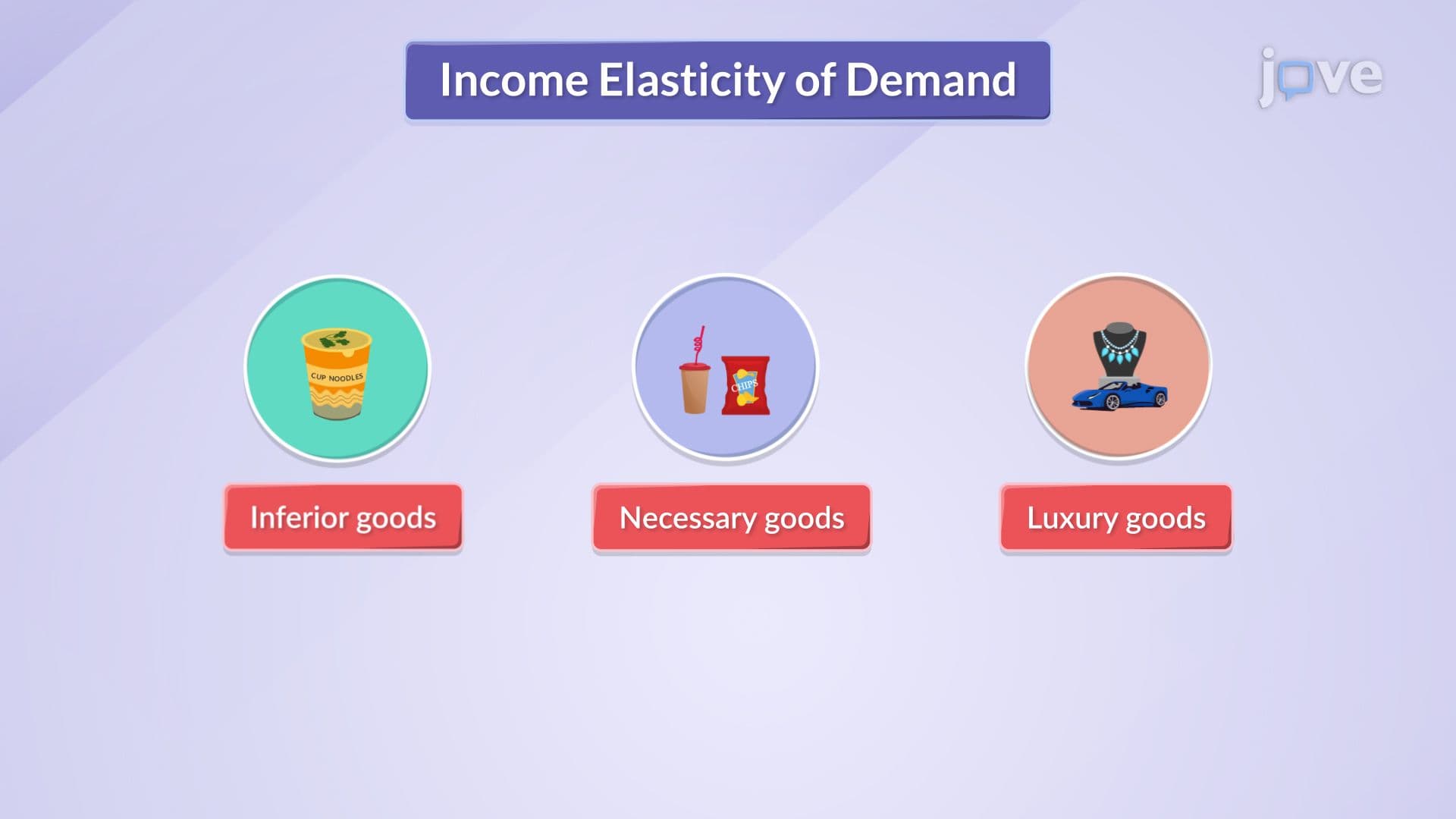
Understanding these elasticity factors proves crucial for success on economics exams and real-world applications. On AP Microeconomics tests, students frequently encounter elasticity scenarios involving necessities versus luxuries, short-term versus long-term responses, and the impact of available substitutes. College economics courses expand these concepts to include cross-price elasticity and income elasticity of demand.
For exam success, focus on identifying whether goods are necessities or luxuries, the availability of substitutes, and the time frame under consideration. Practice calculating elasticity coefficients and interpreting their economic significance in various market contexts.
Related Micro-courses