Loading subject page…


13,776 views

Video Summary: Income Effects on Demand Normal and Luxury Goods
Ever wonder why Tesla sales soar during economic booms but plummet during recessions? Income effects demand: normal goods behavior explains this fascinating economic phenomenon. When consumer incomes rise, demand for normal goods like smartphones increases, while luxury items like designer handbags experience even more dramatic surges. Understanding Income Effects on Demand: Normal and Luxury Goods reveals how spending patterns shift predictably with economic conditions, from everyday purchases at Target to splurges at high-end retailers. Watch the full video on JoVE Coach to master this concept with expert-led visuals and step-by-step explanations.
The relationship between consumer income and product demand forms a cornerstone of microeconomic theory, directly impacting everything from business strategy to government policy. When economists analyze how spending patterns change with income levels, they categorize goods based on their responsiveness to these fluctuations.
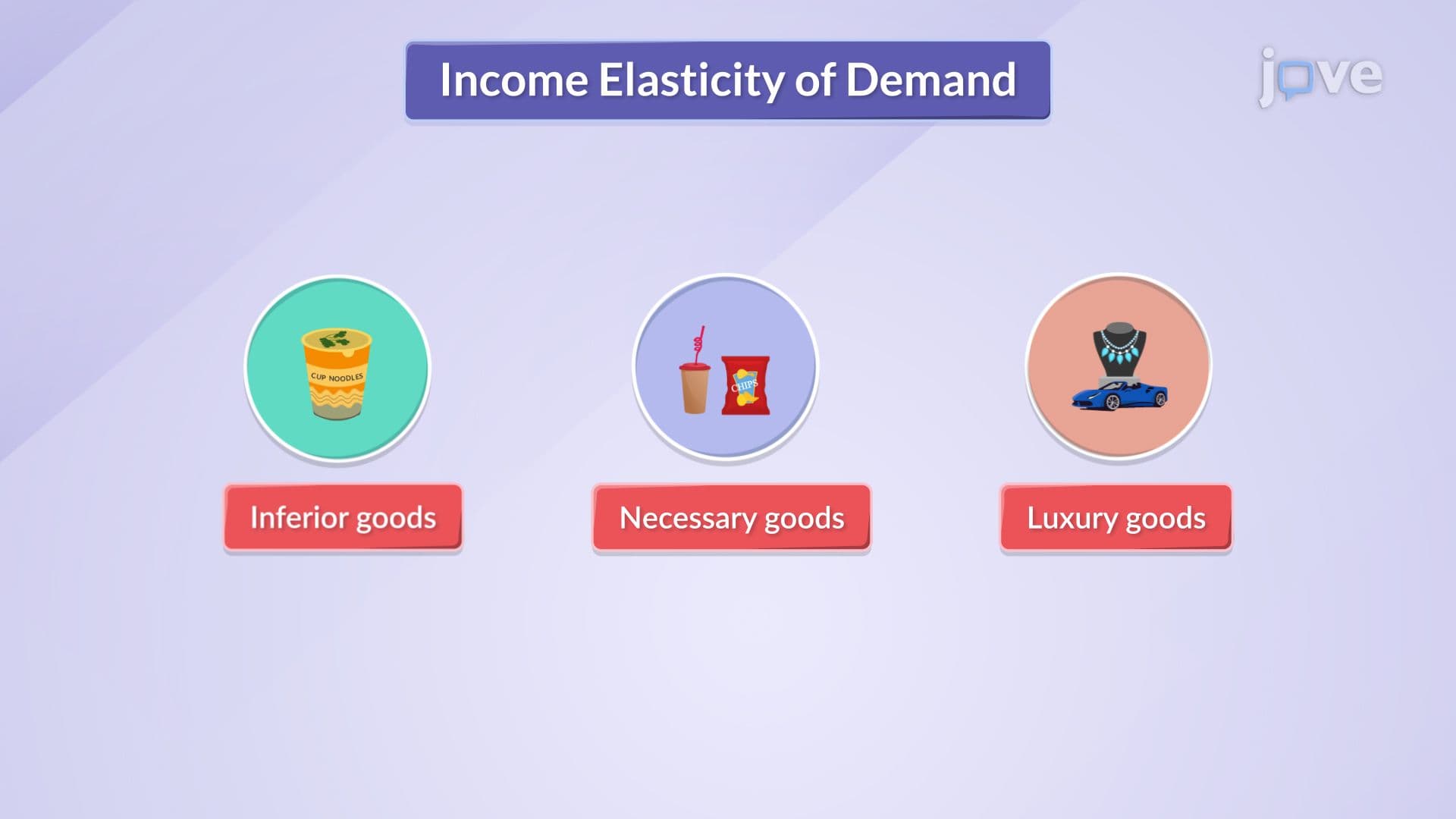
Normal goods represent the majority of products in the US economy, from groceries at Kroger to clothing at Macy's. These items demonstrate positive income elasticity, meaning demand increases proportionally with rising incomes. Consider the smartphone market: as American households experienced income growth from 2010-2019, iPhone sales consistently expanded, with consumers upgrading more frequently and choosing premium models with advanced features.
The mathematical relationship shows that when income rises by 10%, demand for normal goods typically increases by less than 10%. This moderate responsiveness makes normal goods relatively stable revenue sources for businesses, explaining why companies like Procter & Gamble focus heavily on everyday consumer products.
Luxury goods represent a specialized subset of normal goods with income elasticity greater than one. When affluent Americans' incomes increase by 10%, their spending on luxury items might surge by 20% or more. High-end retailers like Tiffany & Co. and Louis Vuitton experience dramatic sales fluctuations tied directly to economic conditions affecting their target demographic.
This amplified sensitivity creates both opportunities and risks. During the 2008 financial crisis, luxury car sales at brands like BMW and Mercedes-Benz plummeted far more severely than economy vehicle sales at Honda or Toyota. Conversely, the post-2016 economic expansion drove record luxury spending, benefiting companies from premium real estate to fine dining establishments.
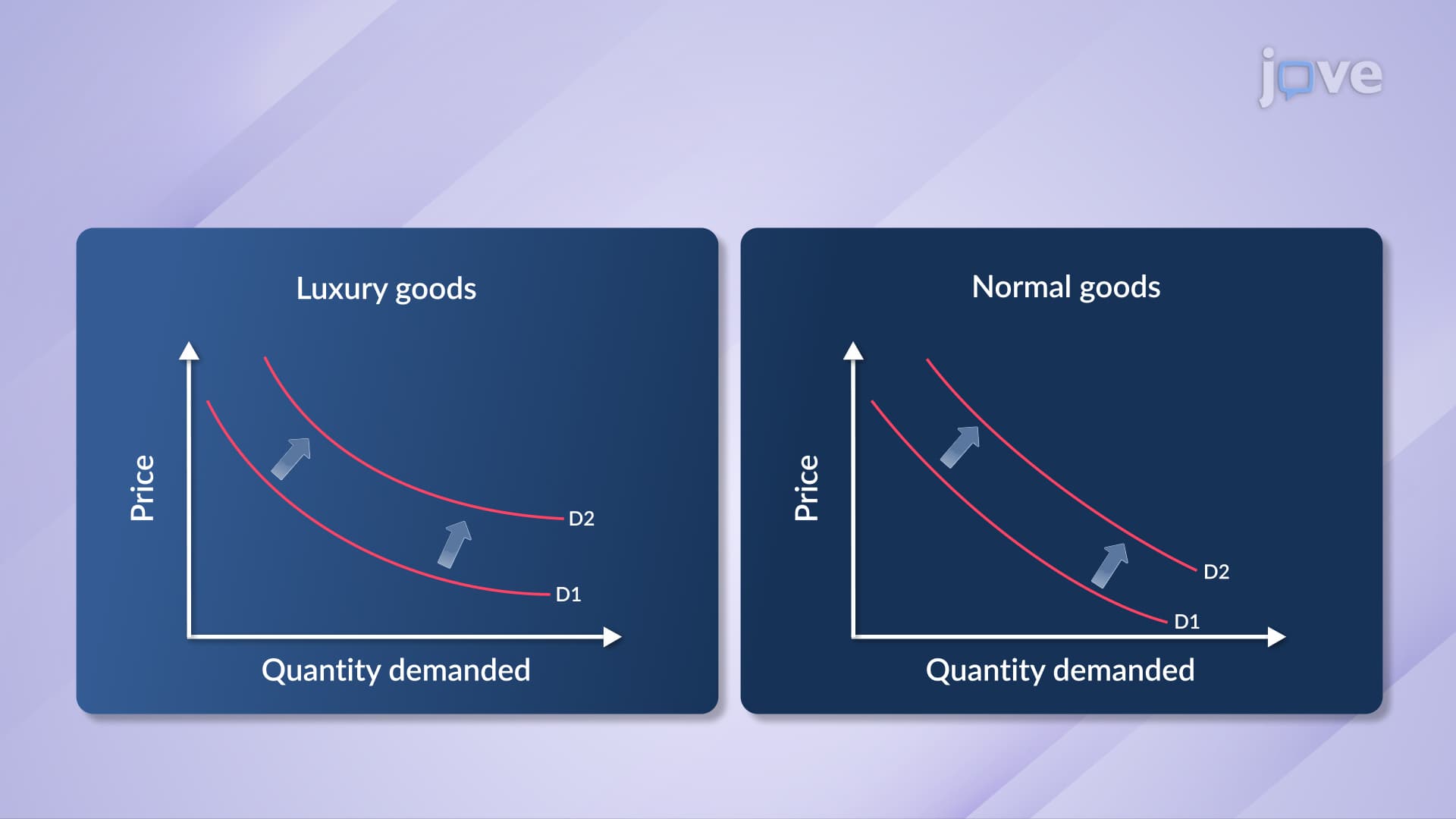
Students preparing for AP Economics exams should focus on graphical analysis, particularly demand curve shifts. When income increases, normal goods' demand curves shift rightward (increase), while inferior goods shift leftward. For luxury goods, these rightward shifts are more pronounced, creating steeper slopes in income-demand relationship graphs.
College-level microeconomics courses often test these concepts through real-world scenarios. Practice identifying whether products like organic foods (normal goods) or public transportation (potentially inferior goods) fit different categories based on target demographics and market behavior during economic cycles.
Related Micro-courses