Loading subject page…

- Microeconomics
- Demand and Its Elasticities
- Ed through Percentage Method
Micro-course: Demand and its Elasticities
13,776 views
Learn key concepts and earn your certificate.











Ed through Percentage Method

00:00
01:18
Video Summary: What Is Ed Through Percentage Method
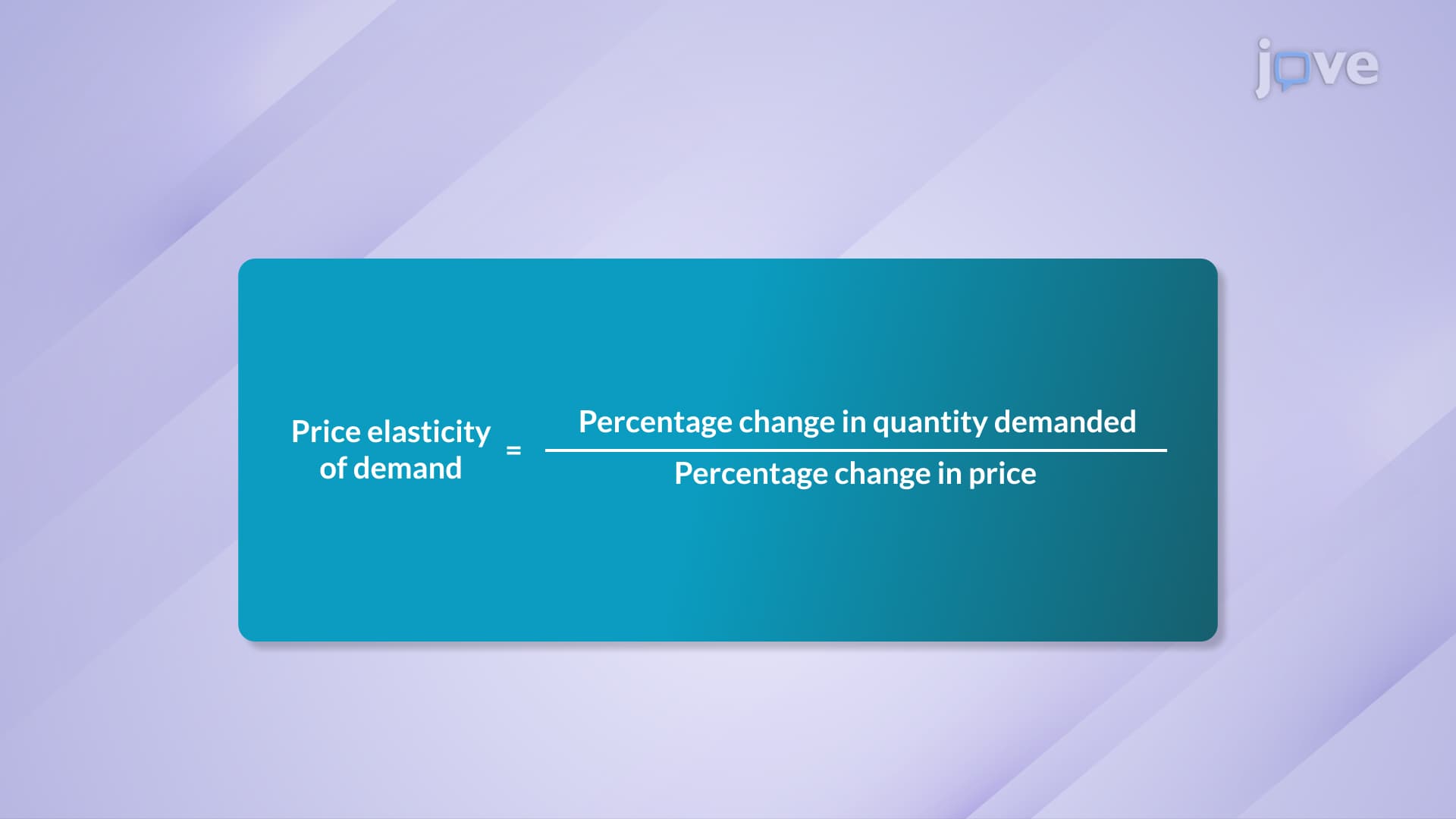
When gas prices jumped from $3.00 to $4.50 per gallon in 2022, why did some families barely change their driving habits while others immediately carpooled more? The ed through percentage method reveals this consumer behavior pattern by measuring how responsive quantity demanded is to price changes. Using a straightforward mathematical formula, this method calculates the percentage change in quantity demanded divided by the percentage change in price, helping economists understand market dynamics. Watch the full video on JoVE Coach to master this concept with expert-led visuals and step-by-step explanations.
- Understand what is ed through percentage method and how it quantifies consumer responsiveness to price changes in economic markets
- Identify the mathematical components of price elasticity calculation using percentage changes in both quantity demanded and price
- Analyze real-world scenarios where the ed through percentage method reveals consumer behavior patterns across different product categories
- Apply the percentage method formula to solve numerical problems involving price and quantity data from market situations
- Evaluate elasticity coefficients to determine whether demand is elastic, inelastic, or unit elastic for specific goods and services
- Compare how different products exhibit varying levels of price sensitivity using calculated elasticity values
- Recognize the inverse relationship between price and quantity demanded as reflected in negative elasticity coefficients
- Explore practical applications of elasticity measurements in business pricing strategies and government policy decisions
Understanding What is Ed Through Percentage Method
The ed through percentage method represents a fundamental approach to measuring price elasticity of demand in economics. This method provides a standardized way to quantify how consumers respond to price changes by expressing both price and quantity changes as percentages. Unlike simple ratio calculations, the percentage method eliminates units of measurement, making it possible to compare elasticity across different products and markets.
The mathematical foundation rests on the formula: Ed = (% Change in Quantity Demanded) ÷ (% Change in Price). This calculation always yields a negative value due to the law of demand, which states that price and quantity demanded move in opposite directions. However, economists often discuss elasticity in absolute terms, focusing on the magnitude rather than the sign.
Calculating Ed Through Percentage Method Step-by-Step
The ed through percentage method definition explained involves three key computational steps. First, calculate the percentage change in quantity demanded using the formula: [(New Quantity - Original Quantity) ÷ Original Quantity] × 100. Second, determine the percentage change in price using: [(New Price - Original Price) ÷ Original Price] × 100. Finally, divide the percentage change in quantity by the percentage change in price to obtain the elasticity coefficient.
Consider Netflix's pricing strategy in 2019 when they raised subscription prices from $10.99 to $12.99 monthly. If subscriber numbers dropped from 60 million to 58 million users, the calculation would show: [(58-60) ÷ 60] × 100 = -3.33% change in quantity, and [(12.99-10.99) ÷ 10.99] × 100 = 18.2% change in price. The elasticity coefficient equals -3.33 ÷ 18.2 = -0.18, indicating inelastic demand.
Interpreting Ed Through Percentage Method Results
Understanding ed through percentage method concept explained requires recognizing three elasticity categories. When the absolute value is less than 1, demand is inelastic, meaning consumers are relatively unresponsive to price changes. Products like gasoline, prescription medications, and basic utilities typically exhibit inelastic demand. When elasticity equals exactly 1, demand is unit elastic, representing proportional responsiveness. When elasticity exceeds 1, demand is elastic, indicating high consumer sensitivity to price changes.
Real-World Applications in US Markets
The ed through percentage method appears frequently in AP Economics exams, college microeconomics courses, and SAT Subject Tests. Students encounter problems involving everything from Starbucks coffee pricing to iPhone sales data. Understanding this concept proves essential for business majors analyzing market research, pre-med students preparing for MCAT economics sections, and anyone studying consumer behavior patterns in American markets.
Frequently Asked Questions
The ed through percentage method measures how much the quantity demanded of a product changes when its price changes, expressed as percentages. It's calculated by dividing the percentage change in quantity demanded by the percentage change in price. This method helps economists and businesses understand consumer sensitivity to price fluctuations across different markets.
AP Economics exams frequently test this concept through calculation problems and graph interpretation questions. Students must calculate elasticity coefficients, classify demand as elastic or inelastic, and explain business implications. The College Board typically includes 2-3 questions involving percentage method calculations on both the AP Microeconomics and Macroeconomics exams.
Students often forget to convert decimal changes into percentages before dividing, leading to incorrect elasticity coefficients. Another frequent error involves misinterpreting negative values, not realizing that economists focus on absolute values when classifying elasticity. Practice problems from SAT Subject Tests and college microeconomics textbooks help avoid these computational errors.
When McDonald's raised Big Mac prices from $5.50 to $6.00 (9% increase) in major US cities during 2023, sales dropped from 1,000 to 950 units daily (5% decrease). The elasticity calculation shows: -5% ÷ 9% = -0.56, indicating inelastic demand. This data helps McDonald's understand that customers remain relatively loyal despite price increases.
Not at all - the ed through percentage method requires only basic algebra and percentage calculations taught in middle school math. Students who can calculate percentage changes can master this concept with practice. The trickiest part involves interpreting results rather than performing calculations, making it accessible for grades 9-12 economics courses.
Practice with real market data from US companies like Amazon, Target, and Apple to make calculations meaningful. Create formula sheets with step-by-step processes and work through at least 10-15 problems involving different product categories. Focus on interpretation skills since exams test understanding, not just computational ability.
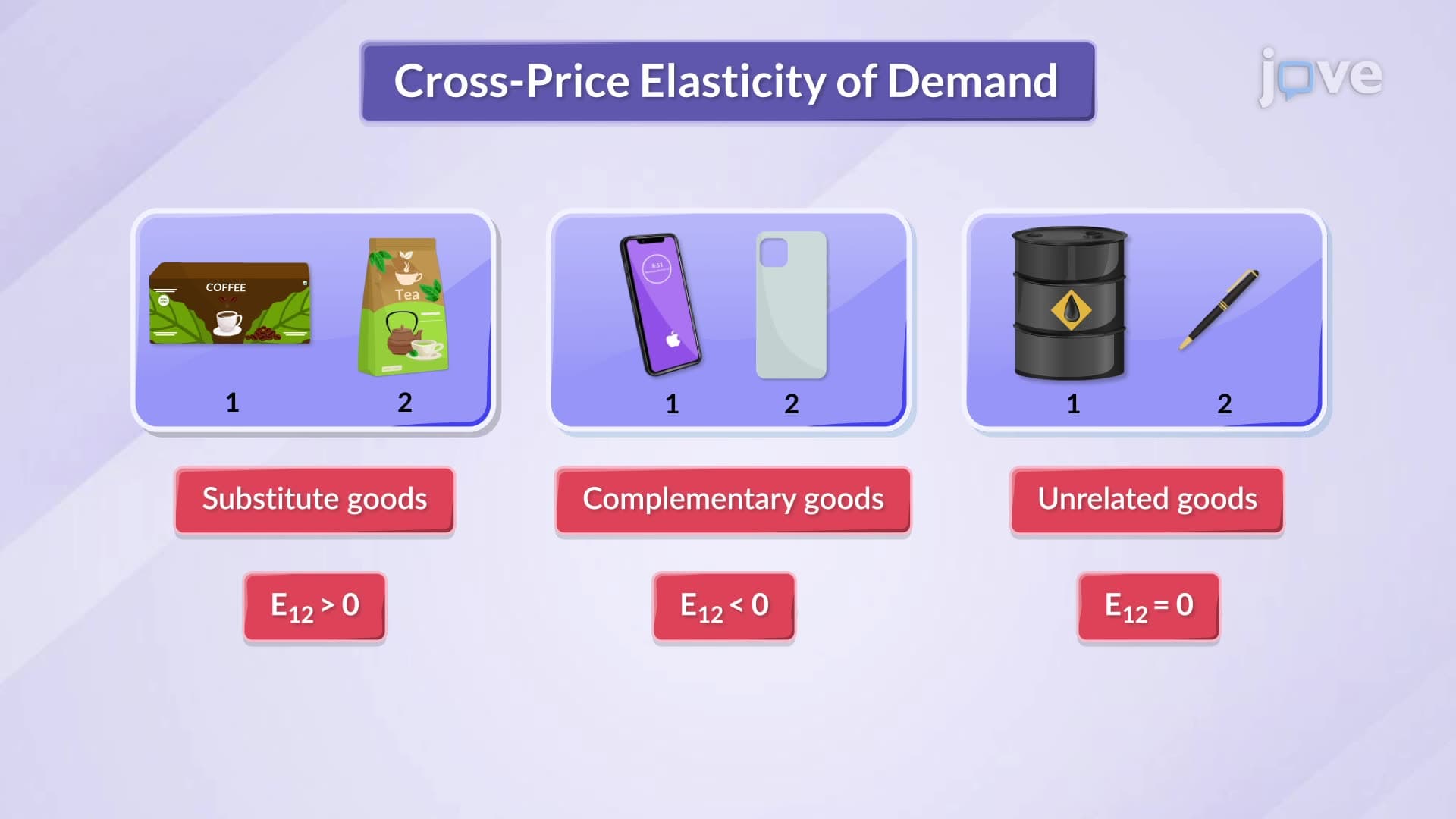
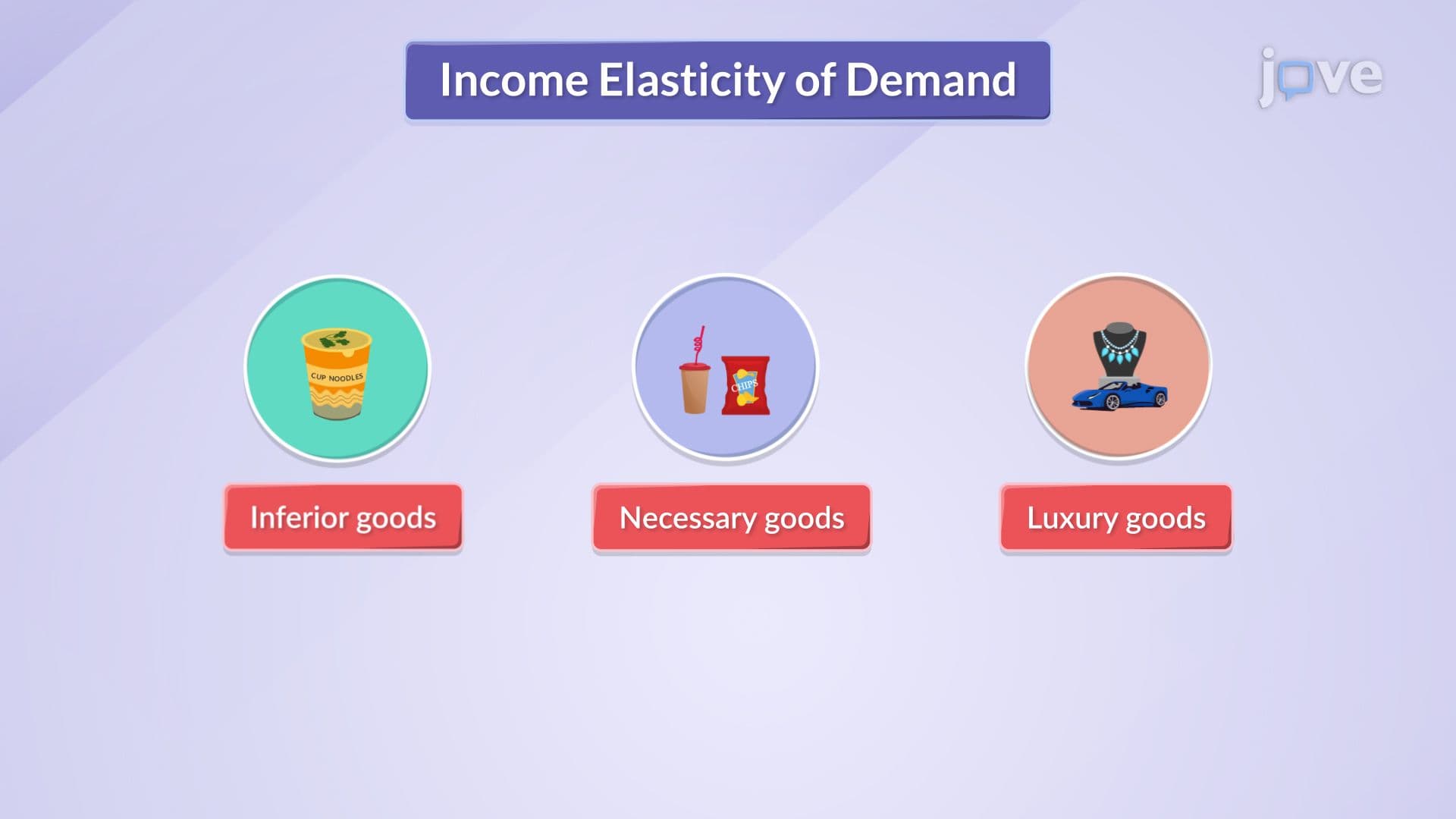
This method provides the foundation for studying consumer surplus, producer surplus, and market efficiency in advanced courses. It also connects to business applications like revenue optimization and pricing strategies. Students typically explore cross-price elasticity and income elasticity next, building on percentage method principles.
The percentage method eliminates unit dependencies, making comparisons possible across different products and markets. Whether analyzing gasoline consumption (measured in gallons) or streaming subscriptions (measured in accounts), percentages create standardized measurements. This universality makes the method essential for economic analysis and policy development.
Related Micro-courses