Loading subject page…


13,776 views

Video Summary: What Is Elasticity of Demand Ed
Ever wonder why Netflix can raise subscription prices without losing many customers, while luxury car sales plummet when prices increase? Elasticity of demand Ed measures exactly this phenomenon-how dramatically consumer purchasing behavior changes when prices shift. For instance, when Apple increases iPhone prices by 10%, sales might drop only 3%, demonstrating relatively inelastic demand. Understanding what is elasticity of demand Ed helps businesses like Amazon and Walmart optimize their pricing strategies to maximize revenue while maintaining customer loyalty. Watch the full video on JoVE Coach to master this concept with expert-led visuals and step-by-step explanations.
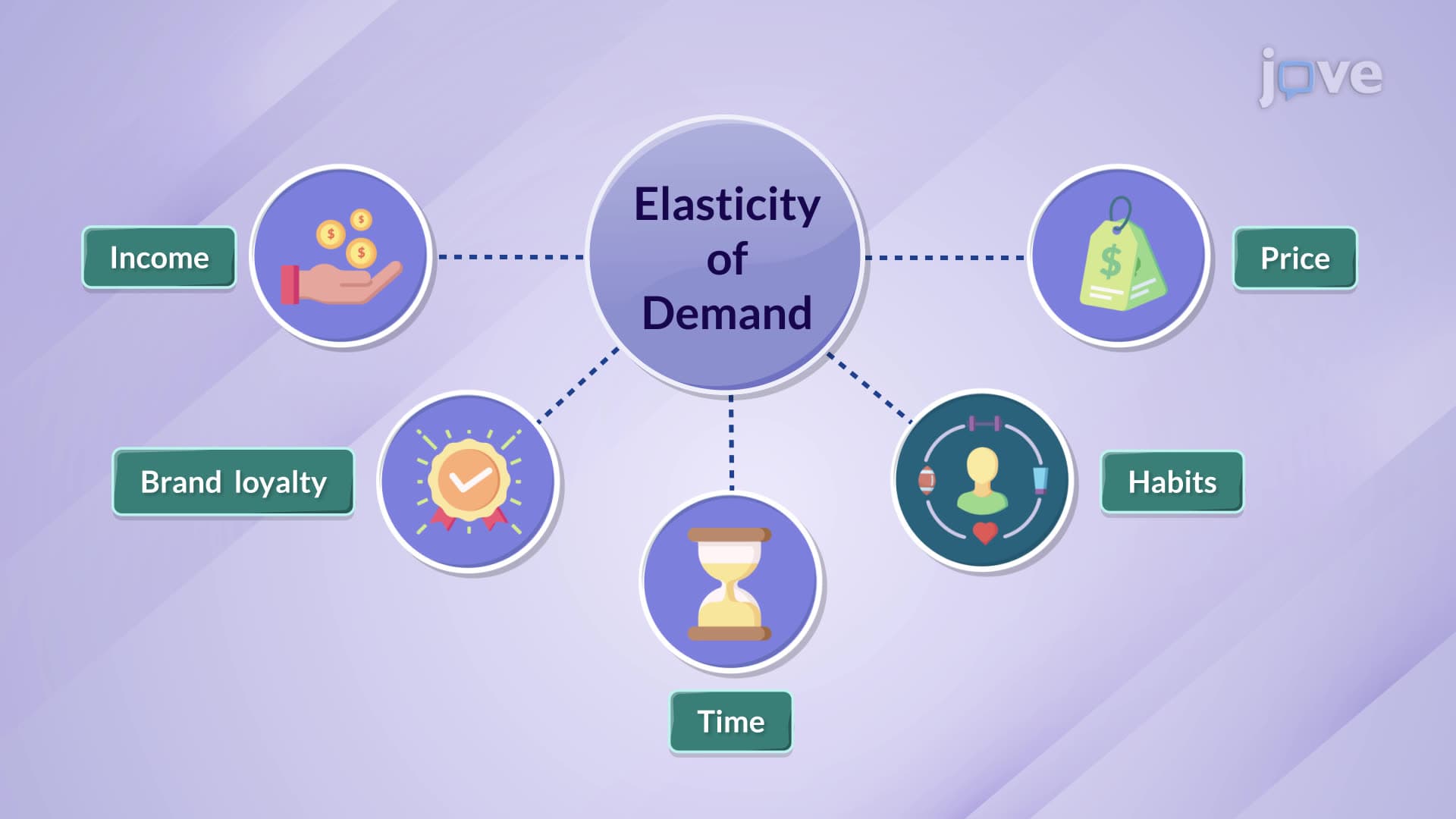
What is elasticity of demand Ed represents one of economics' most practical concepts, measuring how consumer purchasing decisions respond to price fluctuations. This fundamental principle helps explain why some businesses can adjust prices freely while others must proceed cautiously. The concept originated from economists' need to quantify consumer sensitivity, providing a numerical framework for understanding market behavior.
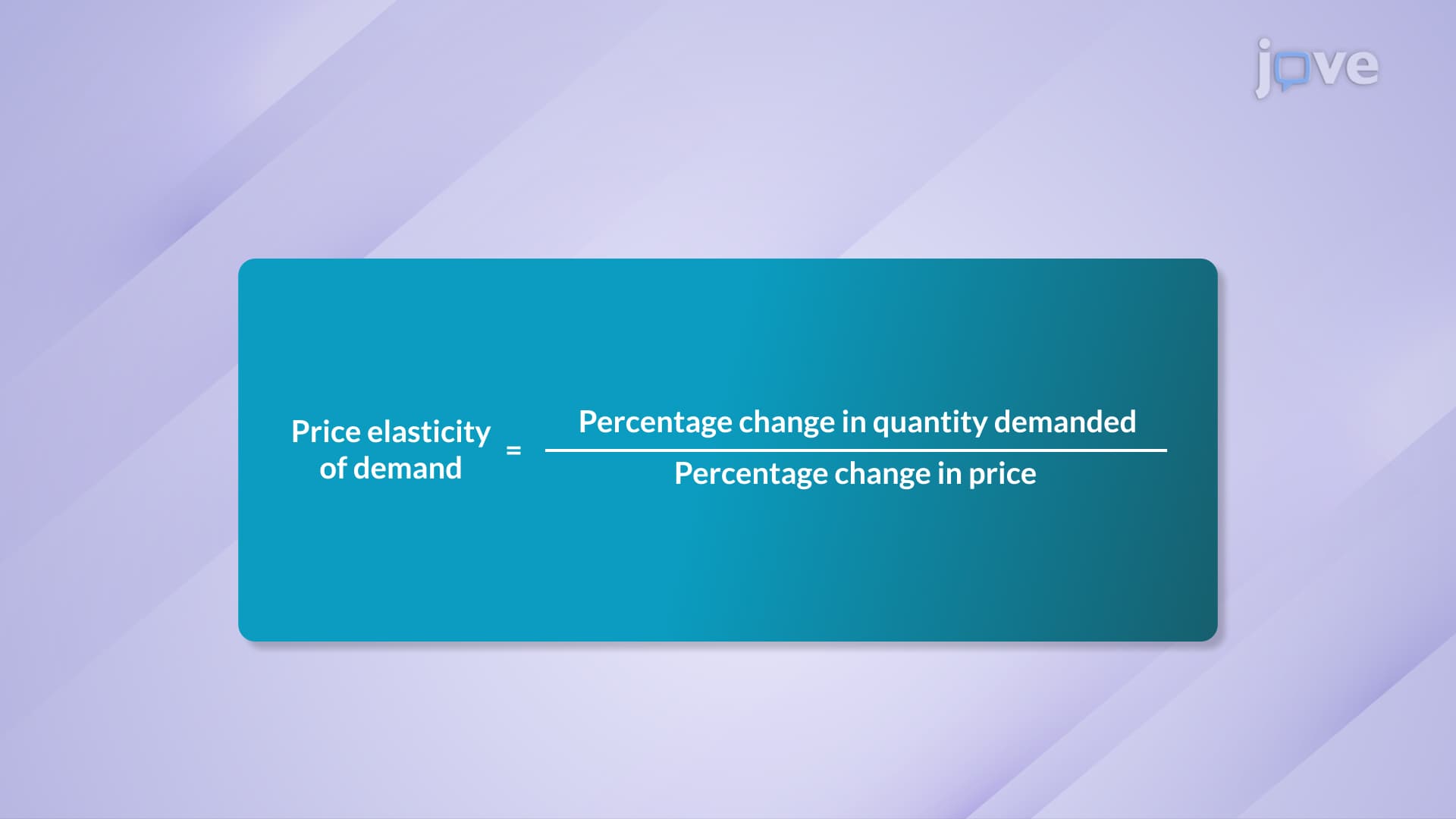
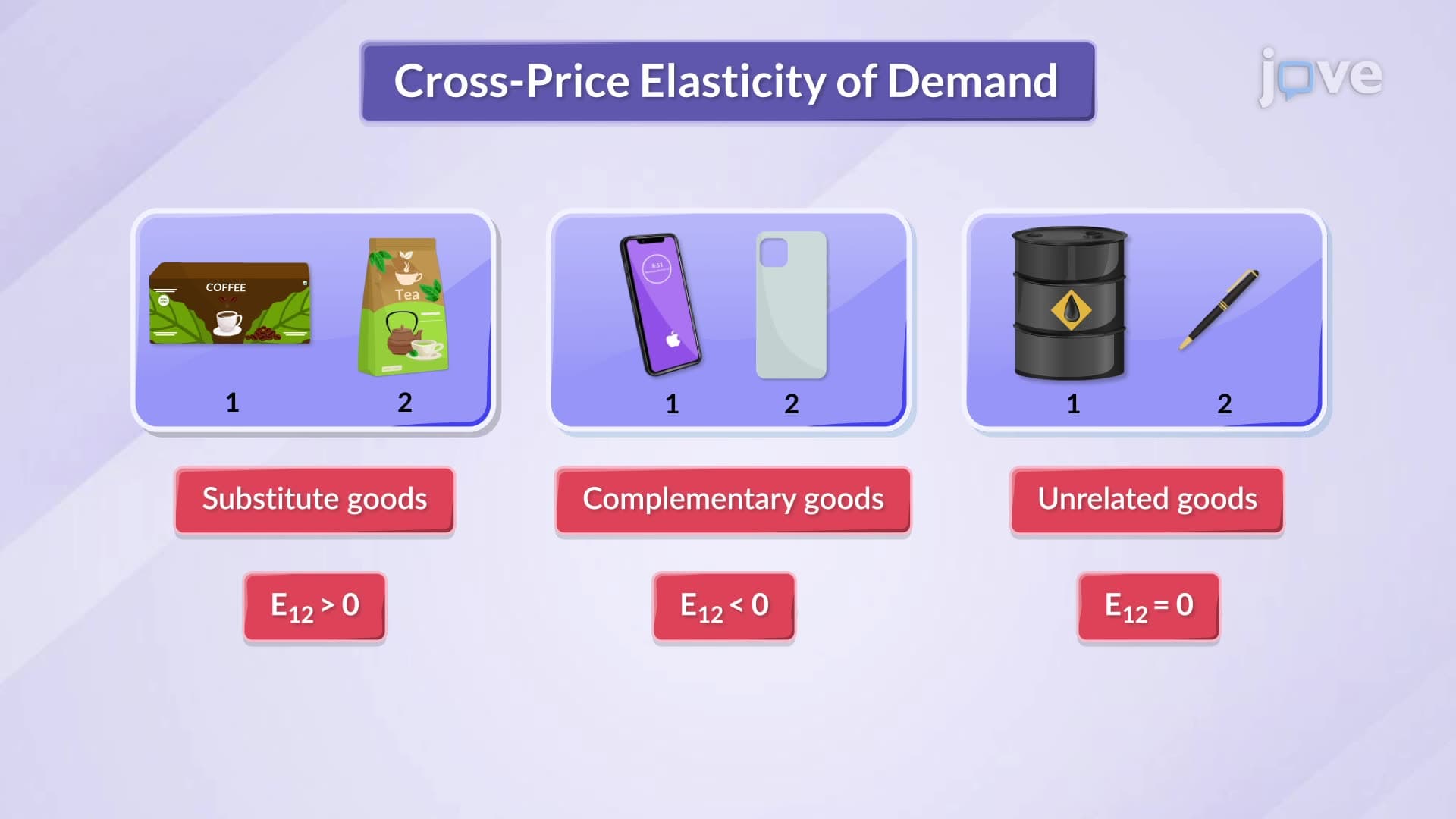
Price elasticity of demand specifically examines the percentage change in quantity demanded relative to the percentage change in price. When this relationship shows high sensitivity-meaning small price increases cause large decreases in purchases-economists classify the demand as elastic. Conversely, when price changes minimally affect purchasing patterns, demand is considered inelastic.
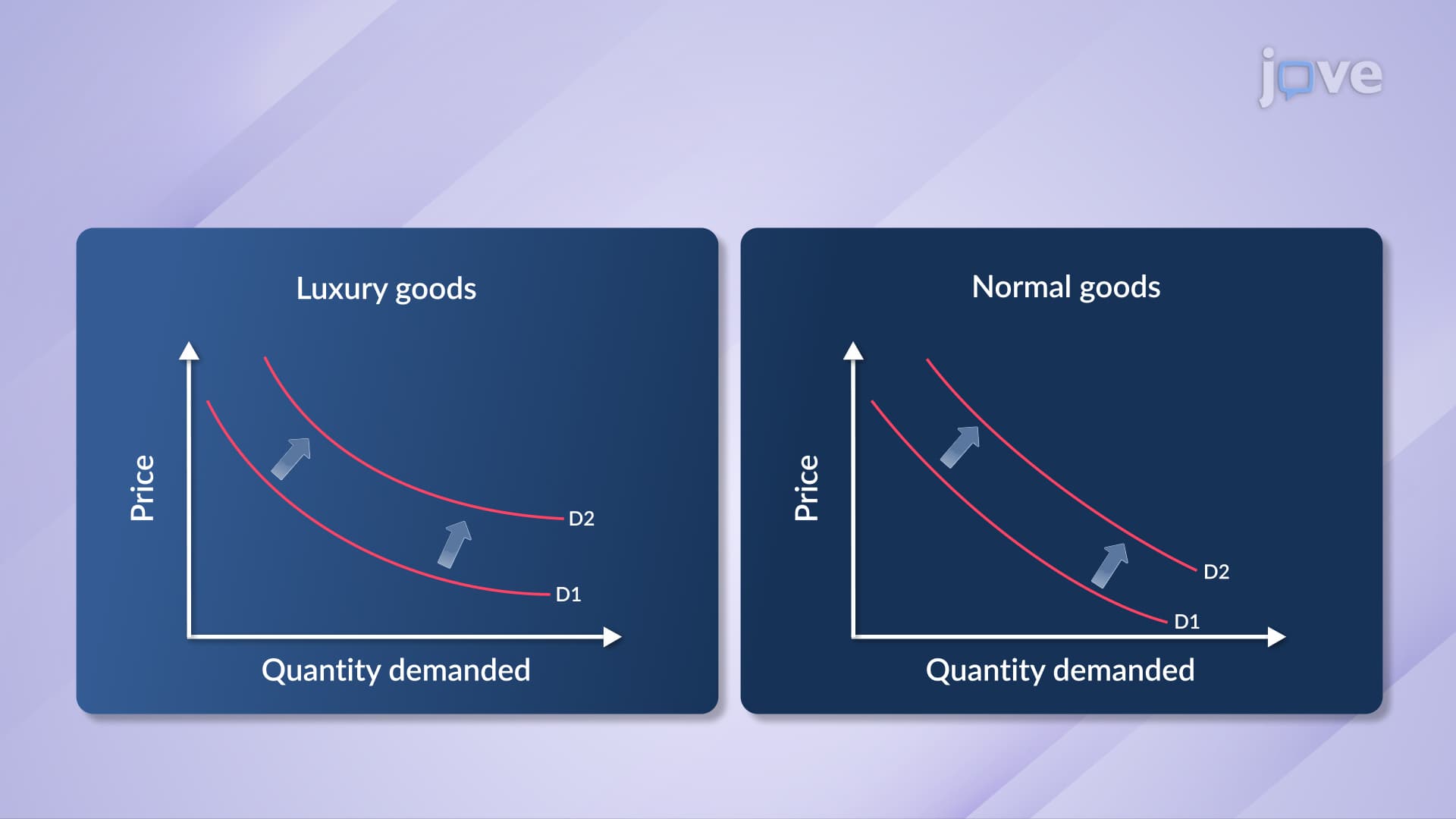
Elastic demand characterizes products where consumers readily find substitutes or can delay purchases. Luxury items exemplify this behavior perfectly. Consider the restaurant industry: when fine-dining establishments like those in Manhattan's upscale districts raise prices significantly, customers often shift to mid-range alternatives or cook at home. Similarly, recreational products such as gaming consoles, high-end clothing brands, and entertainment subscriptions demonstrate elastic characteristics.
The streaming wars between Netflix, Disney+, and HBO Max illustrate elastic demand principles. When any service increases subscription fees, competitors benefit as price-sensitive consumers switch platforms. This elasticity forces streaming companies to carefully balance pricing with content quality to maintain subscriber bases.
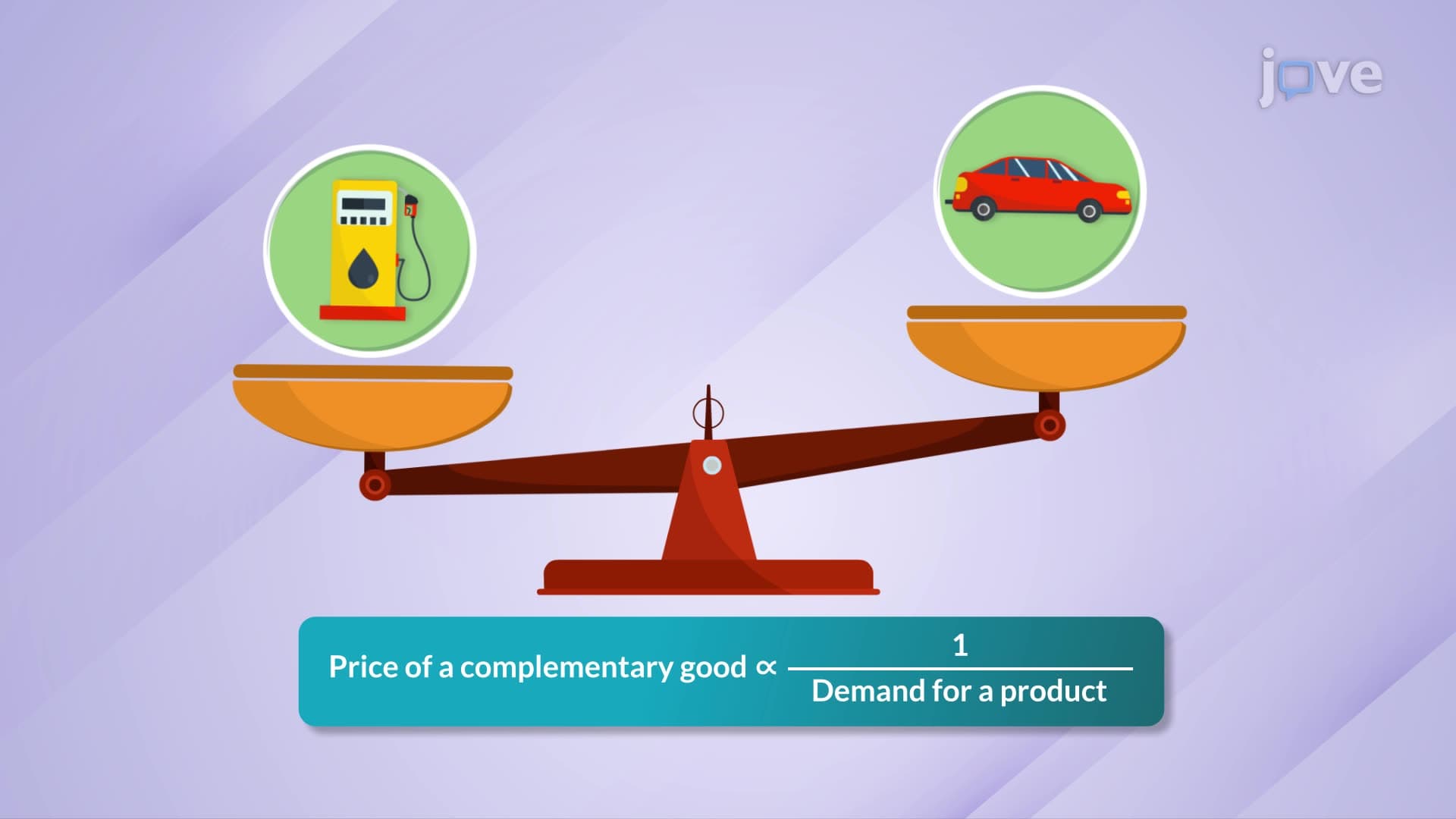
Inelastic demand governs essential goods and services with limited substitutes. Gasoline provides a classic American example-despite price fluctuations at the pump, most drivers continue purchasing similar quantities because they need transportation for work and daily activities. Similarly, prescription medications demonstrate extreme inelasticity; patients requiring insulin or cardiac medications continue purchasing regardless of price increases.
Utilities like electricity and water also exhibit inelastic characteristics. Households cannot easily reduce consumption below basic needs, making demand relatively unresponsive to price changes. This inelasticity explains why utility companies face extensive government regulation-consumers have limited alternatives.
Understanding elasticity proves crucial for AP Economics students and college business majors. Standardized tests frequently include elasticity calculations and scenario analysis. Students must recognize that total revenue increases when inelastic goods experience price increases, while elastic goods may see revenue decreases despite higher prices.
Successful companies like Amazon use elasticity analysis for dynamic pricing strategies. During peak shopping seasons, they adjust prices based on demand elasticity for different product categories, maximizing revenue while maintaining competitive positioning in price-sensitive markets.
Related Micro-courses