Loading subject page…

- Microeconomics
- Perfect Competition
- Short-run Profit Maximization I
Micro-course: Perfect Competition
5,343 views
Learn key concepts and earn your certificate.







Short-run Profit Maximization I


00:00
01:20
Video Summary: Short Run Profit Maximization I Explained
Why do companies like McDonald's produce exactly 2,000 Big Macs per day at one location instead of 1,500 or 3,000? Short run profit maximization determines this precise production sweet spot where firms earn maximum profits by balancing marginal costs against marginal revenue. For example, a Texas chair manufacturer must find the exact production level where the cost of making one additional chair equals the revenue from selling it. Short Run Profit Maximization I Explained reveals this critical economic principle that drives business decisions across American industries. Watch the full video on JoVE Coach to master this concept with expert-led visuals and step-by-step explanations.
- Understand how Short Run Profit Maximization I Explained demonstrates the fundamental rule that firms maximize profits when marginal cost equals marginal revenue (MC = MR)
- Identify the key characteristics of perfectly competitive markets where firms are price takers and cannot influence market prices
- Analyze marginal cost curves that slope upward as production increases and marginal revenue curves that remain horizontal in perfect competition
- Compare production scenarios where continuing or stopping production leads to either profit gains or losses
- Evaluate real-world business decisions using the profit maximization framework across different industries
- Apply the MC = MR rule to solve profit optimization problems in various market conditions
- Recognize how firms lose potential profits when they produce below the optimal level or incur losses when producing beyond it
- Explore the relationship between production costs, revenue streams, and optimal output levels in competitive markets
Understanding Short Run Profit Maximization Fundamentals
Short run profit maximization represents one of the most crucial concepts in microeconomics, explaining how businesses determine their optimal production levels to achieve maximum profitability. In the short run, firms face fixed costs that cannot be changed, such as rent, equipment, and long-term contracts, while variable costs like labor and raw materials can be adjusted. This constraint forces companies to focus on finding the perfect balance between production costs and revenue generation.
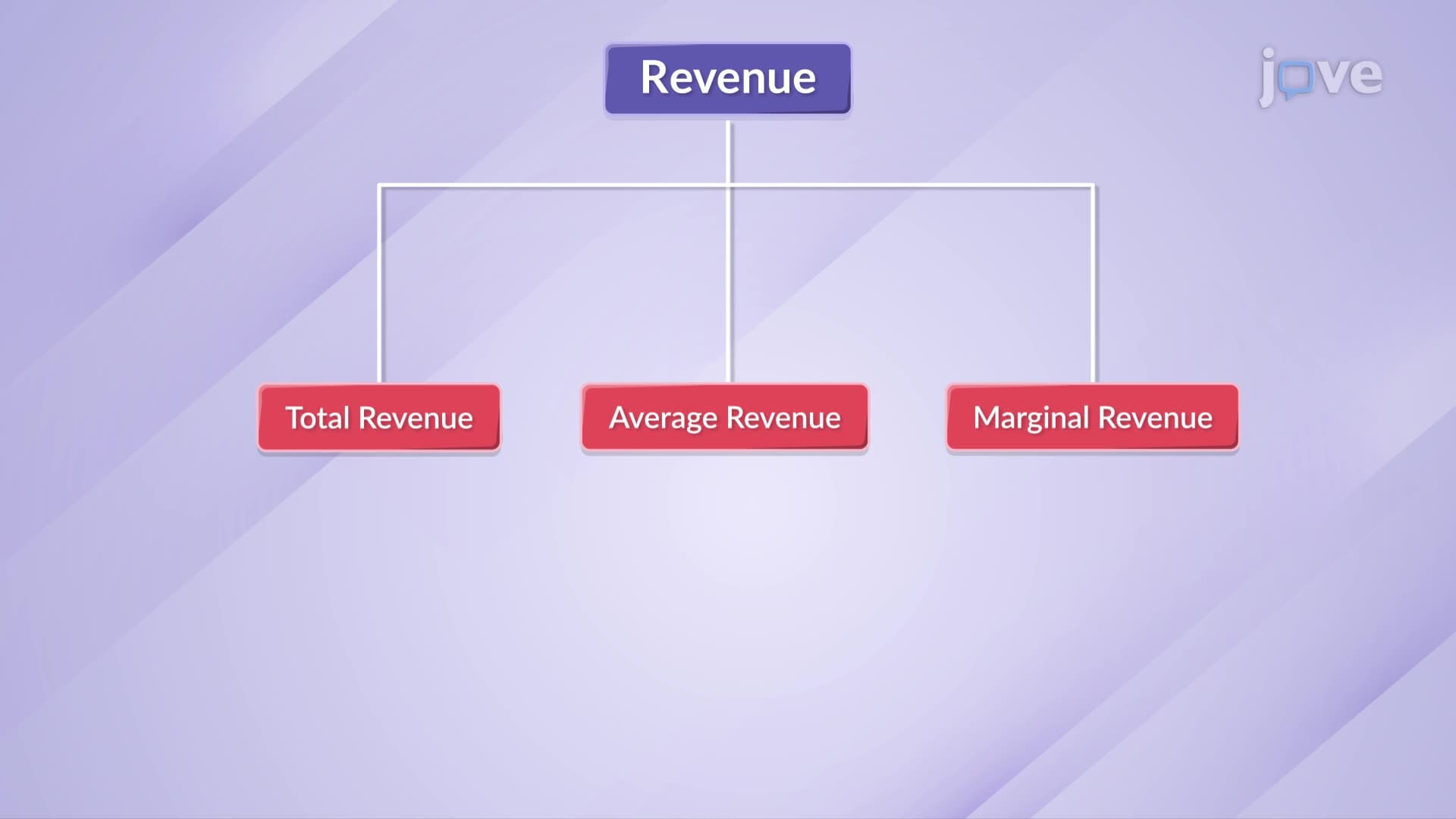
The foundation of this concept rests on two critical economic measures: marginal cost (MC) and marginal revenue (MR). Marginal cost represents the additional expense incurred when producing one more unit, while marginal revenue measures the extra income earned from selling that additional unit. Students preparing for AP Economics or college microeconomics courses must master this relationship, as it frequently appears on exams and forms the basis for more advanced economic theories.
The MC = MR Rule in Perfect Competition
In perfectly competitive markets, firms operate as price takers, meaning they cannot influence the market price and must accept whatever price the market determines. This creates a unique scenario where marginal revenue remains constant regardless of production volume, resulting in a horizontal MR curve on economic graphs. Consider Midwest corn farmers who sell their crops at market-determined prices-each additional bushel sold generates the same revenue as the previous one.
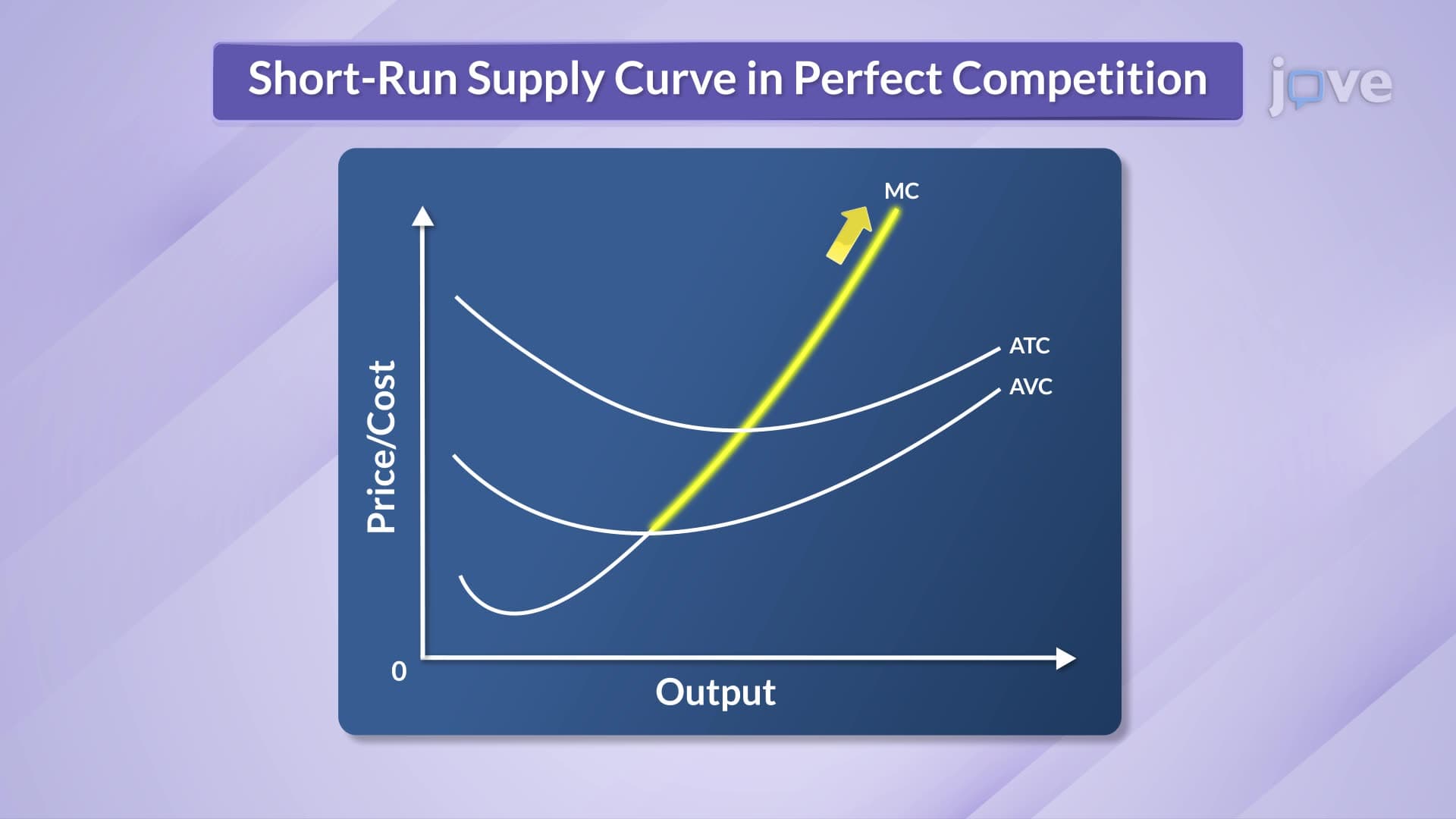
Conversely, marginal costs typically increase as production expands due to the law of diminishing returns. A California vineyard might find that producing the first 1,000 bottles of wine costs $5 per bottle in additional expenses, but the next 1,000 bottles might cost $7 per bottle as they strain their existing equipment and require overtime labor. This creates an upward-sloping MC curve that eventually intersects with the horizontal MR curve.
Real-World Applications and Profit Optimization
American businesses across industries apply short run profit maximization principles daily. A Detroit automotive parts manufacturer might produce 5,000 brake pads monthly, knowing that producing 4,999 would leave money on the table, while producing 5,001 would cost more than the revenue generated. Similarly, a Seattle coffee shop determines how many specialty drinks to prepare each morning based on this same economic logic.
Students encountering this concept in SAT Subject Tests or college midterms should remember that profit maximization doesn't always mean maximum production. Sometimes, optimal profits occur at relatively low production levels if costs rise rapidly. This counterintuitive aspect often appears in exam questions, testing students' understanding that "maximum profit" differs from "maximum sales."
Study Applications for Academic Success
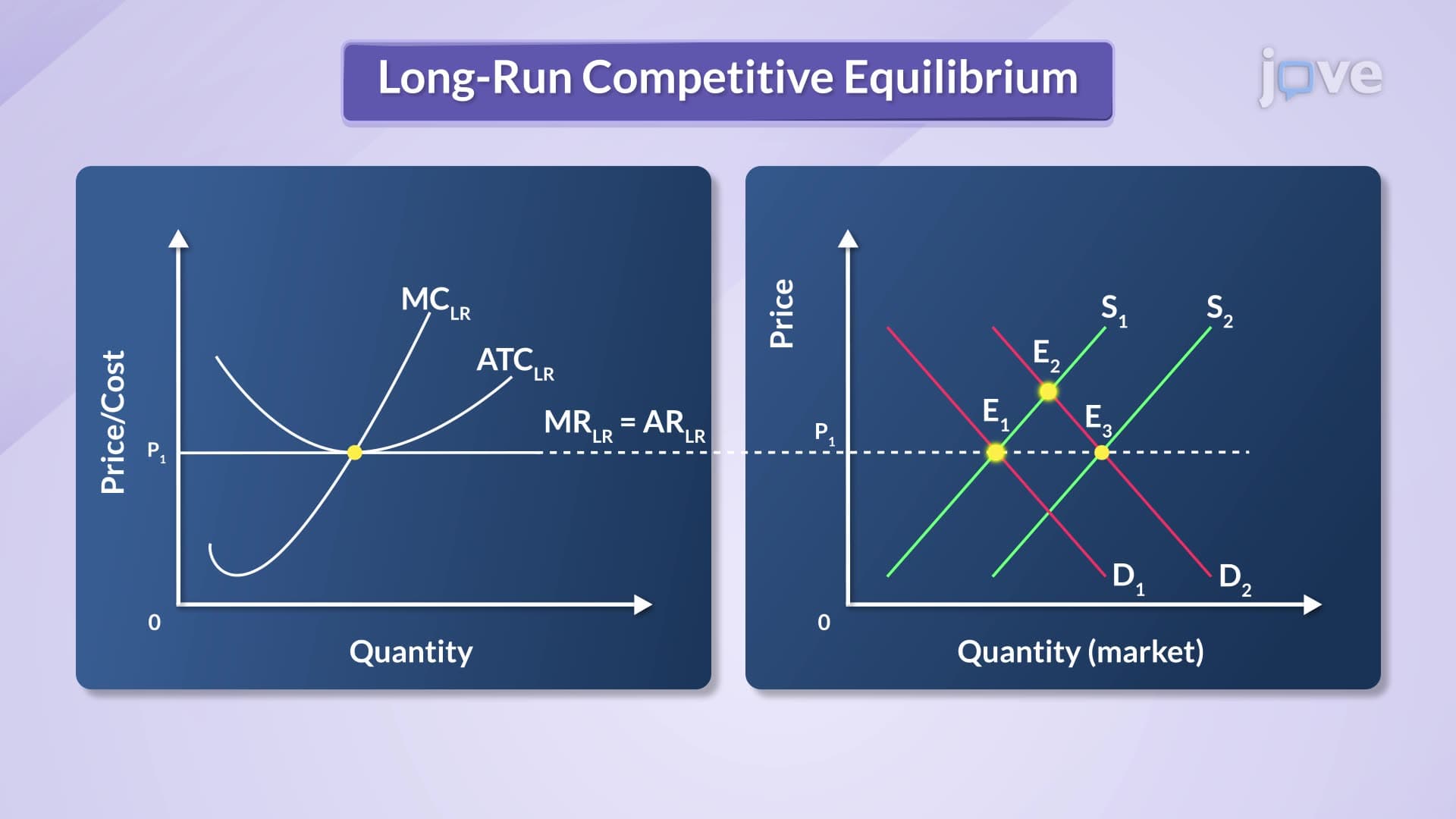
For students preparing for economics exams, short run profit maximization problems typically involve calculating optimal production quantities using given cost and revenue data. College courses often present scenarios where students must graph MC and MR curves, identify intersection points, and explain the economic reasoning behind production decisions. Understanding this concept also prepares students for advanced topics like long-run equilibrium, market efficiency, and competitive firm behavior in upper-level economics coursework.
Frequently Asked Questions
Short run profit maximization is the process firms use to determine optimal production levels that generate maximum profits when some costs are fixed. It's crucial because it helps businesses make efficient production decisions, avoid losses from overproduction, and capture all available profit opportunities in competitive markets.
AP Economics and college exams frequently test this concept through graphing problems, calculation questions, and scenario analysis. Students typically encounter questions asking them to identify profit-maximizing output levels, explain the MC = MR rule, and analyze firm behavior in perfectly competitive markets. These problems often comprise 15-20% of microeconomics exam content.
Short run profit maximization occurs when some costs are fixed and firms adjust variable inputs, while long run profit maximization allows firms to change all inputs including plant size and equipment. College entrance exams and AP tests often distinguish between these timeframes, with short run questions focusing on immediate production decisions and long run questions examining firm entry and exit decisions.
Amazon applies these principles when deciding how many products to stock in warehouses during peak seasons, balancing storage costs against potential sales revenue. Apple uses similar logic when determining production runs for new iPhone models, ensuring they produce enough to meet demand without excessive inventory costs that reduce overall profitability.
Not at all! While the mathematical calculations can be challenging, the basic concept mirrors everyday decision-making that students already understand. High school students who grasp basic algebra and can interpret graphs typically master this concept with proper instruction and practice, especially when connected to familiar business examples.
Focus on practicing graph construction and interpretation, memorizing the MC = MR rule, and working through numerical examples with real cost and revenue data. Create flashcards linking key terms to their definitions, and practice explaining the concept using simple business scenarios you can relate to from your own experience.
Students should progress to long run profit maximization, market structures beyond perfect competition, and firm cost analysis including average costs and total costs. These advanced topics build directly on short run profit maximization principles and appear frequently in college-level economics courses and graduate school entrance exams.
Firms may continue operating at a loss in the short run if they can cover their variable costs and contribute something toward fixed costs, which they must pay regardless of production levels. This decision follows the same MC = MR logic, where firms minimize losses rather than maximize profits during difficult market conditions.
Related Micro-courses