Loading subject page…

- Microeconomics
- Perfect Competition
- Perfect Competition
Micro-course: Perfect Competition
5,343 views
Learn key concepts and earn your certificate.






Perfect Competition


00:00
01:25
Video Summary: What Is Perfect Competition
Have you ever wondered why gas prices are nearly identical across stations in your neighborhood? Perfect competition creates this pricing phenomenon through specific market conditions that eliminate individual control over prices. This theoretical economic model serves as the gold standard for measuring market efficiency, with characteristics including numerous buyers and sellers, identical products, and complete market information. The US agricultural sector, particularly corn and wheat farming, exemplifies markets approaching perfect competition conditions. Watch the full video on JoVE Coach to master this concept with expert-led visuals and step-by-step explanations.
- Understand what is perfect competition and its role as a theoretical benchmark for measuring market efficiency in economic analysis
- Identify the four essential characteristics that define perfectly competitive markets: many buyers/sellers, free market entry/exit, homogeneous products, and perfect information
- Analyze how firms become price takers in perfectly competitive environments and cannot influence market prices through individual actions
- Compare real-world markets to the perfect competition model to evaluate their competitive nature and efficiency levels
- Evaluate examples from US agricultural markets that closely approximate perfect competition conditions
- Apply perfect competition concepts to explain pricing mechanisms and market behavior in various economic scenarios
- Recognize the theoretical limitations of perfect competition while understanding its practical value for economic analysis
- Explore how perfect competition relates to supply and demand forces in determining equilibrium market prices
Understanding What is Perfect Competition
Perfect competition represents the theoretical ideal of market structure where no single participant can influence prices or market outcomes. While rarely existing in pure form, this model provides economists with a crucial framework for analyzing market efficiency and competitive behavior. Students encountering this concept in AP Economics, college microeconomics courses, or business studies must grasp both its theoretical importance and practical applications.
The Four Pillars of Perfect Competition
The perfect competition definition explained centers on four fundamental characteristics. First, markets contain numerous buyers and sellers, ensuring robust competition where no individual entity holds market power. Second, firms can freely enter or exit without barriers-no licensing requirements, startup costs, or regulatory hurdles impede competition. Third, products are homogeneous or identical, meaning consumers cannot distinguish between offerings from different suppliers. Finally, perfect information exists, with all market participants possessing complete knowledge about prices, quality, and availability.
Price-Taking Behavior and Market Dynamics
In perfectly competitive markets, firms become price takers rather than price makers. This means individual companies must accept prevailing market prices determined by aggregate supply and demand forces. For example, a Nebraska corn farmer cannot charge premium prices for their harvest because buyers can easily substitute identical corn from thousands of other producers. This price-taking behavior ensures optimal resource allocation and economic efficiency.
Real-World Applications and Examples
US agricultural markets provide the closest approximation to perfect competition in practice. Consider the Chicago Mercantile Exchange, where wheat futures are traded. Thousands of farmers produce virtually identical wheat grades, buyers have complete price information, and entry barriers remain minimal for new agricultural producers. Similarly, stock markets demonstrate many perfect competition characteristics, with numerous traders, identical shares of specific companies, and transparent pricing information.
Students preparing for standardized exams should understand how perfect competition contrasts with monopolistic competition, oligopoly, and monopoly structures. SAT Subject Tests in Economics and AP Microeconomics frequently test these market structure comparisons, requiring clear comprehension of perfect competition's unique attributes and their economic implications.
Frequently Asked Questions
Perfect competition is a theoretical market structure where many buyers and sellers trade identical products with complete information and no barriers to entry. No single participant can influence market prices, making all firms price takers who must accept prevailing market rates determined by supply and demand forces.
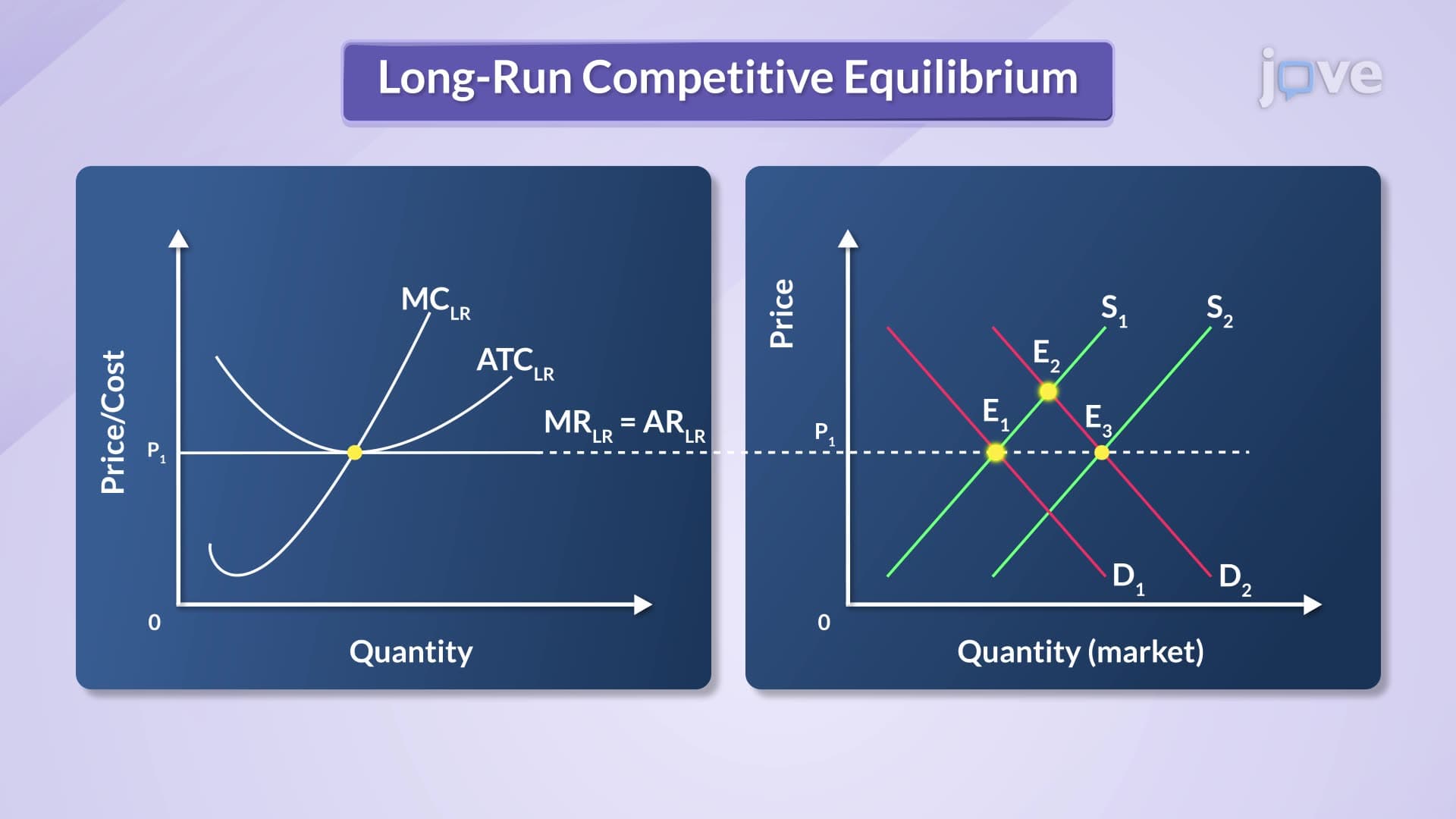
AP Microeconomics frequently tests perfect competition through graph analysis, comparing market structures, and calculating profit maximization. Students must demonstrate understanding of price-taking behavior, long-run equilibrium conditions, and efficiency outcomes. Practice identifying perfectly competitive characteristics in market scenarios and drawing demand/supply graphs.
Perfect competition concepts are foundational and manageable with proper preparation. Focus on memorizing the four key characteristics, understanding price-taking behavior, and practicing graph analysis. Most students find this topic more straightforward than monopoly or oligopoly structures once they grasp the basic principles.
US agricultural commodity markets best exemplify perfect competition. The corn market features thousands of farmers producing identical products, transparent pricing through commodity exchanges, and minimal barriers for new producers. Wheat, soybeans, and cotton markets similarly demonstrate perfect competition characteristics.
Create comparison charts contrasting perfect competition with other market structures. Practice drawing graphs showing firm and industry demand curves. Focus on understanding efficiency implications and welfare economics applications. Use flashcards for memorizing the four essential characteristics and their economic consequences.
Pure perfect competition rarely exists in reality due to practical limitations like transportation costs, brand preferences, and information gaps. However, many markets approximate perfect competition conditions, particularly in agriculture and financial trading. Understanding this theoretical model helps analyze real market efficiency and competitive dynamics.
Progress to monopolistic competition, then oligopoly and monopoly structures. Study market failures, externalities, and government regulation. Advanced topics include game theory, behavioral economics, and industrial organization. Perfect competition provides the foundational framework for understanding these more complex market dynamics.
Use the acronym "MFHI": Many buyers/sellers, Free entry/exit, Homogeneous products, Identical/perfect Information. Create visual mnemonics connecting each characteristic to real examples like farmers' markets or stock exchanges. Practice explaining each characteristic's role in creating price-taking behavior.
Related Micro-courses