Loading subject page…


1,346,742 views


Video Summary: Race Rapid Amplification of Cdna Ends Explained
Ever wondered how researchers at the National Institutes of Health discover complete gene sequences when they only have partial fragments? Race rapid amplification of cdna ends is the molecular biology technique that solves this puzzle by extending incomplete cDNA sequences to their full length. This powerful PCR-based method has been instrumental in mapping disease genes like BRCA1 in breast cancer research at Johns Hopkins University. Watch the full video on JoVE Coach to master this concept with expert-led visuals and step-by-step explanations.
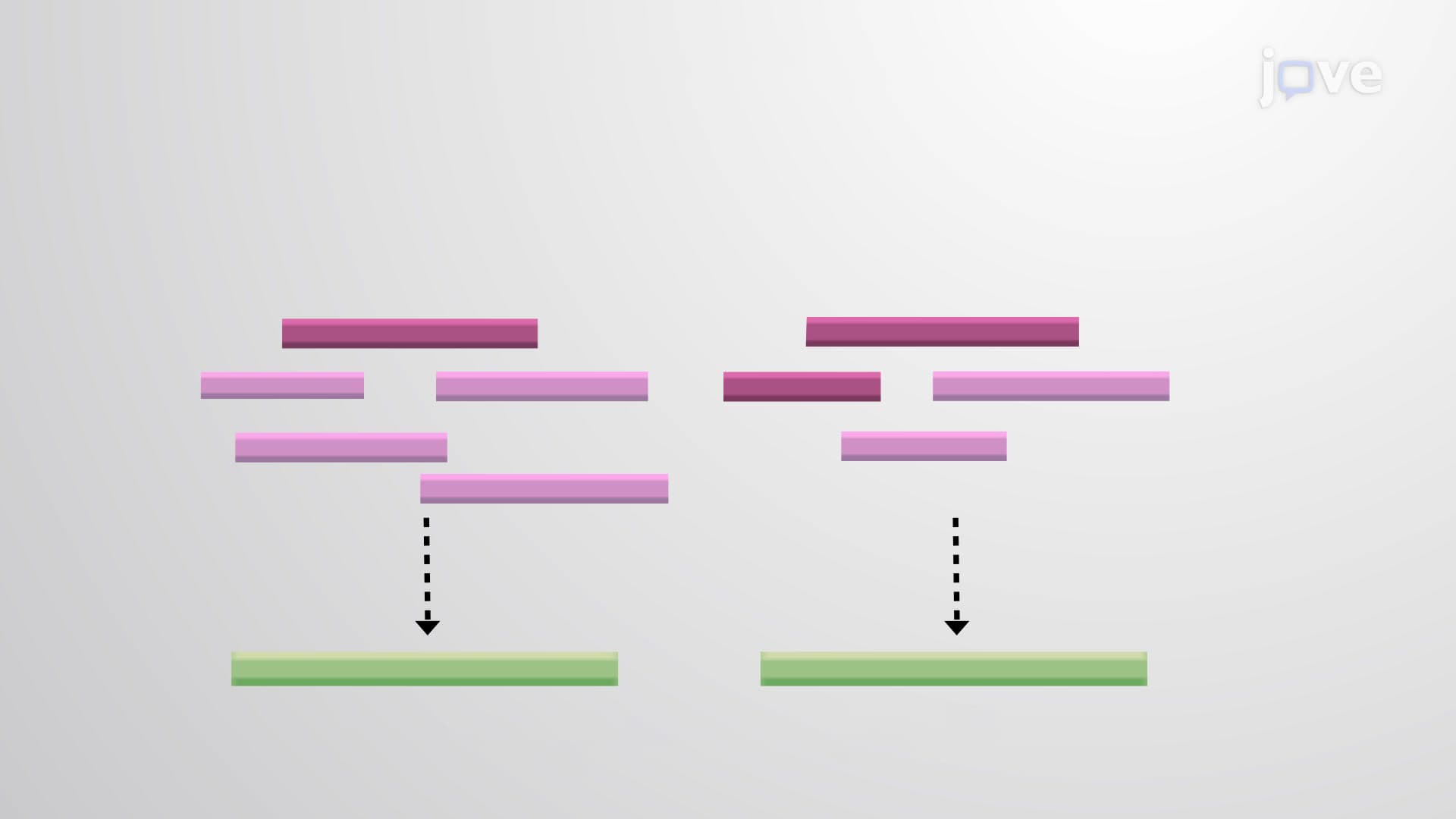
Race rapid amplification of cdna ends represents a breakthrough technique in molecular biology that addresses a common challenge: obtaining complete gene sequences when researchers initially isolate only partial cDNA clones. This situation frequently occurs during gene discovery projects, such as those conducted at major research institutions like Stanford University's genome center, where novel mRNA transcripts are identified but their complete sequences remain unknown.
The technique's name reflects its core function-rapidly amplifying the missing portions of cDNA molecules to reveal their complete sequences. This process has proven invaluable in characterizing disease-associated genes and understanding genetic variations that contribute to conditions studied in American medical research.
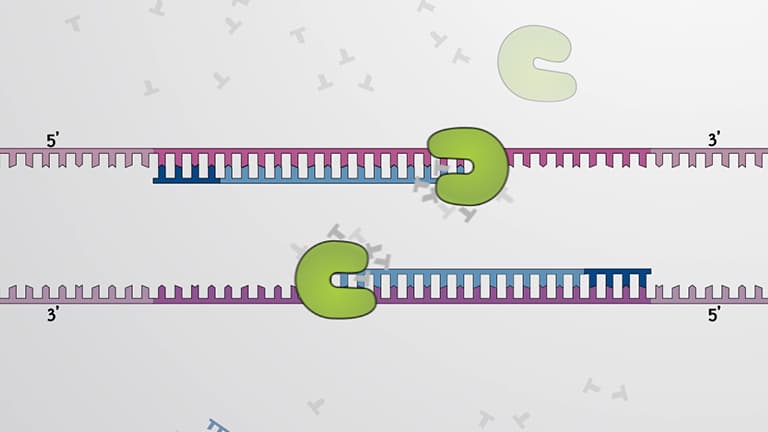
In 3' RACE procedures, researchers begin with an mRNA template and employ a sophisticated primer design strategy. The hybrid primer contains two essential components: an oligo-dT sequence that specifically binds to the poly-A tail characteristic of mature eukaryotic mRNAs, and an anchor sequence that introduces unique nucleotides upstream of the poly-T region.
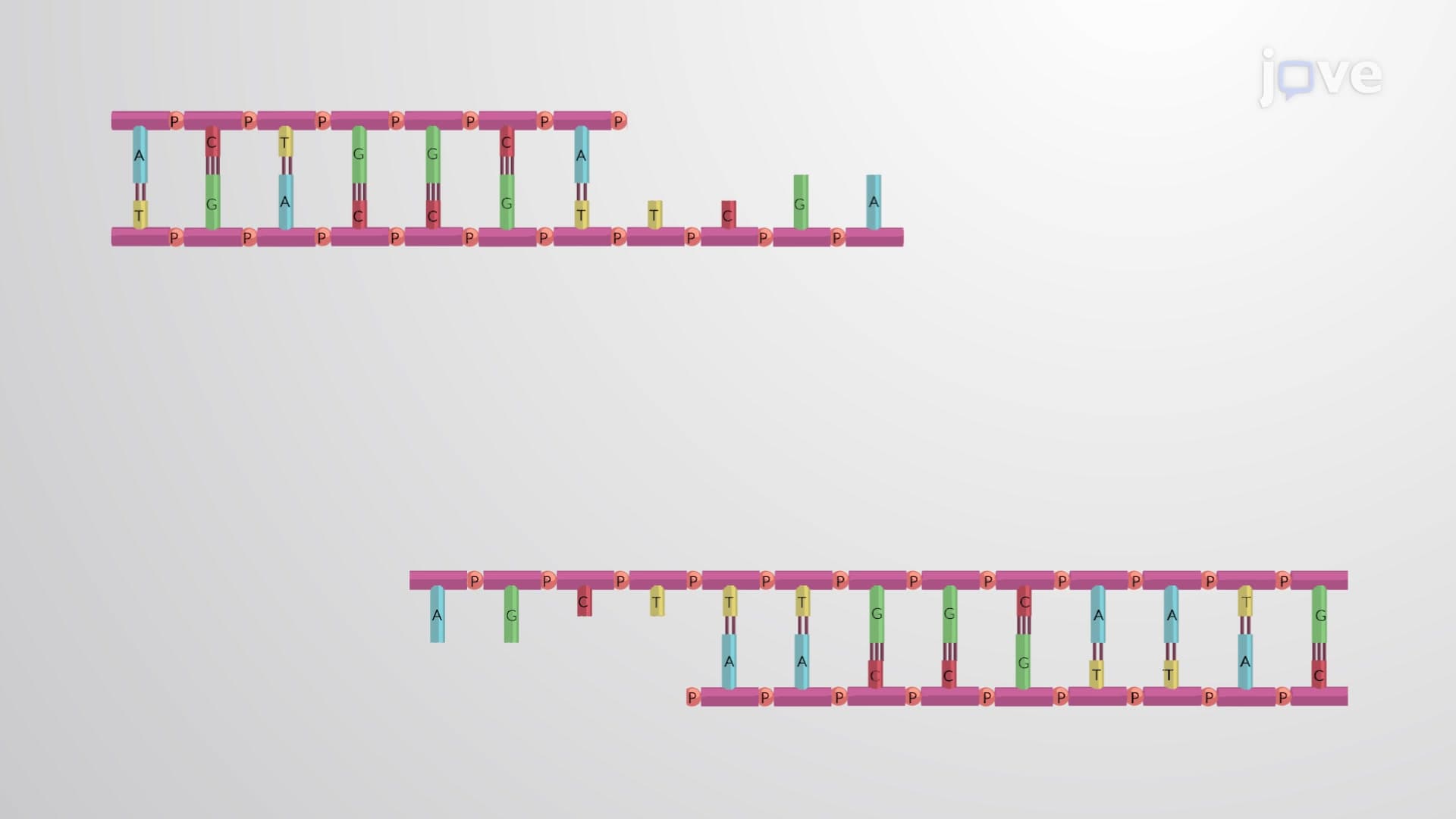
This design enables reverse transcriptase to synthesize the first cDNA strand while simultaneously incorporating the anchor sequence. Gene-specific primers (GSPs) then facilitate second-strand synthesis from known internal sequences. The resulting double-stranded DNA undergoes PCR amplification using adapter primers complementary to the anchor sequence, effectively "filling in" the missing 3' region.
The 5' RACE approach requires different molecular strategies due to the absence of a natural poly-A tail at the mRNA's 5' end. Researchers use gene-specific primers to initiate reverse transcription from the 3' end of the mRNA, creating a cDNA strand that extends toward the 5' terminus.
Terminal deoxynucleotidyl transferase then artificially adds a poly-A tail to the 3' end of this newly synthesized cDNA. This modification enables subsequent amplification steps using oligo-dT-containing adapter primers, similar to the 3' RACE methodology but applied in reverse orientation.
RACE techniques have revolutionized genetic research across American institutions, particularly in projects requiring complete gene characterization. For example, researchers at the National Cancer Institute have utilized RACE to identify full-length tumor suppressor genes, while pharmaceutical companies employ these methods during drug target validation studies.
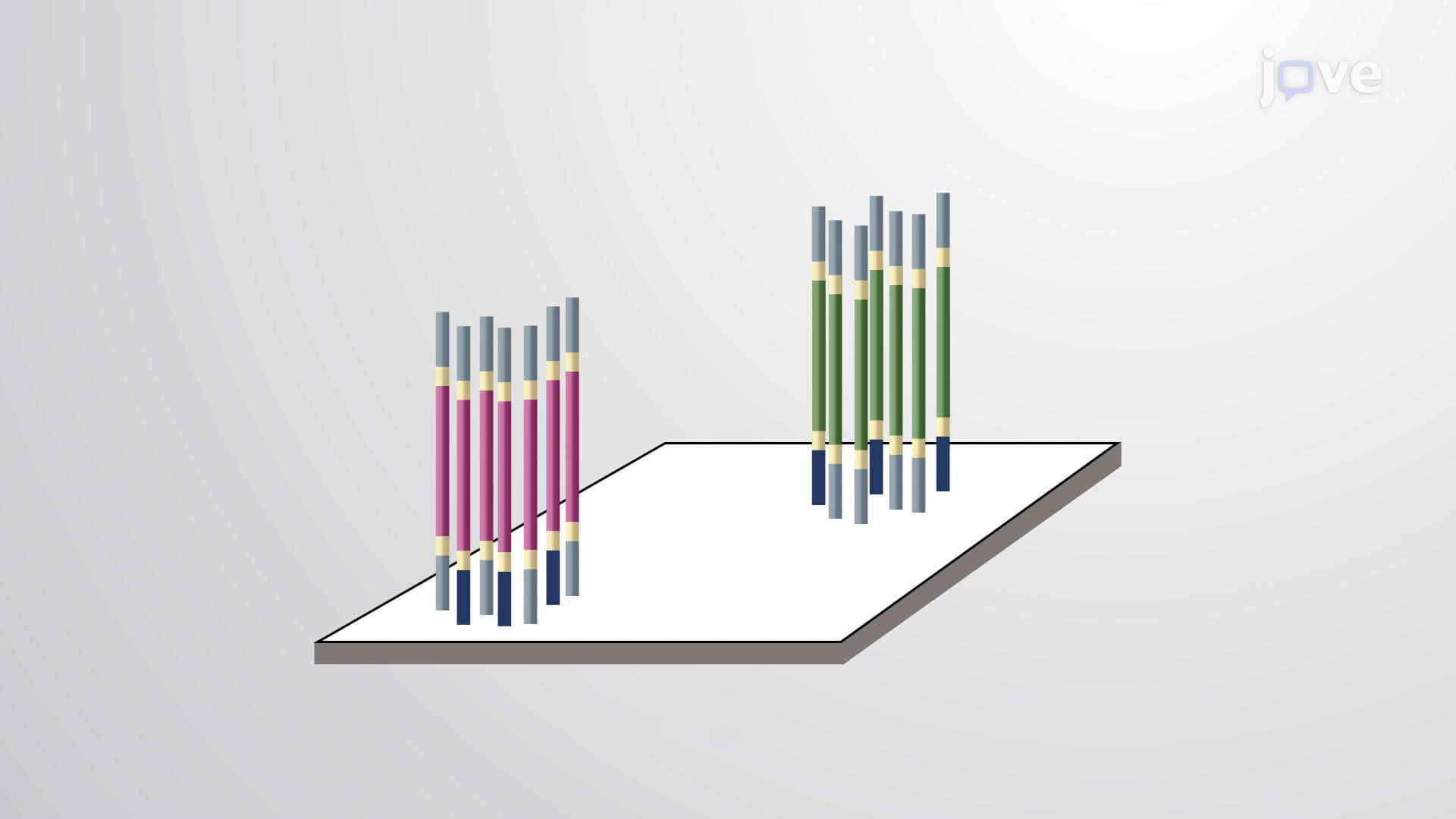
Students preparing for the MCAT or AP Biology exams should understand that RACE exemplifies the practical application of PCR principles and demonstrates how molecular biology techniques solve real-world research challenges. The nested primer strategy, which involves two sequential amplification rounds with primers binding downstream of the initial primer sites, showcases advanced PCR optimization-a concept frequently tested in college-level biochemistry courses.
Related Micro-courses