Loading subject page…

- Molecular Biology
- Studying DNA and RNA
- Complementary DNA
Micro-course: Studying DNA and RNA
1,346,736 views
Learn key concepts and earn your certificate.
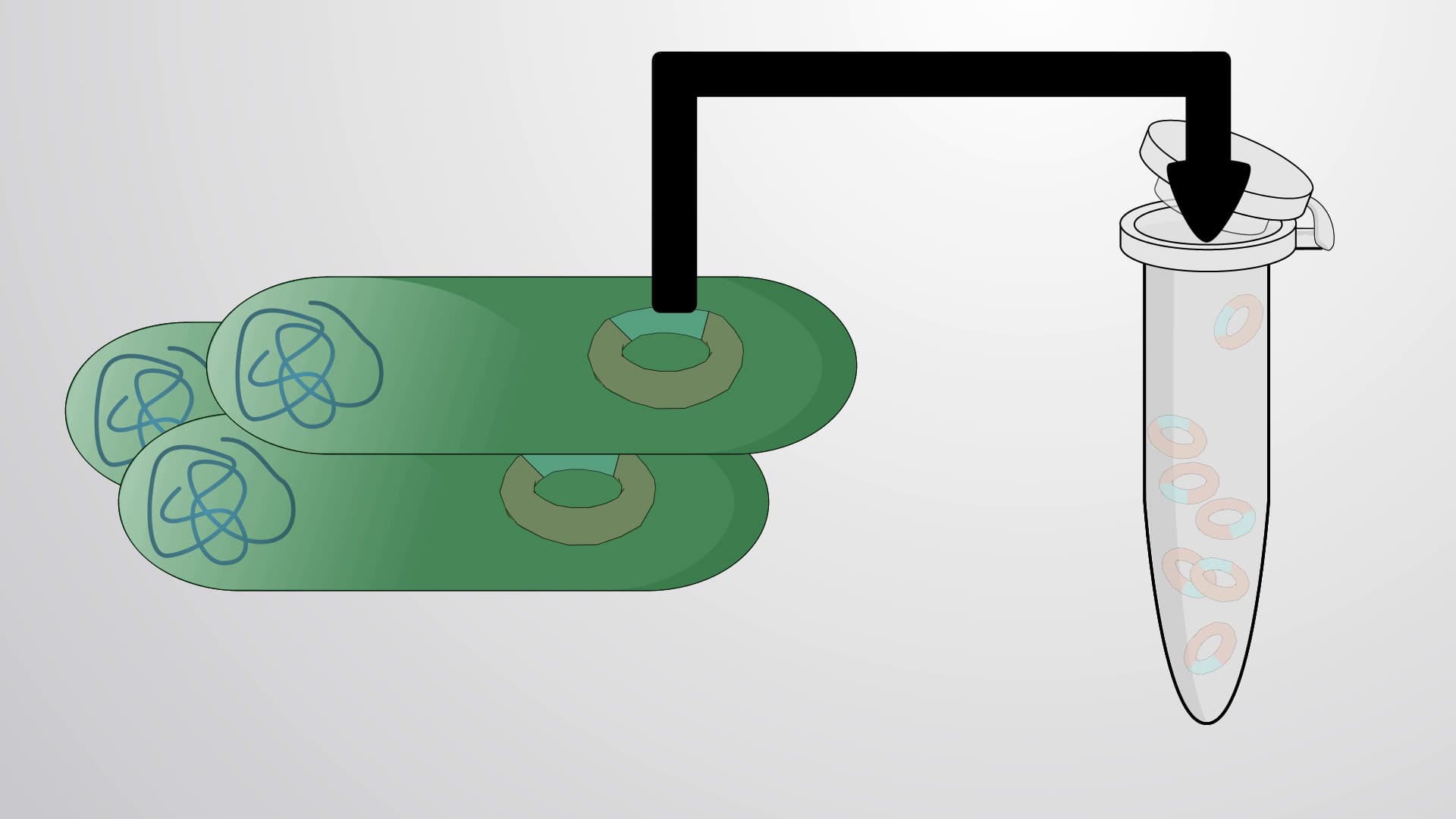


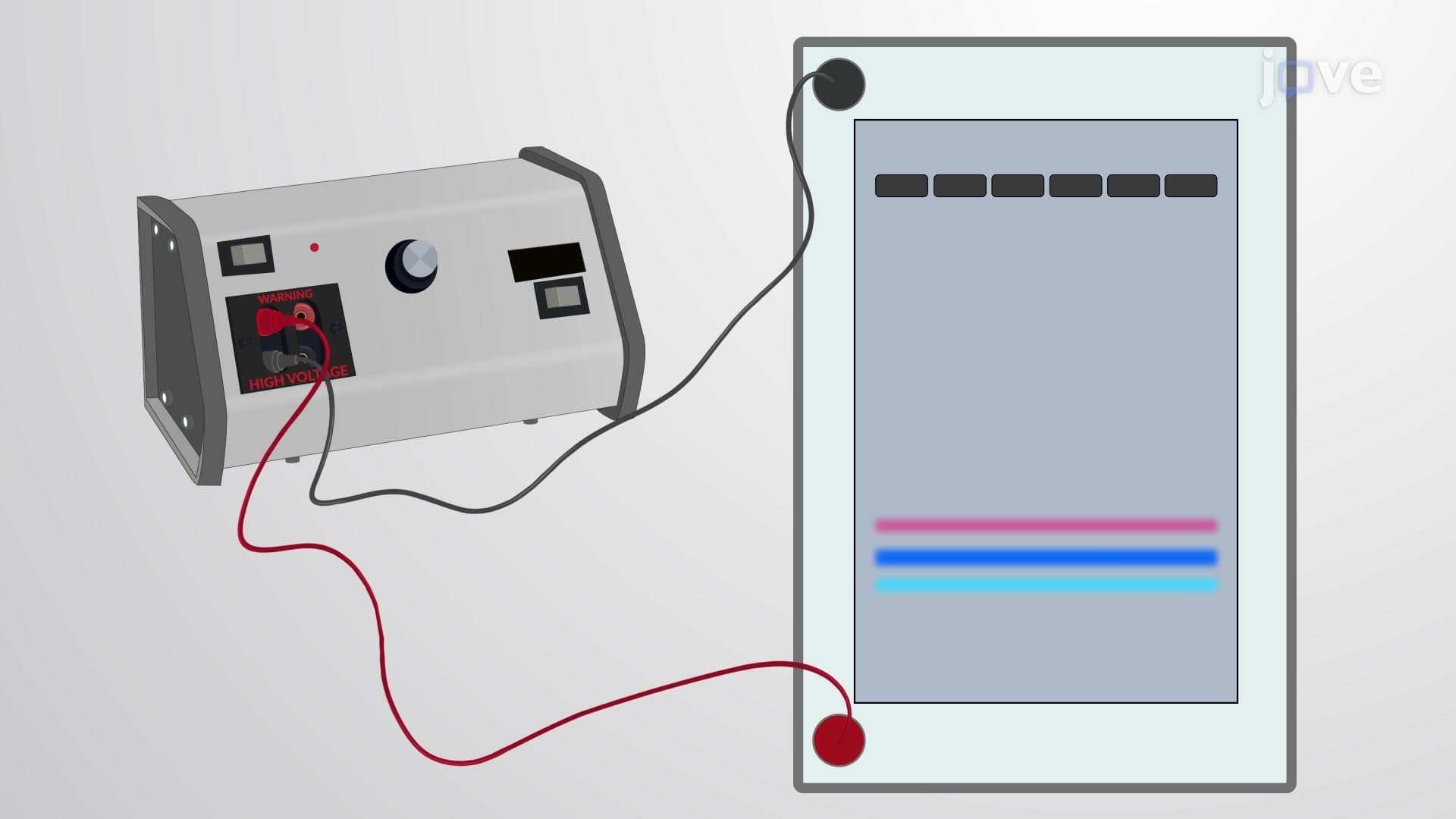

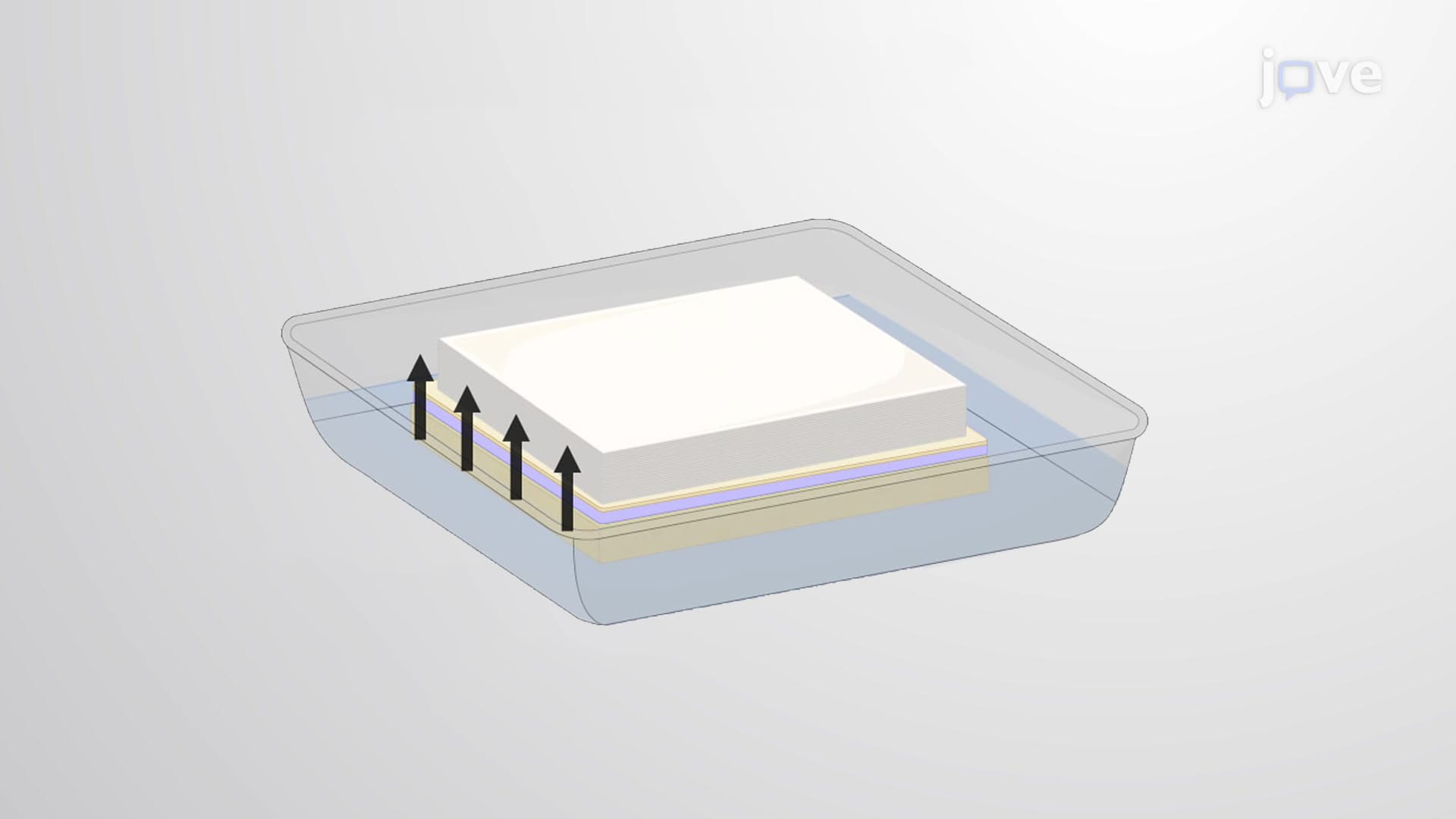


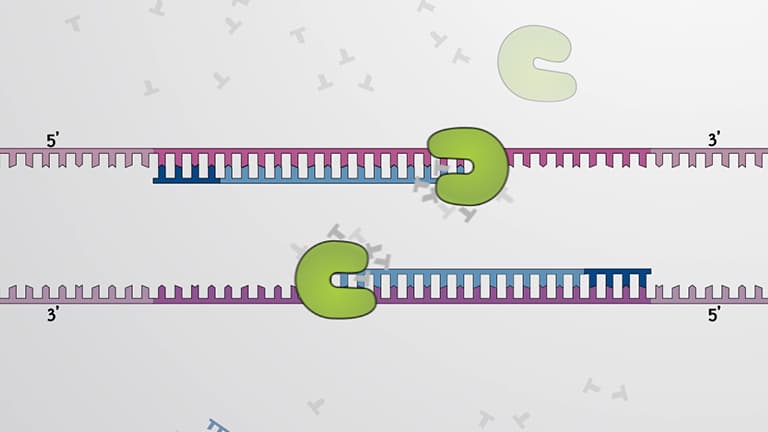


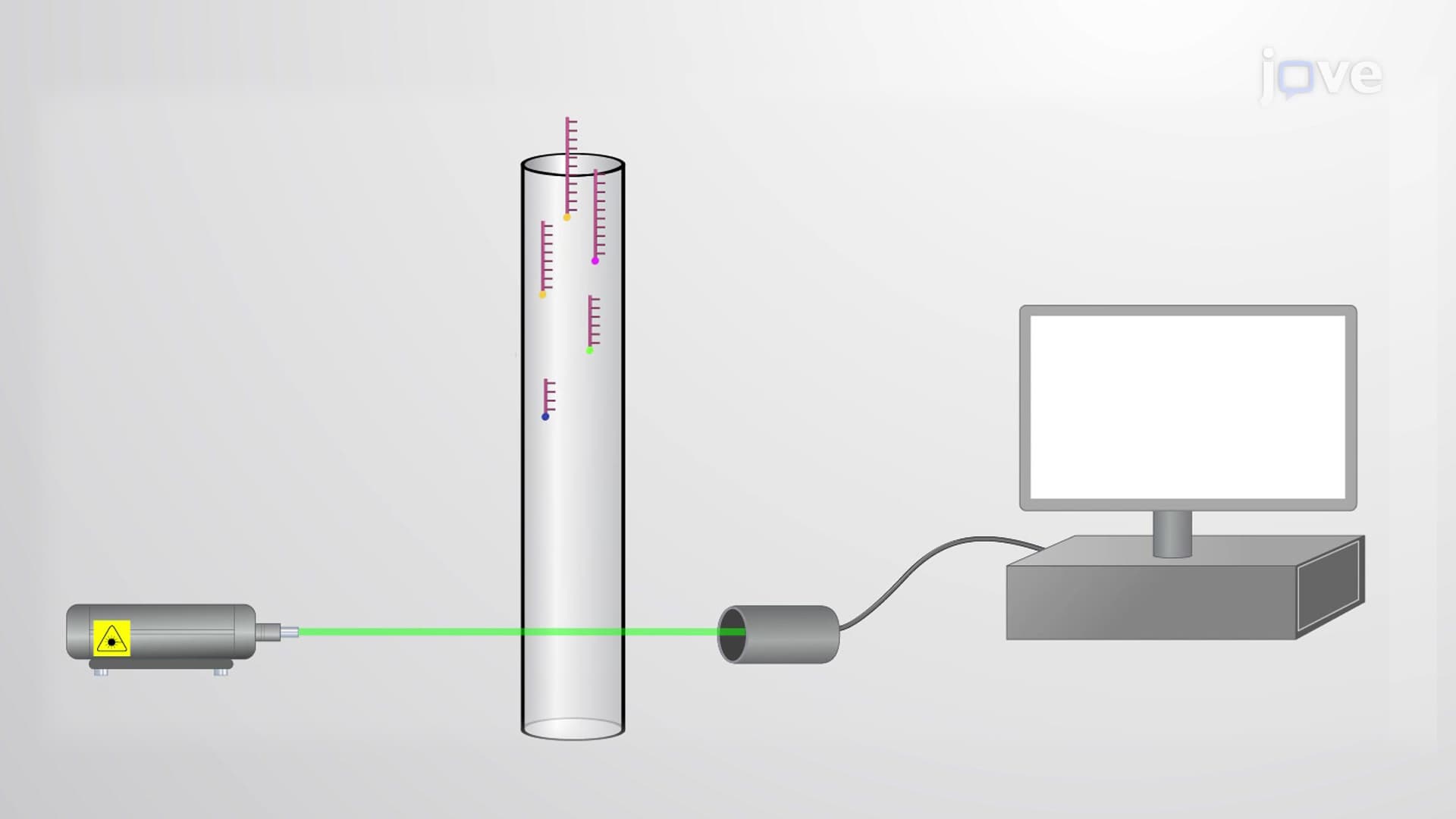
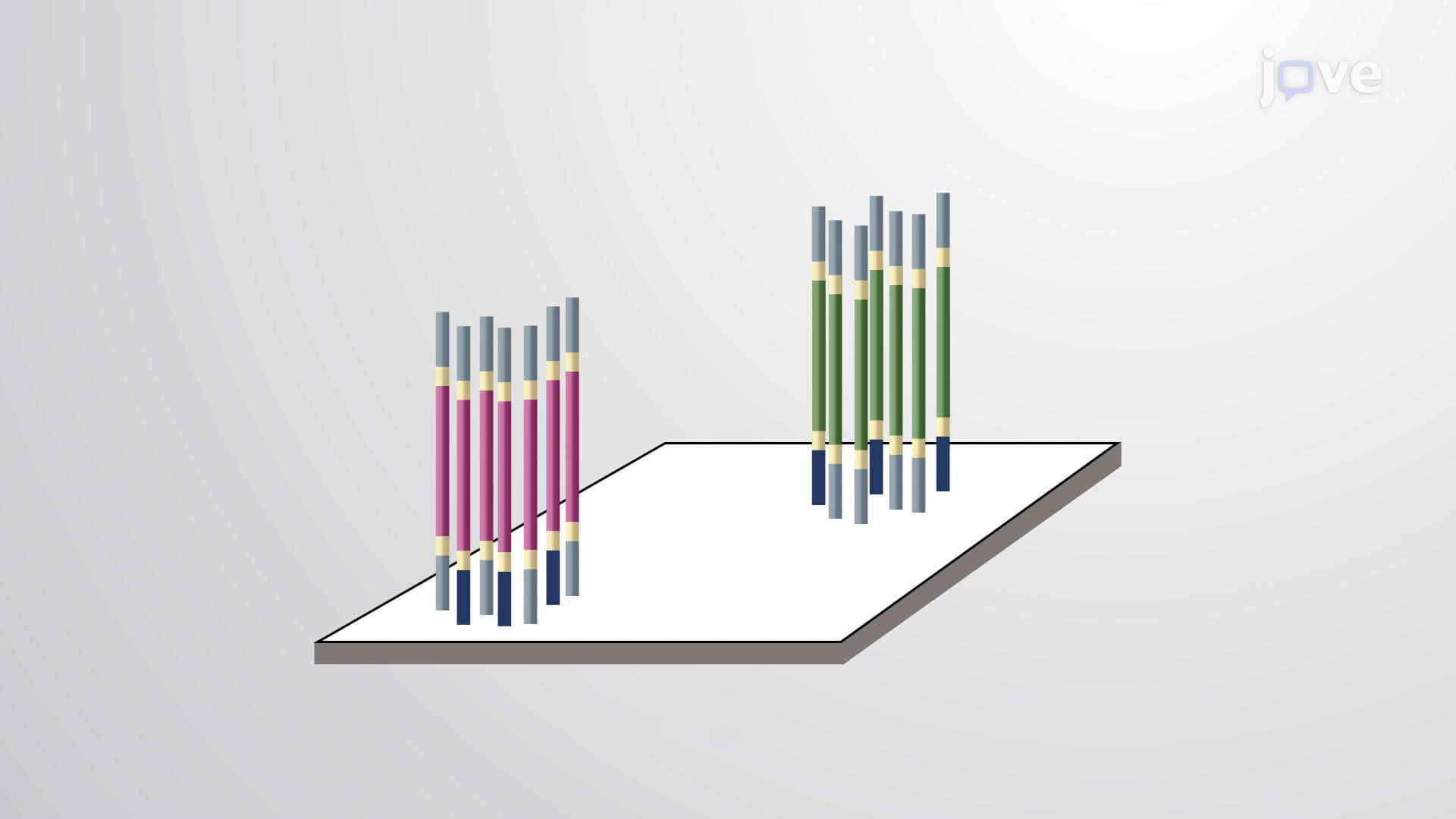
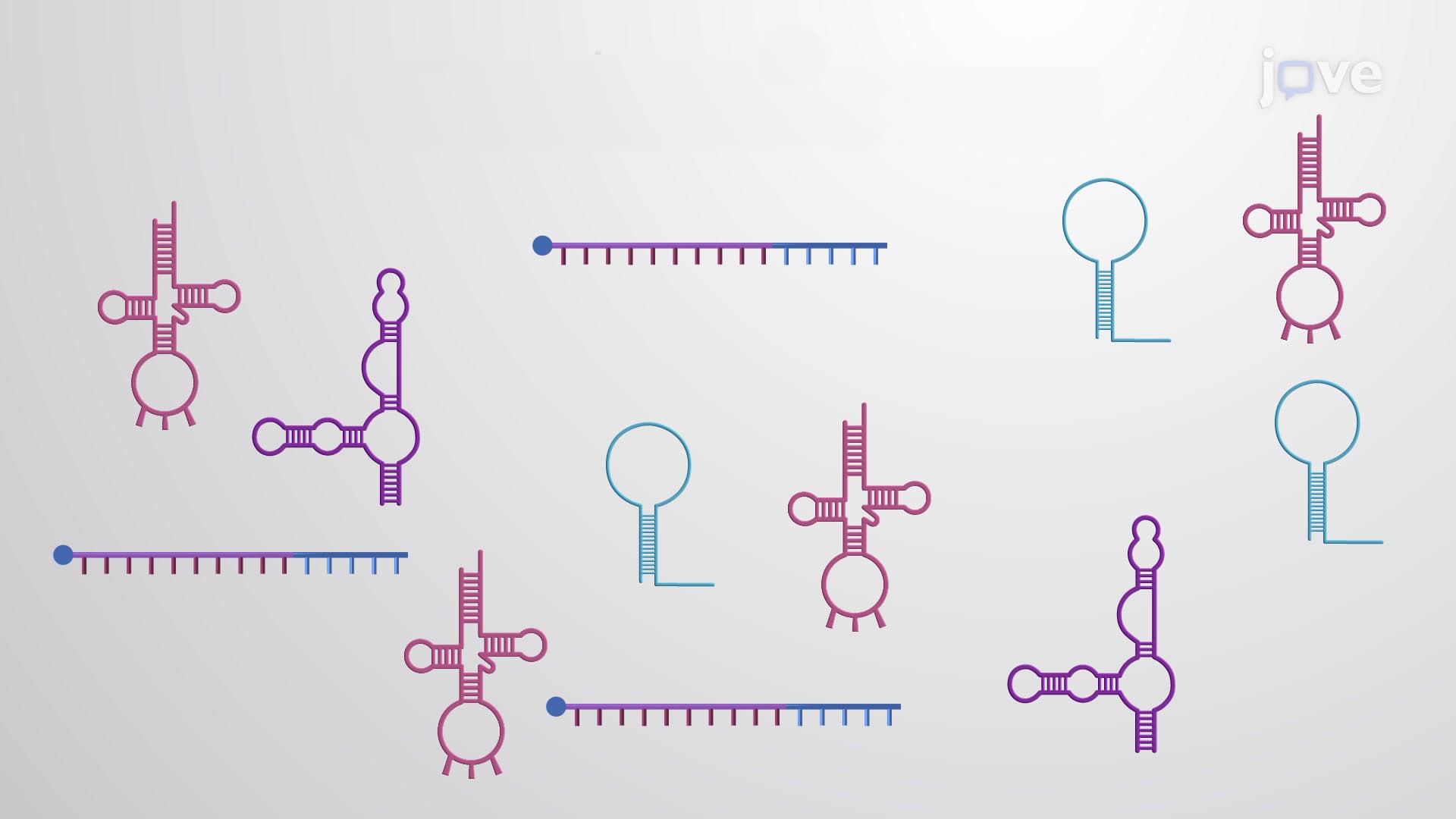
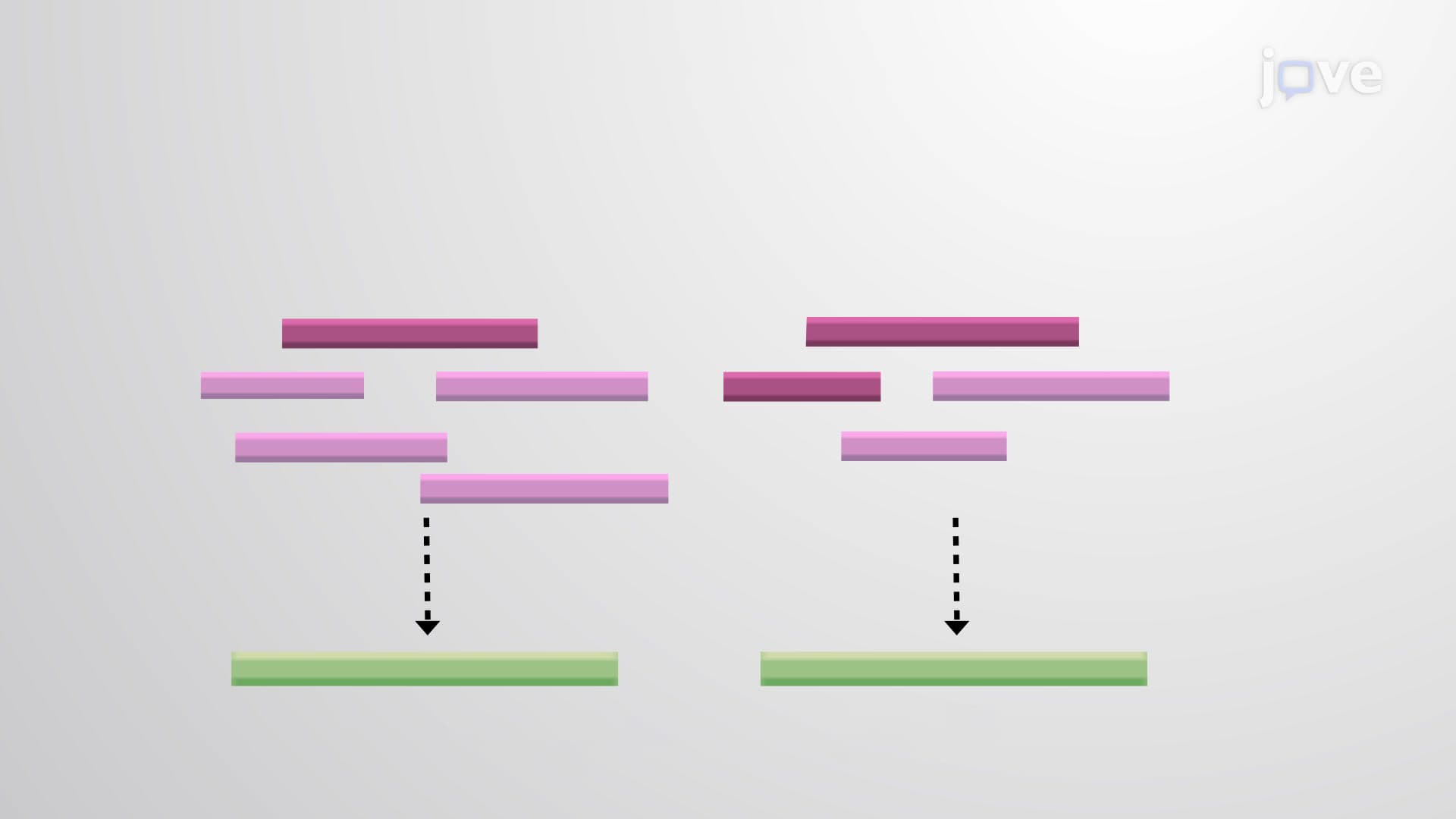
Complementary DNA

00:00
01:44
Video Summary: What Is Complementary DNA
Did you know that scientists can reverse-engineer DNA from RNA messages? Complementary DNA is synthetic DNA created from RNA templates using reverse transcriptase, representing only actively expressed genes. Unlike regular genomic DNA, this molecular tool excludes non-coding regions, making it invaluable for researchers at institutions like Harvard Medical School studying gene expression patterns. What is Complementary DNA becomes clearer when you understand it's essentially a "clean copy" of genetic instructions. Watch the full video on JoVE Coach to master this concept with expert-led visuals and step-by-step explanations.
- Understand what complementary DNA is and how it differs fundamentally from genomic DNA in structure and function
- Identify the role of reverse transcriptase enzyme in synthesizing cDNA from mature mRNA templates
- Analyze why cDNA contains only exons and represents actively expressed genes in specific tissues or conditions
- Compare the advantages of using cDNA versus genomic DNA for cloning eukaryotic genes in bacterial systems
- Evaluate how cDNA libraries enable functional genomics studies and gene expression analysis
- Apply knowledge of cDNA synthesis to understand quantitative PCR (qPCR) and microarray experimental designs
- Recognize the historical significance of reverse transcriptase discovery in retroviruses during the 1970s
- Explore practical applications of cDNA in recombinant protein production and molecular biology research
Understanding Complementary DNA: The RNA-to-DNA Bridge
Complementary DNA represents a revolutionary molecular biology tool that bridges the gap between RNA biology and DNA-based laboratory techniques. Unlike the genomic DNA found in cell nuclei, cDNA is artificially synthesized and contains only the protein-coding sequences (exons) of genes. This unique characteristic makes it an indispensable resource for researchers studying gene function and expression patterns.
The Molecular Synthesis Process
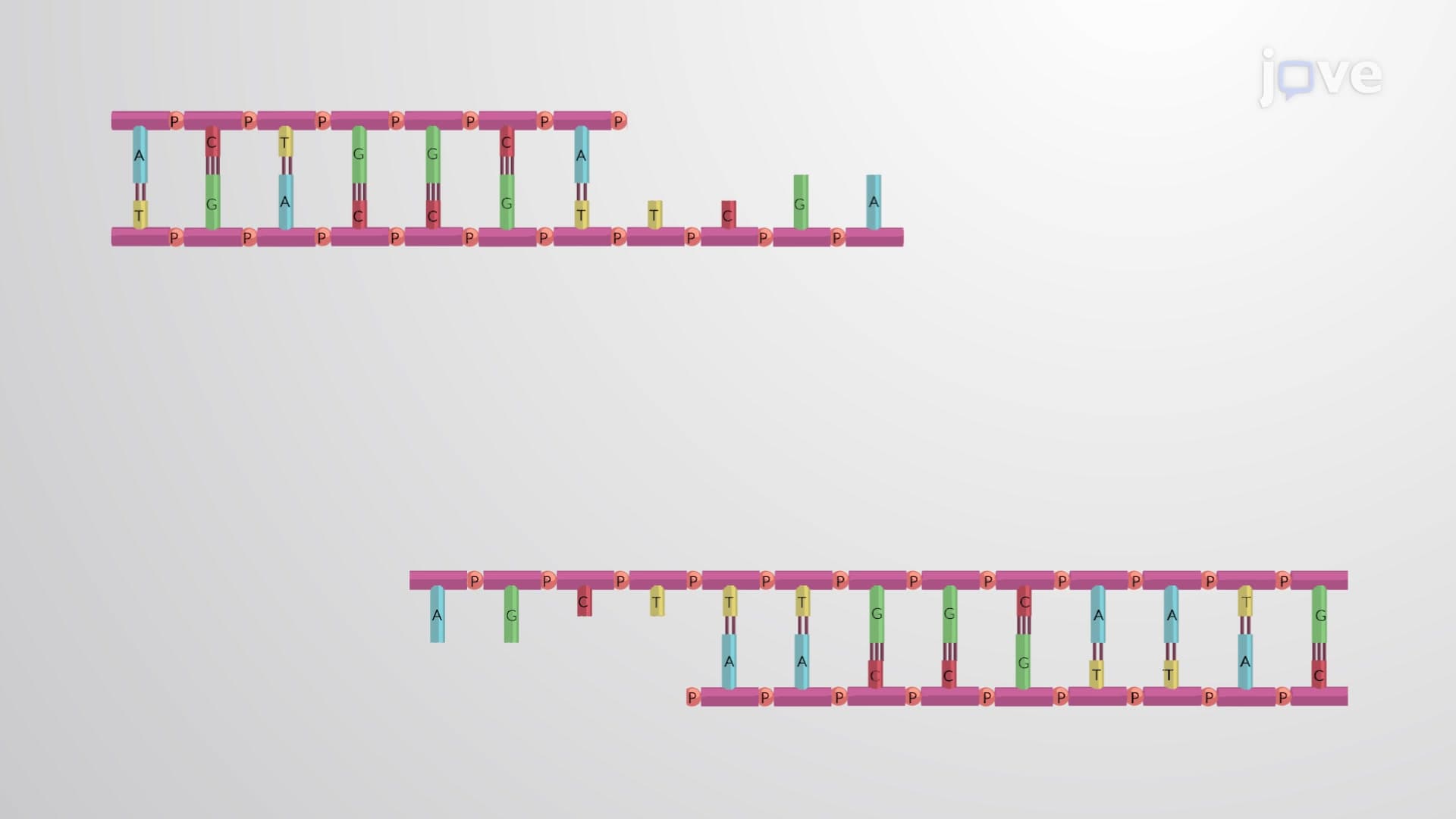
The creation of complementary DNA involves a sophisticated enzymatic process centered on reverse transcriptase. This enzyme, originally discovered in HIV and other retroviruses, performs the remarkable feat of synthesizing DNA from an RNA template-essentially reversing the normal flow of genetic information. The process begins with mature messenger RNA (mRNA) that has already undergone splicing to remove introns. Reverse transcriptase then creates a single-stranded DNA copy complementary to this mRNA template, which can subsequently be converted into stable double-stranded DNA.
Practical Applications in Research and Medicine
Complementary DNA has transformed modern molecular biology research, particularly in studying eukaryotic genes. When researchers at institutions like Stanford University or the National Institutes of Health need to express human proteins in bacterial systems, they rely on cDNA because bacteria cannot process introns found in genomic DNA. This technology enables the production of life-saving medications like human insulin and growth hormone through recombinant DNA techniques.
Clinical and Academic Relevance
For students preparing for standardized exams like the AP Biology exam or MCAT, understanding cDNA is crucial. These assessments frequently test knowledge of gene expression analysis techniques, including quantitative PCR (qPCR) experiments that rely on cDNA synthesis. College-level molecular biology courses at universities across the United States emphasize cDNA's role in functional genomics, making it a foundational concept for pre-med and biology majors. The ability to create cDNA libraries representing specific tissue types or disease conditions has accelerated medical research, contributing to personalized medicine approaches now being developed at major medical centers like Johns Hopkins and Mayo Clinic.
Frequently Asked Questions
Complementary DNA (cDNA) is synthetic DNA created from RNA templates using reverse transcriptase. Unlike genomic DNA, cDNA contains only exons (protein-coding sequences) and lacks introns, making it a "clean" copy of actively expressed genes that's ideal for research applications.
AP Biology frequently tests gene expression concepts, and cDNA is fundamental to techniques like qPCR and gene cloning. Understanding cDNA synthesis helps students grasp the central dogma's flexibility and prepares them for free-response questions about molecular biology techniques.
The MCAT includes cDNA in Biological and Biochemical Foundations sections, particularly in passages about gene expression analysis, recombinant protein production, and research methodology. Students should understand reverse transcriptase function and cDNA's advantages over genomic DNA for bacterial expression systems.
Major US pharmaceutical companies like Genentech use cDNA to produce therapeutic proteins such as insulin, interferon, and monoclonal antibodies. Research institutions across America employ cDNA libraries to study disease-specific gene expression patterns and develop targeted treatments.
While cDNA involves complex molecular processes, the basic concept is straightforward: it's DNA made from RNA that represents only active genes. Students with solid understanding of transcription and translation can master cDNA concepts through step-by-step learning and visual aids.
Focus on the reverse transcriptase mechanism, compare cDNA versus genomic DNA characteristics, and practice explaining why cDNA is used for bacterial expression systems. Create diagrams showing the synthesis process and memorize key applications like qPCR and protein production.
Build on cDNA knowledge by exploring advanced topics like RNA sequencing (RNA-seq), CRISPR gene editing techniques, and bioinformatics applications. These areas represent cutting-edge molecular biology research happening at top US universities and biotechnology companies.
Related Micro-courses
19 Concepts

11 Concepts

18 Concepts