Loading subject page…


1,346,738 views


Video Summary: What Is DNA Isolation
Every crime scene investigation on shows like CSI relies on DNA isolation to identify suspects from tiny blood drops or hair follicles. DNA isolation is the fundamental laboratory technique that separates genetic material from cellular components, making it accessible for analysis in everything from forensic investigations at the FBI to genetic testing at companies like 23andMe. This three-step process-cell lysis, protein removal, and DNA recovery-forms the foundation of modern biotechnology and molecular biology research. Watch the full video on JoVE Coach to master this concept with expert-led visuals and step-by-step explanations.
DNA isolation represents one of the most fundamental techniques in molecular biology, serving as the essential first step before any genetic analysis can occur. Whether you're preparing for the AP Biology exam or studying biochemistry at Stanford University, mastering this concept is crucial for understanding how scientists access the genetic blueprint locked within our cells.
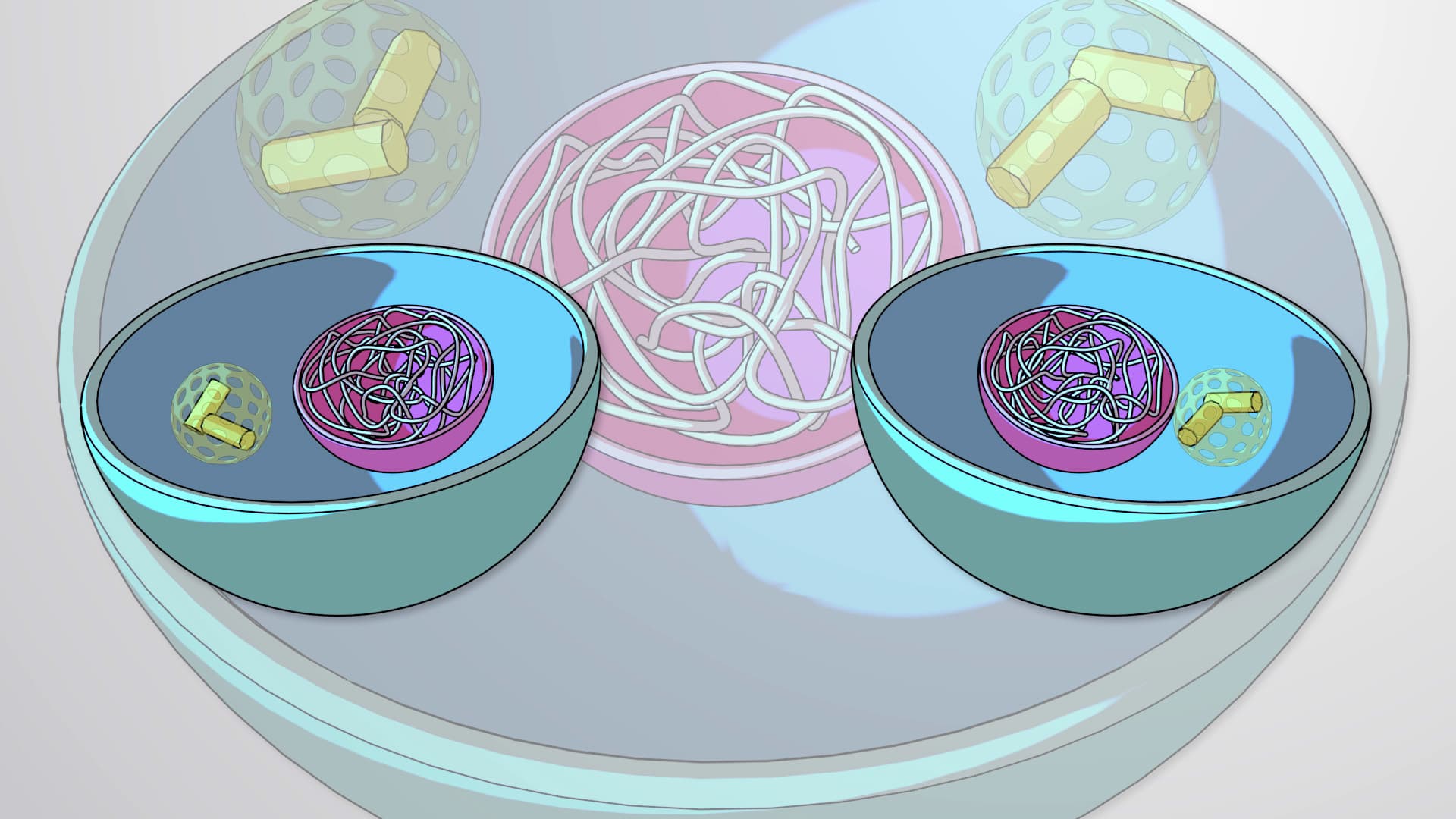
The process becomes particularly important when you consider that in eukaryotic cells, DNA exists tightly packaged within the nucleus, wrapped around histone proteins and protected by both nuclear and cellular membranes. This sophisticated packaging system, while excellent for protecting genetic material during normal cellular functions, presents a significant challenge when researchers need to access DNA for analysis.
Cell Lysis: Breaking Down Barriers
The first step involves disrupting both the cell membrane and nuclear membrane to release cellular contents. Mechanical methods include grinding tissue samples (imagine processing muscle tissue from a biopsy at Johns Hopkins Hospital) or using sonication, where high-frequency sound waves physically break apart cellular structures. Chemical approaches employ detergents like sodium dodecyl sulfate (SDS) that dissolve membrane lipids, or enzymes such as lysozyme that break down cell wall components in bacterial samples.
Protein Removal: Clearing the Way
After cell lysis, the resulting mixture contains DNA along with numerous proteins that must be removed to obtain pure genetic material. Centrifugation first separates heavy debris from the soluble components, creating a supernatant rich in nucleic acids and proteins. Proteolytic enzymes like proteinase K then break peptide bonds, effectively dismantling unwanted proteins. This step proves critical in applications like genetic testing at companies such as Illumina, where protein contamination could interfere with DNA sequencing accuracy.
DNA Recovery: Capturing the Prize
The final step involves precipitating DNA from solution using alcohol (typically ethanol or isopropanol) combined with salts like sodium acetate. This precipitation technique works because DNA becomes insoluble in high-salt, alcoholic conditions, allowing it to form visible white strands that can be collected. The recovered DNA is then dissolved in water or specialized buffers for storage and further analysis.
Students preparing for the MCAT will encounter DNA isolation concepts in biochemistry sections, particularly when studying recombinant DNA technology and genetic engineering. In college laboratory courses at institutions like UC Berkeley or MIT, students often perform DNA isolation as their first hands-on molecular biology experiment, extracting DNA from strawberries or cheek cells to visualize genetic material directly.
Related Micro-courses