Loading subject page…


1,346,742 views

Video Summary: What Is Genome Annotation and Assembly
Did you know that sequencing the human genome produces over 3 billion DNA puzzle pieces that scientists must reassemble? Genome annotation and assembly transforms fragmented DNA sequences into complete, functional genome maps through sophisticated computational methods. The NIH's Human Genome Project exemplifies how What is Genome Annotation And Assembly principles enable researchers to reconstruct entire genetic blueprints from thousands of short DNA fragments. This process combines assembly algorithms that piece together overlapping sequences with annotation tools that identify genes and their functions. Watch the full video on JoVE Coach to master this concept with expert-led visuals and step-by-step explanations.
What is Genome Annotation And Assembly represents two interconnected processes that transform raw DNA sequencing data into meaningful biological information. Modern sequencing technologies, including those used by companies like Illumina and Pacific Biosciences, cannot read entire chromosomes continuously. Instead, they generate millions of short DNA fragments that must be computationally reconstructed-much like assembling a massive jigsaw puzzle where pieces may be missing or damaged.
The genome assembly process follows a systematic approach crucial for AP Biology and college-level molecular biology courses. First, raw data quality analysis removes contaminated sequences and adapter sequences-short DNA segments added during library preparation. Students preparing for the MCAT should understand that this step is critical because poor-quality data can introduce errors that propagate throughout the entire assembly.
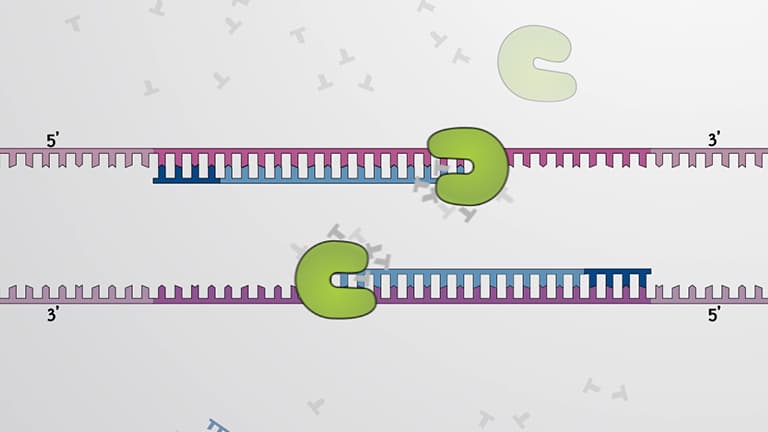
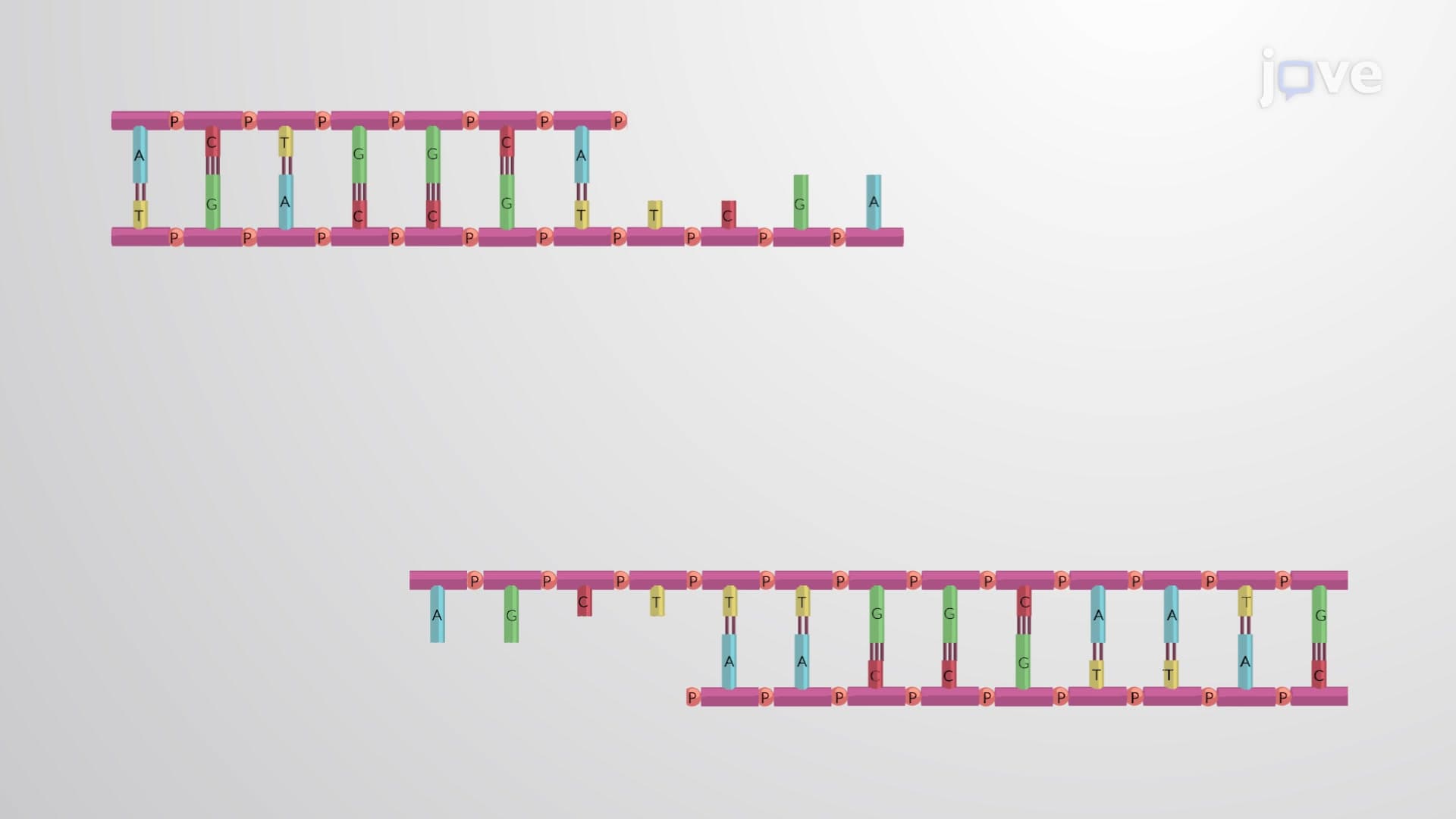
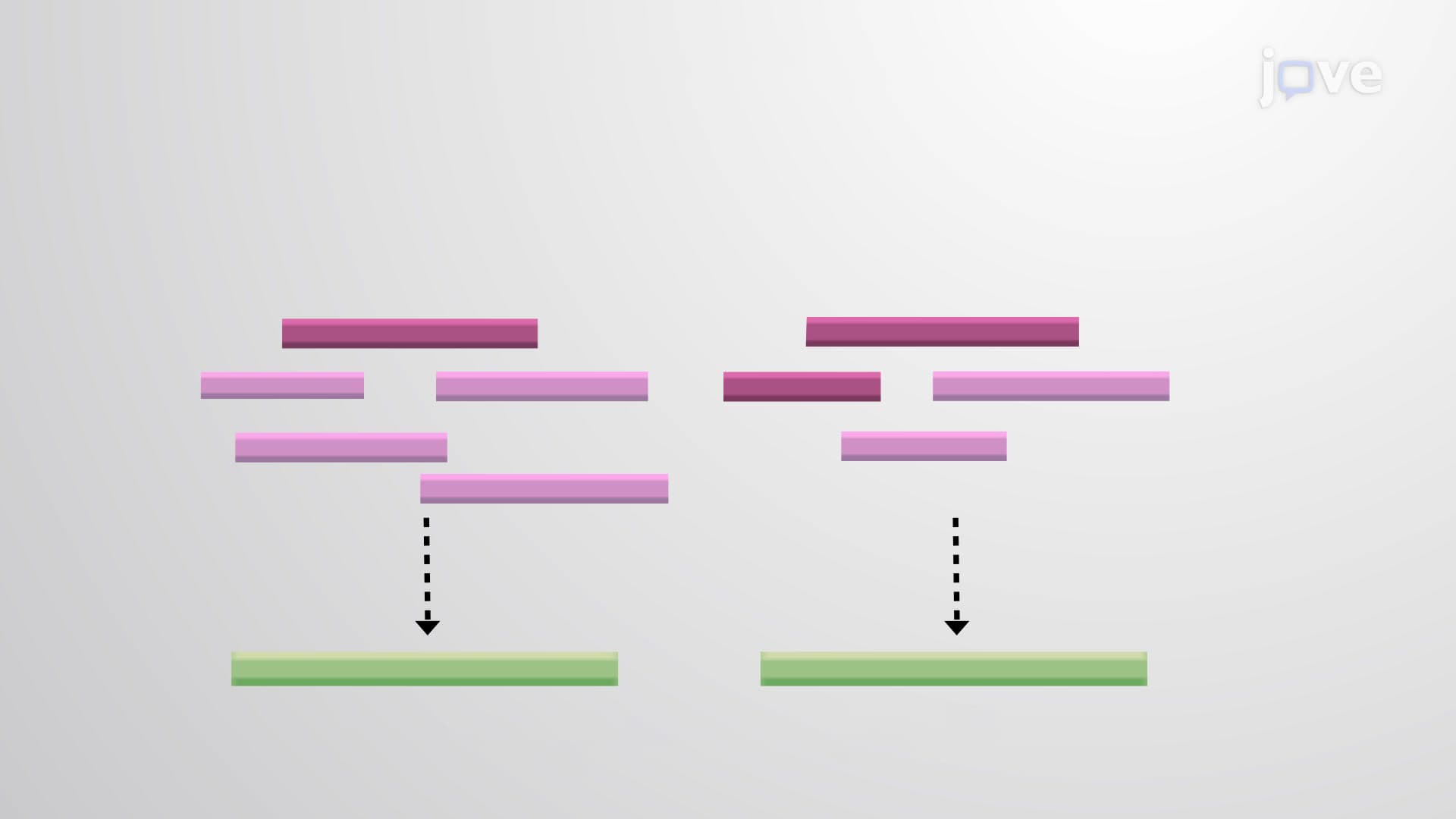
Next, contig assembly uses sophisticated algorithms to identify overlapping regions between DNA reads. The overlap-layout-consensus approach, commonly tested in bioinformatics courses, aligns sequences based on shared segments typically 20-40 nucleotides long. This process creates contiguous sequences (contigs) that represent assembled portions of the genome.
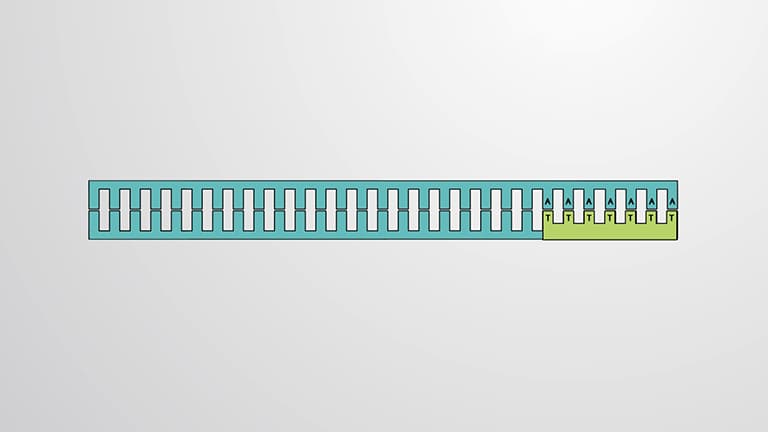
Scaffolding then connects these contigs using paired-end reads-sequences obtained from both ends of longer DNA fragments. This technique, developed at institutions like the Broad Institute, provides distance information that helps orient contigs correctly. When gaps exist between contigs, they're initially filled with placeholder "N" characters, though long-read technologies can now provide actual sequences for many gaps.
Following assembly, genome annotation identifies and characterizes genomic features through computational prediction and experimental validation. Structural annotation locates genes, regulatory elements, and repetitive sequences using algorithms like GeneMark and Augustus. These tools, frequently discussed in college bioinformatics courses, scan for characteristic patterns including start codons, splice sites, and promoter sequences.
Functional annotation then assigns biological roles to identified features by comparing sequences against databases like NCBI's RefSeq and UniProt. This process helps researchers understand how genetic variations might affect protein function-knowledge essential for medical genetics applications at institutions like the NIH Clinical Center.
Modern annotation pipelines integrate multiple evidence types, including RNA sequencing data from similar organisms, protein homology searches, and domain predictions. Students should recognize that annotation quality directly impacts downstream research, from drug discovery at pharmaceutical companies to crop improvement programs at agricultural research centers.
Related Micro-courses