Loading subject page…

- Molecular Biology
- Studying DNA and RNA
- Next-generation Sequencing
Micro-course: Studying DNA and RNA
1,346,737 views
Learn key concepts and earn your certificate.







Next-generation Sequencing

00:00
03:00
Video Summary: What Is Next Generation Sequencing
Did you know that scientists can now sequence an entire human genome in just one day-a process that once took over a decade? Next generation sequencing represents a revolutionary leap from traditional DNA sequencing methods, enabling rapid, cost-effective analysis of genetic material from multiple species and individuals simultaneously. The FDA has approved NGS-based tests for cancer diagnosis at major US hospitals like Memorial Sloan Kettering, transforming personalized medicine. Understanding what is next generation sequencing reveals how this technology drives breakthrough discoveries in genetics, medicine, and biotechnology. Watch the full video on JoVE Coach to master this concept with expert-led visuals and step-by-step explanations.
- Understand what is next generation sequencing and how it differs fundamentally from traditional Sanger sequencing methods in speed, cost, and throughput capabilities
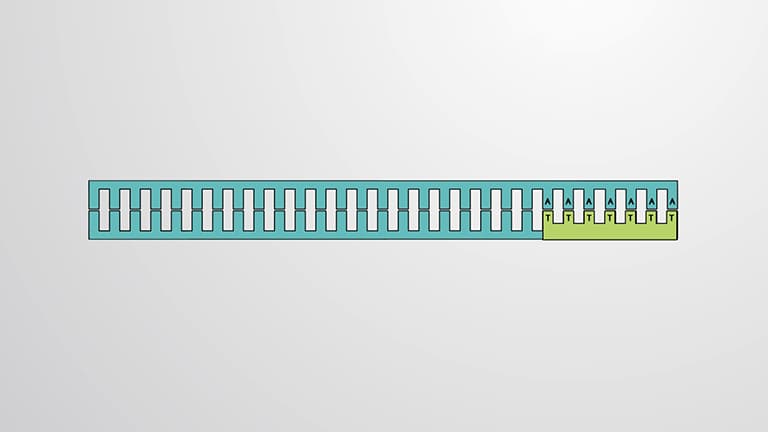
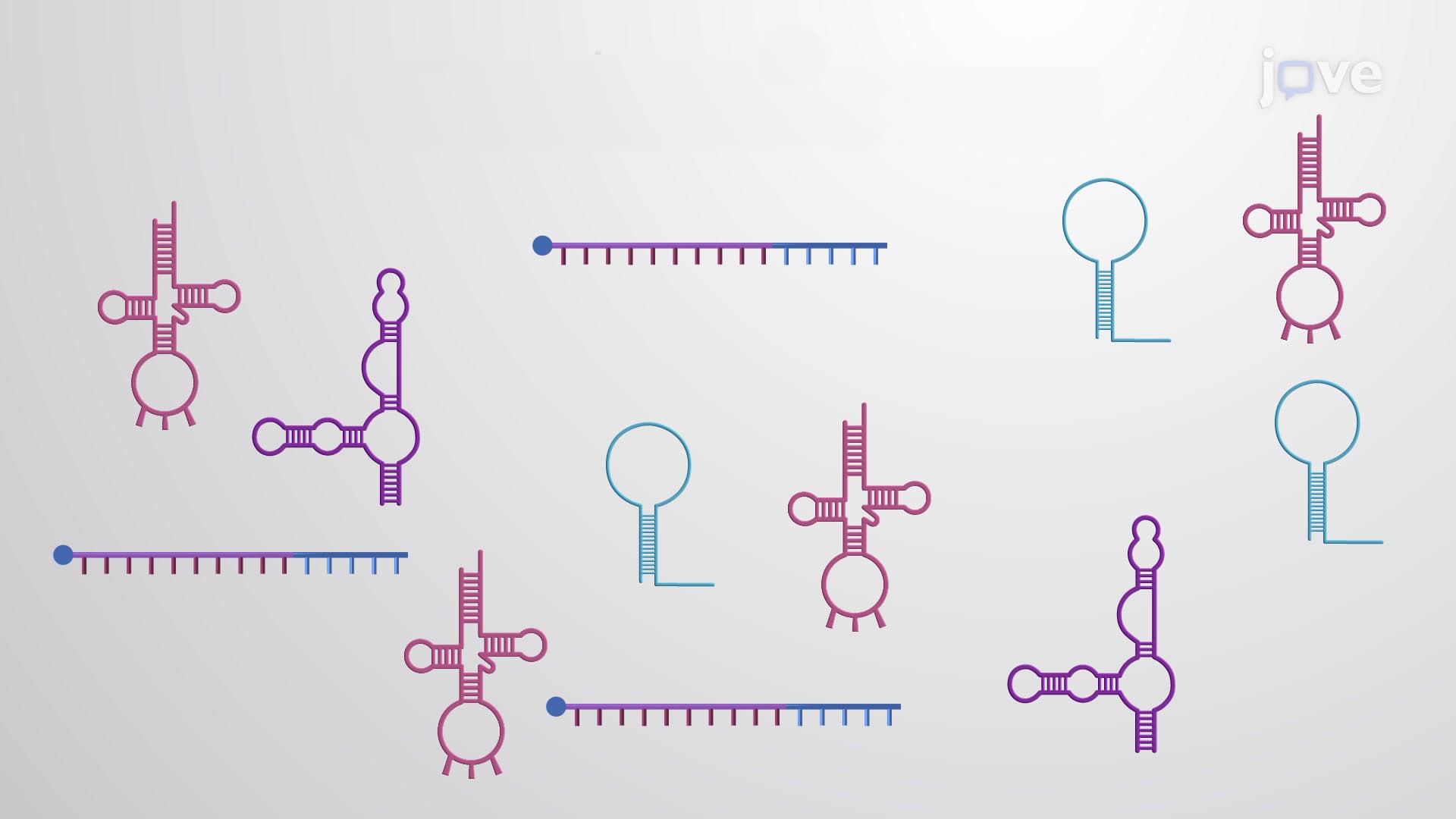
- Identify the three main NGS methodologies-reversible terminator sequencing, pyrosequencing, and sequencing by ligation-and their distinct technical approaches
- Analyze the step-by-step process of reversible terminator sequencing, including DNA fragmentation, adapter ligation, bridge amplification, and fluorescent detection
- Compare the advantages of NGS technologies over conventional sequencing in terms of parallel processing, reduced costs, and clinical applications
- Evaluate how bridge amplification creates clonal clusters and why this amplification step is crucial for generating detectable signals during sequencing
- Apply knowledge of NGS principles to understand its role in personalized medicine, population genetics, and genomic research studies
- Recognize the significance of reversible terminators and fluorescent labeling in enabling accurate base identification during the sequencing process
- Explore real-world applications of NGS in clinical diagnostics, pharmaceutical development, and agricultural genomics research
Understanding What is Next Generation Sequencing: A Technological Revolution
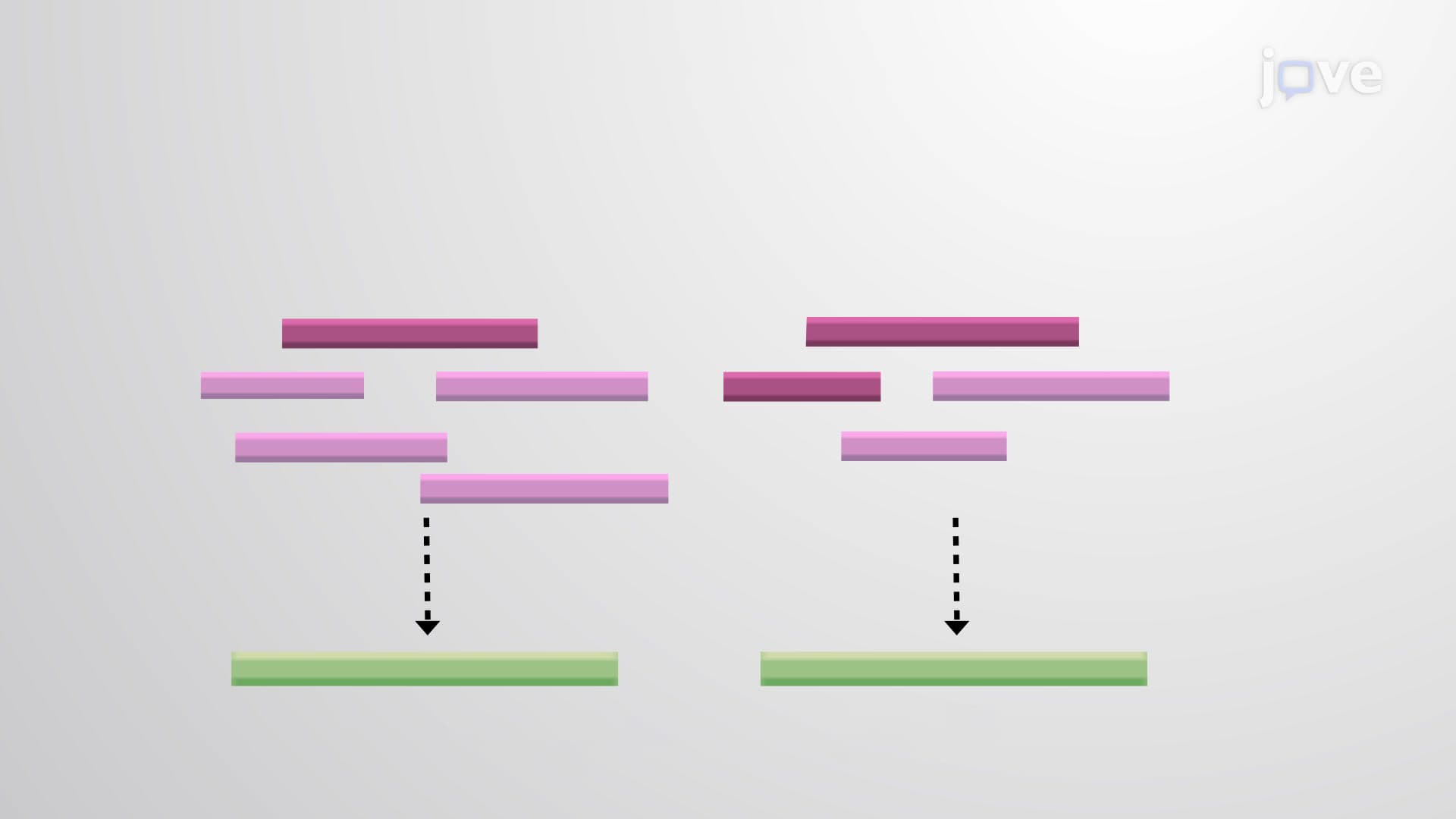
Next generation sequencing represents a paradigm shift in genetic analysis, moving beyond the limitations of traditional Sanger sequencing to enable massive parallel processing of DNA samples. Unlike conventional methods that sequence one DNA fragment at a time, NGS technologies can simultaneously analyze millions of DNA fragments, dramatically reducing both time and cost while increasing data output exponentially.
The term "next generation" distinguishes these modern approaches from first-generation Sanger sequencing, which dominated genetic research for decades. While Sanger sequencing remains highly accurate for small-scale projects, NGS excels in large-scale genomic studies, making it indispensable for projects like the Human Genome Project's completion and ongoing clinical genomics initiatives at institutions like the National Institutes of Health.
Core NGS Methodologies and Technical Approaches
The next generation sequencing landscape encompasses several distinct methodologies, with reversible terminator sequencing emerging as the most widely adopted approach. This method, pioneered by companies like Illumina, dominates the US market and powers sequencing platforms used in major research universities and clinical laboratories nationwide.
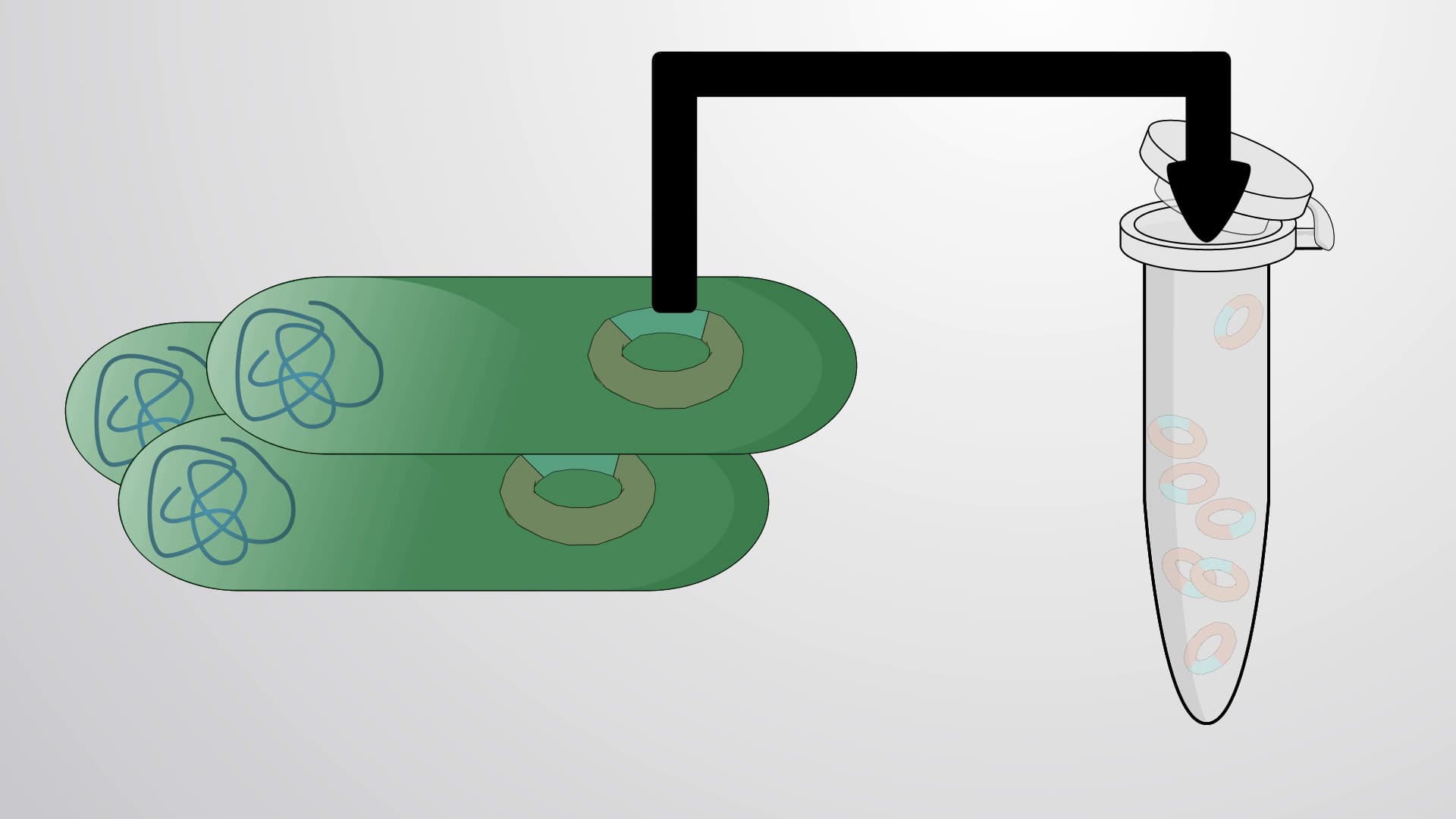
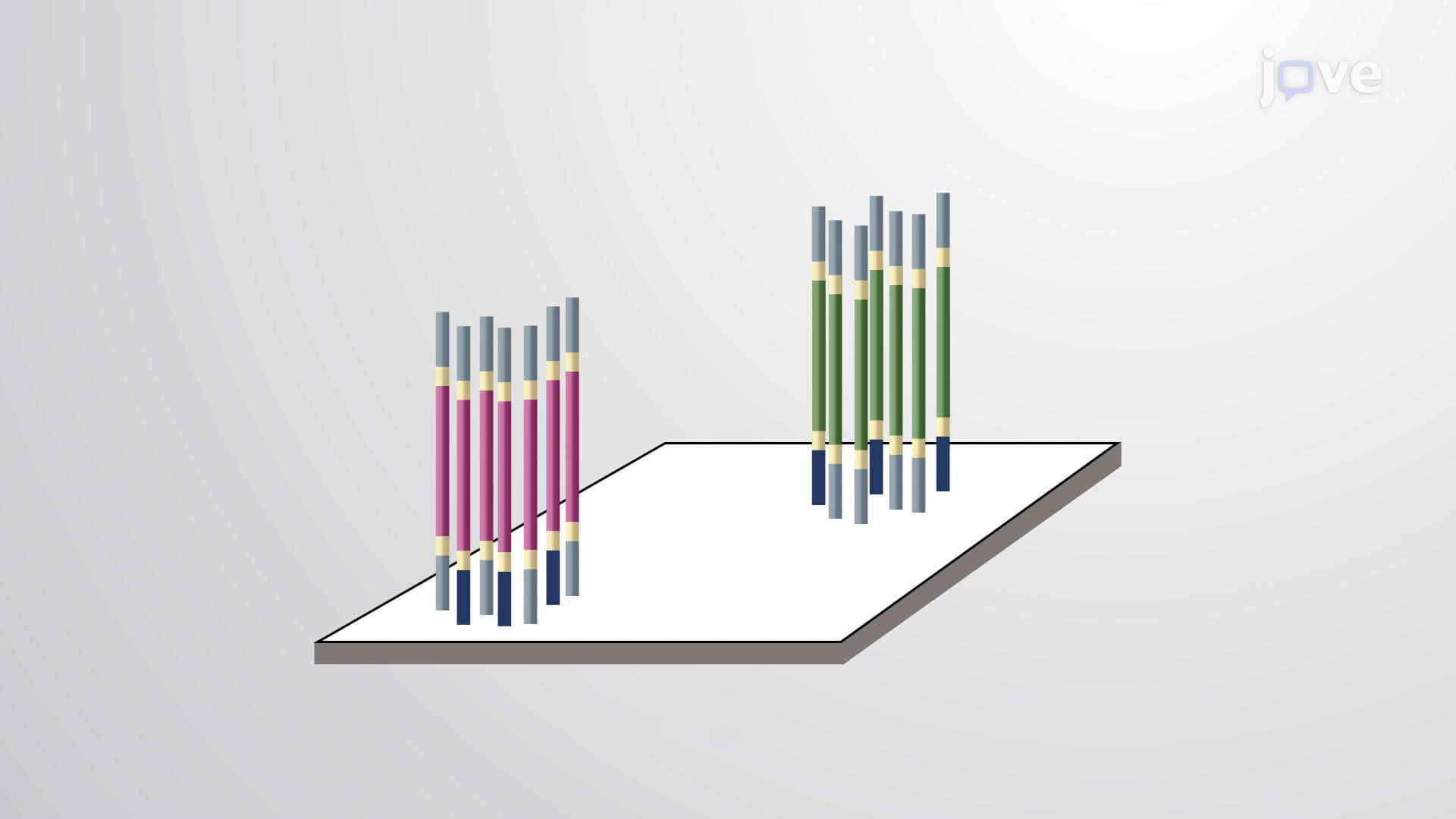
Reversible terminator sequencing begins with genomic DNA fragmentation into manageable 100-1000 base pair segments, followed by adapter ligation-a process that attaches specialized oligonucleotide sequences containing primer binding sites to fragment ends. These adapters serve as universal handles, allowing fragments to bind to complementary sequences on specialized flow cells, which are essentially glass surfaces containing millions of binding sites.
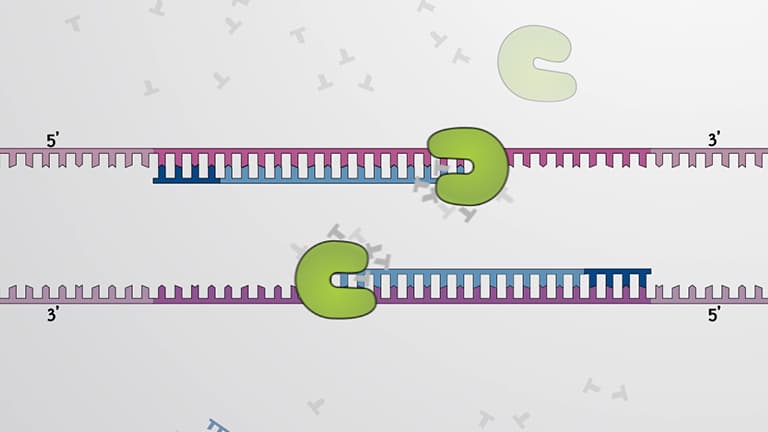
The bridge amplification process represents a crucial innovation in NGS technology. Single-stranded DNA fragments bound to the flow cell undergo cycles of synthesis and denaturation, creating bridge-like structures that enable localized DNA amplification. This process generates clonal clusters-groups of identical DNA copies concentrated in specific flow cell regions-providing sufficient signal strength for accurate base detection during sequencing reactions.
Clinical Applications and Real-World Impact
NGS technology has revolutionized clinical diagnostics across the United States, with FDA-approved panels now routinely used in oncology, rare disease diagnosis, and pharmacogenomics. Major cancer centers like MD Anderson and Johns Hopkins utilize NGS-based tumor profiling to guide personalized treatment decisions, while newborn screening programs increasingly incorporate NGS for comprehensive genetic disorder detection.
The technology's impact extends beyond clinical applications into agricultural genomics, environmental monitoring, and pharmaceutical development. Companies like Monsanto (now part of Bayer) employ NGS for crop improvement programs, while the CDC uses NGS for infectious disease surveillance and outbreak investigation.
Academic Relevance and Exam Preparation
Students preparing for Advanced Placement Biology exams should understand NGS principles, particularly the molecular mechanisms underlying bridge amplification and fluorescent detection systems. The MCAT frequently includes NGS-related questions in its biochemistry and molecular biology sections, emphasizing the technology's role in modern genetic research and clinical applications.
Frequently Asked Questions
Next generation sequencing is a collection of advanced DNA sequencing technologies that can rapidly analyze genetic material from multiple samples simultaneously. It works by fragmenting DNA, attaching adapters, amplifying fragments on specialized chips through bridge amplification, and using fluorescently labeled nucleotides to determine the sequence of bases in each DNA fragment.
NGS can process millions of DNA fragments simultaneously, while Sanger sequencing analyzes one fragment at a time. NGS is faster, more cost-effective for large-scale projects, and generates vastly more data, making it ideal for whole genome sequencing and clinical diagnostics.
MCAT questions often focus on NGS principles like bridge amplification, the role of reversible terminators, and clinical applications in personalized medicine. Students should understand the molecular mechanisms behind parallel sequencing and be able to compare NGS advantages over traditional methods.
NGS is widely used for cancer genomics at major US cancer centers, rare disease diagnosis in pediatric hospitals, pharmacogenomic testing to guide drug selection, and infectious disease surveillance by the CDC. It's also essential for newborn screening programs and prenatal genetic testing.
While NGS involves complex molecular biology, the basic concepts are accessible to students with foundational knowledge of DNA structure and replication. Breaking down the process into discrete steps-fragmentation, amplification, and detection-makes it easier to grasp.
Focus on understanding the molecular mechanisms of bridge amplification and how reversible terminators enable accurate base calling. Create flowcharts showing each step from DNA fragmentation to sequence determination, and practice explaining the advantages of parallel processing over traditional methods.
Bridge amplification occurs when single-stranded DNA fragments bound to a flow cell bend over to form bridge structures using adapters on both ends. DNA polymerase synthesizes complementary strands, and repeated cycles of synthesis and denaturation create thousands of identical copies in localized clusters.
Advanced topics include bioinformatics analysis of NGS data, specific clinical applications like liquid biopsies, emerging long-read sequencing technologies, and the role of NGS in precision medicine initiatives. Consider exploring CRISPR applications that rely on NGS for validation.
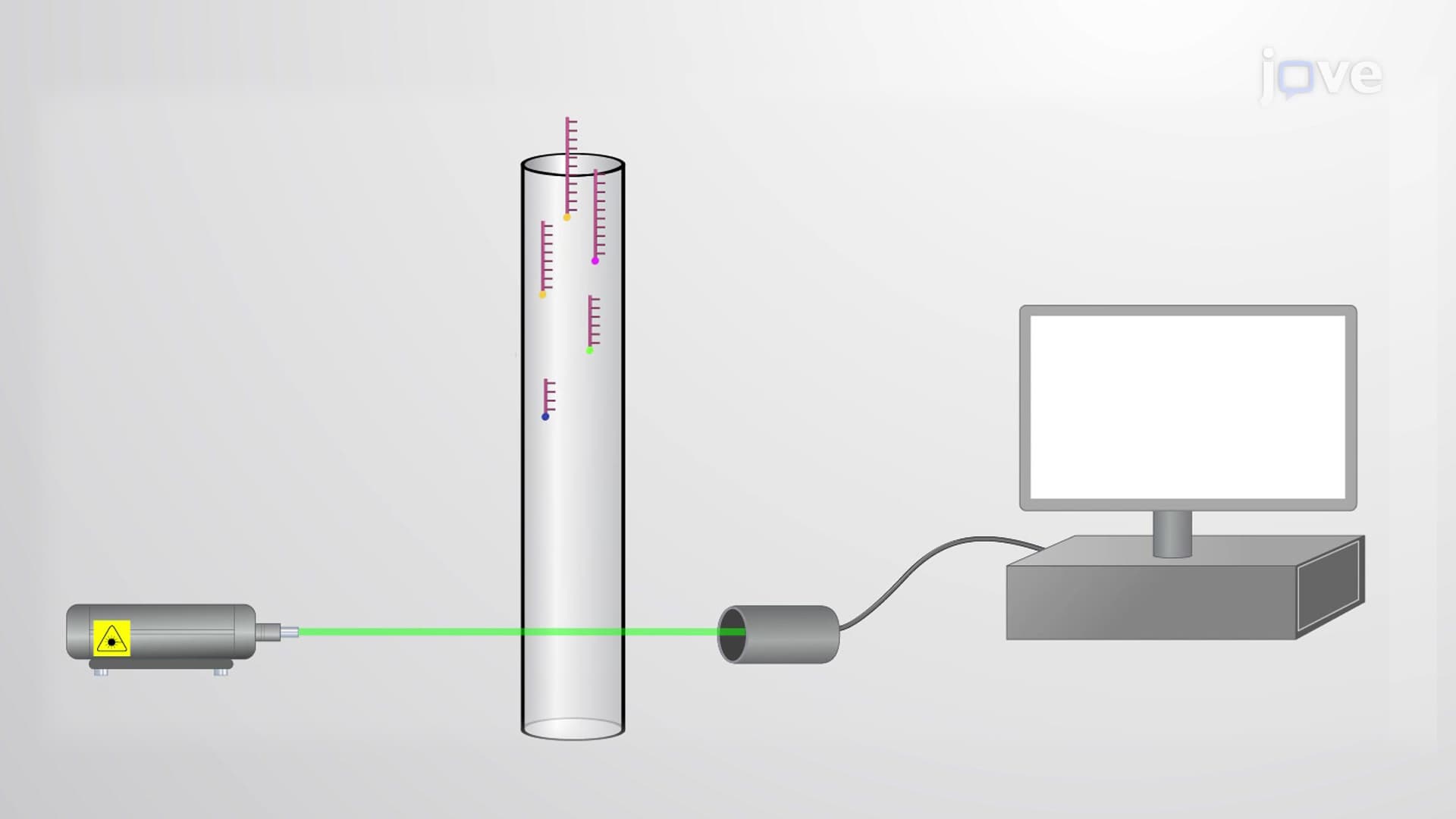
Reversible terminators contain blocking groups that prevent addition of multiple nucleotides in a single reaction cycle, ensuring accurate base-by-base sequencing. Each terminator is tagged with a unique fluorescent label, allowing identification of the incorporated base before the blocking group is removed for the next cycle.
Related Micro-courses
19 Concepts

11 Concepts

18 Concepts