Loading subject page…


1,346,742 views

Video Summary: What Is Pcr Polymerase Chain Reaction
Did you know that a single strand of DNA from a crime scene can be multiplied millions of times in just a few hours? PCR polymerase chain reaction makes this molecular magic possible by copying specific DNA sequences exponentially through precise temperature cycling. From detecting COVID-19 in US hospitals to solving cold cases for the FBI, What is PCR Polymerase Chain Reaction represents one of biology's most transformative techniques. Watch the full video on JoVE Coach to master this concept with expert-led visuals and step-by-step explanations.
What is PCR Polymerase Chain Reaction at its molecular core? This Nobel Prize-winning technique, developed by American biochemist Kary Mullis in 1983, exploits the natural process of DNA replication to create millions of copies from minimal starting material. The elegance lies in its simplicity: by repeatedly heating and cooling a reaction mixture, PCR mimics and amplifies the cell's own DNA copying mechanism in a test tube.
The pcr polymerase chain reaction definition centers on exponential amplification-each cycle theoretically doubles the target DNA, leading to over one million copies after just 20 cycles. This exponential growth follows the formula 2^n, where n equals the number of cycles. For AP Biology students, understanding this mathematical progression helps explain PCR's incredible sensitivity and efficiency.
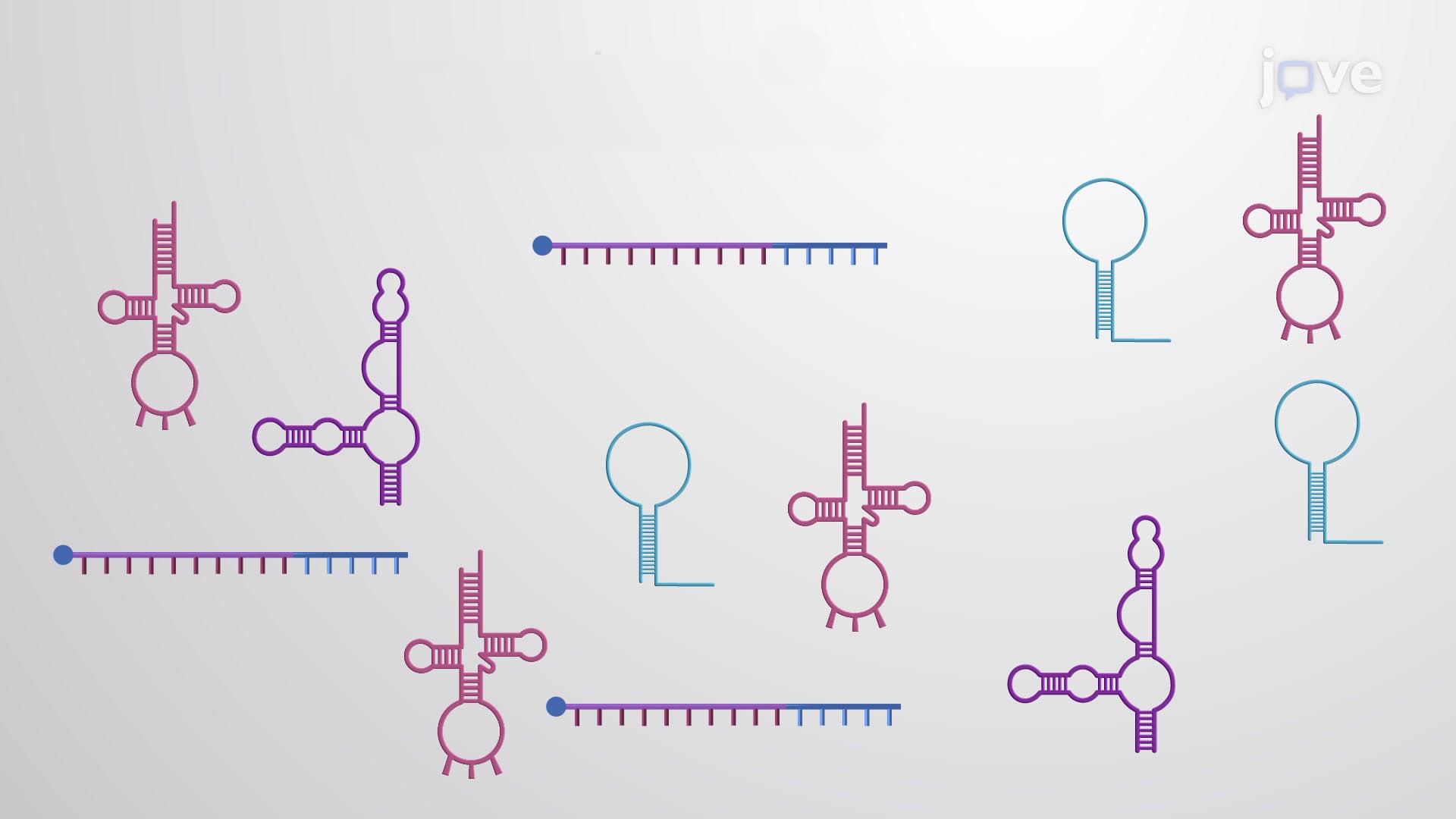
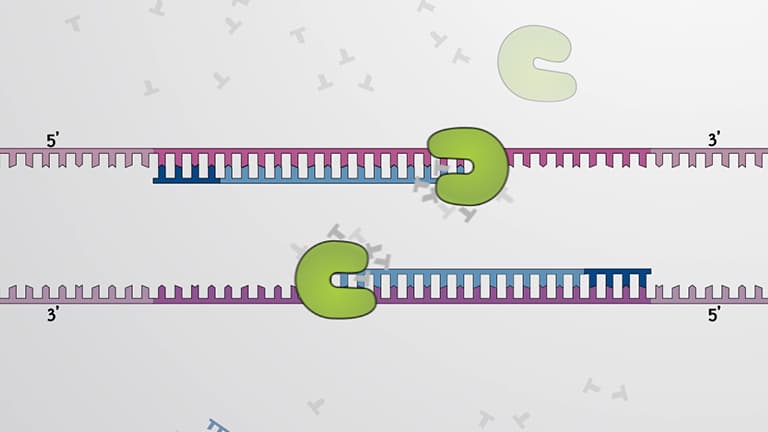
Four critical components drive every PCR reaction. First, the DNA template contains the target sequence to be amplified. Second, two primers-short DNA sequences (typically 18-25 nucleotides)-flank the target region and provide starting points for DNA synthesis. Third, deoxynucleoside triphosphates (dNTPs) supply the building blocks for new DNA strands. Finally, thermostable DNA polymerase, usually Taq polymerase from the heat-loving bacterium *Thermus aquaticus*, synthesizes new DNA at high temperatures.
Understanding pcr polymerase chain reaction requires grasping primer design principles. Effective primers have melting temperatures (Tm) between 50-65°C, minimal secondary structure formation, and specific binding only to target sequences. Poor primer design leads to non-specific amplification-a common challenge students encounter in molecular biology labs.
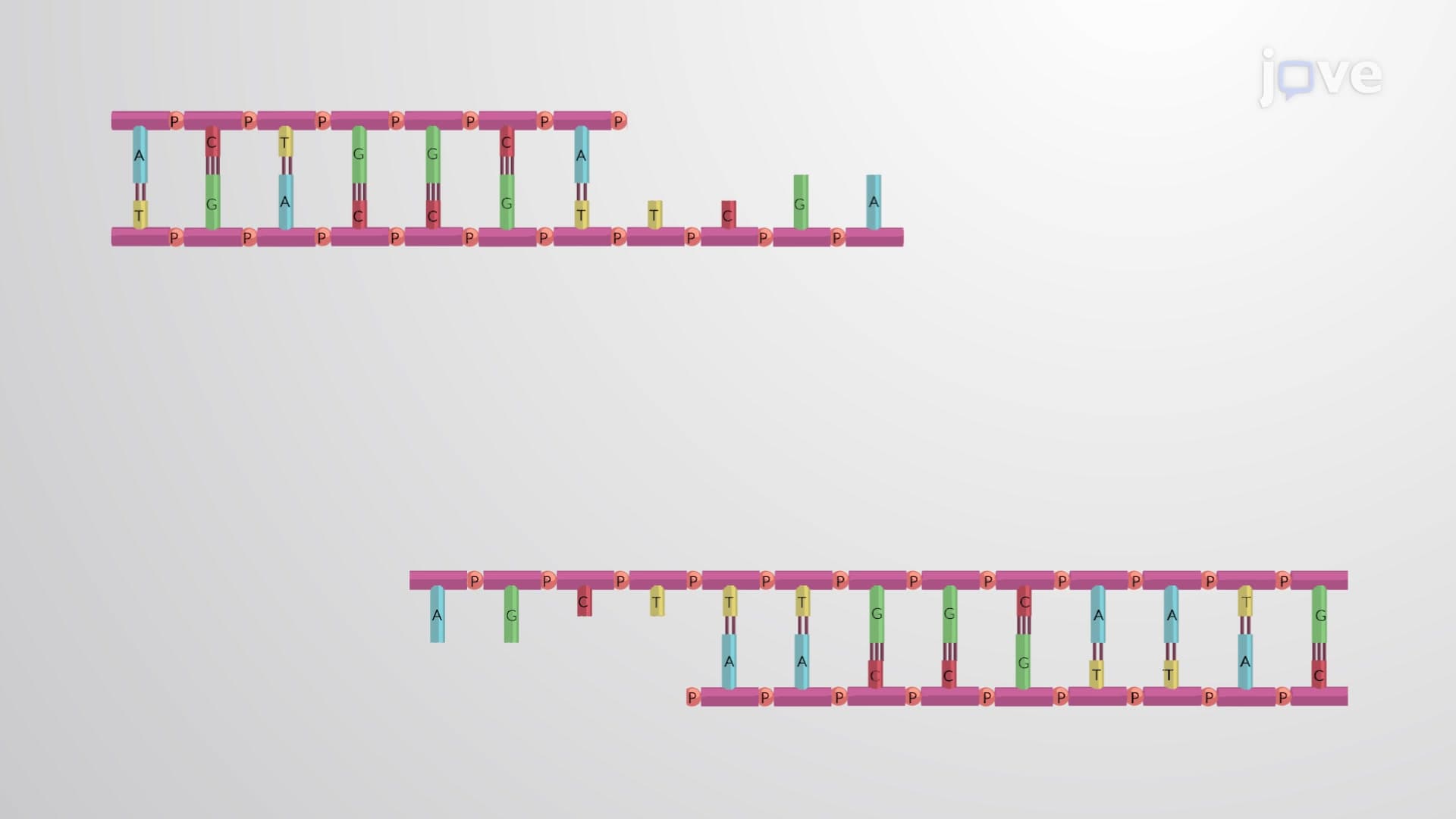
Each PCR cycle involves three precisely timed temperature steps. Denaturation occurs at 94-96°C, separating the double-stranded DNA template into single strands. During annealing (typically 50-65°C), primers bind to their complementary sequences on the template strands. Extension happens at 72°C, the optimal temperature for Taq polymerase to synthesize new DNA strands.
Modern thermal cyclers automate this process, completing 25-40 cycles in 2-4 hours. For college biochemistry courses, students often calculate theoretical yields and compare them to actual results, learning about reaction efficiency and limiting factors.
PCR polymerase chain reaction overview reveals its transformative impact across multiple fields. In medical diagnostics, PCR-based tests detect pathogens like SARS-CoV-2, HIV, and tuberculosis in US hospitals and clinics. The FDA has approved numerous PCR-based diagnostic kits, making this technique essential for modern healthcare.
Forensic laboratories across America rely on PCR for DNA fingerprinting in criminal investigations. The Combined DNA Index System (CODIS), maintained by the FBI, uses PCR-amplified DNA profiles from 20 genetic markers to solve crimes and identify victims. Even degraded samples from decades-old cold cases can yield usable DNA profiles through PCR amplification.
Related Micro-courses