Loading subject page…

Micro-course: Studying DNA and RNA
1,346,738 views
Learn key concepts and earn your certificate.







RNA-seq

00:00
03:21
Video Summary: What Is RNA Seq
Ever wondered how scientists at the CDC tracked COVID-19 mutations so quickly? RNA seq technology made it possible by reading millions of RNA molecules simultaneously. This powerful technique identifies and measures RNA sequences in biological samples, revolutionizing how researchers study gene expression at Harvard Medical School, Stanford, and beyond. From cancer research to vaccine development, what is RNA seq has become a cornerstone question in modern molecular biology. Watch the full video on JoVE Coach to master this concept with expert-led visuals and step-by-step explanations.
- Understand what is RNA seq and how this high-throughput sequencing technique identifies and quantifies RNA molecules in biological samples
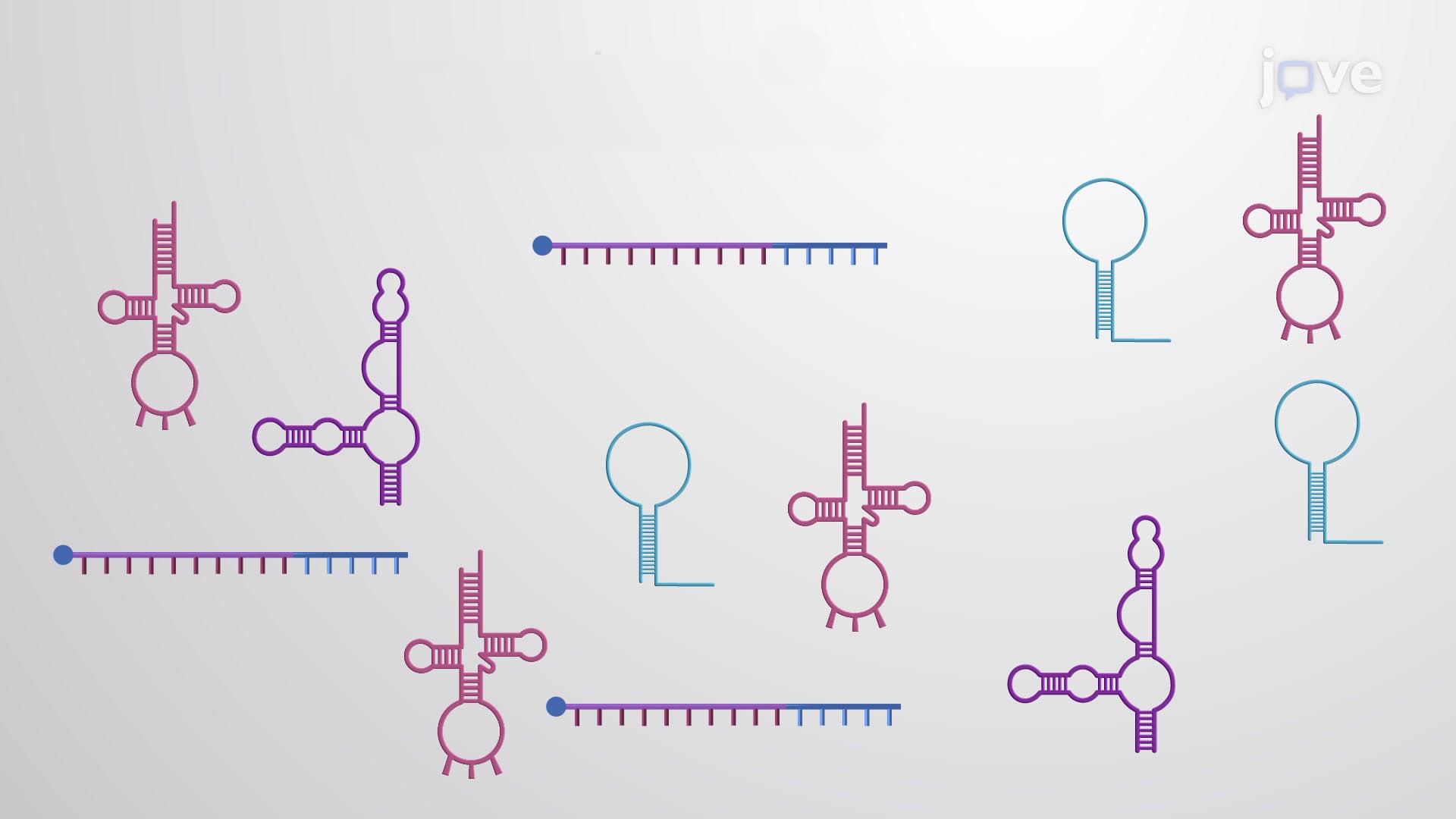
- Identify the different types of RNA that can be analyzed, including mRNA, tRNA, rRNA, and microRNA populations
- Analyze the step-by-step process from RNA isolation to cDNA synthesis and library preparation for sequencing
- Compare strand-specific versus non-strand-specific sequencing approaches and their applications
- Evaluate various RNA isolation methods, including oligo-dT selection for mRNA and size-based extraction for microRNAs
- Apply knowledge of adapter ligation, PCR amplification, and cluster generation in sequencing workflows
- Recognize how fluorescently labeled nucleotides enable simultaneous sequencing of millions of DNA clusters
- Explore real-world applications in transcriptome analysis, differential gene expression studies, and RNA editing research
Understanding RNA Seq Fundamentals
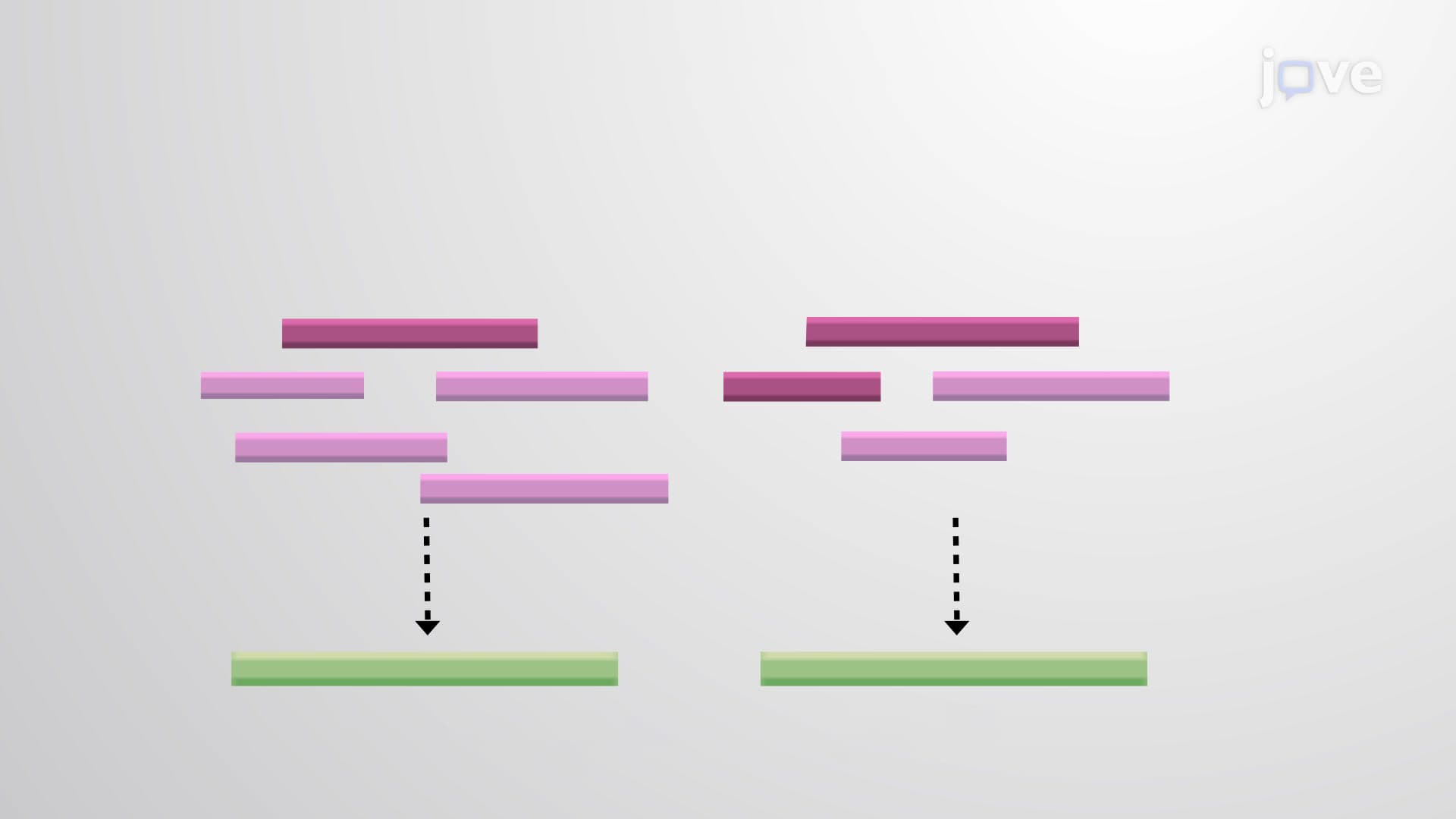
What is RNA seq represents a revolutionary shift from traditional gene expression analysis methods. Unlike older techniques that could only examine one gene at a time, RNA sequencing captures the entire transcriptome-every RNA molecule present in a cell or tissue sample. This comprehensive approach has transformed research at institutions like the National Institutes of Health (NIH) and major university medical centers across the United States.
The RNA seq definition encompasses both the technical methodology and its broader scientific impact. At its core, RNA sequencing converts RNA molecules into a sequenceable DNA library, enabling researchers to simultaneously identify, quantify, and analyze thousands of transcripts. This capability proves essential for AP Biology students studying gene regulation and college undergraduates exploring advanced molecular biology concepts.
RNA Isolation and Sample Preparation
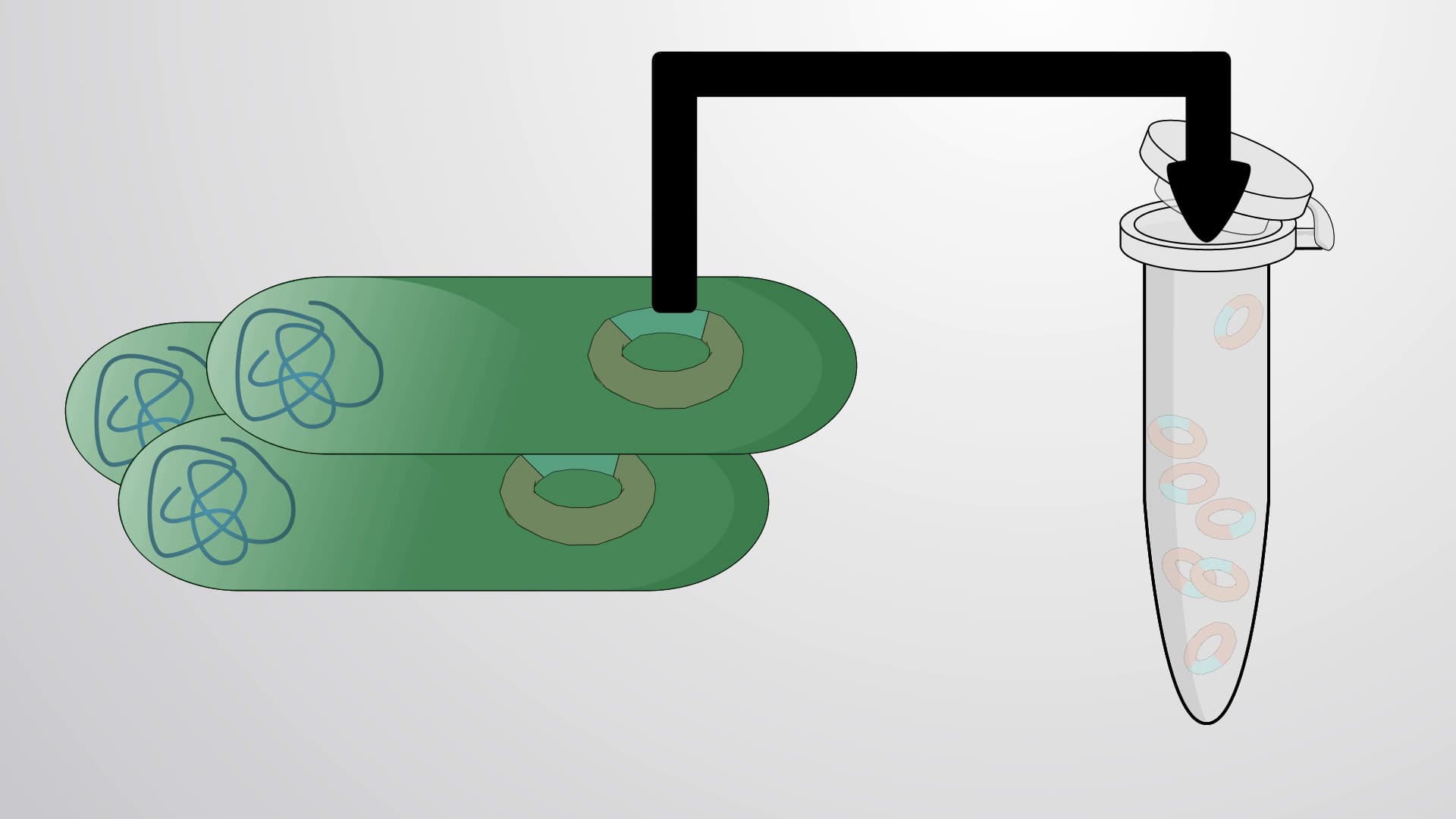
The RNA seq overview begins with careful sample preparation, where different RNA types require specialized isolation techniques. For messenger RNA (mRNA) analysis-crucial for understanding protein-coding gene expression-researchers use oligo-dT beads that bind to the poly-A tails characteristic of mature mRNA molecules. This method effectively separates mRNA from other cellular RNAs.
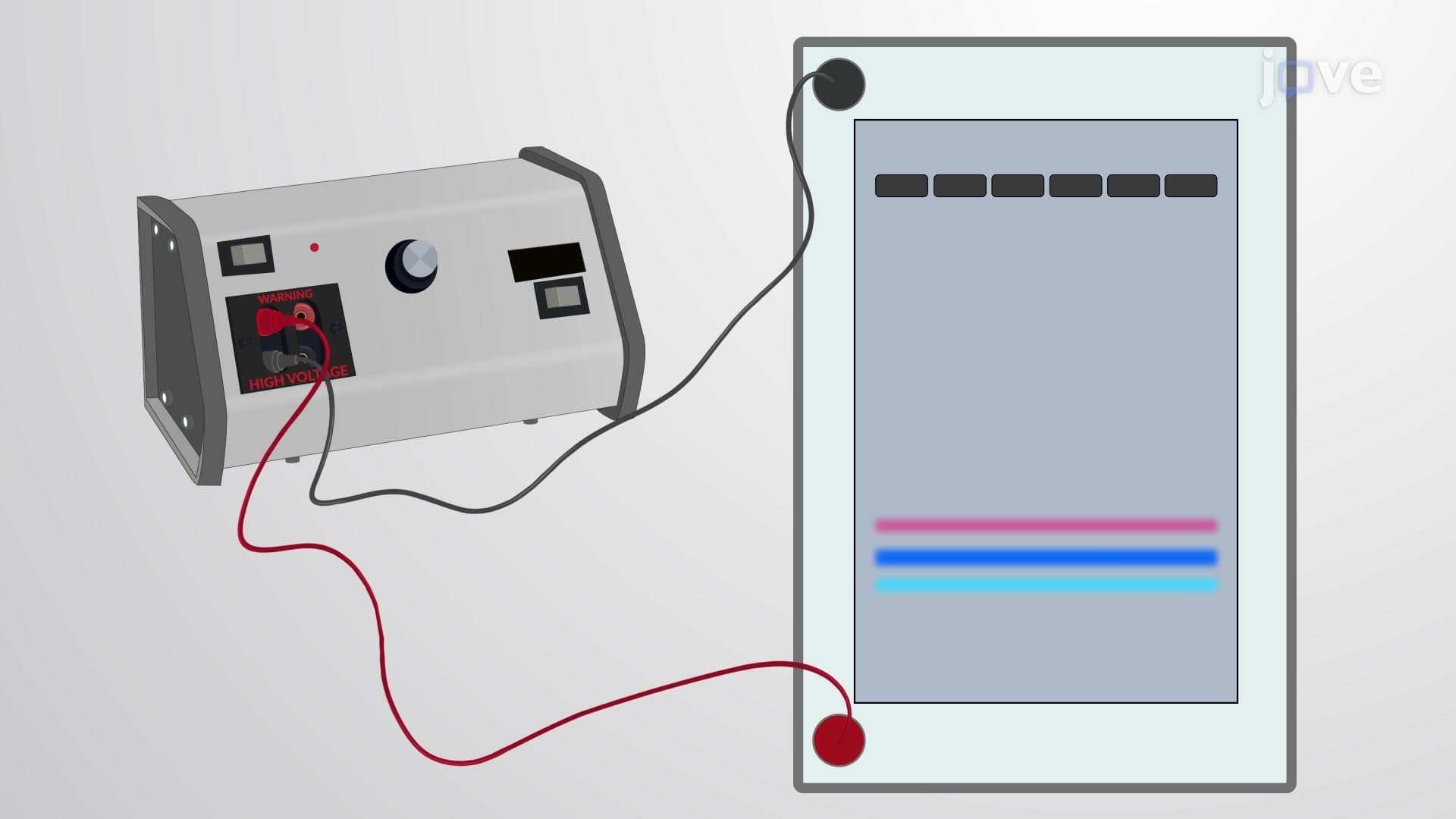
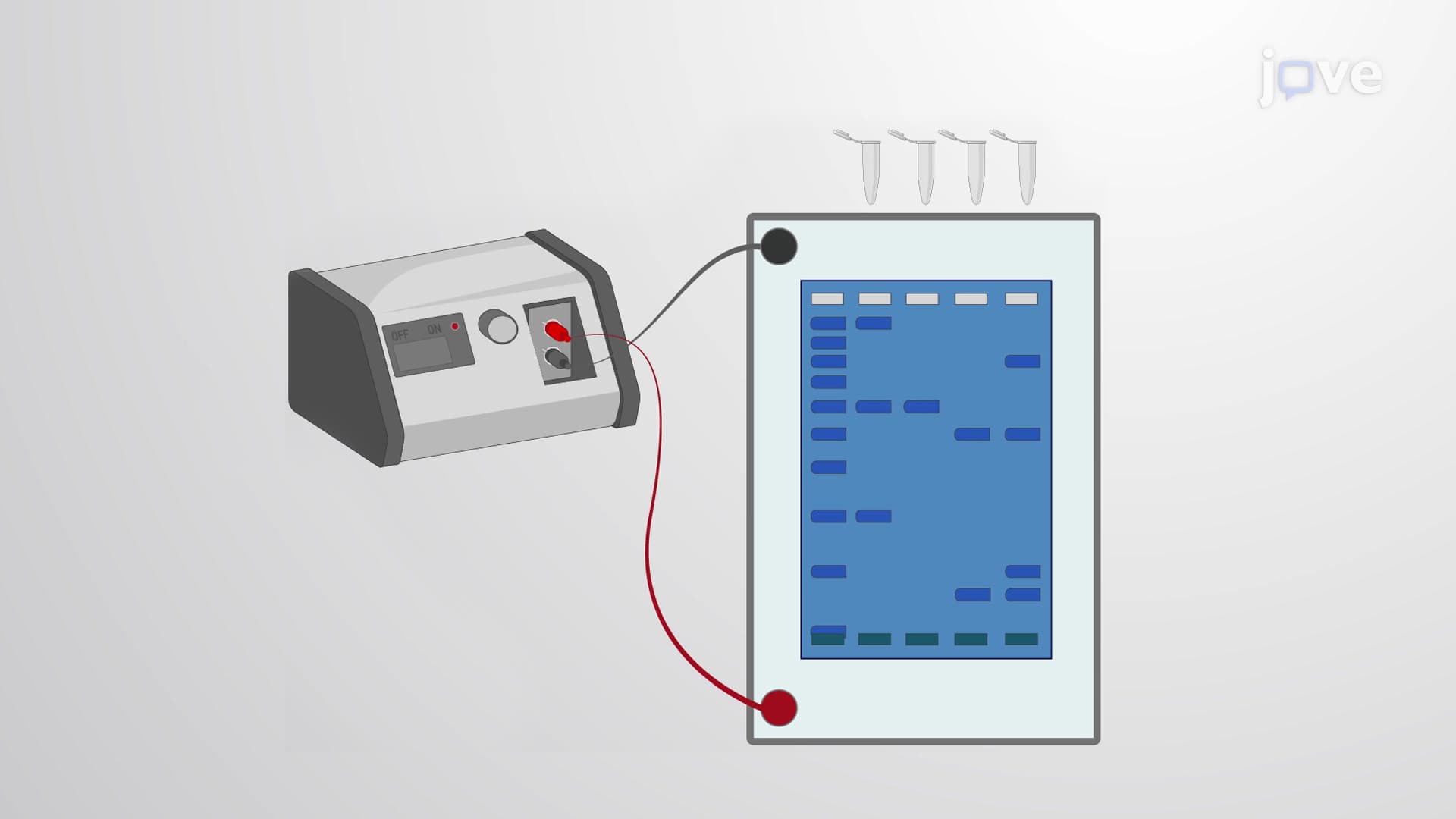
MicroRNA isolation presents unique challenges due to these molecules' small size (15-30 nucleotides). Size-based separation techniques, including gel electrophoresis or specialized column chromatography, enable researchers to study these important regulatory molecules. At research institutions like Johns Hopkins and Mayo Clinic, scientists routinely use these methods to investigate microRNA roles in disease processes.
Library Construction and Sequencing Technology
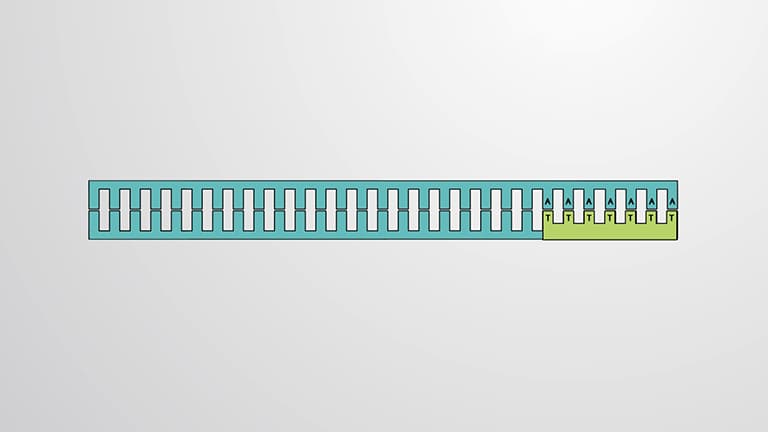
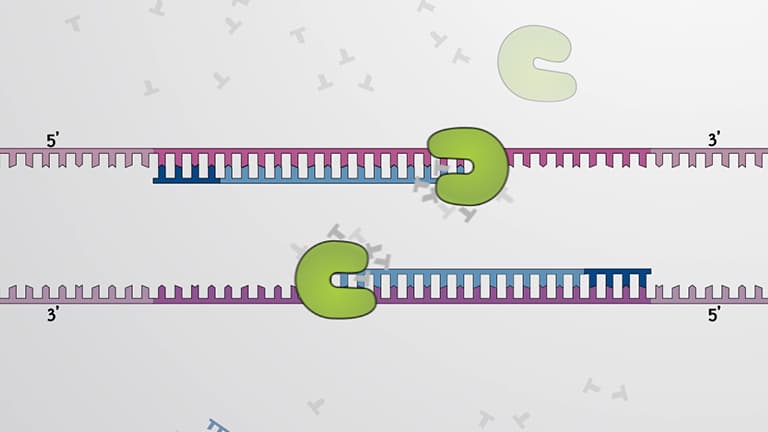
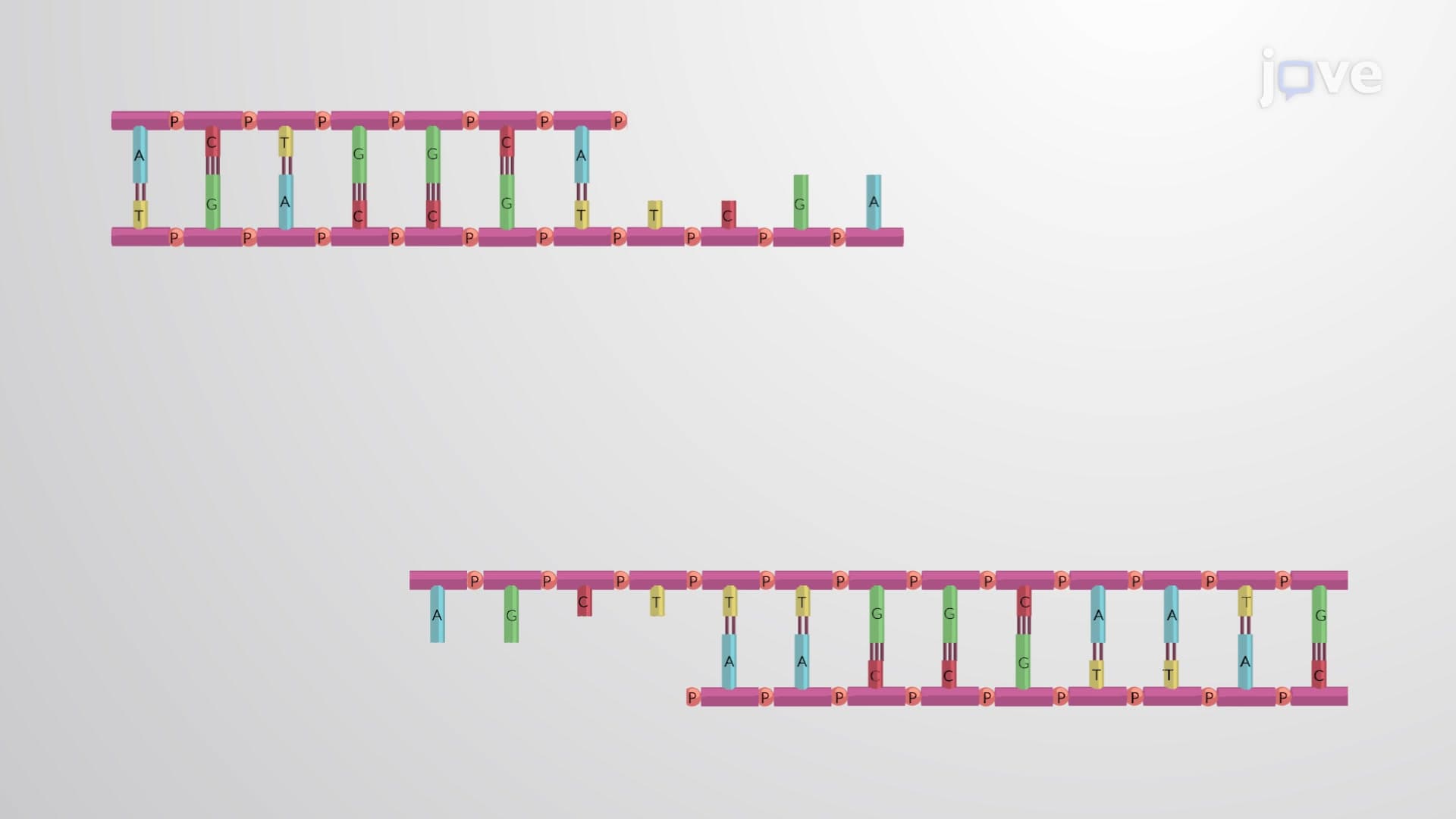
The RNA seq concept extends beyond simple RNA detection to include sophisticated library preparation steps. Reverse transcriptase converts purified RNA into complementary DNA (cDNA), creating a stable template for subsequent amplification and sequencing. This cDNA undergoes adapter ligation, where short oligonucleotide sequences provide primer binding sites for PCR amplification.
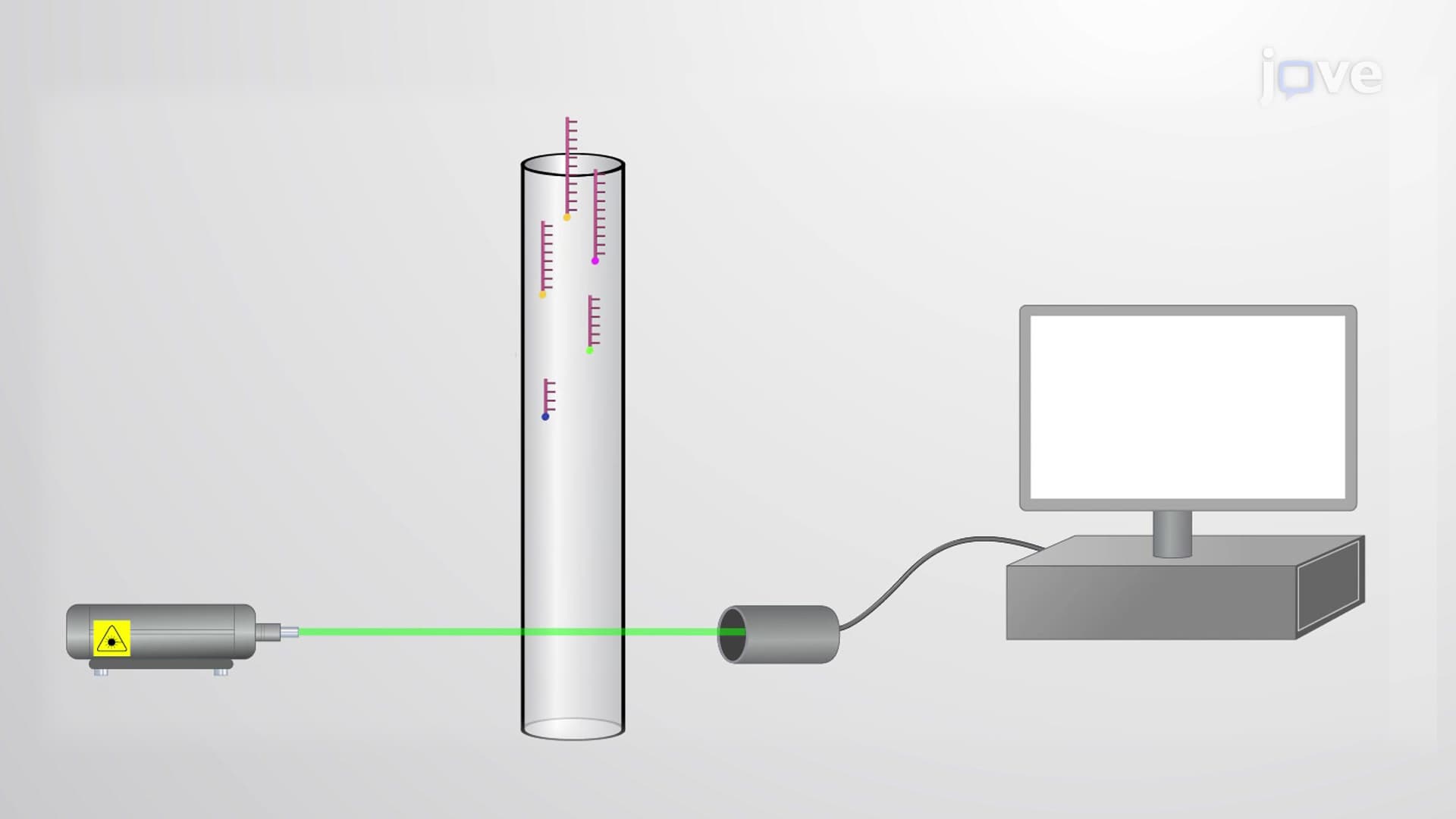
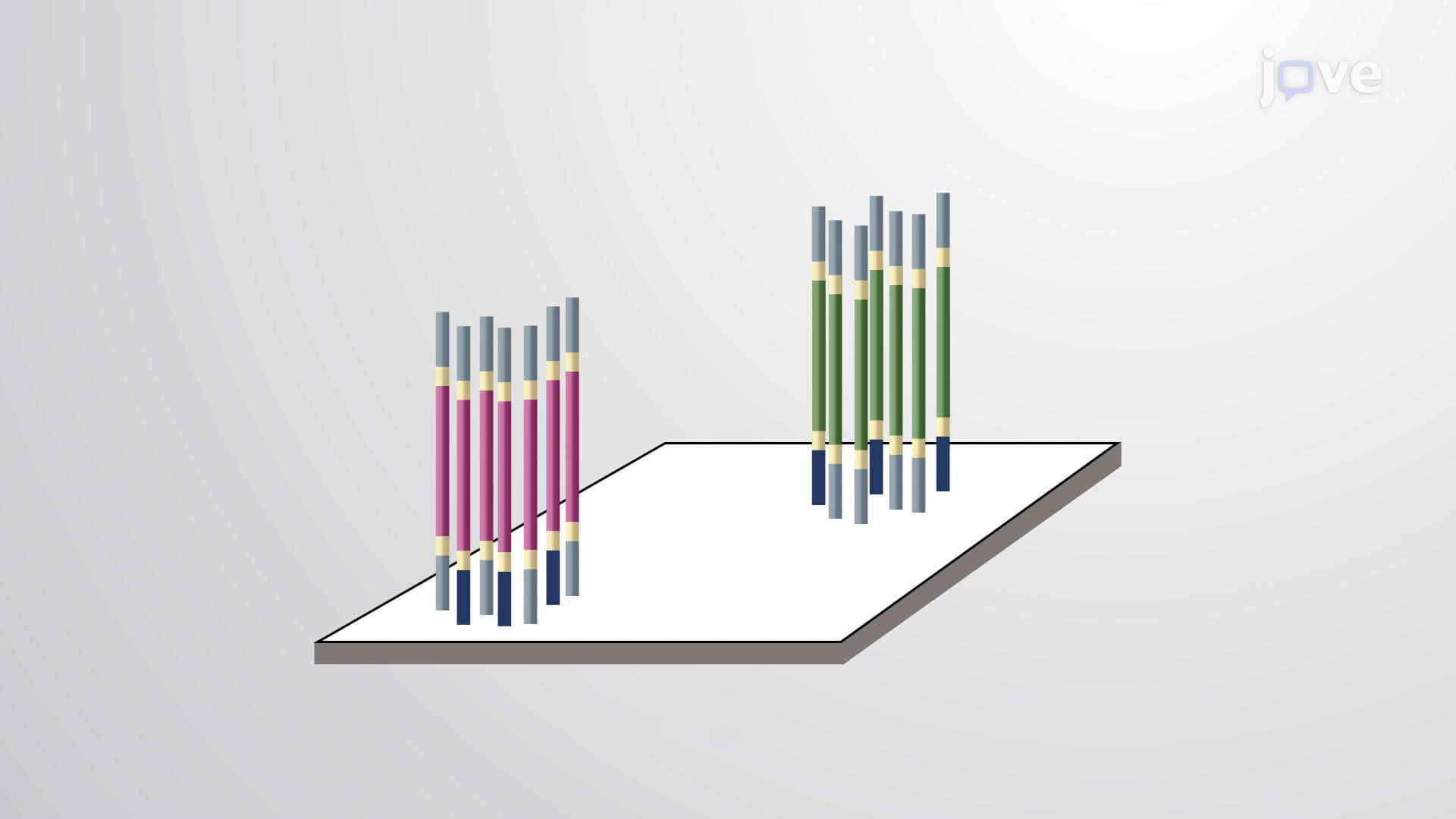
Modern sequencing platforms, such as those used in clinical laboratories nationwide, employ innovative cluster generation techniques. Single cDNA strands attach to complementary oligonucleotides on sequencing chips, then undergo bridge amplification to create clusters of identical sequences. This clustering ensures strong, uniform fluorescent signals during the sequencing process, enabling accurate base calling across millions of sequence reads simultaneously.
Clinical and Research Applications
Understanding RNA seq proves valuable for students preparing for the MCAT, where knowledge of modern molecular techniques frequently appears in biological sciences sections. The technique's applications span from basic research at universities to clinical diagnostics in hospital laboratories. Cancer centers like Memorial Sloan Kettering use RNA sequencing to identify tumor-specific gene expression patterns, guiding personalized treatment decisions.
Frequently Asked Questions
RNA seq is a high-throughput sequencing technique that simultaneously identifies and quantifies all RNA molecules in a sample. Unlike traditional methods that examine one gene at a time, RNA sequencing captures the entire transcriptome, providing comprehensive gene expression profiles. This revolutionary approach enables researchers to discover new transcripts, identify splice variants, and measure expression levels across thousands of genes simultaneously.
The RNA seq definition encompasses a molecular technique that converts RNA into sequenceable DNA libraries for comprehensive transcriptome analysis. Students should understand that it involves RNA isolation, reverse transcription to cDNA, library preparation with adapters, PCR amplification, and high-throughput sequencing. This definition frequently appears in AP Biology exams and college-level molecular biology courses.
MCAT questions often test RNA seq principles within broader molecular biology contexts, particularly in biological sciences passages. Students may encounter scenarios involving differential gene expression analysis, transcriptome studies, or clinical applications. The exam emphasizes understanding the technique's advantages over traditional methods and its role in modern research and medicine.
Focus on five essential steps: RNA isolation (using methods like oligo-dT selection), reverse transcription to cDNA, adapter ligation, PCR amplification, and sequencing with fluorescent nucleotides. Remember that cluster generation on sequencing chips enables simultaneous analysis of millions of sequences. Practice connecting each step to its biological purpose for deeper understanding.
Major medical centers like Cleveland Clinic and Massachusetts General Hospital use RNA seq for cancer research, identifying tumor-specific expression patterns for personalized treatment. The CDC employs RNA sequencing for pathogen surveillance, including tracking virus mutations during outbreaks. Pharmaceutical companies use this technology for drug development and safety testing.
No, high school biology and basic chemistry provide sufficient background for understanding RNA seq fundamentals. Focus on DNA structure, RNA types, and basic enzyme functions like reverse transcriptase and PCR. The concept builds logically from familiar molecular biology principles taught in standard biology curricula.
Create flowcharts connecting each procedural step to its biological purpose, then practice explaining the entire process without notes. Use active recall by drawing the workflow from memory, emphasizing why each step is necessary. Connect RNA seq applications to current research examples to strengthen long-term retention and exam performance.
Consider studying single-cell RNA sequencing, which analyzes individual cells rather than bulk tissue samples. Explore bioinformatics approaches for data analysis, including differential expression analysis and pathway enrichment studies. Advanced students might investigate specialized applications like ribosome profiling or RNA editing detection methods.
Related Micro-courses
19 Concepts

11 Concepts

18 Concepts