Loading subject page…

- Molecular Biology
- DNA, Cells, and Evolution
- Genome Size and the Evolution of New Genes
Micro-course: DNA, Cells, and Evolution
243,001 views
Learn key concepts and earn your certificate.

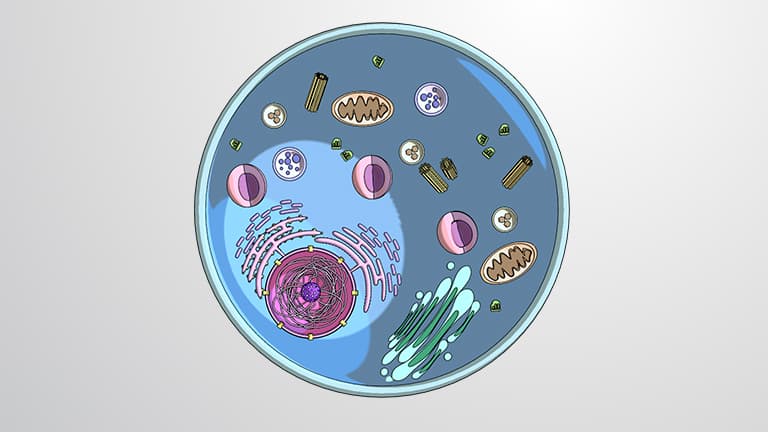
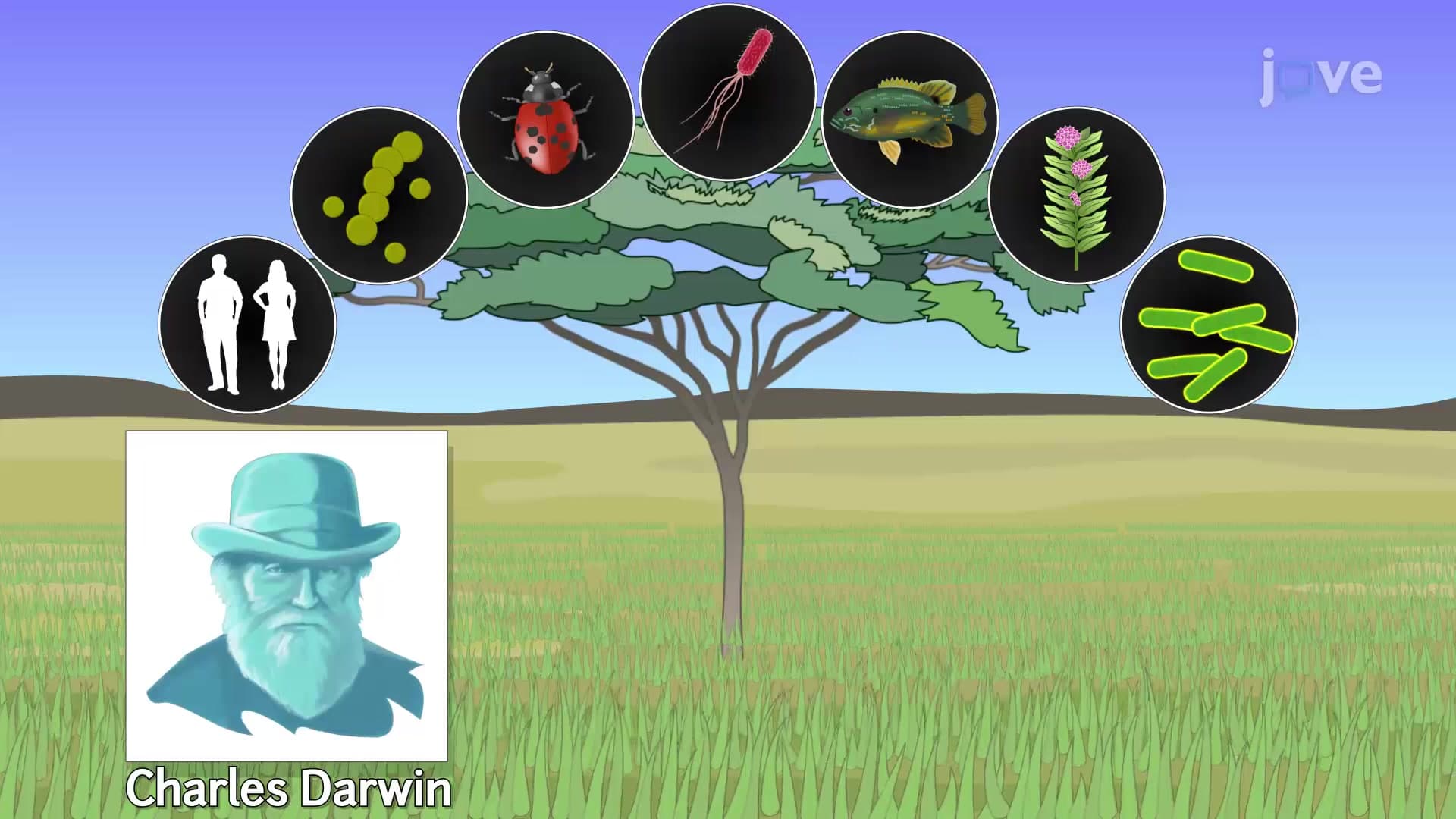
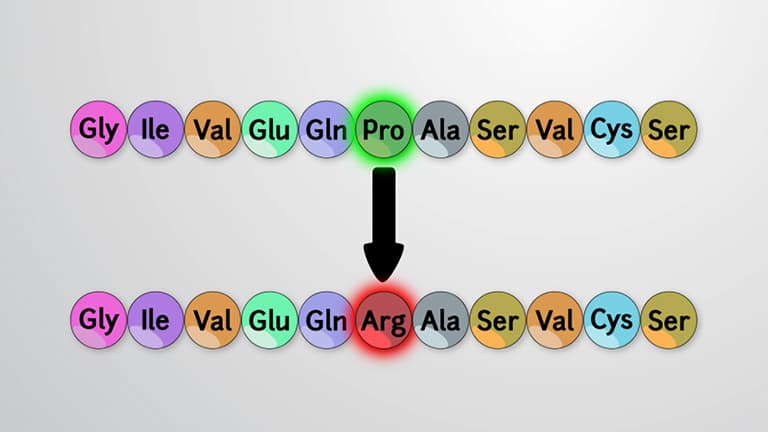
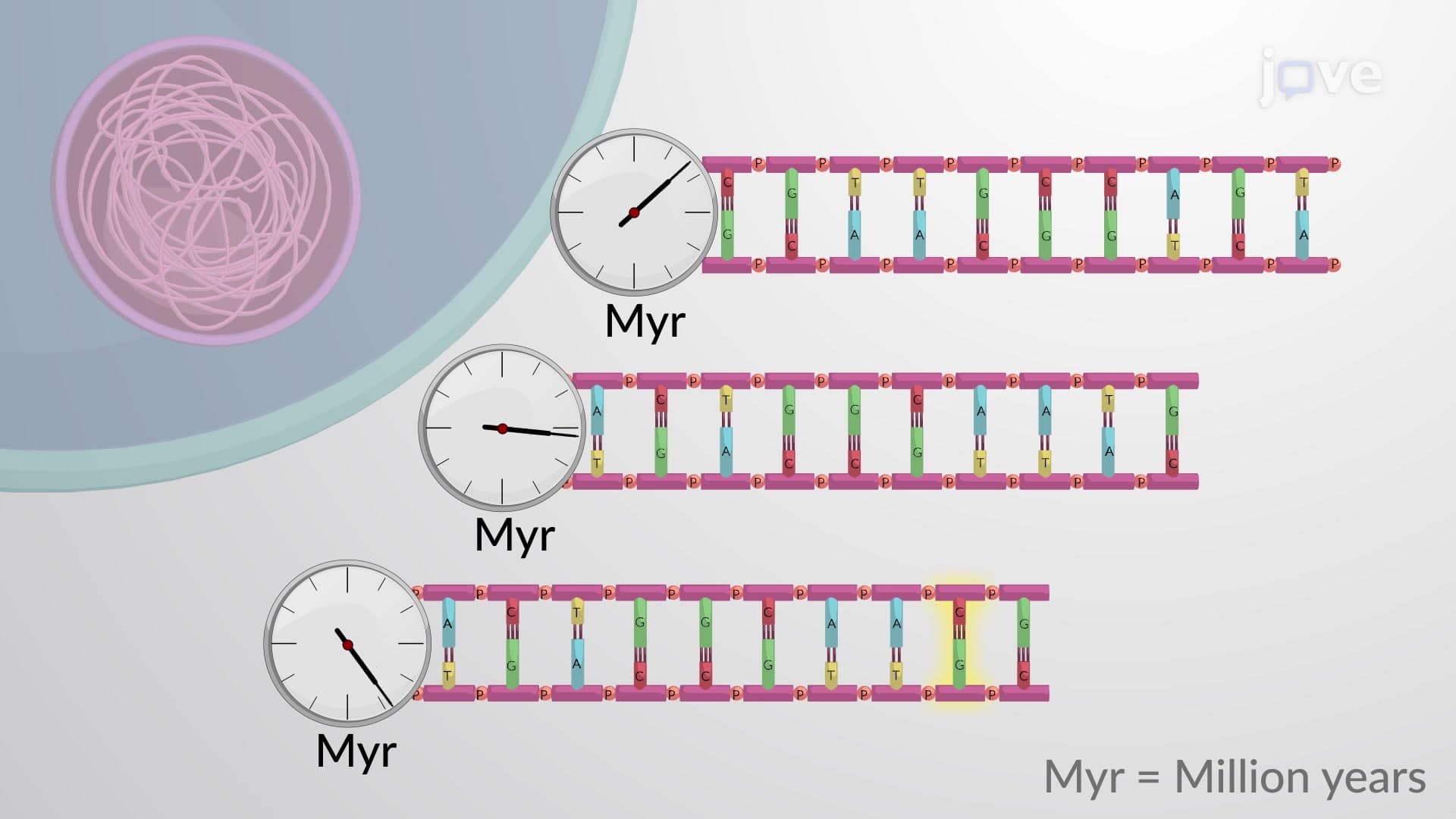

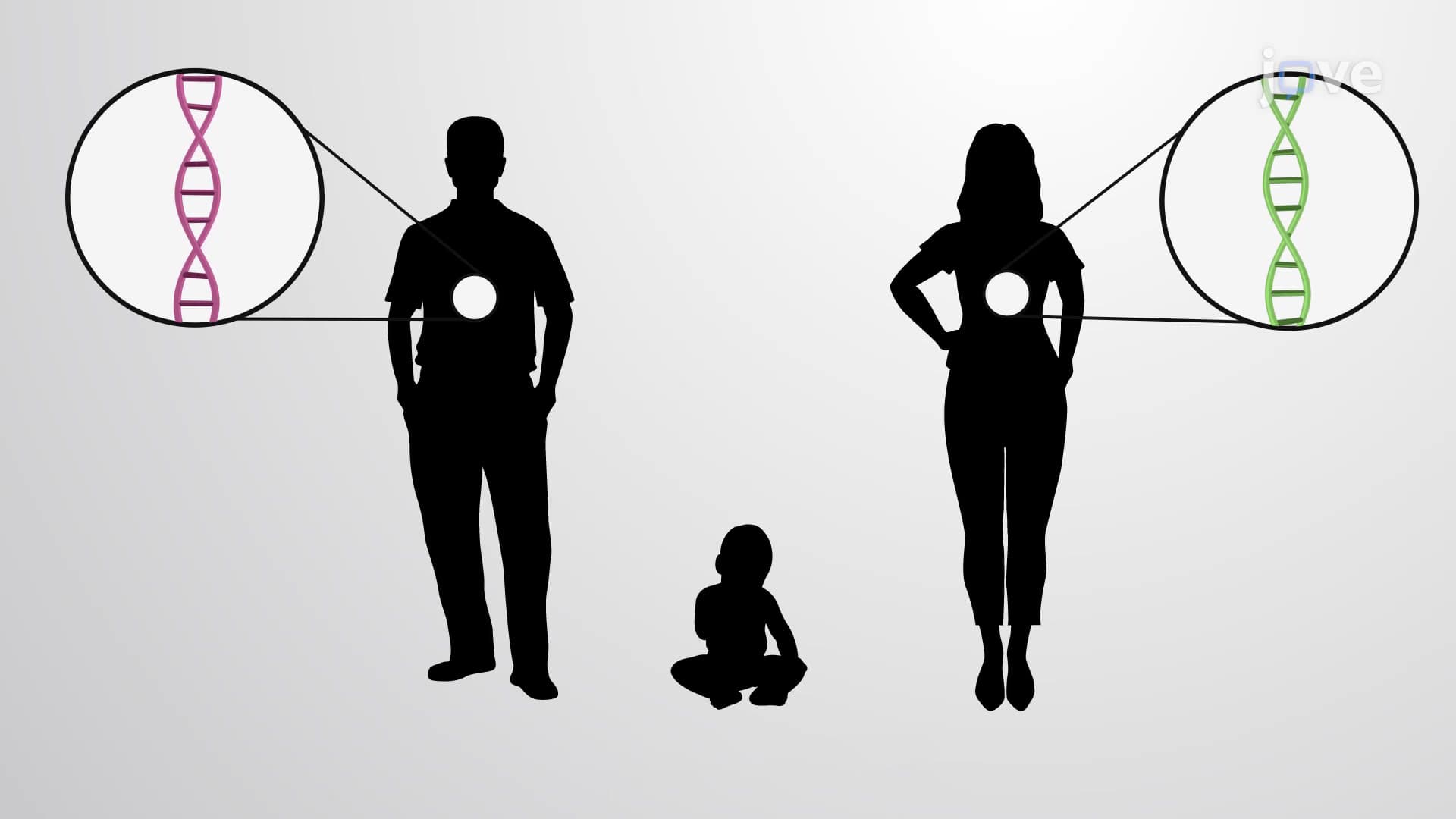
Genome Size and the Evolution of New Genes

00:00
03:21
Video Summary: Genome Size and the Evolution Explained
Did you know that a single-celled bacterium has a genome nearly 1,000 times smaller than a flowering plant, yet both successfully survive and reproduce? Genome size evolution reveals fascinating patterns across life forms, from tiny bacterial genomes with just 160,000 base pairs to massive plant genomes exceeding 150 billion base pairs. Understanding Genome Size And The Evolution Explained helps students grasp why organisms like *E. coli* bacteria found in US laboratories maintain compact, efficient genomes while complex eukaryotes carry vast amounts of non-coding DNA. Watch the full video on JoVE Coach to master this concept with expert-led visuals and step-by-step explanations.
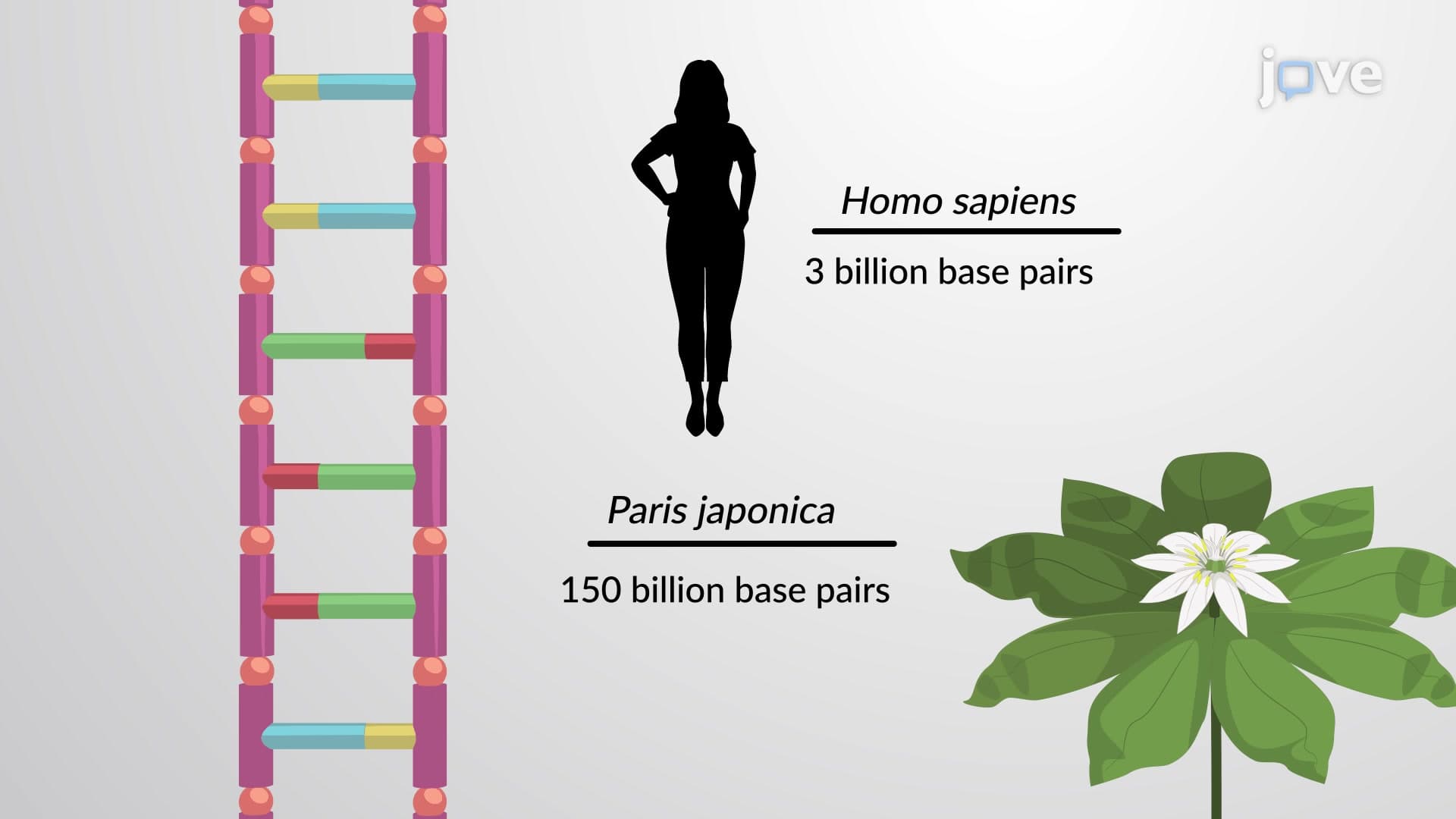
- Understand the fundamental principles of Genome Size And The Evolution Explained, including the dramatic variation from 160,000 base pairs in bacteria to 150 billion in plants
- Compare prokaryotic and eukaryotic genome organization, recognizing why bacterial genomes remain compact while eukaryotic genomes contain extensive non-coding sequences
- Analyze the four primary mechanisms of gene evolution: gene duplication, DNA shuffling, intragenic mutation, and horizontal gene transfer
- Identify the evolutionary advantages of small genomes in rapidly reproducing organisms versus larger genomes in complex multicellular life
- Evaluate how gene duplication creates evolutionary flexibility by providing backup copies that can diverge into new functions
- Apply knowledge of horizontal gene transfer to understand antibiotic resistance spread in clinical settings
- Recognize why genome size doesn't directly correlate with organism complexity or gene number
- Explore how mutations and genetic recombination drive species divergence and novel gene function development
Understanding Genome Size And The Evolution Explained
Genome size evolution represents one of biology's most striking paradoxes: complexity doesn't always correlate with genome size. This concept challenges students preparing for AP Biology, MCAT, and college genetics courses to think beyond simple assumptions about DNA and organism sophistication.
Prokaryotic Genome Efficiency and Evolutionary Pressures
Bacterial and archaeal genomes demonstrate evolutionary efficiency at its finest. Consider *Escherichia coli*, the workhorse of US research laboratories from MIT to Stanford. Its 4.6 million base pair genome contains approximately 4,300 genes with minimal non-coding DNA. This streamlined organization reflects intense selective pressure for rapid reproduction-every unnecessary nucleotide represents metabolic waste and slower replication times.
The extreme case of *Candidatus Carsonella ruddii*, with fewer than 160,000 base pairs, illustrates how symbiotic bacteria can shed "unnecessary" genes when their host environment provides essential functions. Students encountering this concept in college microbiology courses learn how environmental stability allows genome reduction, a principle observable in many laboratory bacterial strains maintained in US culture collections.
Eukaryotic Genome Complexity and Non-Coding Elements
Eukaryotic genomes tell a different evolutionary story. Humans possess approximately 20,000-25,000 genes within 3.2 billion base pairs-meaning over 95% of our genome consists of non-coding sequences. These regions, once dismissed as "junk DNA," now reveal crucial regulatory functions studied extensively at institutions like the National Institutes of Health.
Plant genomes showcase extreme examples of genome size evolution. The Paris japonica mentioned in research from Kew Gardens contains 150 billion base pairs-roughly 50 times larger than humans. Yet this flowering plant doesn't possess proportionally more genes. Instead, its genome contains massive duplications and repetitive elements, demonstrating how polyploidy and transposable elements drive genome expansion without necessarily increasing functional complexity.
Mechanisms Driving Gene Evolution and Diversification
Gene duplication serves as evolution's primary innovation engine. When DNA replication errors or unequal crossing over creates duplicate genes, one copy maintains essential function while the other can accumulate mutations freely. This process, extensively studied in Drosophila research at US universities, explains how gene families like immunoglobulins diversified to recognize countless pathogens.
Horizontal gene transfer, while common in prokaryotes, occasionally impacts eukaryotic evolution. US clinical laboratories regularly observe antibiotic resistance gene transfer between bacterial species, demonstrating this mechanism's ongoing relevance. Even eukaryotes show evidence of ancient horizontal transfers-human genomes contain sequences likely acquired from viral infections millions of years ago.
Frequently Asked Questions
Genome size evolution refers to how the total amount of DNA in organisms has changed over evolutionary time, ranging from tiny bacterial genomes to massive plant genomes. This concept matters because it reveals that biological complexity doesn't directly correlate with genome size-a fundamental principle tested on AP Biology and college genetics exams. Understanding this helps explain why humans have fewer genes than some plants despite our apparent complexity.
MCAT and AP Biology questions frequently test understanding of prokaryotic versus eukaryotic genome organization, gene duplication mechanisms, and why genome size doesn't predict organism complexity. Expect questions comparing bacterial genome efficiency to eukaryotic non-coding regions, or asking students to analyze data showing genome sizes across different species. Practice interpreting phylogenetic trees showing genome size evolution patterns.
Concentrate on the four mechanisms of gene evolution: duplication, shuffling, mutation, and horizontal transfer. Understand why prokaryotes maintain small, efficient genomes while eukaryotes tolerate larger genomes with extensive non-coding regions. Review specific examples like antibiotic resistance transfer and polyploidy in plants. Many professors test the counterintuitive relationship between genome size and organism complexity.
US hospitals regularly encounter horizontal gene transfer when antibiotic-resistant bacteria share resistance genes, making infections harder to treat. Research institutions like the CDC use genome size data to track pathogen evolution and design targeted therapies. Agricultural researchers study crop genome evolution to develop disease-resistant varieties, while pharmaceutical companies analyze pathogen genome changes to stay ahead of evolving threats.
No advanced background is required-this concept builds on basic DNA structure and function covered in introductory biology courses. If you understand genes, chromosomes, and basic evolution principles from high school biology, you're prepared to tackle genome size evolution. The key is grasping the relationship between genome organization and evolutionary pressures rather than memorizing complex molecular details.
Create comparison charts showing prokaryotic versus eukaryotic genome features, including size ranges, gene density, and non-coding content percentages. Practice explaining why bacteria maintain compact genomes while plants tolerate massive, repetitive genomes. Use active recall by explaining gene evolution mechanisms without looking at notes. Focus on understanding principles rather than memorizing specific genome sizes-exams test conceptual understanding more than raw data.
Dive deeper into comparative genomics and phylogenetic analysis to understand how genome evolution tracks with species relationships. Explore epigenetics to learn how gene expression changes without altering genome size. Study population genetics to understand how evolutionary forces shape genome composition over time. These advanced topics build naturally on genome size evolution concepts and appear frequently in upper-level college courses.
Gene duplication directly increases genome size by creating additional DNA copies, while horizontal gene transfer can either increase size through novel gene acquisition or decrease it when genes are lost due to reduced selective pressure. Duplication provides raw material for evolution-one gene copy maintains function while duplicates can evolve new roles. Horizontal transfer allows rapid acquisition of beneficial traits like antibiotic resistance without waiting for gradual mutation accumulation.
Related Micro-courses